
Venezuela Opens Oil Sector to Foreign Investment Amid US Pressure
In This Article
HIGHLIGHTS
- Venezuela's National Assembly approved a reform to the hydrocarbons law, allowing more foreign investment in the oil sector.
- The reform grants private companies greater control over oil production and sales, while easing taxes and allowing independent arbitration.
- US sanctions on Venezuela's oil industry have been eased, facilitating American companies' operations in the country.
- Interim President Delcy Rodríguez is expected to sign the bill, marking a shift from the 2006 law under Hugo Chávez.
- Analysts remain cautious, noting the law's lack of clarity and questioning its ability to fully revive Venezuela's oil industry.
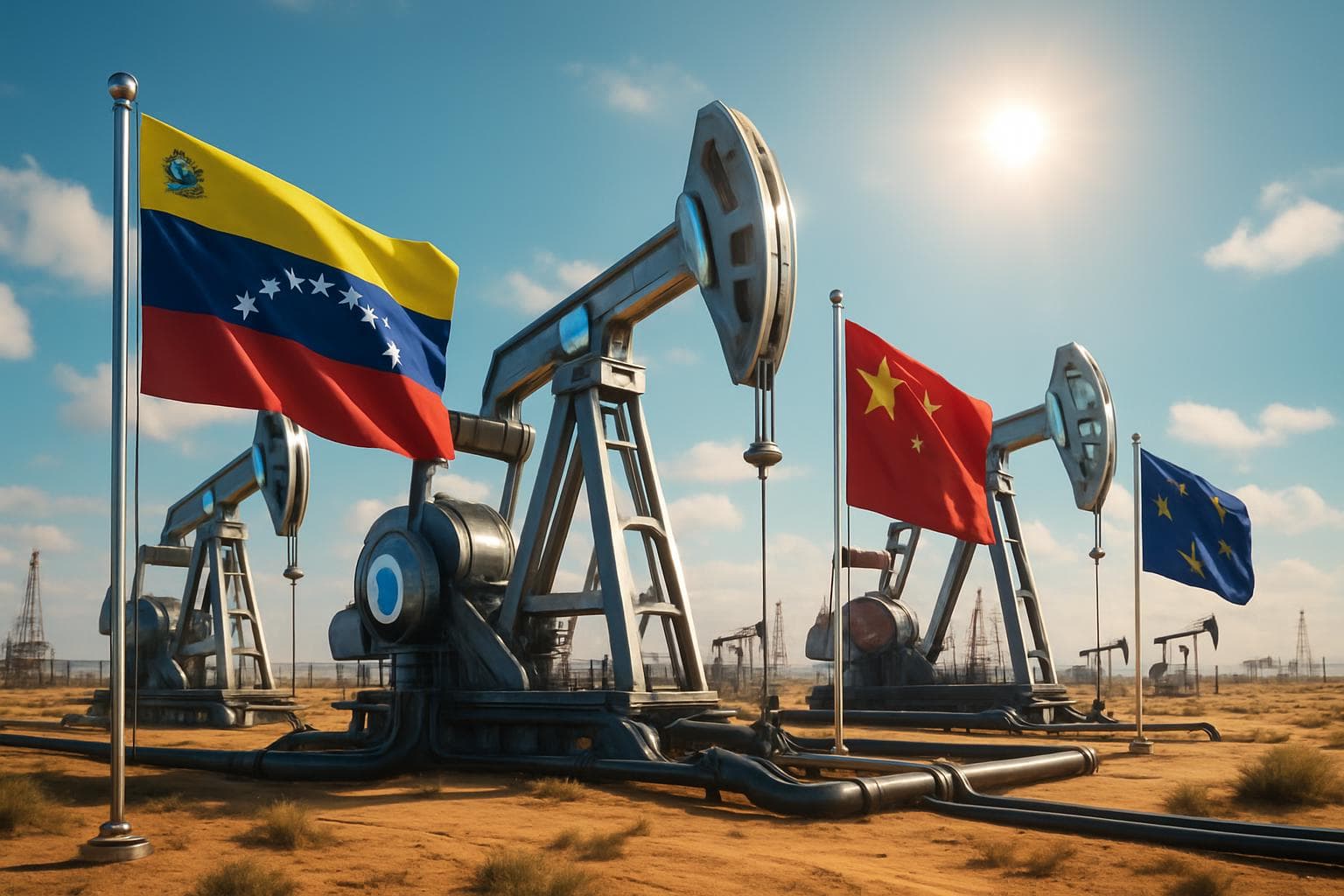
Venezuela's National Assembly has passed a significant reform to the country's hydrocarbons law, a move that opens the door for increased foreign investment in its oil sector. This legislative change, which awaits final approval from interim President Delcy Rodríguez, is expected to attract international oil companies back to the nation with the world's largest proven oil reserves.
Legislative Changes and Economic Implications
The newly approved law grants private companies more autonomy over oil production and sales, a departure from the previous framework that mandated state control through PDVSA, the national oil company. This reform also introduces tax reductions and provisions for independent arbitration in disputes, aiming to create a more favorable environment for foreign investors. The US, which has been pressuring Venezuela to open its oil sector, has responded by easing sanctions, allowing American firms to engage in oil-related transactions.
US-Venezuela Relations and Sanctions
The US Treasury Department has issued a general license permitting a range of oil transactions, a move that aligns with the Trump administration's strategy to encourage US oil companies to invest in Venezuela. President Donald Trump has expressed optimism about the potential economic benefits for both countries, stating that US firms are already assessing opportunities in Venezuela. This development follows a recent US military operation that resulted in the capture of former President Nicolás Maduro, further altering the political landscape.
Political Context and Future Prospects
The reform marks a departure from the 2006 hydrocarbons law introduced by former President Hugo Chávez, which tightened state control over the oil sector. National Assembly Speaker Jorge Rodríguez, brother of the interim president, has championed the reform as a step towards economic recovery. However, analysts caution that the law's lack of clarity may hinder its effectiveness in reviving Venezuela's struggling oil industry.
Industry and Political Reactions
While the reform has been welcomed by some international partners, including US firm Chevron, concerns remain about its practical application. David Vera, an associate dean at the Craig School of Business, described the law as a necessary and positive step, though he acknowledged the challenges ahead. The reform's success will largely depend on its implementation and the broader political and economic context in Venezuela.
WHAT THIS MIGHT MEAN
The approval of the hydrocarbons law reform could lead to a resurgence of foreign investment in Venezuela's oil sector, potentially revitalizing the country's economy. However, the law's ambiguous provisions may pose challenges for investors seeking clarity and stability. Politically, the reform could strengthen US-Venezuela relations, though the long-term impact will depend on the interim government's ability to maintain control and implement the changes effectively. As Venezuela navigates this transition, the global oil market will be closely watching for signs of recovery and stability.
Related Articles
Cuba Faces Widespread Blackout Amid Deepening Fuel Crisis
Senate Blocks Resolution to Limit Trump's Military Actions in Iran
Spain's Sánchez Stands Firm Against Trump's Trade Threat Over Iran Stance

Iran Postpones Khamenei Funeral Amid Escalating US-Israeli Strikes

Congress Subpoenas Attorney General Bondi in Epstein Investigation

UK Faces Dilemmas Amid Iran Conflict and China Spying Allegations
Venezuela Opens Oil Sector to Foreign Investment Amid US Pressure
In This Article
 Ethan Brooks| Published
 HIGHLIGHTS
- Venezuela's National Assembly approved a reform to the hydrocarbons law, allowing more foreign investment in the oil sector.
- The reform grants private companies greater control over oil production and sales, while easing taxes and allowing independent arbitration.
- US sanctions on Venezuela's oil industry have been eased, facilitating American companies' operations in the country.
- Interim President Delcy Rodríguez is expected to sign the bill, marking a shift from the 2006 law under Hugo Chávez.
- Analysts remain cautious, noting the law's lack of clarity and questioning its ability to fully revive Venezuela's oil industry.
Venezuela's National Assembly has passed a significant reform to the country's hydrocarbons law, a move that opens the door for increased foreign investment in its oil sector. This legislative change, which awaits final approval from interim President Delcy Rodríguez, is expected to attract international oil companies back to the nation with the world's largest proven oil reserves.
Legislative Changes and Economic Implications
The newly approved law grants private companies more autonomy over oil production and sales, a departure from the previous framework that mandated state control through PDVSA, the national oil company. This reform also introduces tax reductions and provisions for independent arbitration in disputes, aiming to create a more favorable environment for foreign investors. The US, which has been pressuring Venezuela to open its oil sector, has responded by easing sanctions, allowing American firms to engage in oil-related transactions.
US-Venezuela Relations and Sanctions
The US Treasury Department has issued a general license permitting a range of oil transactions, a move that aligns with the Trump administration's strategy to encourage US oil companies to invest in Venezuela. President Donald Trump has expressed optimism about the potential economic benefits for both countries, stating that US firms are already assessing opportunities in Venezuela. This development follows a recent US military operation that resulted in the capture of former President Nicolás Maduro, further altering the political landscape.
Political Context and Future Prospects
The reform marks a departure from the 2006 hydrocarbons law introduced by former President Hugo Chávez, which tightened state control over the oil sector. National Assembly Speaker Jorge Rodríguez, brother of the interim president, has championed the reform as a step towards economic recovery. However, analysts caution that the law's lack of clarity may hinder its effectiveness in reviving Venezuela's struggling oil industry.
Industry and Political Reactions
While the reform has been welcomed by some international partners, including US firm Chevron, concerns remain about its practical application. David Vera, an associate dean at the Craig School of Business, described the law as a necessary and positive step, though he acknowledged the challenges ahead. The reform's success will largely depend on its implementation and the broader political and economic context in Venezuela.
WHAT THIS MIGHT MEAN
The approval of the hydrocarbons law reform could lead to a resurgence of foreign investment in Venezuela's oil sector, potentially revitalizing the country's economy. However, the law's ambiguous provisions may pose challenges for investors seeking clarity and stability. Politically, the reform could strengthen US-Venezuela relations, though the long-term impact will depend on the interim government's ability to maintain control and implement the changes effectively. As Venezuela navigates this transition, the global oil market will be closely watching for signs of recovery and stability.
Related Articles
Cuba Faces Widespread Blackout Amid Deepening Fuel Crisis
Senate Blocks Resolution to Limit Trump's Military Actions in Iran
Spain's Sánchez Stands Firm Against Trump's Trade Threat Over Iran Stance
Iran Postpones Khamenei Funeral Amid Escalating US-Israeli Strikes
Congress Subpoenas Attorney General Bondi in Epstein Investigation
UK Faces Dilemmas Amid Iran Conflict and China Spying Allegations