
Venezuela's Political Future: Machado's Presidential Ambitions Amid US Support for Rodríguez
In This Article
HIGHLIGHTS
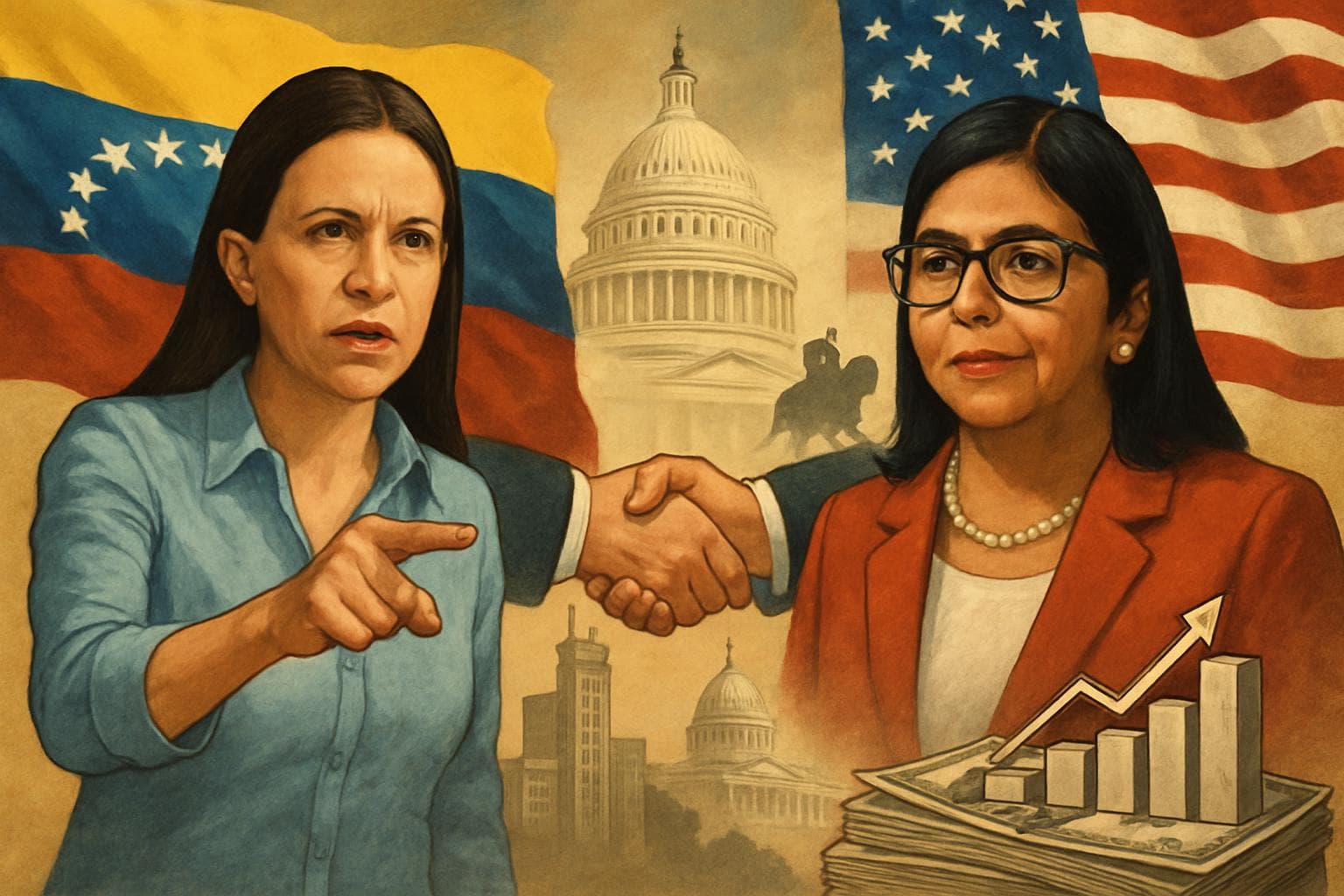
- María Corina Machado, a Venezuelan opposition leader, has expressed her ambition to become the country's first female president, despite current US support for interim president Delcy Rodríguez.
- The US seized former Venezuelan President Nicolás Maduro on January 3, leading to Rodríguez's appointment as interim president, with US backing.
- CIA Director John Ratcliffe met with Rodríguez in Caracas to discuss economic collaboration and reducing Venezuela's role as a haven for US adversaries.
- Rodríguez announced reforms to Venezuela's oil industry to attract foreign investment, aligning with US interests.
- Trump has declined to endorse Machado, citing concerns over her domestic support and potential security issues.
In a rapidly evolving political landscape, Venezuelan opposition leader María Corina Machado has declared her intention to lead the nation as its first female president. Her aspirations come at a time when the United States has thrown its support behind Delcy Rodríguez, the interim president following the capture of Nicolás Maduro by US forces on January 3.
Machado's Presidential Ambitions
Speaking to Fox News, Machado expressed her belief that she will be elected president "when the right time comes," envisioning a future where Venezuela is transformed into a "land of grace." Despite her bold claims, the US administration, led by President Donald Trump, has opted to support Rodríguez, citing concerns over Machado's domestic backing and potential security challenges.
US Seizure of Maduro and Rodríguez's Interim Leadership
The US operation that led to Maduro's capture has significantly altered Venezuela's political dynamics. Rodríguez, formerly Maduro's vice-president, was sworn in as interim president on January 5. Her leadership has been marked by efforts to engage diplomatically with the US, as evidenced by her recent meeting with CIA Director John Ratcliffe. The discussions focused on economic collaboration and ensuring Venezuela no longer serves as a haven for America's adversaries.
Economic Reforms and US-Venezuela Relations
Rodríguez has announced significant reforms to Venezuela's oil industry, aiming to attract foreign investment and move away from Maduro's policies. This aligns with US interests, as Trump has encouraged American oil companies to invest heavily in Venezuela. However, some industry executives have expressed skepticism, labeling the country as "uninvestable" due to ongoing instability.
Machado's Diplomatic Efforts and US Response
In a symbolic gesture, Machado presented Trump with her Nobel Peace Prize medal, acknowledging his "principled and decisive move" against Maduro. Despite this, Trump's administration remains focused on working with Rodríguez, who has been described as a "terrific person" by the US president. This decision underscores the strategic importance of maintaining stability in Venezuela while pursuing economic opportunities.
WHAT THIS MIGHT MEAN
The political situation in Venezuela remains fluid, with potential implications for both domestic and international stakeholders. If Rodríguez successfully implements her proposed reforms, it could pave the way for increased foreign investment and economic recovery. However, Machado's continued push for leadership suggests that internal political tensions may persist.
The US's strategic support for Rodríguez highlights a pragmatic approach to stabilizing Venezuela while securing economic interests. Yet, this decision may alienate segments of the Venezuelan opposition, potentially complicating future diplomatic efforts.
As the situation unfolds, experts will closely monitor the impact of these developments on Venezuela's political landscape and its relations with the international community. The outcome could significantly influence the region's geopolitical dynamics and the future of US-Venezuela relations.
Related Articles
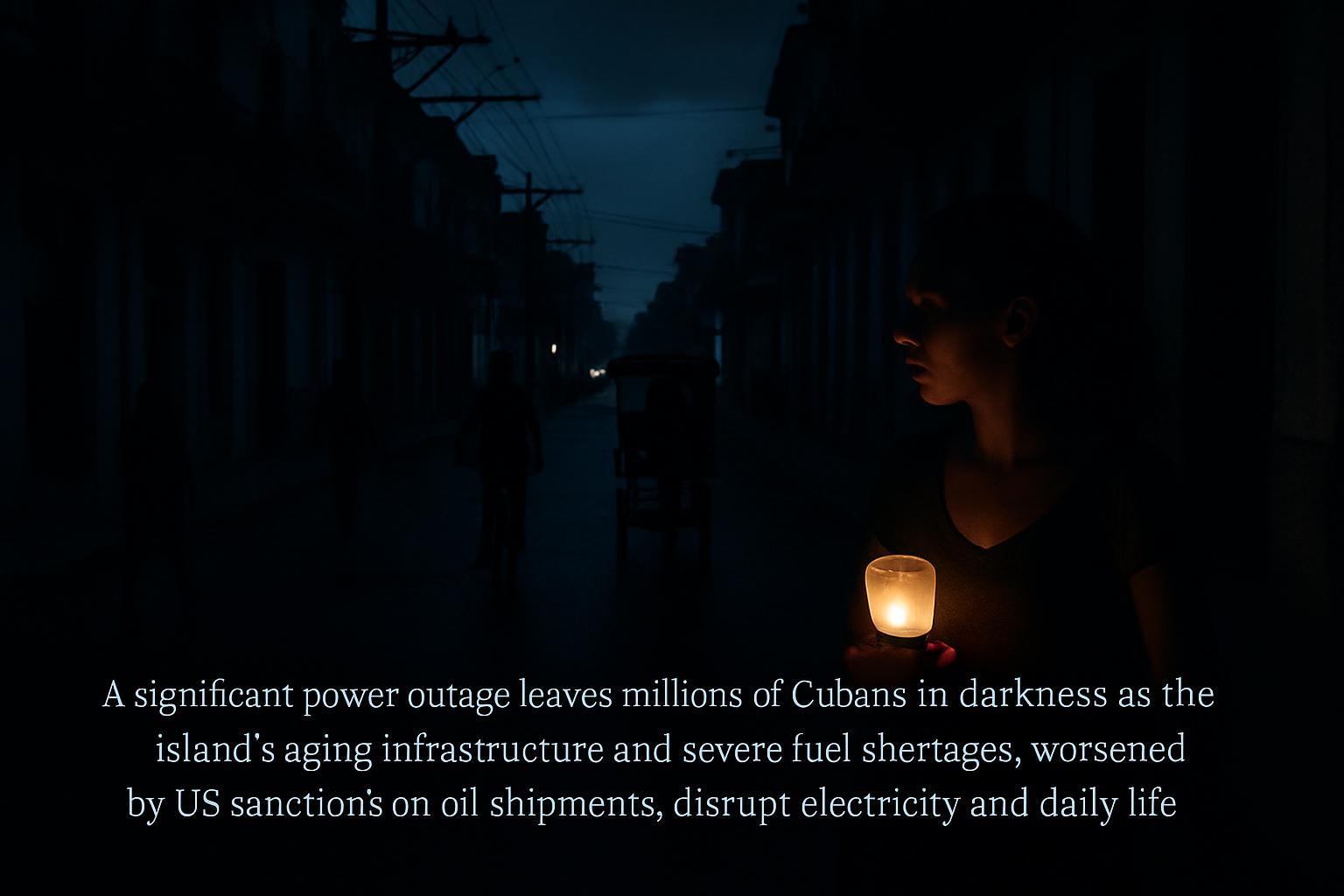
Cuba Faces Widespread Blackout Amid Deepening Fuel Crisis
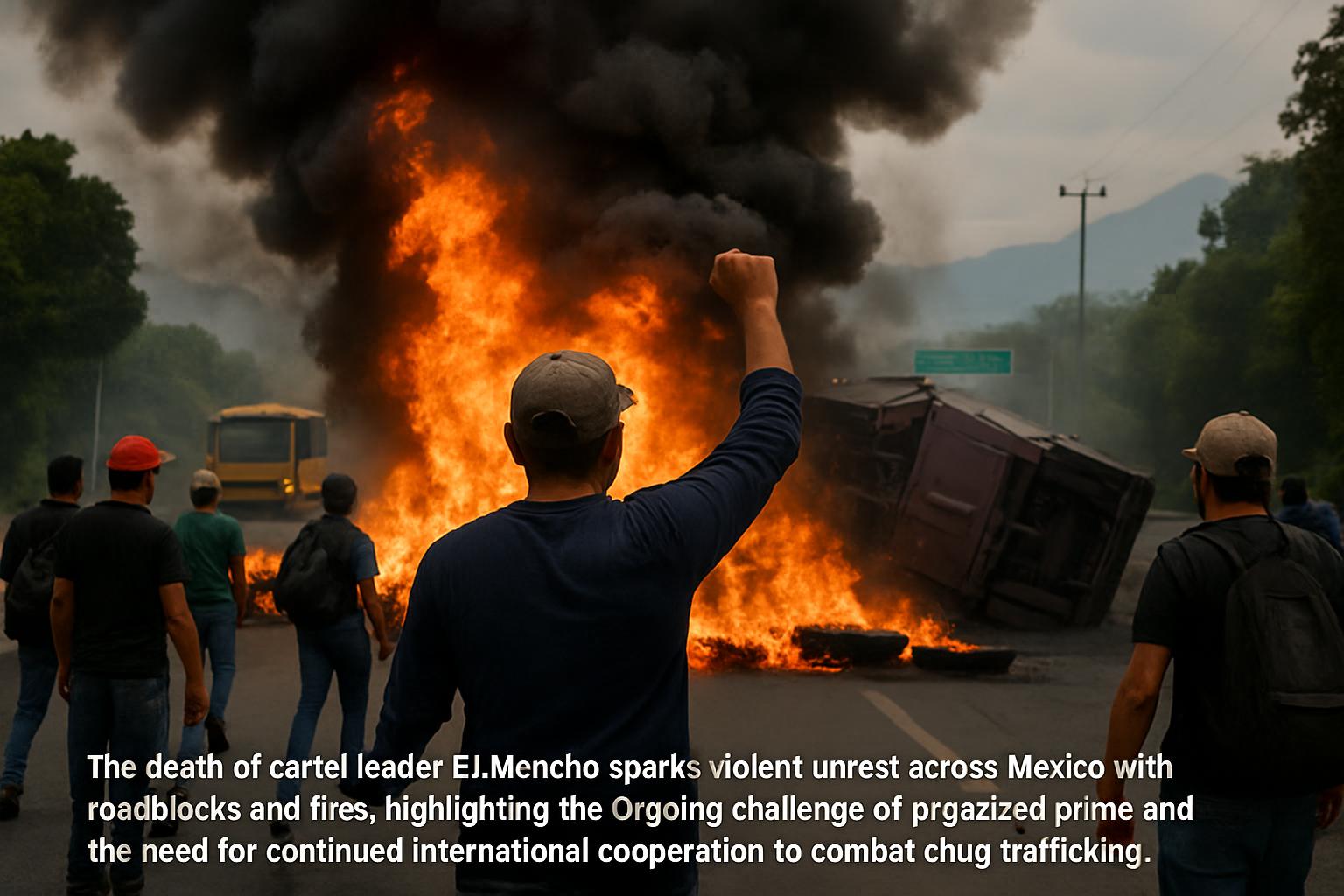
El Mencho's Death Sparks Violent Unrest Across Mexico

UK Faces Dilemmas Amid Iran Conflict and China Spying Allegations
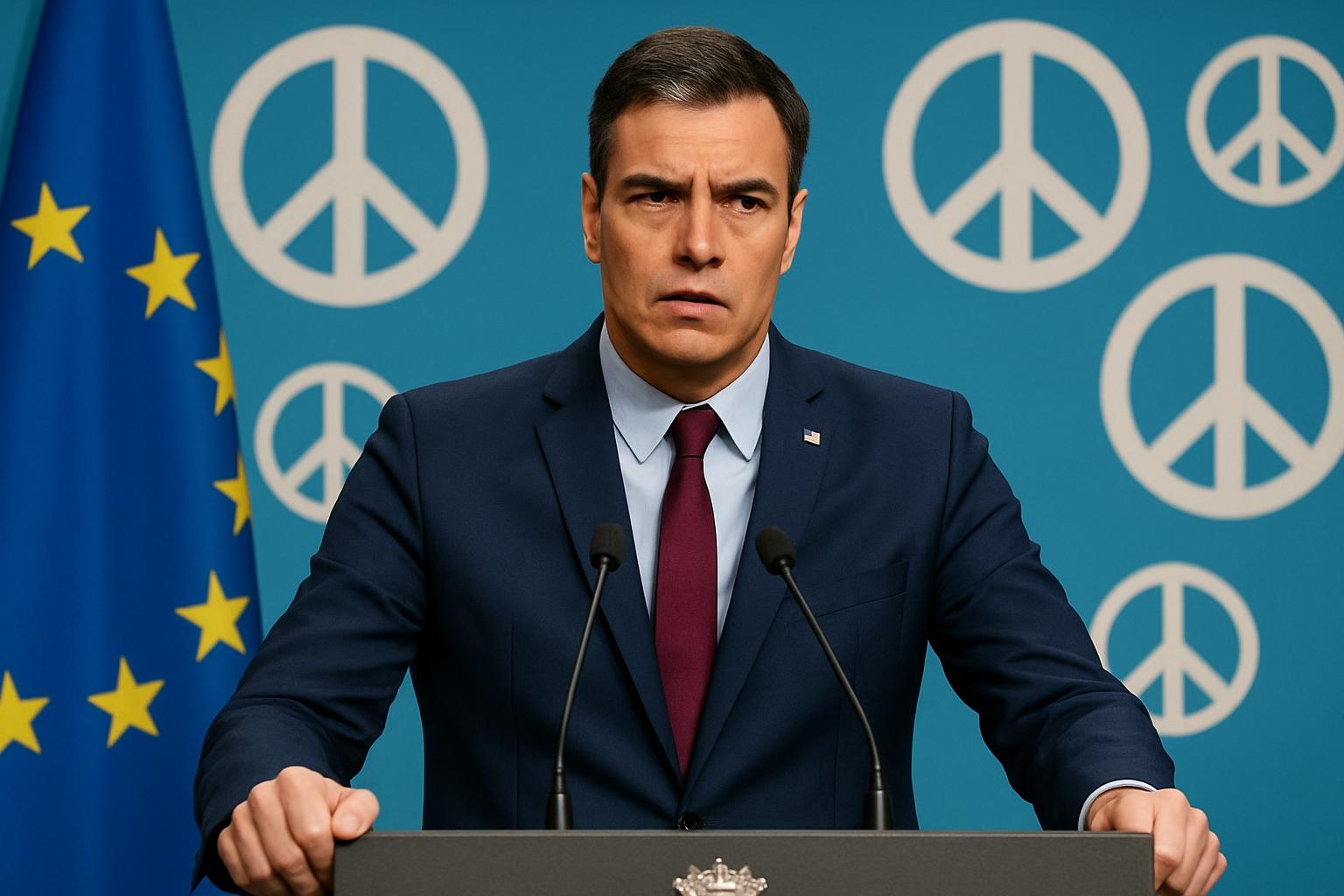
Spain's Sánchez Stands Firm Against Trump's Trade Threat Over Iran Stance
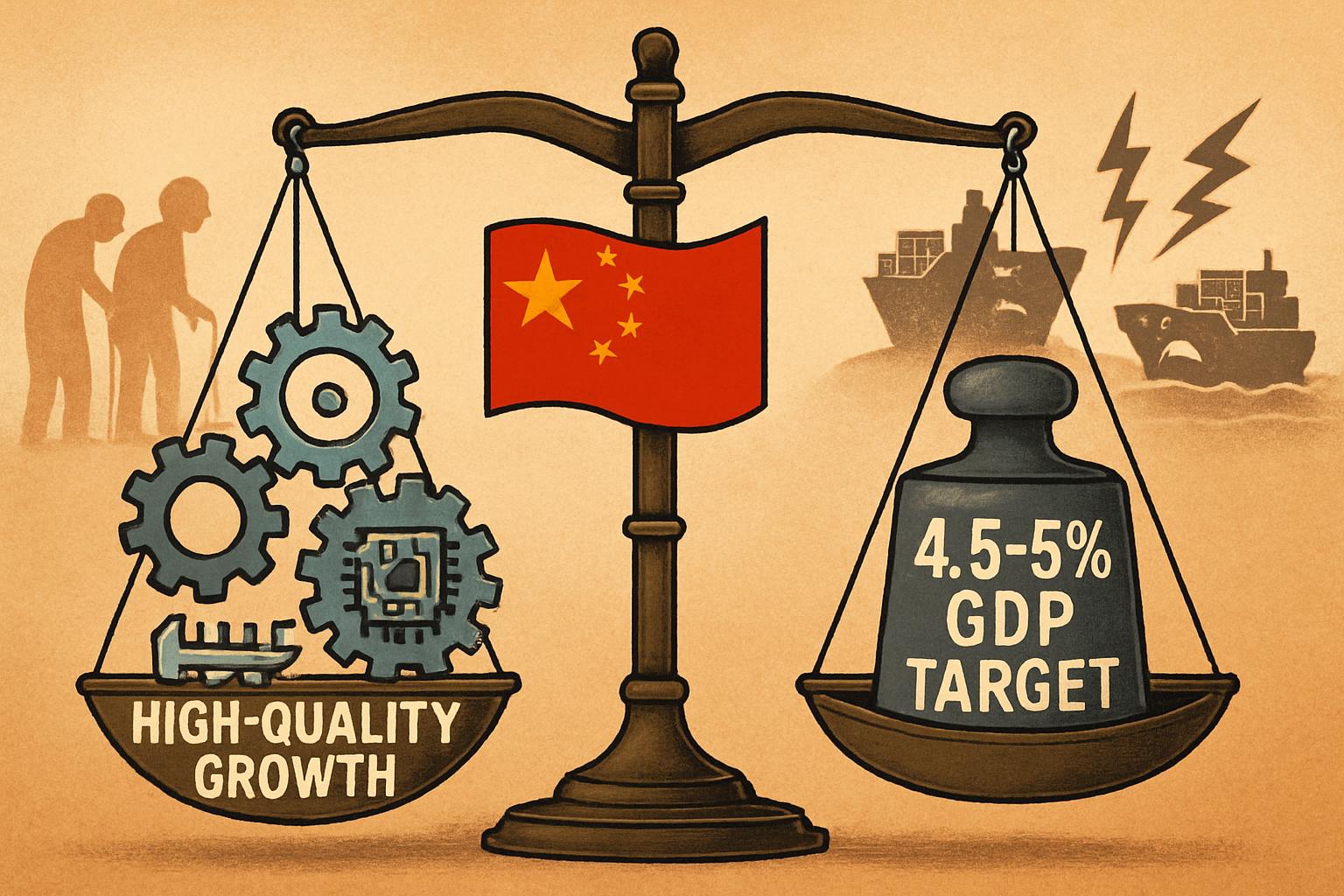
China Sets Lowest GDP Growth Target in Decades Amid Economic Challenges

Tech Giants Pledge to Cover AI Data Center Energy Costs Amid Rising Electricity Concerns
Venezuela's Political Future: Machado's Presidential Ambitions Amid US Support for Rodríguez
In This Article
HIGHLIGHTS
- María Corina Machado, a Venezuelan opposition leader, has expressed her ambition to become the country's first female president, despite current US support for interim president Delcy Rodríguez.
- The US seized former Venezuelan President Nicolás Maduro on January 3, leading to Rodríguez's appointment as interim president, with US backing.
- CIA Director John Ratcliffe met with Rodríguez in Caracas to discuss economic collaboration and reducing Venezuela's role as a haven for US adversaries.
- Rodríguez announced reforms to Venezuela's oil industry to attract foreign investment, aligning with US interests.
- Trump has declined to endorse Machado, citing concerns over her domestic support and potential security issues.
In a rapidly evolving political landscape, Venezuelan opposition leader María Corina Machado has declared her intention to lead the nation as its first female president. Her aspirations come at a time when the United States has thrown its support behind Delcy Rodríguez, the interim president following the capture of Nicolás Maduro by US forces on January 3.
Machado's Presidential Ambitions
Speaking to Fox News, Machado expressed her belief that she will be elected president "when the right time comes," envisioning a future where Venezuela is transformed into a "land of grace." Despite her bold claims, the US administration, led by President Donald Trump, has opted to support Rodríguez, citing concerns over Machado's domestic backing and potential security challenges.
US Seizure of Maduro and Rodríguez's Interim Leadership
The US operation that led to Maduro's capture has significantly altered Venezuela's political dynamics. Rodríguez, formerly Maduro's vice-president, was sworn in as interim president on January 5. Her leadership has been marked by efforts to engage diplomatically with the US, as evidenced by her recent meeting with CIA Director John Ratcliffe. The discussions focused on economic collaboration and ensuring Venezuela no longer serves as a haven for America's adversaries.
Economic Reforms and US-Venezuela Relations
Rodríguez has announced significant reforms to Venezuela's oil industry, aiming to attract foreign investment and move away from Maduro's policies. This aligns with US interests, as Trump has encouraged American oil companies to invest heavily in Venezuela. However, some industry executives have expressed skepticism, labeling the country as "uninvestable" due to ongoing instability.
Machado's Diplomatic Efforts and US Response
In a symbolic gesture, Machado presented Trump with her Nobel Peace Prize medal, acknowledging his "principled and decisive move" against Maduro. Despite this, Trump's administration remains focused on working with Rodríguez, who has been described as a "terrific person" by the US president. This decision underscores the strategic importance of maintaining stability in Venezuela while pursuing economic opportunities.
WHAT THIS MIGHT MEAN
The political situation in Venezuela remains fluid, with potential implications for both domestic and international stakeholders. If Rodríguez successfully implements her proposed reforms, it could pave the way for increased foreign investment and economic recovery. However, Machado's continued push for leadership suggests that internal political tensions may persist.
The US's strategic support for Rodríguez highlights a pragmatic approach to stabilizing Venezuela while securing economic interests. Yet, this decision may alienate segments of the Venezuelan opposition, potentially complicating future diplomatic efforts.
As the situation unfolds, experts will closely monitor the impact of these developments on Venezuela's political landscape and its relations with the international community. The outcome could significantly influence the region's geopolitical dynamics and the future of US-Venezuela relations.
Related Articles
Cuba Faces Widespread Blackout Amid Deepening Fuel Crisis
El Mencho's Death Sparks Violent Unrest Across Mexico
UK Faces Dilemmas Amid Iran Conflict and China Spying Allegations
Spain's Sánchez Stands Firm Against Trump's Trade Threat Over Iran Stance
China Sets Lowest GDP Growth Target in Decades Amid Economic Challenges
Tech Giants Pledge to Cover AI Data Center Energy Costs Amid Rising Electricity Concerns