
Viola Ford Fletcher, Tulsa Race Massacre Survivor, Dies at 111
In This Article
HIGHLIGHTS
- Viola Ford Fletcher, one of the last survivors of the 1921 Tulsa Race Massacre, has died at the age of 111.
- The massacre, sparked by a false accusation against a Black teenager, resulted in the deaths of an estimated 300 people and the destruction of Greenwood, known as Black Wall Street.
- Fletcher, along with other survivors, campaigned for recognition and reparations, but their lawsuit was dismissed by Oklahoma's Supreme Court in 2024.
- Tulsa announced a $105 million reparations package earlier this year to address the massacre's long-lasting impact.
- Lessie Benningfield Randle, another 111-year-old survivor, remains the last known living witness of the massacre.
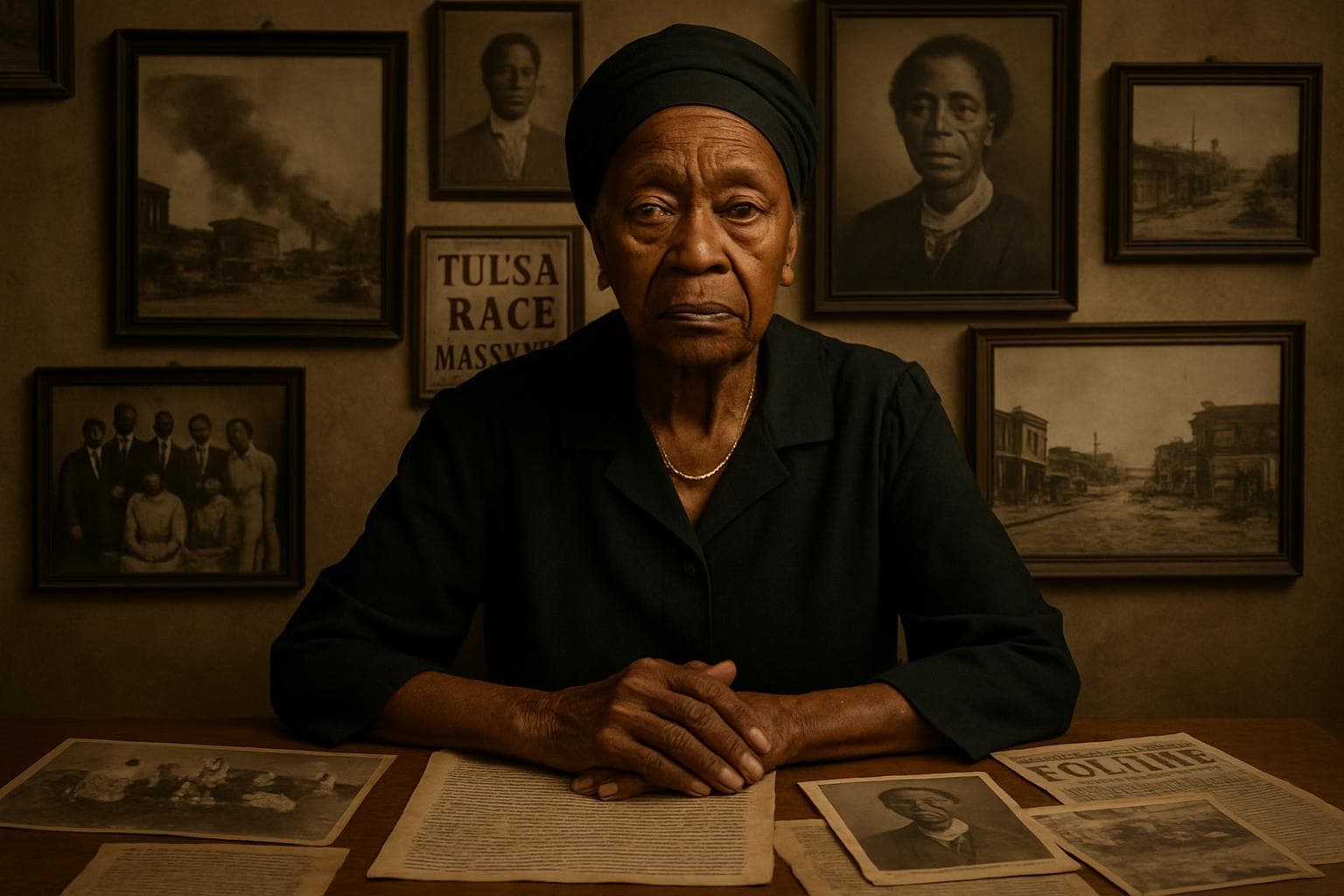
Viola Ford Fletcher, one of the last known survivors of the 1921 Tulsa Race Massacre, passed away at the age of 111, leaving behind a legacy of resilience and advocacy. Her death was announced by Tulsa's Mayor Monroe Nichols, who praised her lifelong dedication to justice and remembrance.
A Legacy of Survival and Advocacy
Born in 1911, Fletcher was only seven years old when the Greenwood District, a prosperous Black community in Tulsa, Oklahoma, was decimated by a white mob. The violence, which erupted on May 31, 1921, was triggered by a sensationalized newspaper report accusing a Black teenager, Dick Rowland, of assaulting a white woman. The ensuing chaos resulted in the deaths of approximately 300 people and the destruction of over 1,200 homes, businesses, and churches.
Fletcher's life was marked by her efforts to seek justice for the massacre's victims. Alongside other survivors, she campaigned tirelessly for official recognition and reparations. Despite their lawsuit being dismissed by the Oklahoma Supreme Court in 2024, Fletcher's advocacy contributed to Tulsa's announcement of a $105 million reparations package earlier this year.
Personal Recollections and Public Testimony
Fletcher's personal accounts of the massacre were both harrowing and poignant. In her 2023 memoir, "Don’t Let Them Bury My Story," she recounted the traumatic events she witnessed, including the sight of bodies in the streets and the destruction of her community. Her testimony before Congress in 2021 further highlighted the enduring impact of the massacre on her life and the lives of other survivors.
A Community's Loss and a Nation's Reflection
Fletcher's passing marks a significant moment in the ongoing narrative of the Tulsa Race Massacre. Mayor Nichols, Tulsa's first Black mayor, emphasized the importance of Fletcher's work in keeping the memory of the massacre alive. "Mother Fletcher endured more than anyone should, yet she spent her life lighting a path forward with purpose," he stated.
Lessie Benningfield Randle, also 111, remains the last known survivor of the massacre, continuing the fight for justice and recognition.
WHAT THIS MIGHT MEAN
The death of Viola Ford Fletcher underscores the urgency of addressing historical racial injustices. With the last survivors of the Tulsa Race Massacre nearing the end of their lives, the focus shifts to ensuring their stories are preserved and their calls for justice are heeded. The $105 million reparations package announced by Tulsa represents a step towards acknowledging and rectifying past wrongs, but its implementation and impact will be closely watched.
Legal and political implications remain significant, as the dismissal of the survivors' lawsuit by the Oklahoma Supreme Court highlights the challenges in achieving legal redress for historical atrocities. The ongoing dialogue around reparations and racial justice in the United States may be influenced by Fletcher's legacy and the broader movement she helped inspire.
Related Articles
Iran Postpones Khamenei Funeral Amid Escalating US-Israeli Strikes
US-Iran Tensions Escalate Amid Renewed Nuclear Talks and Protests
Canada Calls for De-escalation Amid US-Israel Strikes on Iran
Iranian Students Lead Major Protests Amid Rising US-Iran Tensions
Israeli Airstrikes in Lebanon's Bekaa Valley Leave 10 Dead Amid Rising Tensions
US Supreme Court Ruling on Trump's Tariffs Sparks Trade Policy Uncertainty
Viola Ford Fletcher, Tulsa Race Massacre Survivor, Dies at 111
In This Article
 Ethan Brooks| Published
 HIGHLIGHTS
- Viola Ford Fletcher, one of the last survivors of the 1921 Tulsa Race Massacre, has died at the age of 111.
- The massacre, sparked by a false accusation against a Black teenager, resulted in the deaths of an estimated 300 people and the destruction of Greenwood, known as Black Wall Street.
- Fletcher, along with other survivors, campaigned for recognition and reparations, but their lawsuit was dismissed by Oklahoma's Supreme Court in 2024.
- Tulsa announced a $105 million reparations package earlier this year to address the massacre's long-lasting impact.
- Lessie Benningfield Randle, another 111-year-old survivor, remains the last known living witness of the massacre.
Viola Ford Fletcher, one of the last known survivors of the 1921 Tulsa Race Massacre, passed away at the age of 111, leaving behind a legacy of resilience and advocacy. Her death was announced by Tulsa's Mayor Monroe Nichols, who praised her lifelong dedication to justice and remembrance.
A Legacy of Survival and Advocacy
Born in 1911, Fletcher was only seven years old when the Greenwood District, a prosperous Black community in Tulsa, Oklahoma, was decimated by a white mob. The violence, which erupted on May 31, 1921, was triggered by a sensationalized newspaper report accusing a Black teenager, Dick Rowland, of assaulting a white woman. The ensuing chaos resulted in the deaths of approximately 300 people and the destruction of over 1,200 homes, businesses, and churches.
Fletcher's life was marked by her efforts to seek justice for the massacre's victims. Alongside other survivors, she campaigned tirelessly for official recognition and reparations. Despite their lawsuit being dismissed by the Oklahoma Supreme Court in 2024, Fletcher's advocacy contributed to Tulsa's announcement of a $105 million reparations package earlier this year.
Personal Recollections and Public Testimony
Fletcher's personal accounts of the massacre were both harrowing and poignant. In her 2023 memoir, "Don’t Let Them Bury My Story," she recounted the traumatic events she witnessed, including the sight of bodies in the streets and the destruction of her community. Her testimony before Congress in 2021 further highlighted the enduring impact of the massacre on her life and the lives of other survivors.
A Community's Loss and a Nation's Reflection
Fletcher's passing marks a significant moment in the ongoing narrative of the Tulsa Race Massacre. Mayor Nichols, Tulsa's first Black mayor, emphasized the importance of Fletcher's work in keeping the memory of the massacre alive. "Mother Fletcher endured more than anyone should, yet she spent her life lighting a path forward with purpose," he stated.
Lessie Benningfield Randle, also 111, remains the last known survivor of the massacre, continuing the fight for justice and recognition.
WHAT THIS MIGHT MEAN
The death of Viola Ford Fletcher underscores the urgency of addressing historical racial injustices. With the last survivors of the Tulsa Race Massacre nearing the end of their lives, the focus shifts to ensuring their stories are preserved and their calls for justice are heeded. The $105 million reparations package announced by Tulsa represents a step towards acknowledging and rectifying past wrongs, but its implementation and impact will be closely watched.
Legal and political implications remain significant, as the dismissal of the survivors' lawsuit by the Oklahoma Supreme Court highlights the challenges in achieving legal redress for historical atrocities. The ongoing dialogue around reparations and racial justice in the United States may be influenced by Fletcher's legacy and the broader movement she helped inspire.
Related Articles
Iran Postpones Khamenei Funeral Amid Escalating US-Israeli Strikes
US-Iran Tensions Escalate Amid Renewed Nuclear Talks and Protests
Canada Calls for De-escalation Amid US-Israel Strikes on Iran
Iranian Students Lead Major Protests Amid Rising US-Iran Tensions
Israeli Airstrikes in Lebanon's Bekaa Valley Leave 10 Dead Amid Rising Tensions
US Supreme Court Ruling on Trump's Tariffs Sparks Trade Policy Uncertainty