
Walmart Recalls Shrimp Over Radioactive Contamination Concerns
In This Article
HIGHLIGHTS
- Walmart has recalled frozen shrimp in 13 US states due to potential radioactive contamination with Cesium-137.
- The FDA detected the radioactive isotope in shipping containers and a sample of breaded shrimp from Indonesia.
- Consumers are advised to discard affected products or return them to Walmart for a refund.
- The contamination poses a low health risk, but prolonged exposure could increase cancer risk.
- The recall affects Great Value brand shrimp with specific lot codes and best-by dates.
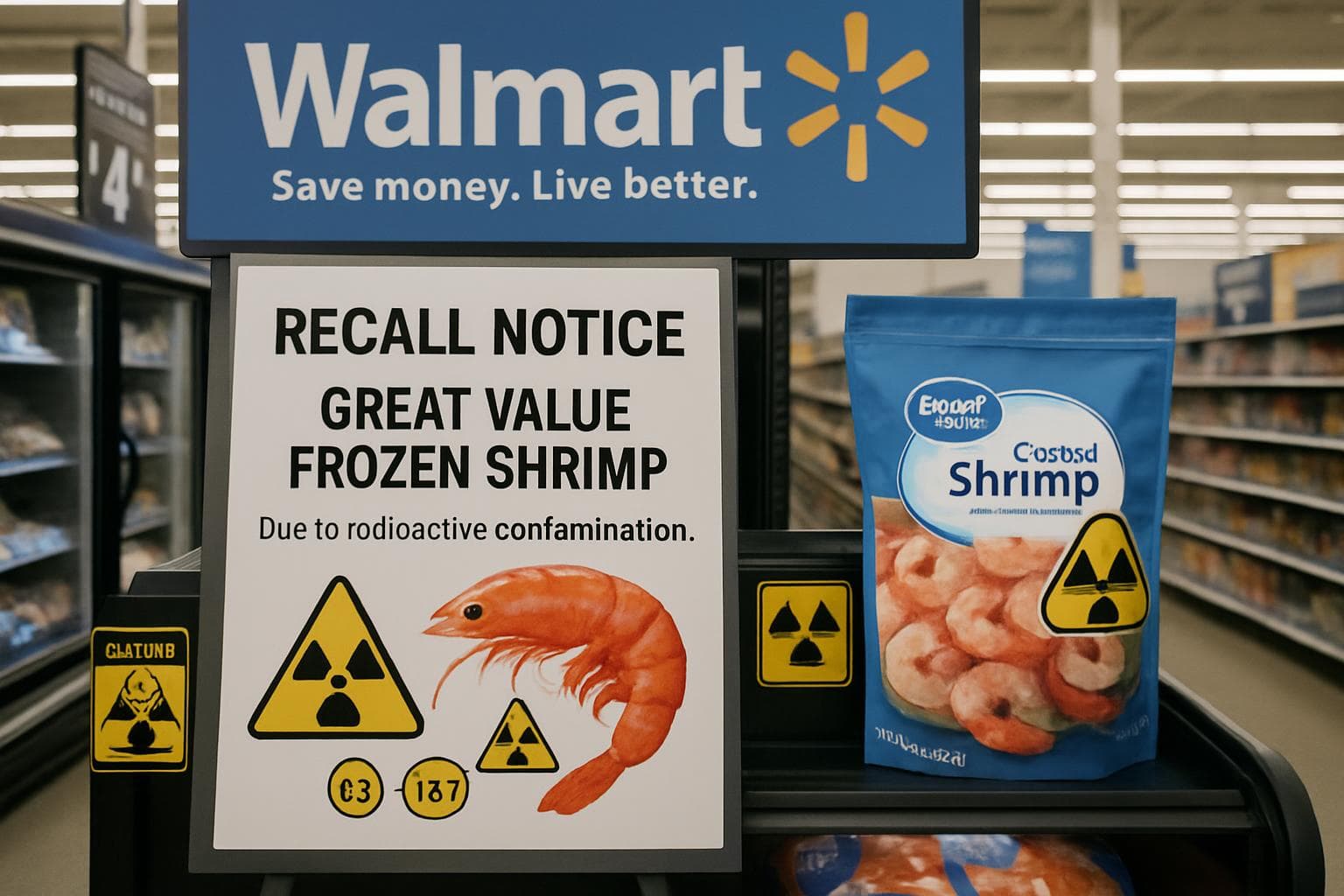
Walmart has initiated a recall of its Great Value brand frozen shrimp across 13 US states following the detection of a radioactive isotope, Cesium-137, in a shipment from Indonesia. The US Food and Drug Administration (FDA) issued a warning after finding the isotope in shipping containers and a sample of breaded shrimp, prompting the retail giant to remove the products from its shelves.
FDA Investigation and Consumer Advisory
The FDA's investigation revealed that the contaminated shrimp, imported by PT Bahari Makmur Sejati, also known as BMS Foods, was sold in states including Alabama, Florida, and Texas. Although the detected levels of Cesium-137 were below FDA intervention thresholds, the agency cautioned that long-term exposure could pose health risks, such as an increased chance of cancer. Consumers who purchased the affected shrimp are urged to discard them or seek a refund at any Walmart store.
Details of the Recall
The recall specifically targets three lots of Great Value frozen raw shrimp, identified by lot codes 8005540-1, 8005538-1, and 8005539-1, with best-by dates of March 15, 2027. A Walmart spokesperson emphasized the company's commitment to customer safety, stating, "We have issued a sales restriction and removed this product from our impacted stores. We are working with the supplier to investigate."
Health Implications and Expert Opinions
Cesium-137, a byproduct of nuclear reactions, is commonly found in trace amounts globally. While the immediate risk from the recalled shrimp is considered low, experts like Donald Schaffner, a food safety specialist at Rutgers University, advise caution. "Avoiding potentially contaminated products can reduce exposure to low-level radiation," Schaffner noted.
WHAT THIS MIGHT MEAN
The recall highlights the ongoing challenges in monitoring and ensuring the safety of imported food products. As the FDA continues its investigation, it may lead to stricter import regulations and increased scrutiny of seafood shipments. This incident could also prompt retailers to enhance their supply chain checks to prevent similar occurrences. In the long term, consumer confidence in imported seafood might be affected, potentially influencing purchasing behaviors and market dynamics.
Related Articles

Google Faces Legal Battle Over AI Chatbot's Alleged Role in Tragic Death
China Sets Lowest GDP Growth Target in Decades Amid Economic Challenges

Cuba Faces Widespread Blackout Amid Deepening Fuel Crisis

UK Faces Dilemmas Amid Iran Conflict and China Spying Allegations

Iran Postpones Khamenei Funeral Amid Escalating US-Israeli Strikes

James Talarico Secures Democratic Nomination in Texas Senate Race Amidst Republican Runoff
Walmart Recalls Shrimp Over Radioactive Contamination Concerns
In This Article
 Aya Nakamura| Published
 HIGHLIGHTS
- Walmart has recalled frozen shrimp in 13 US states due to potential radioactive contamination with Cesium-137.
- The FDA detected the radioactive isotope in shipping containers and a sample of breaded shrimp from Indonesia.
- Consumers are advised to discard affected products or return them to Walmart for a refund.
- The contamination poses a low health risk, but prolonged exposure could increase cancer risk.
- The recall affects Great Value brand shrimp with specific lot codes and best-by dates.
Walmart has initiated a recall of its Great Value brand frozen shrimp across 13 US states following the detection of a radioactive isotope, Cesium-137, in a shipment from Indonesia. The US Food and Drug Administration (FDA) issued a warning after finding the isotope in shipping containers and a sample of breaded shrimp, prompting the retail giant to remove the products from its shelves.
FDA Investigation and Consumer Advisory
The FDA's investigation revealed that the contaminated shrimp, imported by PT Bahari Makmur Sejati, also known as BMS Foods, was sold in states including Alabama, Florida, and Texas. Although the detected levels of Cesium-137 were below FDA intervention thresholds, the agency cautioned that long-term exposure could pose health risks, such as an increased chance of cancer. Consumers who purchased the affected shrimp are urged to discard them or seek a refund at any Walmart store.
Details of the Recall
The recall specifically targets three lots of Great Value frozen raw shrimp, identified by lot codes 8005540-1, 8005538-1, and 8005539-1, with best-by dates of March 15, 2027. A Walmart spokesperson emphasized the company's commitment to customer safety, stating, "We have issued a sales restriction and removed this product from our impacted stores. We are working with the supplier to investigate."
Health Implications and Expert Opinions
Cesium-137, a byproduct of nuclear reactions, is commonly found in trace amounts globally. While the immediate risk from the recalled shrimp is considered low, experts like Donald Schaffner, a food safety specialist at Rutgers University, advise caution. "Avoiding potentially contaminated products can reduce exposure to low-level radiation," Schaffner noted.
WHAT THIS MIGHT MEAN
The recall highlights the ongoing challenges in monitoring and ensuring the safety of imported food products. As the FDA continues its investigation, it may lead to stricter import regulations and increased scrutiny of seafood shipments. This incident could also prompt retailers to enhance their supply chain checks to prevent similar occurrences. In the long term, consumer confidence in imported seafood might be affected, potentially influencing purchasing behaviors and market dynamics.
Related Articles
Google Faces Legal Battle Over AI Chatbot's Alleged Role in Tragic Death
China Sets Lowest GDP Growth Target in Decades Amid Economic Challenges
Cuba Faces Widespread Blackout Amid Deepening Fuel Crisis
UK Faces Dilemmas Amid Iran Conflict and China Spying Allegations
Iran Postpones Khamenei Funeral Amid Escalating US-Israeli Strikes
James Talarico Secures Democratic Nomination in Texas Senate Race Amidst Republican Runoff