
Water Crisis and Policy Challenges: Hosepipe Bans and Executive Bonuses Under Scrutiny

In This Article
HIGHLIGHTS
- Thames Water and Southern Water have announced hosepipe bans affecting over two million people due to prolonged dry weather and increased demand.
- Two fathers are seeking a judicial review to challenge the legality of current smartphone policies in schools, arguing they are unsafe.
- Labour's Water (Special Measures) Act 2025 aims to ban bonuses for water company executives responsible for pollution, but enforcement challenges have emerged.
- Thames Water faced scrutiny for paying £2.46m in bonuses despite the ban, citing competitive pressures to retain staff.
- A public baptism event in Bournemouth saw 92 people baptized, highlighting community engagement and faith.
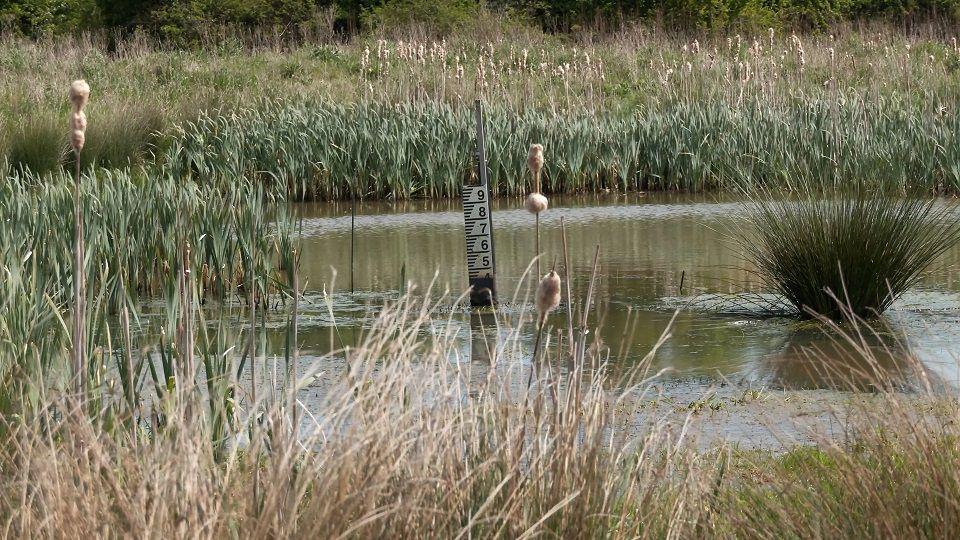
In response to a severe water shortage, Thames Water and Southern Water have implemented hosepipe bans affecting over two million residents across several counties in England. The bans, which prohibit the use of hosepipes for activities such as gardening and car washing, come as a result of prolonged dry weather and increased water demand. Thames Water's ban, impacting 1.1 million people, took effect on Tuesday across Gloucestershire, Oxfordshire, Berkshire, and Wiltshire. Southern Water's restrictions, affecting nearly one million customers, began on Monday in Hampshire and the Isle of Wight. Tim McMahon, Southern Water's managing director, emphasized the need for collective action to ensure water availability for both customers and the environment.
Meanwhile, a legal challenge is brewing over smartphone use in schools. Will Orr-Ewing and Pete Montgomery are pursuing a judicial review of government guidance, arguing that allowing headteachers to decide on smartphone policies is unlawful and unsafe for children. The Department for Education maintains that schools have the authority to ban phones and is enhancing protections through the Online Safety Act.
In a related environmental policy development, Labour's Water (Special Measures) Act 2025 seeks to curb bonuses for water company executives linked to pollution incidents. The legislation, a key part of Labour's election campaign, aims to prevent performance-related payments to executives of firms that repeatedly pollute waterways. However, enforcement has proven challenging. Thames Water, one of the companies affected, faced criticism for paying £2.46 million in bonuses to 21 managers despite the ban. The company defended the payments, citing the need to retain talent in a competitive market. Environment Secretary Steve Reed accused Thames Water of attempting to circumvent the ban by rebranding bonuses.
In a lighter community event, 92 individuals were baptized in the sea during a public ceremony in Bournemouth, organized by five local churches. The event, described as a celebration of faith, brought together congregations to publicly affirm their beliefs.
WHAT THIS MIGHT MEAN
The hosepipe bans highlight the urgent need for sustainable water management strategies as climate change exacerbates weather extremes. If dry conditions persist, further restrictions and infrastructure investments may be necessary to secure water supplies. The judicial review on smartphone policies could lead to stricter regulations in schools, potentially influencing educational practices nationwide.
Labour's Water (Special Measures) Act 2025 faces a critical test in its enforcement. The ongoing scrutiny of Thames Water's bonus payments underscores the complexities of balancing regulatory compliance with business needs. Future developments may include tighter oversight and potential amendments to the legislation to close loopholes and ensure accountability. The public baptism event reflects a growing trend of community engagement and could inspire similar initiatives across the UK, fostering a sense of unity and shared purpose.
Images from the Web


Related Articles

UK Government Eases Deer Culling to Protect Woodlands and Farmland
Government U-turn Forces Local Elections in Lancashire and Essex Amid Reorganisation Plans

UK SEND Education Reforms: New Funding, Infrastructure Proposals, and Potential Backlash
UK Government's SEND Reforms Spark Debate Over Funding and Accessibility

UK Reinforces Military Presence in Cyprus Amid Middle East Tensions

Saharan Dust to Illuminate UK Skies with Vivid Sunrises and Sunsets
Water Crisis and Policy Challenges: Hosepipe Bans and Executive Bonuses Under Scrutiny
In This Article
 Leila Hassan| Published
 HIGHLIGHTS
- Thames Water and Southern Water have announced hosepipe bans affecting over two million people due to prolonged dry weather and increased demand.
- Two fathers are seeking a judicial review to challenge the legality of current smartphone policies in schools, arguing they are unsafe.
- Labour's Water (Special Measures) Act 2025 aims to ban bonuses for water company executives responsible for pollution, but enforcement challenges have emerged.
- Thames Water faced scrutiny for paying £2.46m in bonuses despite the ban, citing competitive pressures to retain staff.
- A public baptism event in Bournemouth saw 92 people baptized, highlighting community engagement and faith.
In response to a severe water shortage, Thames Water and Southern Water have implemented hosepipe bans affecting over two million residents across several counties in England. The bans, which prohibit the use of hosepipes for activities such as gardening and car washing, come as a result of prolonged dry weather and increased water demand. Thames Water's ban, impacting 1.1 million people, took effect on Tuesday across Gloucestershire, Oxfordshire, Berkshire, and Wiltshire. Southern Water's restrictions, affecting nearly one million customers, began on Monday in Hampshire and the Isle of Wight. Tim McMahon, Southern Water's managing director, emphasized the need for collective action to ensure water availability for both customers and the environment.
Meanwhile, a legal challenge is brewing over smartphone use in schools. Will Orr-Ewing and Pete Montgomery are pursuing a judicial review of government guidance, arguing that allowing headteachers to decide on smartphone policies is unlawful and unsafe for children. The Department for Education maintains that schools have the authority to ban phones and is enhancing protections through the Online Safety Act.
In a related environmental policy development, Labour's Water (Special Measures) Act 2025 seeks to curb bonuses for water company executives linked to pollution incidents. The legislation, a key part of Labour's election campaign, aims to prevent performance-related payments to executives of firms that repeatedly pollute waterways. However, enforcement has proven challenging. Thames Water, one of the companies affected, faced criticism for paying £2.46 million in bonuses to 21 managers despite the ban. The company defended the payments, citing the need to retain talent in a competitive market. Environment Secretary Steve Reed accused Thames Water of attempting to circumvent the ban by rebranding bonuses.
In a lighter community event, 92 individuals were baptized in the sea during a public ceremony in Bournemouth, organized by five local churches. The event, described as a celebration of faith, brought together congregations to publicly affirm their beliefs.
WHAT THIS MIGHT MEAN
The hosepipe bans highlight the urgent need for sustainable water management strategies as climate change exacerbates weather extremes. If dry conditions persist, further restrictions and infrastructure investments may be necessary to secure water supplies. The judicial review on smartphone policies could lead to stricter regulations in schools, potentially influencing educational practices nationwide.
Labour's Water (Special Measures) Act 2025 faces a critical test in its enforcement. The ongoing scrutiny of Thames Water's bonus payments underscores the complexities of balancing regulatory compliance with business needs. Future developments may include tighter oversight and potential amendments to the legislation to close loopholes and ensure accountability. The public baptism event reflects a growing trend of community engagement and could inspire similar initiatives across the UK, fostering a sense of unity and shared purpose.
Images from the Web
Related Articles
UK Government Eases Deer Culling to Protect Woodlands and Farmland
Government U-turn Forces Local Elections in Lancashire and Essex Amid Reorganisation Plans
UK SEND Education Reforms: New Funding, Infrastructure Proposals, and Potential Backlash
UK Government's SEND Reforms Spark Debate Over Funding and Accessibility
UK Reinforces Military Presence in Cyprus Amid Middle East Tensions
Saharan Dust to Illuminate UK Skies with Vivid Sunrises and Sunsets