
White House Hosts High-Stakes Ukraine Peace Talks Amid Shifting US Policy
In This Article
HIGHLIGHTS
- World leaders gathered at the White House for crucial talks on the ongoing Russia-Ukraine conflict.
- President Trump has proposed a meeting between Vladimir Putin and Volodymyr Zelenskyy, followed by a trilateral discussion including himself.
- Trump has shifted his stance, now opposing a ceasefire and suggesting Ukraine forgo Nato membership and concede Crimea.
- European countries may provide security guarantees for Ukraine, with the US overseeing the arrangement.
- Trump announced plans to end mail-in voting, citing concerns over election integrity.
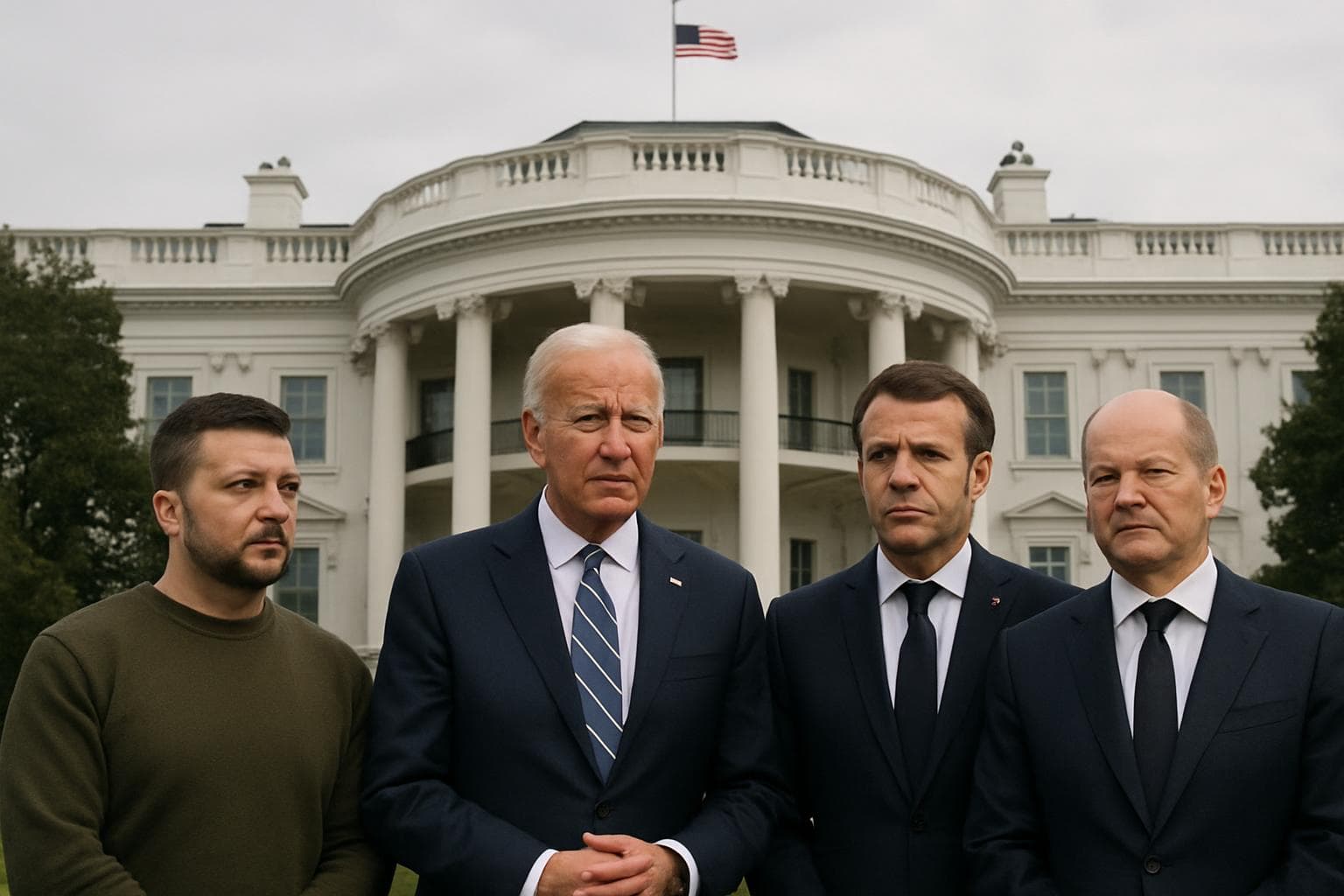
In a significant diplomatic gathering, world leaders convened at the White House to discuss the protracted conflict between Russia and Ukraine. The meeting, initially planned as a bilateral discussion between US President Donald Trump and Ukrainian President Volodymyr Zelenskyy, evolved into a broader summit with leaders from the UK, France, Germany, Italy, Finland, the EU, and Nato in attendance. The talks underscore the heightened stakes and European concerns over a perceived shift in US policy less favorable to Ukraine.
Trump's Diplomatic Maneuvers
President Trump announced plans for a face-to-face meeting between Russian President Vladimir Putin and Zelenskyy, followed by a trilateral discussion including himself. Writing on his Truth Social platform, Trump described this as a "very good, early step" towards resolving the nearly four-year-old conflict. Despite previously warning Russia of severe consequences if fighting continued, Trump has now ruled out a ceasefire, suggesting instead that Ukraine should abandon its Nato membership aspirations and concede Crimea, annexed by Russia in 2014.
Security Guarantees and European Involvement
During the talks, Trump indicated that European countries might provide security guarantees for Ukraine, with the US playing a coordinating role. This proposal comes as a response to European demands for a more committed US stance on Ukraine's future security. However, the specifics of these guarantees remain unclear, leaving Zelenskyy in a challenging position as he navigates the demands of both the US and Russia.
Domestic Political Moves
In a separate announcement, Trump revealed plans to draft an executive order to eliminate mail-in voting, citing concerns over election integrity. This move follows comments from Putin suggesting that US elections were compromised by postal ballots. The proposed order is part of a broader strategy to address what Trump perceives as vulnerabilities in the electoral process.
WHAT THIS MIGHT MEAN
The outcome of these high-stakes talks could significantly alter the trajectory of the Russia-Ukraine conflict. If Trump succeeds in facilitating a meeting between Putin and Zelenskyy, it could pave the way for a diplomatic resolution. However, the absence of a ceasefire and the contentious issue of Crimea's status may complicate negotiations. European security guarantees could provide a framework for peace, but their effectiveness will depend on the specifics and enforcement of these assurances.
Domestically, Trump's push to end mail-in voting could ignite further political debate and legal challenges, especially as the US approaches another election cycle. The implications of these moves will likely reverberate through both international diplomacy and domestic politics, shaping the geopolitical landscape in the months to come.
Related Articles
Spain's Sánchez Stands Firm Against Trump's Trade Threat Over Iran Stance
Russian LNG Tanker Sinks in Mediterranean Amid Accusations of Ukrainian Drone Attack
Senate Blocks Resolution to Limit Trump's Military Actions in Iran
UK-Iran Tensions: Starmer Defends Cautious Approach Amid Trump Criticism

Iran Postpones Khamenei Funeral Amid Escalating US-Israeli Strikes

Tech Giants Pledge to Cover AI Data Center Energy Costs Amid Rising Electricity Concerns
White House Hosts High-Stakes Ukraine Peace Talks Amid Shifting US Policy
In This Article
 Ethan Brooks| Published
 HIGHLIGHTS
- World leaders gathered at the White House for crucial talks on the ongoing Russia-Ukraine conflict.
- President Trump has proposed a meeting between Vladimir Putin and Volodymyr Zelenskyy, followed by a trilateral discussion including himself.
- Trump has shifted his stance, now opposing a ceasefire and suggesting Ukraine forgo Nato membership and concede Crimea.
- European countries may provide security guarantees for Ukraine, with the US overseeing the arrangement.
- Trump announced plans to end mail-in voting, citing concerns over election integrity.
In a significant diplomatic gathering, world leaders convened at the White House to discuss the protracted conflict between Russia and Ukraine. The meeting, initially planned as a bilateral discussion between US President Donald Trump and Ukrainian President Volodymyr Zelenskyy, evolved into a broader summit with leaders from the UK, France, Germany, Italy, Finland, the EU, and Nato in attendance. The talks underscore the heightened stakes and European concerns over a perceived shift in US policy less favorable to Ukraine.
Trump's Diplomatic Maneuvers
President Trump announced plans for a face-to-face meeting between Russian President Vladimir Putin and Zelenskyy, followed by a trilateral discussion including himself. Writing on his Truth Social platform, Trump described this as a "very good, early step" towards resolving the nearly four-year-old conflict. Despite previously warning Russia of severe consequences if fighting continued, Trump has now ruled out a ceasefire, suggesting instead that Ukraine should abandon its Nato membership aspirations and concede Crimea, annexed by Russia in 2014.
Security Guarantees and European Involvement
During the talks, Trump indicated that European countries might provide security guarantees for Ukraine, with the US playing a coordinating role. This proposal comes as a response to European demands for a more committed US stance on Ukraine's future security. However, the specifics of these guarantees remain unclear, leaving Zelenskyy in a challenging position as he navigates the demands of both the US and Russia.
Domestic Political Moves
In a separate announcement, Trump revealed plans to draft an executive order to eliminate mail-in voting, citing concerns over election integrity. This move follows comments from Putin suggesting that US elections were compromised by postal ballots. The proposed order is part of a broader strategy to address what Trump perceives as vulnerabilities in the electoral process.
WHAT THIS MIGHT MEAN
The outcome of these high-stakes talks could significantly alter the trajectory of the Russia-Ukraine conflict. If Trump succeeds in facilitating a meeting between Putin and Zelenskyy, it could pave the way for a diplomatic resolution. However, the absence of a ceasefire and the contentious issue of Crimea's status may complicate negotiations. European security guarantees could provide a framework for peace, but their effectiveness will depend on the specifics and enforcement of these assurances.
Domestically, Trump's push to end mail-in voting could ignite further political debate and legal challenges, especially as the US approaches another election cycle. The implications of these moves will likely reverberate through both international diplomacy and domestic politics, shaping the geopolitical landscape in the months to come.
Related Articles
Spain's Sánchez Stands Firm Against Trump's Trade Threat Over Iran Stance
Russian LNG Tanker Sinks in Mediterranean Amid Accusations of Ukrainian Drone Attack
Senate Blocks Resolution to Limit Trump's Military Actions in Iran
UK-Iran Tensions: Starmer Defends Cautious Approach Amid Trump Criticism
Iran Postpones Khamenei Funeral Amid Escalating US-Israeli Strikes
Tech Giants Pledge to Cover AI Data Center Energy Costs Amid Rising Electricity Concerns