
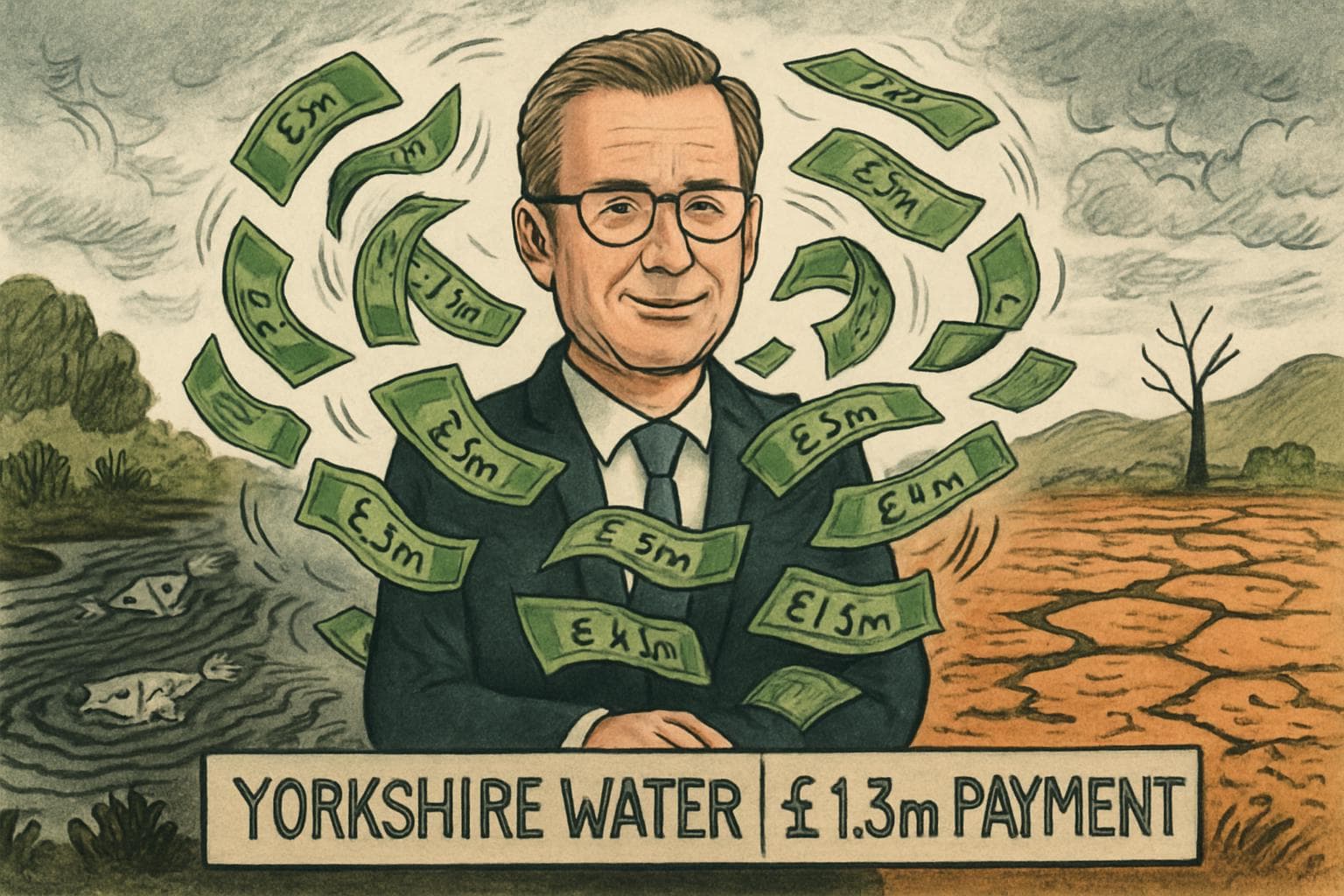
Yorkshire Water CEO's £1.3m Payment Under Regulatory Scrutiny Amid Pollution Fines
In This Article
HIGHLIGHTS
- Yorkshire Water's CEO, Nicola Shaw, received £1.3m from its parent company, Kelda Holdings, between 2023 and 2025.
- The payments are under scrutiny by Ofwat to ensure compliance with rules banning bonuses for water company executives.
- Yorkshire Water has faced significant fines for pollution, including a £40m penalty from Ofwat for wastewater management failures.
- The company introduced a hosepipe ban in July due to low reservoir levels following hot and dry weather.
- Government and regulatory bodies are examining the legality of the payments, which were not disclosed in Yorkshire Water's annual report.
Yorkshire Water is facing increased scrutiny over £1.3 million in payments made to its chief executive, Nicola Shaw, by its offshore parent company, Kelda Holdings. This development comes as the company grapples with significant environmental fines and public criticism over its handling of water resources.
Payments Under Investigation
The payments, made between April 2023 and March 2025, have drawn the attention of Ofwat, the water regulator for England and Wales. The regulator is assessing whether these payments comply with recent rules prohibiting bonuses for executives of water companies implicated in environmental pollution. A spokesperson for Yorkshire Water stated that the payments were for Shaw's work with Kelda Holdings, covering investor engagement and financial oversight, and were funded by shareholders, not customers.
Environmental Challenges and Public Backlash
Yorkshire Water has been under fire for its environmental record, having been fined £40 million by Ofwat for wastewater management failures. The company was found to have discharged untreated wastewater into rivers for an average of seven hours daily in 2023. Additionally, the company faced a £900,000 fine for polluting a watercourse with chlorinated water, resulting in significant aquatic life loss.
Hosepipe Ban and Public Concerns
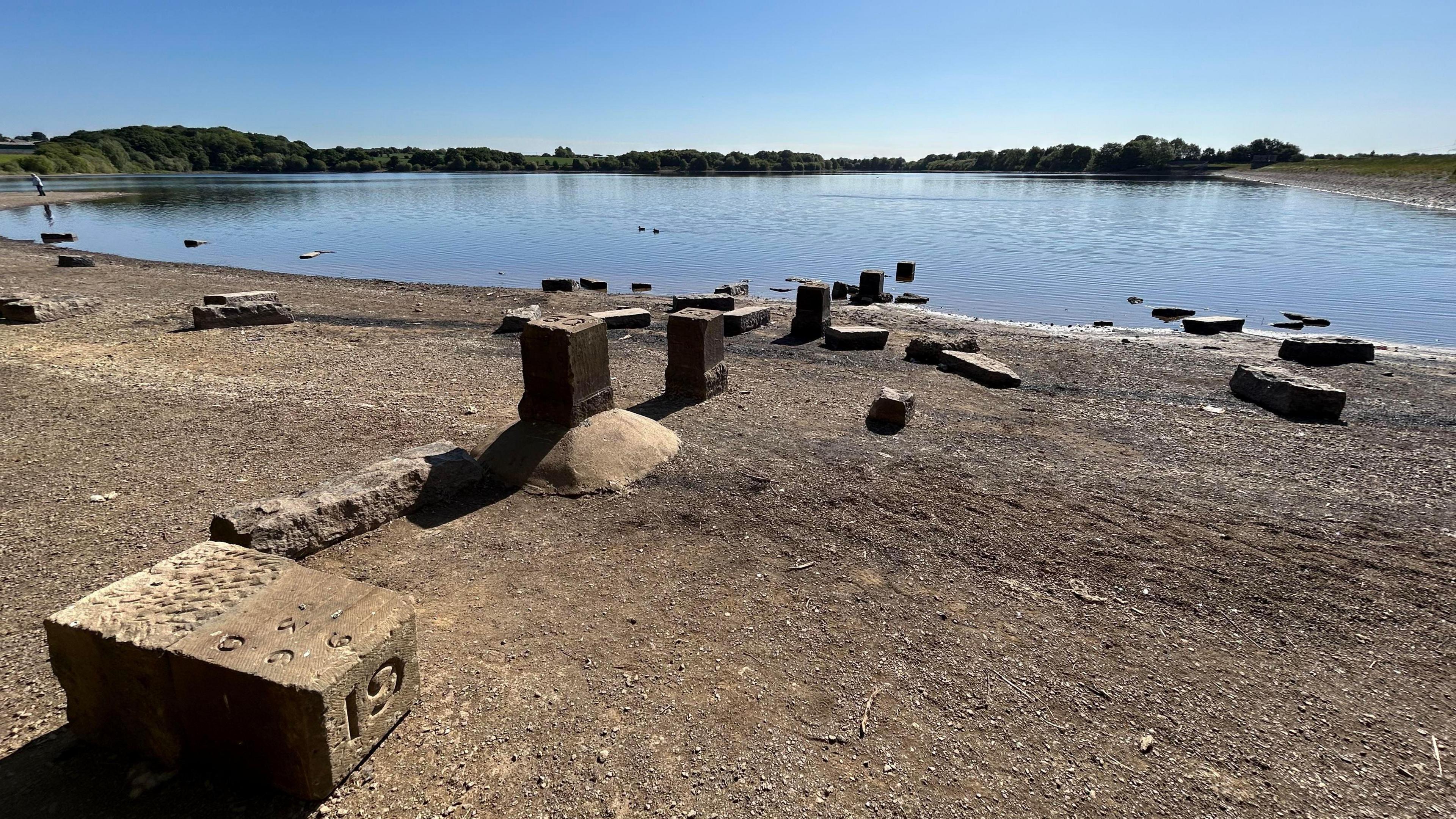
In response to a prolonged period of hot and dry weather, Yorkshire Water implemented a hosepipe ban in July, affecting millions of users. The ban was introduced as reservoir levels dropped significantly, exacerbating public frustration over the company's environmental management.
Government and Regulatory Response
The Department for the Environment, Food and Rural Affairs has expressed concern over the payments, emphasizing the government's commitment to preventing companies from circumventing bonus bans. While Ofwat's investigation continues, there is speculation that the payments may not breach regulations, as they are not performance-related. However, the use of offshore structures by water companies remains a contentious issue.
WHAT THIS MIGHT MEAN
As Ofwat continues its investigation, the outcome could set a precedent for how executive pay is managed in the water industry, particularly concerning offshore parent companies. If the payments are found to contravene regulations, it could lead to stricter enforcement and potential clawbacks. Additionally, the ongoing scrutiny may prompt water companies to reevaluate their corporate structures and transparency practices. Public and governmental pressure could also lead to more stringent environmental regulations, further impacting how water companies operate and manage their resources.
Images from the Web

Related Articles

UK Government Eases Deer Culling to Protect Woodlands and Farmland

Saharan Dust to Illuminate UK Skies with Vivid Sunrises and Sunsets
Prince William Calls for Action on UK Male Suicide Rates

Sisters Tragically Drown at Eryri National Park's Watkin Path

Labour MP's Husband Arrested in UK-China Espionage Probe

Police Federation Chief Arrested Amid Fraud Investigation
Yorkshire Water CEO's £1.3m Payment Under Regulatory Scrutiny Amid Pollution Fines
In This Article
 Leila Hassan| Published
 HIGHLIGHTS
- Yorkshire Water's CEO, Nicola Shaw, received £1.3m from its parent company, Kelda Holdings, between 2023 and 2025.
- The payments are under scrutiny by Ofwat to ensure compliance with rules banning bonuses for water company executives.
- Yorkshire Water has faced significant fines for pollution, including a £40m penalty from Ofwat for wastewater management failures.
- The company introduced a hosepipe ban in July due to low reservoir levels following hot and dry weather.
- Government and regulatory bodies are examining the legality of the payments, which were not disclosed in Yorkshire Water's annual report.
Yorkshire Water is facing increased scrutiny over £1.3 million in payments made to its chief executive, Nicola Shaw, by its offshore parent company, Kelda Holdings. This development comes as the company grapples with significant environmental fines and public criticism over its handling of water resources.
Payments Under Investigation
The payments, made between April 2023 and March 2025, have drawn the attention of Ofwat, the water regulator for England and Wales. The regulator is assessing whether these payments comply with recent rules prohibiting bonuses for executives of water companies implicated in environmental pollution. A spokesperson for Yorkshire Water stated that the payments were for Shaw's work with Kelda Holdings, covering investor engagement and financial oversight, and were funded by shareholders, not customers.
Environmental Challenges and Public Backlash
Yorkshire Water has been under fire for its environmental record, having been fined £40 million by Ofwat for wastewater management failures. The company was found to have discharged untreated wastewater into rivers for an average of seven hours daily in 2023. Additionally, the company faced a £900,000 fine for polluting a watercourse with chlorinated water, resulting in significant aquatic life loss.
Hosepipe Ban and Public Concerns
In response to a prolonged period of hot and dry weather, Yorkshire Water implemented a hosepipe ban in July, affecting millions of users. The ban was introduced as reservoir levels dropped significantly, exacerbating public frustration over the company's environmental management.
Government and Regulatory Response
The Department for the Environment, Food and Rural Affairs has expressed concern over the payments, emphasizing the government's commitment to preventing companies from circumventing bonus bans. While Ofwat's investigation continues, there is speculation that the payments may not breach regulations, as they are not performance-related. However, the use of offshore structures by water companies remains a contentious issue.
WHAT THIS MIGHT MEAN
As Ofwat continues its investigation, the outcome could set a precedent for how executive pay is managed in the water industry, particularly concerning offshore parent companies. If the payments are found to contravene regulations, it could lead to stricter enforcement and potential clawbacks. Additionally, the ongoing scrutiny may prompt water companies to reevaluate their corporate structures and transparency practices. Public and governmental pressure could also lead to more stringent environmental regulations, further impacting how water companies operate and manage their resources.
Images from the Web
Related Articles
UK Government Eases Deer Culling to Protect Woodlands and Farmland
Saharan Dust to Illuminate UK Skies with Vivid Sunrises and Sunsets
Prince William Calls for Action on UK Male Suicide Rates
Sisters Tragically Drown at Eryri National Park's Watkin Path
Labour MP's Husband Arrested in UK-China Espionage Probe
Police Federation Chief Arrested Amid Fraud Investigation