
Zelensky Optimistic After US Talks as Ukraine Strikes Russian Oil Refinery
In This Article
HIGHLIGHTS
- Ukrainian President Volodymyr Zelensky praised discussions with US envoys, highlighting new ideas for peace in the Russia-Ukraine conflict.
- Ukraine's military used British Storm Shadow missiles to strike a Russian oil refinery, a key supplier to Russia's armed forces.
- A 20-point peace plan, updated by US and Ukrainian envoys, includes potential troop withdrawals and security guarantees.
- Russian activist Sergei Udaltsov was sentenced to six years for justifying terrorism, a charge he claims is fabricated.
- The Kremlin is negotiating with France over the fate of French scholar Laurent Vinatier, convicted of espionage in Russia.
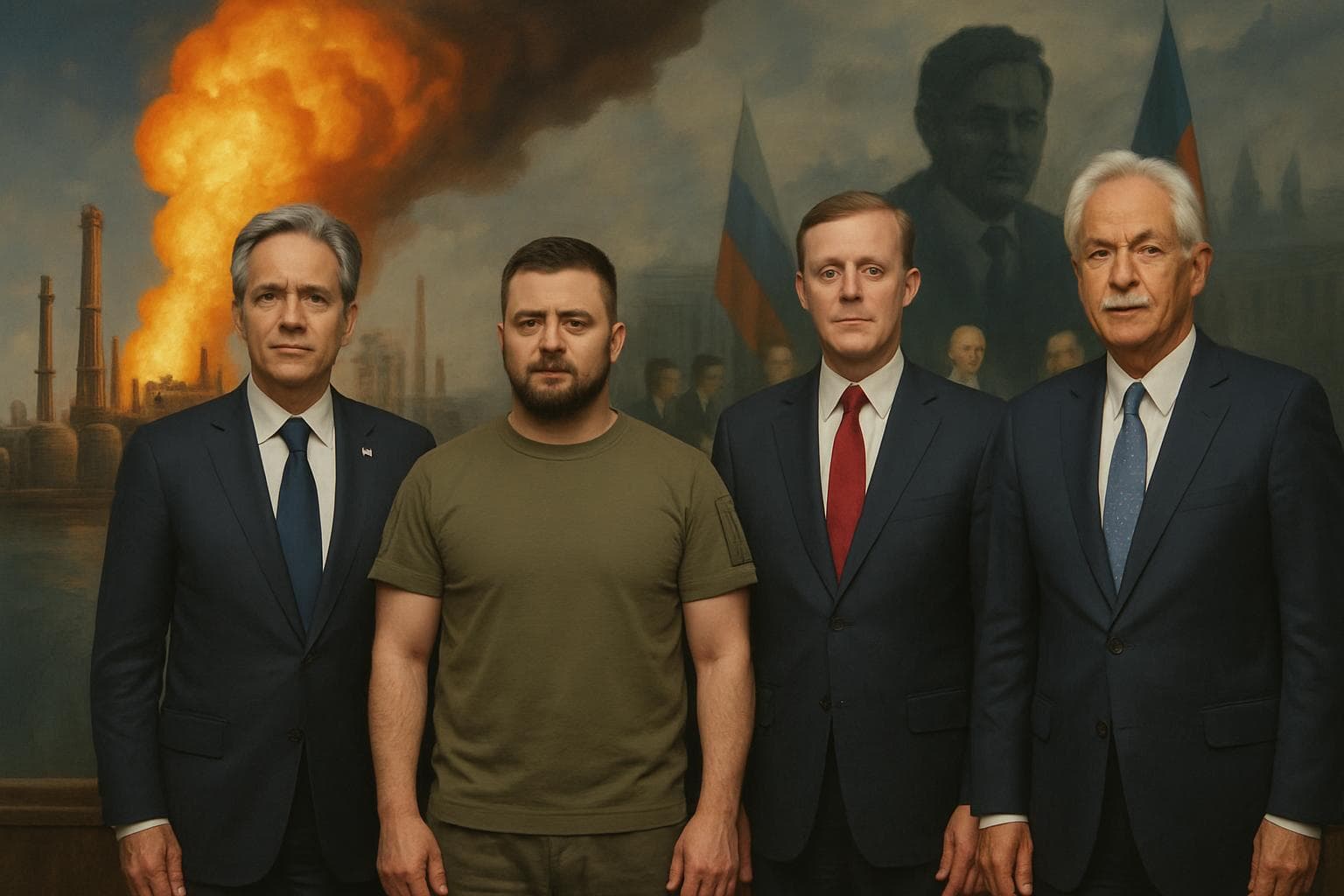
Ukrainian President Volodymyr Zelensky has expressed optimism following discussions with US envoys Steve Witkoff and Jared Kushner, focusing on new strategies to end the ongoing Russia-Ukraine conflict. The talks, which lasted nearly an hour, were described by Zelensky as productive, yielding "new ideas in terms of formats, meetings, and timing" to advance peace efforts.
The discussions come on the heels of an updated 20-point peace plan, collaboratively developed by US and Ukrainian officials. This plan, seen as a revision of an earlier draft, proposes the withdrawal of Ukrainian troops from the eastern regions and the establishment of a demilitarized zone. It also includes security guarantees from the US, NATO, and European allies to deter future Russian aggression.
Meanwhile, Ukraine's military has intensified its operations, employing British Storm Shadow missiles to target the Novoshakhtinsk oil refinery in Russia. The refinery is a significant supplier of fuel to the Russian military, and its destruction marks a strategic blow to Russia's logistical capabilities.
In Russia, political tensions remain high as Sergei Udaltsov, a pro-war activist and critic of President Vladimir Putin, was sentenced to six years in prison for justifying terrorism. Udaltsov, who leads the Left Front movement, has denounced the charges as baseless and announced a hunger strike in protest.
Additionally, diplomatic negotiations are underway between Russia and France concerning Laurent Vinatier, a French scholar convicted of espionage in Moscow. The Kremlin has made an offer to France regarding Vinatier's situation, with French President Emmanuel Macron closely monitoring developments.
WHAT THIS MIGHT MEAN
The recent talks between Ukraine and US envoys could signal a pivotal shift in the Russia-Ukraine conflict, potentially paving the way for a diplomatic resolution. However, the success of these efforts hinges on Russia's willingness to engage constructively with the proposed peace plan. The military strike on the Russian oil refinery underscores Ukraine's strategic resolve, which may influence Russia's calculations.
The sentencing of Sergei Udaltsov highlights the Kremlin's ongoing crackdown on dissent, which could further strain Russia's internal political climate. Meanwhile, the diplomatic negotiations over Laurent Vinatier's fate may test France-Russia relations, potentially impacting broader geopolitical dynamics.
As these developments unfold, the international community will be closely watching for signs of progress or escalation, with the potential for significant implications on regional stability and global diplomatic relations.
Related Articles
Russian LNG Tanker Sinks in Mediterranean Amid Accusations of Ukrainian Drone Attack

US-Iran Tensions Escalate Amid Renewed Nuclear Talks and Protests

Russia-Ukraine Conflict: Four Years of Unyielding Struggle and Human Resilience
Spain's Sánchez Stands Firm Against Trump's Trade Threat Over Iran Stance
Iran Postpones Khamenei Funeral Amid Escalating US-Israeli Strikes
UK-Iran Tensions: Starmer Defends Cautious Approach Amid Trump Criticism
Zelensky Optimistic After US Talks as Ukraine Strikes Russian Oil Refinery
In This Article
 Ethan Brooks| Published
 HIGHLIGHTS
- Ukrainian President Volodymyr Zelensky praised discussions with US envoys, highlighting new ideas for peace in the Russia-Ukraine conflict.
- Ukraine's military used British Storm Shadow missiles to strike a Russian oil refinery, a key supplier to Russia's armed forces.
- A 20-point peace plan, updated by US and Ukrainian envoys, includes potential troop withdrawals and security guarantees.
- Russian activist Sergei Udaltsov was sentenced to six years for justifying terrorism, a charge he claims is fabricated.
- The Kremlin is negotiating with France over the fate of French scholar Laurent Vinatier, convicted of espionage in Russia.
Ukrainian President Volodymyr Zelensky has expressed optimism following discussions with US envoys Steve Witkoff and Jared Kushner, focusing on new strategies to end the ongoing Russia-Ukraine conflict. The talks, which lasted nearly an hour, were described by Zelensky as productive, yielding "new ideas in terms of formats, meetings, and timing" to advance peace efforts.
The discussions come on the heels of an updated 20-point peace plan, collaboratively developed by US and Ukrainian officials. This plan, seen as a revision of an earlier draft, proposes the withdrawal of Ukrainian troops from the eastern regions and the establishment of a demilitarized zone. It also includes security guarantees from the US, NATO, and European allies to deter future Russian aggression.
Meanwhile, Ukraine's military has intensified its operations, employing British Storm Shadow missiles to target the Novoshakhtinsk oil refinery in Russia. The refinery is a significant supplier of fuel to the Russian military, and its destruction marks a strategic blow to Russia's logistical capabilities.
In Russia, political tensions remain high as Sergei Udaltsov, a pro-war activist and critic of President Vladimir Putin, was sentenced to six years in prison for justifying terrorism. Udaltsov, who leads the Left Front movement, has denounced the charges as baseless and announced a hunger strike in protest.
Additionally, diplomatic negotiations are underway between Russia and France concerning Laurent Vinatier, a French scholar convicted of espionage in Moscow. The Kremlin has made an offer to France regarding Vinatier's situation, with French President Emmanuel Macron closely monitoring developments.
WHAT THIS MIGHT MEAN
The recent talks between Ukraine and US envoys could signal a pivotal shift in the Russia-Ukraine conflict, potentially paving the way for a diplomatic resolution. However, the success of these efforts hinges on Russia's willingness to engage constructively with the proposed peace plan. The military strike on the Russian oil refinery underscores Ukraine's strategic resolve, which may influence Russia's calculations.
The sentencing of Sergei Udaltsov highlights the Kremlin's ongoing crackdown on dissent, which could further strain Russia's internal political climate. Meanwhile, the diplomatic negotiations over Laurent Vinatier's fate may test France-Russia relations, potentially impacting broader geopolitical dynamics.
As these developments unfold, the international community will be closely watching for signs of progress or escalation, with the potential for significant implications on regional stability and global diplomatic relations.
Related Articles
Russian LNG Tanker Sinks in Mediterranean Amid Accusations of Ukrainian Drone Attack
US-Iran Tensions Escalate Amid Renewed Nuclear Talks and Protests
Russia-Ukraine Conflict: Four Years of Unyielding Struggle and Human Resilience
Spain's Sánchez Stands Firm Against Trump's Trade Threat Over Iran Stance
Iran Postpones Khamenei Funeral Amid Escalating US-Israeli Strikes
UK-Iran Tensions: Starmer Defends Cautious Approach Amid Trump Criticism