
Zelenskyy Faces Pressure as US Pushes Controversial Peace Plan for Ukraine
In This Article
HIGHLIGHTS
- The US-backed peace plan for Ukraine proposes territorial concessions and military reductions, which Kyiv had previously rejected.
- President Zelenskyy faces pressure to accept the plan or risk losing US support, as President Trump sets a Thanksgiving deadline.
- The plan has been criticized for favoring Russia's demands, with European leaders expressing concerns over its implications.
- Russia claims openness to peace talks but insists on addressing the "root causes" of the conflict, often seen as maximalist demands.
- Zelenskyy remains cautious, emphasizing Ukraine's sovereignty and seeking alternatives to the proposed plan.
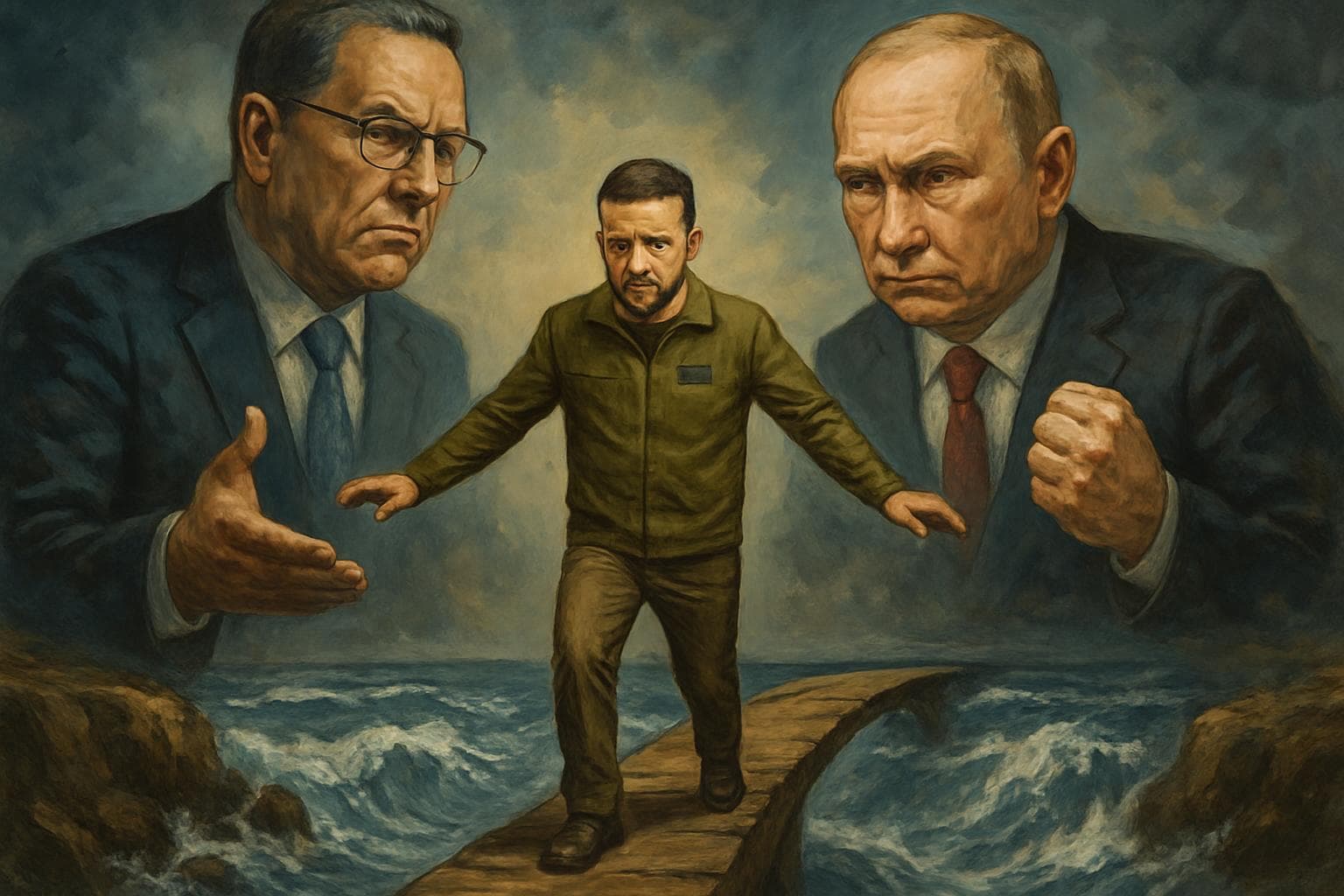
Ukrainian President Volodymyr Zelenskyy is navigating a diplomatic tightrope as the US pushes a peace plan that demands significant concessions from Kyiv. The plan, which has been widely leaked, includes ceding control of parts of the eastern Donbas region, reducing Ukraine's military size, and pledging not to join NATO—proposals that heavily align with Moscow's interests.
US-Backed Peace Plan Sparks Controversy
The peace plan, backed by US President Donald Trump, has drawn criticism for its perceived bias towards Russian demands. Trump has set a deadline for Ukraine to accept the plan by Thanksgiving, warning of potential consequences, including the withdrawal of vital US military aid and intelligence support. "He'll have to like it, and if he doesn't like it, then they should just keep fighting," Trump stated, emphasizing the urgency of the situation.
Zelenskyy's Dilemma: Sovereignty vs. Support
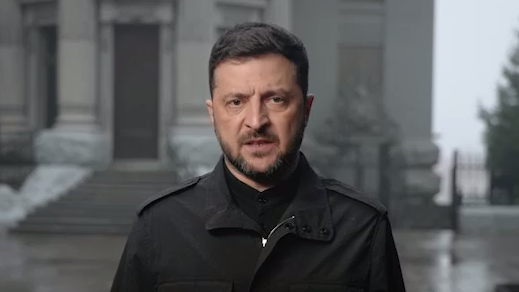
In a somber address, Zelenskyy acknowledged the difficult choice facing Ukraine: maintaining national dignity or risking the loss of a key ally. "We did not betray Ukraine then, and we will not do so now," he declared, underscoring his commitment to Ukraine's sovereignty. Despite the pressure, Zelenskyy has been careful not to outright reject the plan, instead expressing appreciation for the US's efforts while seeking alternatives.
European Leaders and Russia's Stance
European leaders, including UK Prime Minister Sir Keir Starmer and French President Emmanuel Macron, have expressed concerns over the plan's implications. They stress that Ukraine must determine its own future. Meanwhile, Kremlin spokesperson Dmitri Peskov stated that Russia remains open to peace talks but has yet to receive any official proposal from the US. Moscow insists that any agreement must address the "root causes" of the conflict, a phrase often interpreted as a call for Ukraine's capitulation.
WHAT THIS MIGHT MEAN
The coming weeks will be crucial as Ukraine navigates the diplomatic pressures surrounding the US-backed peace plan. If Zelenskyy rejects the proposal, Ukraine risks losing critical US support, which could impact its defense capabilities against Russian aggression. Conversely, accepting the plan could lead to domestic backlash and further destabilize the region.
Experts suggest that a balanced approach, involving broader international mediation, could offer a more sustainable path to peace. As the G20 summit approaches, global leaders may play a pivotal role in shaping the next phase of negotiations, potentially leading to a more inclusive and equitable resolution.
Images from the Web
Related Articles

UK-Iran Tensions: Starmer Defends Cautious Approach Amid Trump Criticism
Spain's Sánchez Stands Firm Against Trump's Trade Threat Over Iran Stance
US and Israel Intensify Military Campaign as Iran's Capabilities Dwindle
Intensified US-Israel Strikes on Iran Spark Global Outcry
Senate Blocks Resolution to Limit Trump's Military Actions in Iran
Canada and Australia Forge Strategic Partnership Amid Global Uncertainty
Zelenskyy Faces Pressure as US Pushes Controversial Peace Plan for Ukraine
In This Article
 Ethan Brooks| Published
 HIGHLIGHTS
- The US-backed peace plan for Ukraine proposes territorial concessions and military reductions, which Kyiv had previously rejected.
- President Zelenskyy faces pressure to accept the plan or risk losing US support, as President Trump sets a Thanksgiving deadline.
- The plan has been criticized for favoring Russia's demands, with European leaders expressing concerns over its implications.
- Russia claims openness to peace talks but insists on addressing the "root causes" of the conflict, often seen as maximalist demands.
- Zelenskyy remains cautious, emphasizing Ukraine's sovereignty and seeking alternatives to the proposed plan.
Ukrainian President Volodymyr Zelenskyy is navigating a diplomatic tightrope as the US pushes a peace plan that demands significant concessions from Kyiv. The plan, which has been widely leaked, includes ceding control of parts of the eastern Donbas region, reducing Ukraine's military size, and pledging not to join NATO—proposals that heavily align with Moscow's interests.
US-Backed Peace Plan Sparks Controversy
The peace plan, backed by US President Donald Trump, has drawn criticism for its perceived bias towards Russian demands. Trump has set a deadline for Ukraine to accept the plan by Thanksgiving, warning of potential consequences, including the withdrawal of vital US military aid and intelligence support. "He'll have to like it, and if he doesn't like it, then they should just keep fighting," Trump stated, emphasizing the urgency of the situation.
Zelenskyy's Dilemma: Sovereignty vs. Support
In a somber address, Zelenskyy acknowledged the difficult choice facing Ukraine: maintaining national dignity or risking the loss of a key ally. "We did not betray Ukraine then, and we will not do so now," he declared, underscoring his commitment to Ukraine's sovereignty. Despite the pressure, Zelenskyy has been careful not to outright reject the plan, instead expressing appreciation for the US's efforts while seeking alternatives.
European Leaders and Russia's Stance
European leaders, including UK Prime Minister Sir Keir Starmer and French President Emmanuel Macron, have expressed concerns over the plan's implications. They stress that Ukraine must determine its own future. Meanwhile, Kremlin spokesperson Dmitri Peskov stated that Russia remains open to peace talks but has yet to receive any official proposal from the US. Moscow insists that any agreement must address the "root causes" of the conflict, a phrase often interpreted as a call for Ukraine's capitulation.
WHAT THIS MIGHT MEAN
The coming weeks will be crucial as Ukraine navigates the diplomatic pressures surrounding the US-backed peace plan. If Zelenskyy rejects the proposal, Ukraine risks losing critical US support, which could impact its defense capabilities against Russian aggression. Conversely, accepting the plan could lead to domestic backlash and further destabilize the region.
Experts suggest that a balanced approach, involving broader international mediation, could offer a more sustainable path to peace. As the G20 summit approaches, global leaders may play a pivotal role in shaping the next phase of negotiations, potentially leading to a more inclusive and equitable resolution.
Images from the Web
Related Articles
UK-Iran Tensions: Starmer Defends Cautious Approach Amid Trump Criticism
Spain's Sánchez Stands Firm Against Trump's Trade Threat Over Iran Stance
US and Israel Intensify Military Campaign as Iran's Capabilities Dwindle
Intensified US-Israel Strikes on Iran Spark Global Outcry
Senate Blocks Resolution to Limit Trump's Military Actions in Iran
Canada and Australia Forge Strategic Partnership Amid Global Uncertainty