
Devastating Earthquake Strikes Eastern Afghanistan, Leaving Hundreds Dead
In This Article
HIGHLIGHTS
- A 6.0 magnitude earthquake struck eastern Afghanistan, killing at least 800 people and injuring over 2,500.
- The quake's epicenter was near Kunar province, severely affecting villages with mud-built homes.
- Rescue operations face challenges due to blocked roads and remote terrain, with helicopters being the primary means of access.
- Survivors describe scenes of devastation, with entire families lost and graveyards overflowing.
- Criticism mounts over the Taliban's limited resources and capacity to manage the disaster response effectively.
In the late hours of Sunday night, a powerful earthquake measuring 6.0 on the Richter scale shook eastern Afghanistan, resulting in widespread devastation and a rising death toll. The United Nations reports that at least 800 people have lost their lives, with more than 2,500 injured, as the quake's tremors were felt across the region, including in the capital, Kabul, and as far as Islamabad in neighboring Pakistan.
Impact on Kunar Province
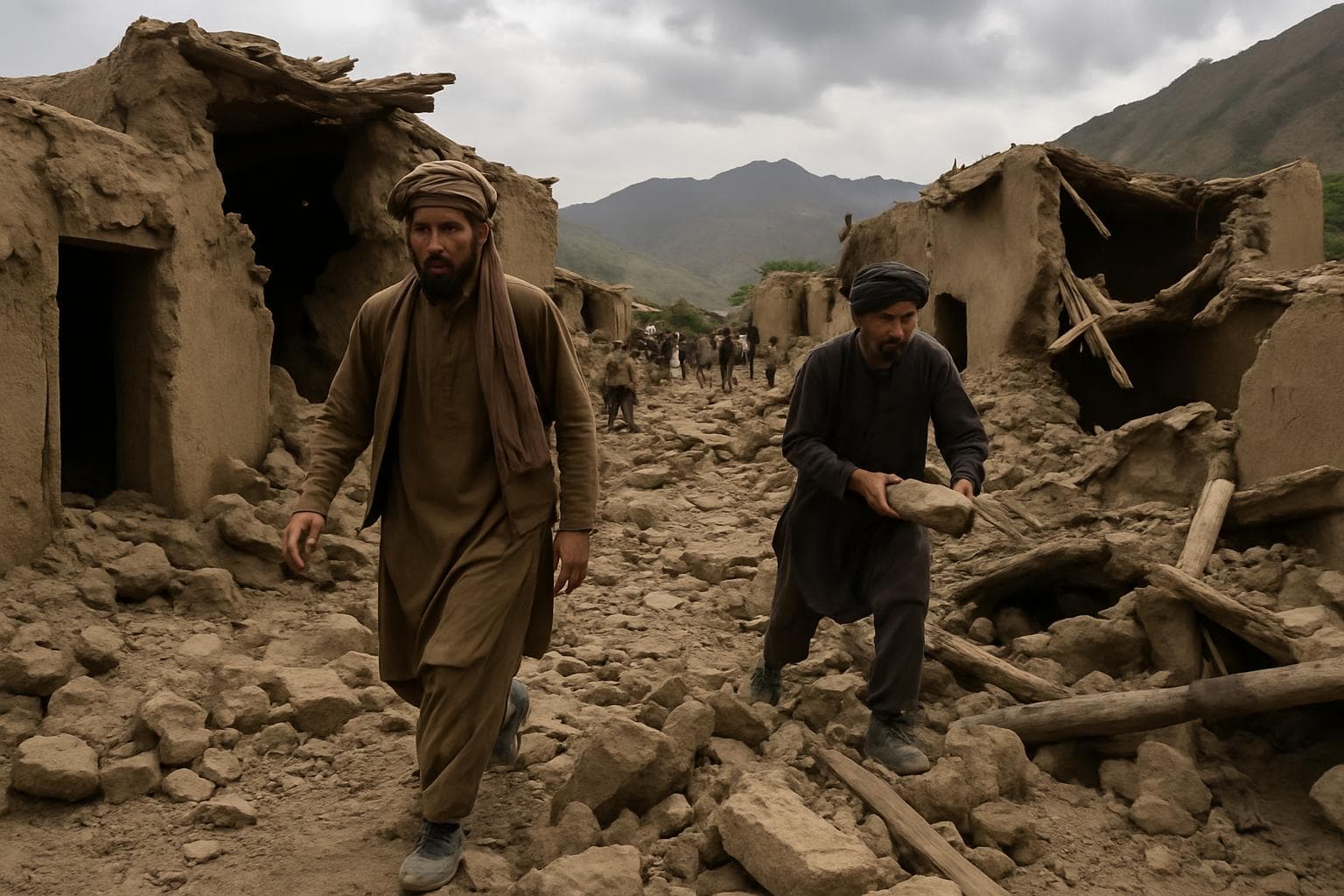
The epicenter of the earthquake was located near Kunar province, where the impact was particularly severe. Villages in this mountainous region, primarily constructed with mud, were ill-equipped to withstand the force of the tremors. Hameed Jan, a resident of Piran village, recounted the harrowing experience of being trapped under the rubble of his collapsed home. "It felt as if the entire mountain was collapsing on us," he said, describing the scene of devastation that greeted him once he was freed.
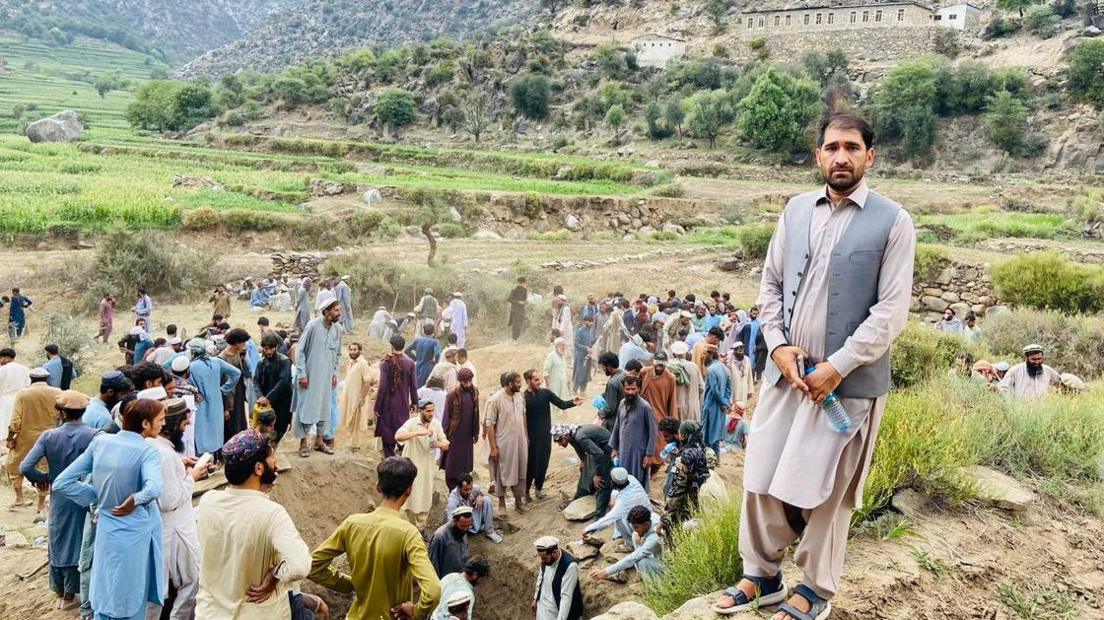
Matiullah Shahab, a freelance journalist and human rights activist, traveled to the worst-hit areas, witnessing firsthand the destruction and the desperate need for aid. "I saw many dead bodies," he reported, noting the overwhelming silence and shock among survivors.
Challenges in Rescue Efforts
The Taliban, who have governed Afghanistan since the fall of the internationally recognized government over four years ago, are leading the rescue operations. However, the remote and rugged terrain poses significant challenges, with many areas only accessible by helicopter. Matiullah observed volunteers attempting to rescue trapped individuals, including two women pulled from the debris.
Criticism has been directed at the Taliban's response, with many locals expressing frustration over the lack of resources and manpower. Abdul Rahim, a cleric in Kunar, highlighted the dire situation, stating that graveyards are overflowing and mass funerals are a common sight.
Humanitarian Crisis and Aid Needs
The earthquake has left many residents homeless, forced to sleep in the open as they await emergency aid. Ezzatullah Safi, from Kunar's Sokai district, described the night as a "small apocalypse," with families clinging to each other in fear. The need for tents, medical supplies, and food is urgent as the region grapples with the aftermath of this natural disaster.
WHAT THIS MIGHT MEAN
The immediate focus remains on rescue and relief efforts, but the long-term implications of this disaster are significant. The Taliban's ability to manage such crises is under scrutiny, potentially impacting their governance and international relations. Humanitarian organizations may need to step in to provide the necessary aid and support, highlighting the ongoing challenges in Afghanistan's recovery from natural disasters. As the death toll is expected to rise, the international community's response will be crucial in addressing the humanitarian needs and rebuilding efforts in the affected regions.
Images from the Web
Related Articles
Pakistan's Airstrikes on Afghanistan Escalate Cross-Border Tensions

Israel's New West Bank Measures Spark Global Outcry

Palestinian-American Teen Killed by Israeli Settlers in West Bank Sparks Calls for Accountability

US-Iran Tensions Escalate Amid Military Buildup and Diplomatic Deadlock
UN Report: Sudan's El Fasher Siege Shows Genocide Hallmarks

Trump's Board of Peace Pledges $7 Billion for Gaza Amidst International Skepticism
Devastating Earthquake Strikes Eastern Afghanistan, Leaving Hundreds Dead
In This Article
 James Okoro| Published
 HIGHLIGHTS
- A 6.0 magnitude earthquake struck eastern Afghanistan, killing at least 800 people and injuring over 2,500.
- The quake's epicenter was near Kunar province, severely affecting villages with mud-built homes.
- Rescue operations face challenges due to blocked roads and remote terrain, with helicopters being the primary means of access.
- Survivors describe scenes of devastation, with entire families lost and graveyards overflowing.
- Criticism mounts over the Taliban's limited resources and capacity to manage the disaster response effectively.
In the late hours of Sunday night, a powerful earthquake measuring 6.0 on the Richter scale shook eastern Afghanistan, resulting in widespread devastation and a rising death toll. The United Nations reports that at least 800 people have lost their lives, with more than 2,500 injured, as the quake's tremors were felt across the region, including in the capital, Kabul, and as far as Islamabad in neighboring Pakistan.
Impact on Kunar Province
The epicenter of the earthquake was located near Kunar province, where the impact was particularly severe. Villages in this mountainous region, primarily constructed with mud, were ill-equipped to withstand the force of the tremors. Hameed Jan, a resident of Piran village, recounted the harrowing experience of being trapped under the rubble of his collapsed home. "It felt as if the entire mountain was collapsing on us," he said, describing the scene of devastation that greeted him once he was freed.
Matiullah Shahab, a freelance journalist and human rights activist, traveled to the worst-hit areas, witnessing firsthand the destruction and the desperate need for aid. "I saw many dead bodies," he reported, noting the overwhelming silence and shock among survivors.
Challenges in Rescue Efforts
The Taliban, who have governed Afghanistan since the fall of the internationally recognized government over four years ago, are leading the rescue operations. However, the remote and rugged terrain poses significant challenges, with many areas only accessible by helicopter. Matiullah observed volunteers attempting to rescue trapped individuals, including two women pulled from the debris.
Criticism has been directed at the Taliban's response, with many locals expressing frustration over the lack of resources and manpower. Abdul Rahim, a cleric in Kunar, highlighted the dire situation, stating that graveyards are overflowing and mass funerals are a common sight.
Humanitarian Crisis and Aid Needs
The earthquake has left many residents homeless, forced to sleep in the open as they await emergency aid. Ezzatullah Safi, from Kunar's Sokai district, described the night as a "small apocalypse," with families clinging to each other in fear. The need for tents, medical supplies, and food is urgent as the region grapples with the aftermath of this natural disaster.
WHAT THIS MIGHT MEAN
The immediate focus remains on rescue and relief efforts, but the long-term implications of this disaster are significant. The Taliban's ability to manage such crises is under scrutiny, potentially impacting their governance and international relations. Humanitarian organizations may need to step in to provide the necessary aid and support, highlighting the ongoing challenges in Afghanistan's recovery from natural disasters. As the death toll is expected to rise, the international community's response will be crucial in addressing the humanitarian needs and rebuilding efforts in the affected regions.
Images from the Web
Related Articles
Pakistan's Airstrikes on Afghanistan Escalate Cross-Border Tensions
Israel's New West Bank Measures Spark Global Outcry
Palestinian-American Teen Killed by Israeli Settlers in West Bank Sparks Calls for Accountability
US-Iran Tensions Escalate Amid Military Buildup and Diplomatic Deadlock
UN Report: Sudan's El Fasher Siege Shows Genocide Hallmarks
Trump's Board of Peace Pledges $7 Billion for Gaza Amidst International Skepticism