
Devastating Earthquake in Afghanistan Leaves Hundreds Dead and Thousands Injured
In This Article
HIGHLIGHTS
- A magnitude-6 earthquake struck eastern Afghanistan, killing at least 800 people and injuring over 2,500.
- The quake's epicenter was in Kunar province, with severe damage reported in Nangarhar and felt as far as Kabul and Islamabad.
- Rescue operations face challenges due to blocked roads and remote terrain, with helicopters being the primary means of access.
- Many homes, made of mud, collapsed, leaving residents homeless and in need of urgent aid, including tents and medical supplies.
- Criticism has been directed at the Taliban's rescue efforts, which are seen as under-resourced and inadequate for the scale of the disaster.
A powerful magnitude-6 earthquake struck eastern Afghanistan late Sunday night, resulting in widespread devastation and a rising death toll. The tremors, which originated in the mountainous Kunar province, have claimed the lives of at least 800 people, with over 2,500 reported injured, according to the United Nations.
Epicenter and Immediate Impact
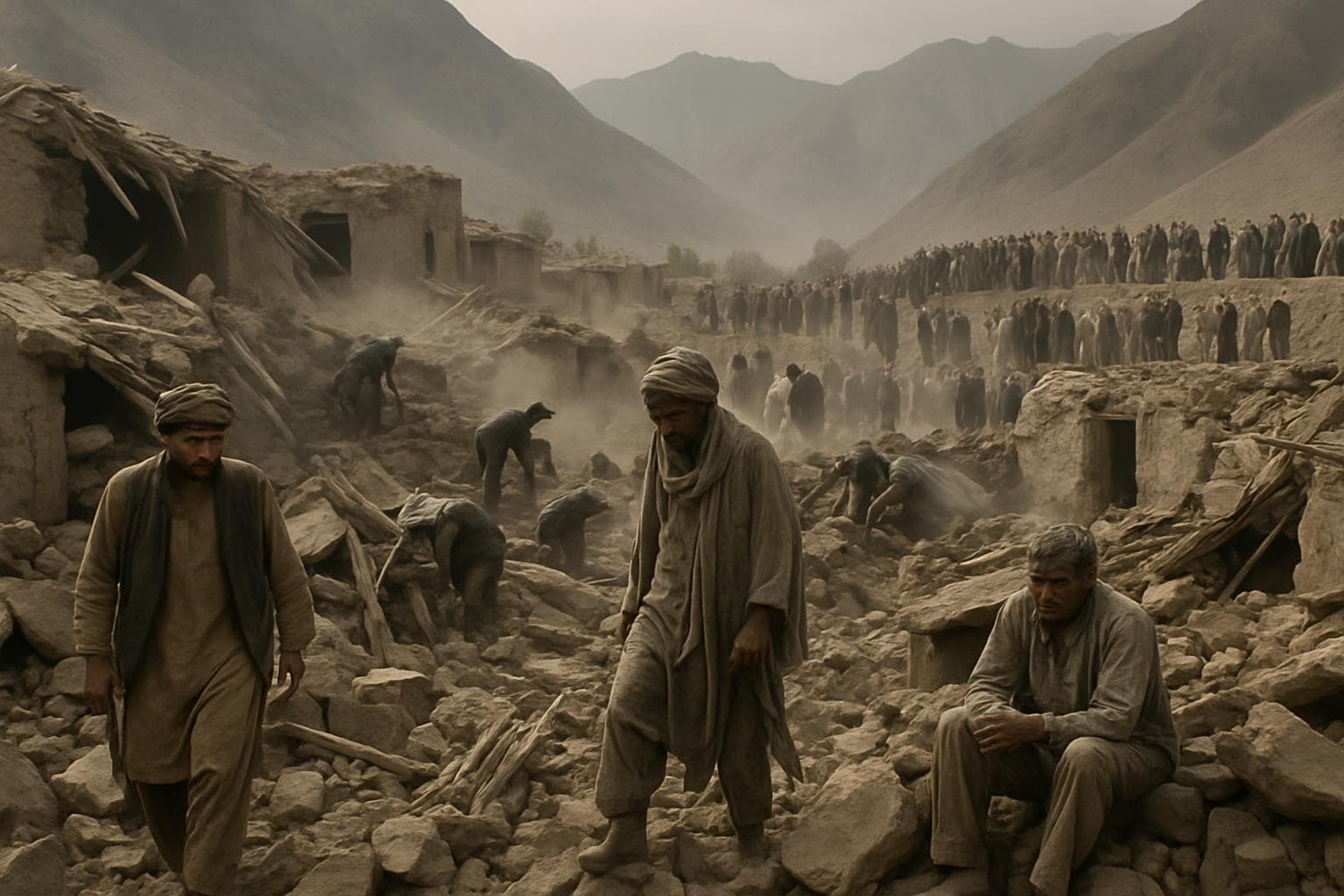
The earthquake's epicenter was located near the remote village of Asadabad in Kunar province, but its effects were felt as far away as Kabul and Islamabad, Pakistan. In the village of Andarlachak, 79 people perished, and many more were injured. Matiullah Shahab, a local journalist, described the scene as one of utter destruction, with villagers too shocked to speak and faces covered in dust. "The villages I visited were destroyed," he recounted, emphasizing the dire need for immediate aid.
Challenges in Rescue Operations
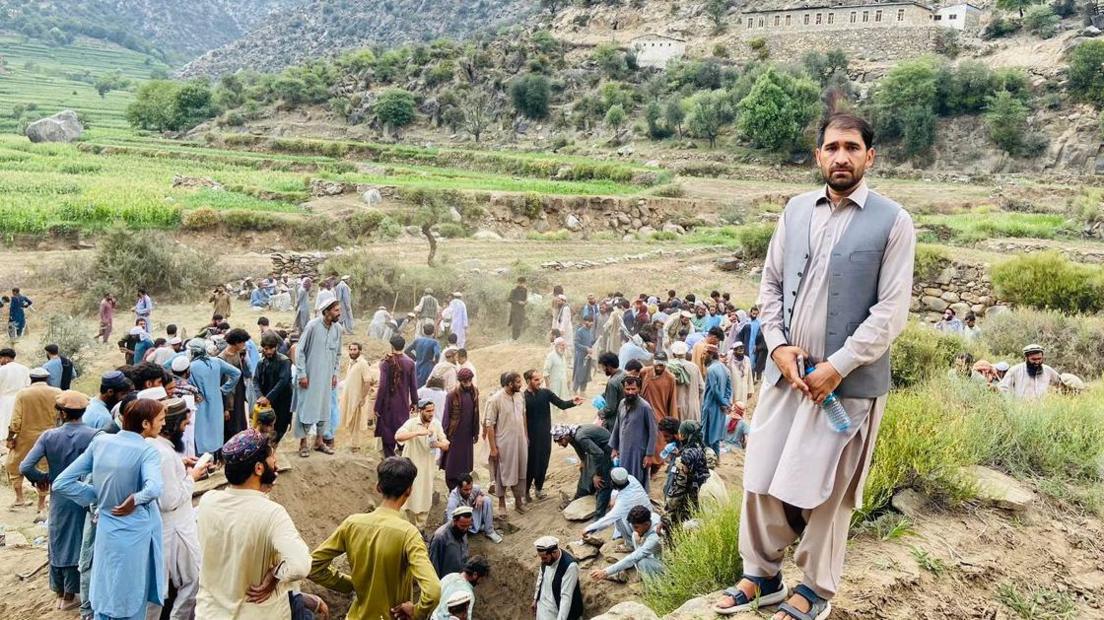
Rescue efforts have been severely hampered by the region's rugged terrain and blocked roads, forcing the Taliban government to rely on helicopters to reach the most affected areas. Despite these efforts, many areas remain inaccessible, and reports have emerged of people dying under the rubble while awaiting rescue. Volunteers and local residents have been instrumental in pulling survivors from the debris, but the scale of the disaster has overwhelmed available resources.
Human Stories of Loss and Survival
Personal accounts from survivors paint a grim picture of the earthquake's impact. Hameed Jan, a resident of Piran village, was buried under the rubble of his home after rescuing some of his children. Tragically, his wife, two sons, and two brothers did not survive. "It felt as if the entire mountain was collapsing on us," Jan said, describing the devastation that left his village in ruins.
Criticism of the Taliban's Response
The Taliban, who have governed Afghanistan since the collapse of its internationally recognized government, have faced criticism for their handling of the crisis. Many locals feel that the rescue efforts lack the necessary resources and manpower to effectively address the disaster's scale. Abdul Rahim, a cleric in Kunar, noted that graveyards are overflowing, with mass funerals becoming a common sight.
WHAT THIS MIGHT MEAN
The aftermath of the earthquake presents significant challenges for Afghanistan's already strained infrastructure and governance. The Taliban's ability to manage such a large-scale disaster is under scrutiny, and their response could impact their domestic and international standing. As rescue operations continue, the need for international aid and support becomes increasingly urgent. Experts suggest that without external assistance, the region may face prolonged humanitarian crises, exacerbating existing vulnerabilities in the affected communities. The coming weeks will be critical in determining the effectiveness of the response and the resilience of the Afghan people in the face of such adversity.
Images from the Web
Related Articles
Pakistan's Airstrikes on Afghanistan Escalate Cross-Border Tensions
Deadly Suicide Bombing at Islamabad Mosque Claims Over 30 Lives

Intensified US-Israel Strikes on Iran Spark Global Outcry

Palestinian-American Teen Killed by Israeli Settlers in West Bank Sparks Calls for Accountability

US-Iran Tensions Escalate Amid Military Buildup and Diplomatic Deadlock

Trump's Board of Peace Pledges $7 Billion for Gaza Amidst International Skepticism
Devastating Earthquake in Afghanistan Leaves Hundreds Dead and Thousands Injured
In This Article
 Ethan Brooks| Published
 HIGHLIGHTS
- A magnitude-6 earthquake struck eastern Afghanistan, killing at least 800 people and injuring over 2,500.
- The quake's epicenter was in Kunar province, with severe damage reported in Nangarhar and felt as far as Kabul and Islamabad.
- Rescue operations face challenges due to blocked roads and remote terrain, with helicopters being the primary means of access.
- Many homes, made of mud, collapsed, leaving residents homeless and in need of urgent aid, including tents and medical supplies.
- Criticism has been directed at the Taliban's rescue efforts, which are seen as under-resourced and inadequate for the scale of the disaster.
A powerful magnitude-6 earthquake struck eastern Afghanistan late Sunday night, resulting in widespread devastation and a rising death toll. The tremors, which originated in the mountainous Kunar province, have claimed the lives of at least 800 people, with over 2,500 reported injured, according to the United Nations.
Epicenter and Immediate Impact
The earthquake's epicenter was located near the remote village of Asadabad in Kunar province, but its effects were felt as far away as Kabul and Islamabad, Pakistan. In the village of Andarlachak, 79 people perished, and many more were injured. Matiullah Shahab, a local journalist, described the scene as one of utter destruction, with villagers too shocked to speak and faces covered in dust. "The villages I visited were destroyed," he recounted, emphasizing the dire need for immediate aid.
Challenges in Rescue Operations
Rescue efforts have been severely hampered by the region's rugged terrain and blocked roads, forcing the Taliban government to rely on helicopters to reach the most affected areas. Despite these efforts, many areas remain inaccessible, and reports have emerged of people dying under the rubble while awaiting rescue. Volunteers and local residents have been instrumental in pulling survivors from the debris, but the scale of the disaster has overwhelmed available resources.
Human Stories of Loss and Survival
Personal accounts from survivors paint a grim picture of the earthquake's impact. Hameed Jan, a resident of Piran village, was buried under the rubble of his home after rescuing some of his children. Tragically, his wife, two sons, and two brothers did not survive. "It felt as if the entire mountain was collapsing on us," Jan said, describing the devastation that left his village in ruins.
Criticism of the Taliban's Response
The Taliban, who have governed Afghanistan since the collapse of its internationally recognized government, have faced criticism for their handling of the crisis. Many locals feel that the rescue efforts lack the necessary resources and manpower to effectively address the disaster's scale. Abdul Rahim, a cleric in Kunar, noted that graveyards are overflowing, with mass funerals becoming a common sight.
WHAT THIS MIGHT MEAN
The aftermath of the earthquake presents significant challenges for Afghanistan's already strained infrastructure and governance. The Taliban's ability to manage such a large-scale disaster is under scrutiny, and their response could impact their domestic and international standing. As rescue operations continue, the need for international aid and support becomes increasingly urgent. Experts suggest that without external assistance, the region may face prolonged humanitarian crises, exacerbating existing vulnerabilities in the affected communities. The coming weeks will be critical in determining the effectiveness of the response and the resilience of the Afghan people in the face of such adversity.
Images from the Web
Related Articles
Pakistan's Airstrikes on Afghanistan Escalate Cross-Border Tensions
Deadly Suicide Bombing at Islamabad Mosque Claims Over 30 Lives
Intensified US-Israel Strikes on Iran Spark Global Outcry
Palestinian-American Teen Killed by Israeli Settlers in West Bank Sparks Calls for Accountability
US-Iran Tensions Escalate Amid Military Buildup and Diplomatic Deadlock
Trump's Board of Peace Pledges $7 Billion for Gaza Amidst International Skepticism