
Afghanistan Earthquake Leaves Villages Devastated and Rescue Efforts Struggling
In This Article
HIGHLIGHTS
- A magnitude-6 earthquake struck eastern Afghanistan, killing at least 800 people and injuring over 2,500.
- The hardest-hit areas include Kunar and Nangarhar provinces, with many homes made of mud collapsing.
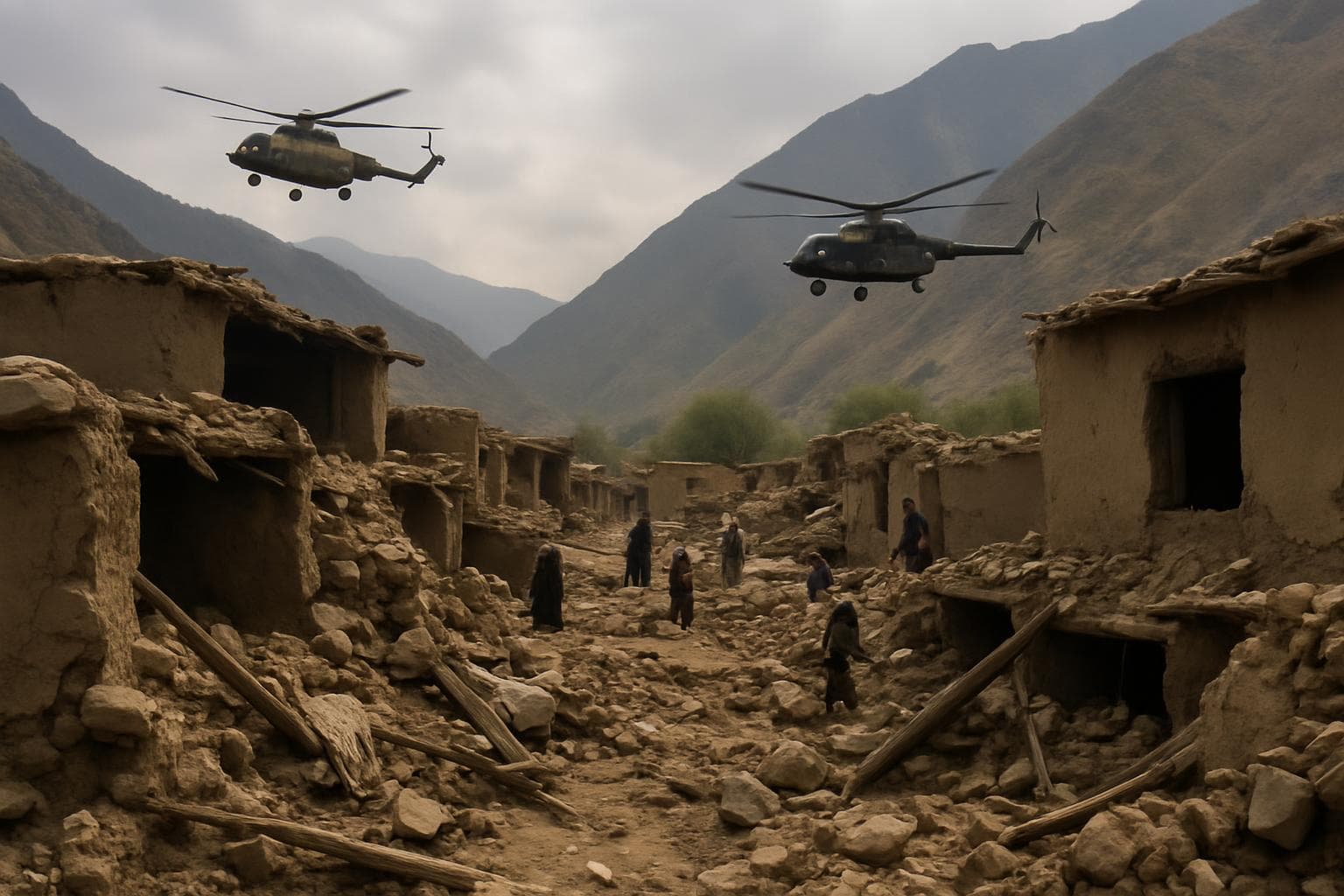
- Rescue efforts are hampered by blocked roads and difficult terrain, with some villages only accessible by helicopter.
- Survivors describe scenes of devastation, with entire villages razed and graveyards overflowing.
- Criticism mounts over the Taliban's response, with limited resources and manpower to manage the crisis.
In the late hours of Sunday night, a powerful magnitude-6 earthquake struck eastern Afghanistan, leaving a trail of destruction and despair in its wake. The tremors, which centered in the remote Kunar province, have claimed the lives of at least 800 people and injured over 2,500, according to the United Nations. The quake's impact was felt as far as Kabul and Islamabad, Pakistan.
Devastation in Kunar and Nangarhar
The provinces of Kunar and Nangarhar bore the brunt of the earthquake's force. In Kunar's Piran village, Hameed Jan was jolted awake as his home began to crumble around him. "I managed to rescue two of my children," he recounted, but his wife and other family members perished. The region's mud-built homes offered little protection, leaving many villages reduced to rubble.
Matiullah Shahab, a freelance journalist, described the scene in Andarlachak village, where 79 lives were lost. "I saw many dead bodies," he said, noting the silence and shock among survivors. With roads blocked by debris, rescue operations have relied heavily on helicopters, yet many areas remain inaccessible.
Struggling Rescue Efforts
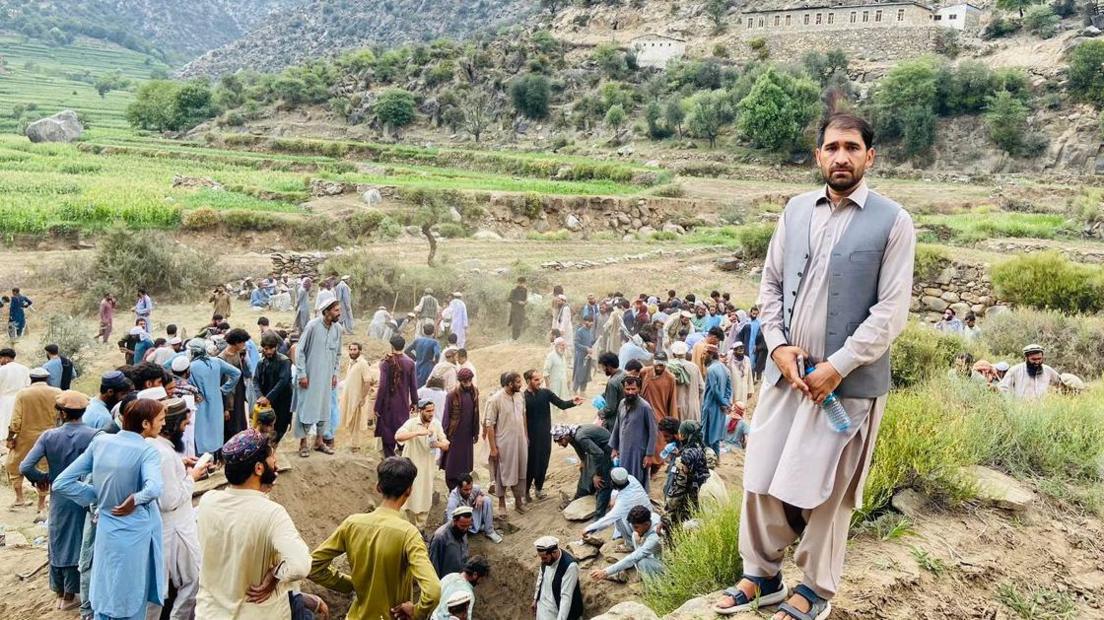
The Taliban, who have governed Afghanistan for over four years, face mounting criticism for their handling of the disaster. Limited resources and challenging terrain have hindered rescue efforts, with reports of people dying under rubble while awaiting help. Abdul Rahim, a cleric in Kunar, described overflowing graveyards and mass funerals as bodies continue to arrive.
Human Stories Amidst Crisis
Personal accounts from survivors paint a harrowing picture. Ezzatullah Safi from Sokai district recalled waking to screams and chaos as his house partially collapsed. "The night felt like a small apocalypse," he said, as families huddled together in fear. The earthquake has left many residents sleeping outdoors, desperate for shelter and aid.
WHAT THIS MIGHT MEAN
The aftermath of the earthquake presents significant challenges for Afghanistan's Taliban-led government, which is already grappling with limited international recognition and resources. The immediate focus will be on reaching inaccessible areas and providing essential aid to survivors. However, the scale of the disaster may prompt calls for increased international assistance, testing the Taliban's diplomatic relations.
As rescue operations continue, the death toll is expected to rise, highlighting the urgent need for improved disaster response infrastructure. The situation underscores the vulnerability of Afghanistan's rural communities, where poverty and inadequate housing exacerbate the impact of natural disasters. Long-term recovery will require substantial investment in rebuilding efforts and strengthening local resilience against future calamities.
Images from the Web
Related Articles
Pakistan's Airstrikes on Afghanistan Escalate Cross-Border Tensions
Deadly Suicide Bombing at Islamabad Mosque Claims Over 30 Lives
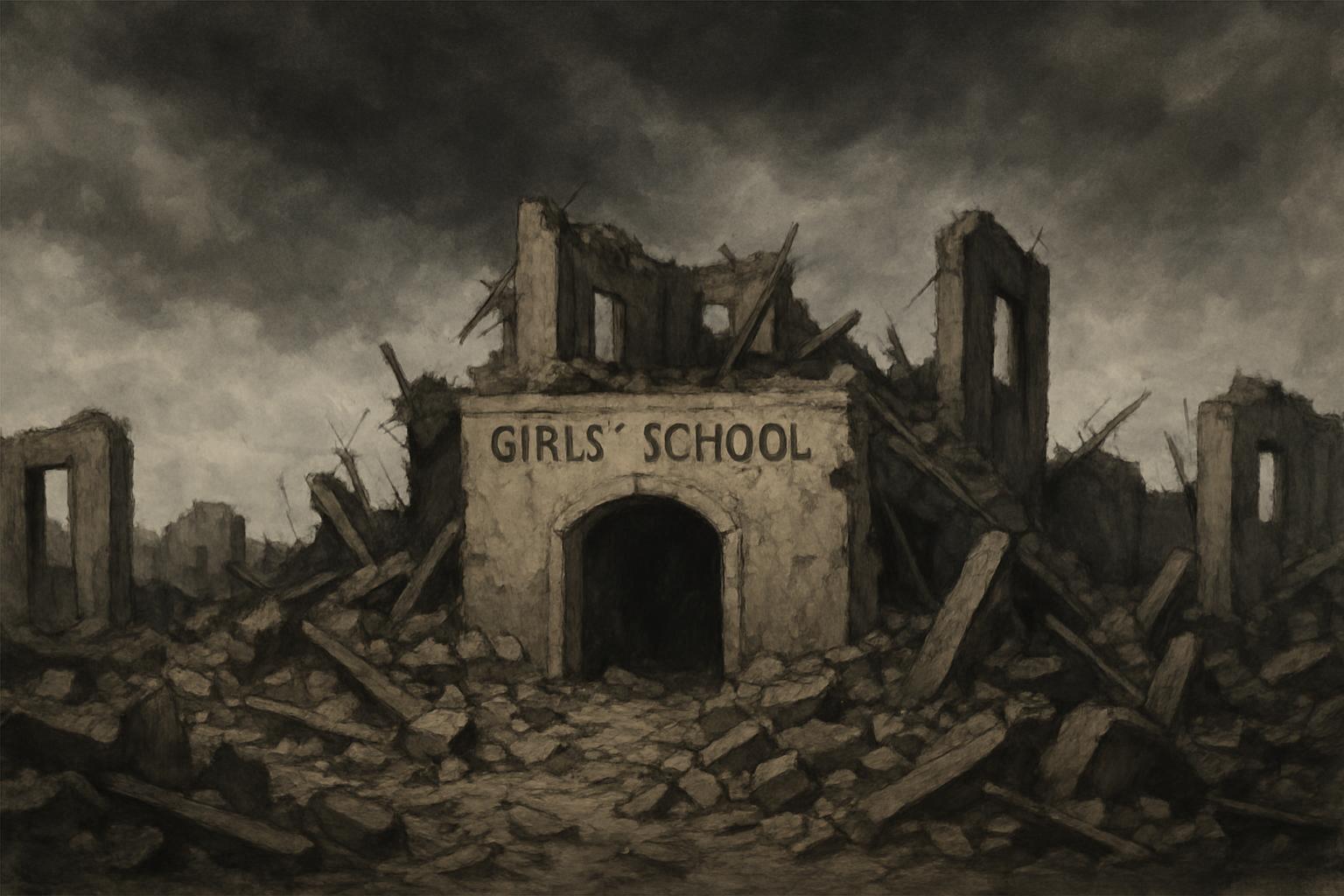
Intensified US-Israel Strikes on Iran Spark Global Outcry

Palestinian-American Teen Killed by Israeli Settlers in West Bank Sparks Calls for Accountability

US-Iran Tensions Escalate Amid Military Buildup and Diplomatic Deadlock

Trump's Board of Peace Pledges $7 Billion for Gaza Amidst International Skepticism
Afghanistan Earthquake Leaves Villages Devastated and Rescue Efforts Struggling
In This Article
 Ethan Brooks| Published
 HIGHLIGHTS
- A magnitude-6 earthquake struck eastern Afghanistan, killing at least 800 people and injuring over 2,500.
- The hardest-hit areas include Kunar and Nangarhar provinces, with many homes made of mud collapsing.
- Rescue efforts are hampered by blocked roads and difficult terrain, with some villages only accessible by helicopter.
- Survivors describe scenes of devastation, with entire villages razed and graveyards overflowing.
- Criticism mounts over the Taliban's response, with limited resources and manpower to manage the crisis.
In the late hours of Sunday night, a powerful magnitude-6 earthquake struck eastern Afghanistan, leaving a trail of destruction and despair in its wake. The tremors, which centered in the remote Kunar province, have claimed the lives of at least 800 people and injured over 2,500, according to the United Nations. The quake's impact was felt as far as Kabul and Islamabad, Pakistan.
Devastation in Kunar and Nangarhar
The provinces of Kunar and Nangarhar bore the brunt of the earthquake's force. In Kunar's Piran village, Hameed Jan was jolted awake as his home began to crumble around him. "I managed to rescue two of my children," he recounted, but his wife and other family members perished. The region's mud-built homes offered little protection, leaving many villages reduced to rubble.
Matiullah Shahab, a freelance journalist, described the scene in Andarlachak village, where 79 lives were lost. "I saw many dead bodies," he said, noting the silence and shock among survivors. With roads blocked by debris, rescue operations have relied heavily on helicopters, yet many areas remain inaccessible.
Struggling Rescue Efforts
The Taliban, who have governed Afghanistan for over four years, face mounting criticism for their handling of the disaster. Limited resources and challenging terrain have hindered rescue efforts, with reports of people dying under rubble while awaiting help. Abdul Rahim, a cleric in Kunar, described overflowing graveyards and mass funerals as bodies continue to arrive.
Human Stories Amidst Crisis
Personal accounts from survivors paint a harrowing picture. Ezzatullah Safi from Sokai district recalled waking to screams and chaos as his house partially collapsed. "The night felt like a small apocalypse," he said, as families huddled together in fear. The earthquake has left many residents sleeping outdoors, desperate for shelter and aid.
WHAT THIS MIGHT MEAN
The aftermath of the earthquake presents significant challenges for Afghanistan's Taliban-led government, which is already grappling with limited international recognition and resources. The immediate focus will be on reaching inaccessible areas and providing essential aid to survivors. However, the scale of the disaster may prompt calls for increased international assistance, testing the Taliban's diplomatic relations.
As rescue operations continue, the death toll is expected to rise, highlighting the urgent need for improved disaster response infrastructure. The situation underscores the vulnerability of Afghanistan's rural communities, where poverty and inadequate housing exacerbate the impact of natural disasters. Long-term recovery will require substantial investment in rebuilding efforts and strengthening local resilience against future calamities.
Images from the Web
Related Articles
Pakistan's Airstrikes on Afghanistan Escalate Cross-Border Tensions
Deadly Suicide Bombing at Islamabad Mosque Claims Over 30 Lives
Intensified US-Israel Strikes on Iran Spark Global Outcry
Palestinian-American Teen Killed by Israeli Settlers in West Bank Sparks Calls for Accountability
US-Iran Tensions Escalate Amid Military Buildup and Diplomatic Deadlock
Trump's Board of Peace Pledges $7 Billion for Gaza Amidst International Skepticism