
Artists Boycott Kennedy Center Following Controversial Trump Name Change
In This Article
HIGHLIGHTS
- The Kennedy Center's renaming to include Donald Trump's name has led to multiple artist cancellations, including jazz band The Cookers and Doug Varone and Dancers.
- Richard Grenell, the Kennedy Center president, criticized the cancellations, attributing them to previous leadership's political bias.
- Legal challenges and public outcry have followed the renaming, with some arguing that Congress must approve such changes.
- Folk singer Kristy Lee and musician Chuck Redd also canceled performances, citing concerns over historical integrity and political motives.
- The Kennedy Center's board, filled with Trump allies, voted for the name change, sparking debate over the center's historical significance.
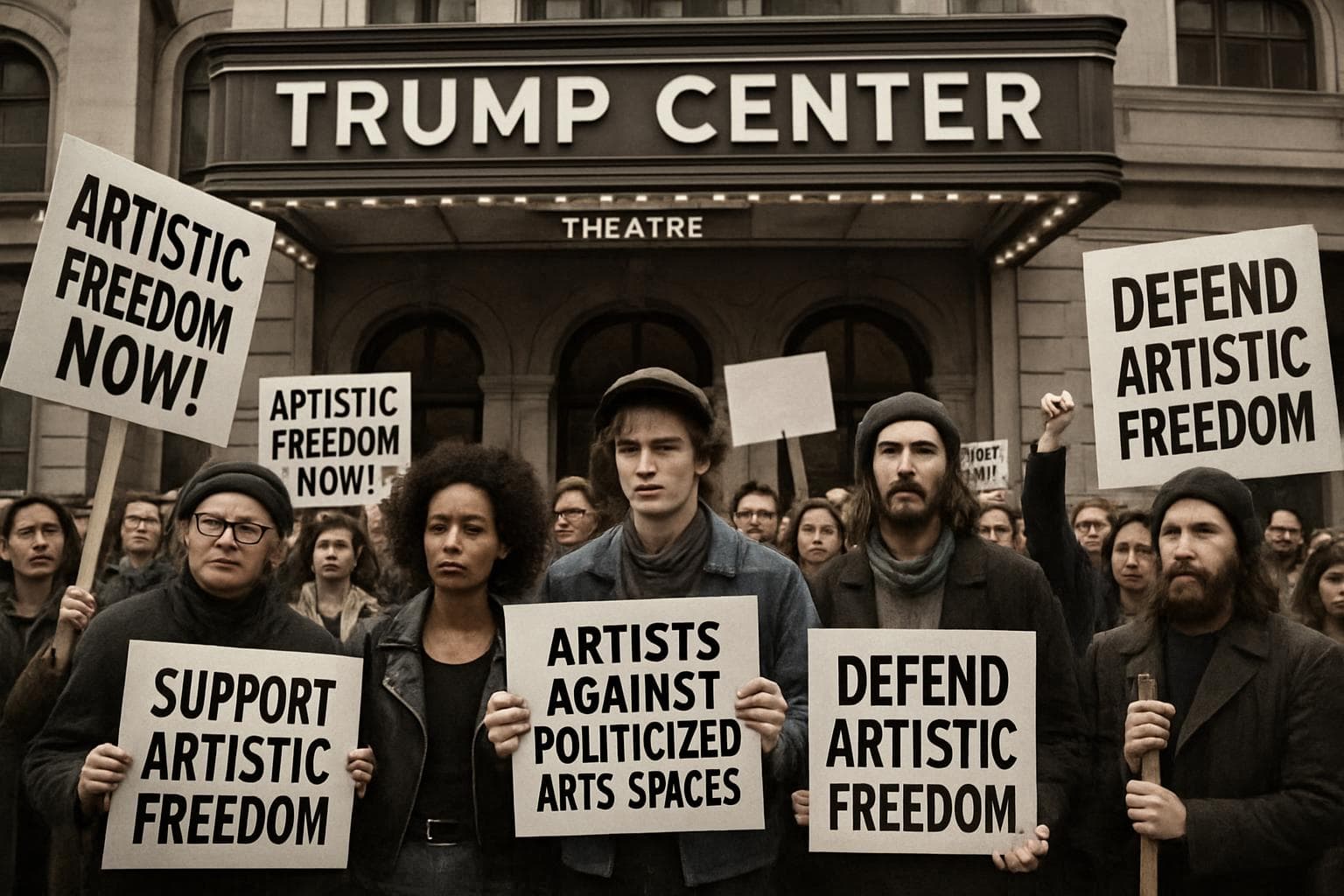
The Kennedy Center for the Performing Arts in Washington D.C. has become the epicenter of a heated debate following its controversial renaming to include former President Donald Trump's name. The decision, made by a board filled with Trump allies, has prompted a wave of artist cancellations, sparking discussions about artistic freedom and political influence in cultural institutions.
Artist Cancellations and Reactions
The Cookers, a renowned jazz band, recently canceled their New Year's Eve performances at the center, citing a commitment to artistic freedom. In a statement, the band emphasized that jazz is rooted in "freedom of thought, of expression, and of the full human voice." Similarly, Doug Varone and Dancers withdrew from their scheduled April shows, expressing discomfort with the center's new identity.
Folk singer Kristy Lee and musician Chuck Redd also joined the boycott. Lee voiced her concerns on social media, stating, "When American history starts getting treated like something you can ban, erase, rename, or rebrand for somebody else's ego, I can't stand on that stage and sleep right at night." Redd, who canceled his annual Christmas Eve performance, faced a $1 million lawsuit threat from Kennedy Center president Richard Grenell, who labeled the move a "political stunt."
Legal and Public Outcry
The renaming has not only led to artist withdrawals but also sparked legal challenges and public outcry. Critics argue that the center, originally named in memory of President John F. Kennedy, cannot be renamed without congressional approval. Joe Kennedy III, a former House member and Kennedy's grandnephew, stated, "It can no sooner be renamed than can someone rename the Lincoln Memorial."
Grenell's Response and Future Implications
Richard Grenell, appointed by Trump, has been vocal in his criticism of the cancellations, accusing the previous leadership of prioritizing political activism over artistic inclusivity. He described the boycotts as "a form of derangement syndrome," asserting that the arts should be accessible to all, regardless of political beliefs.
WHAT THIS MIGHT MEAN
The Kennedy Center's renaming and subsequent artist boycotts highlight the ongoing tension between politics and cultural institutions. As legal challenges unfold, the center may face increased scrutiny over its governance and decision-making processes. Should Congress intervene, it could set a precedent for how federally named institutions handle changes in their titles. Meanwhile, the artistic community's response underscores the importance of preserving cultural spaces as neutral grounds for expression, free from political influence. As this situation develops, it will be crucial to monitor how these dynamics impact both the Kennedy Center's reputation and its future programming.
Related Articles

Tech Giants Pledge to Cover AI Data Center Energy Costs Amid Rising Electricity Concerns
Congress Subpoenas Attorney General Bondi in Epstein Investigation
Cuba Faces Widespread Blackout Amid Deepening Fuel Crisis

UK Faces Dilemmas Amid Iran Conflict and China Spying Allegations
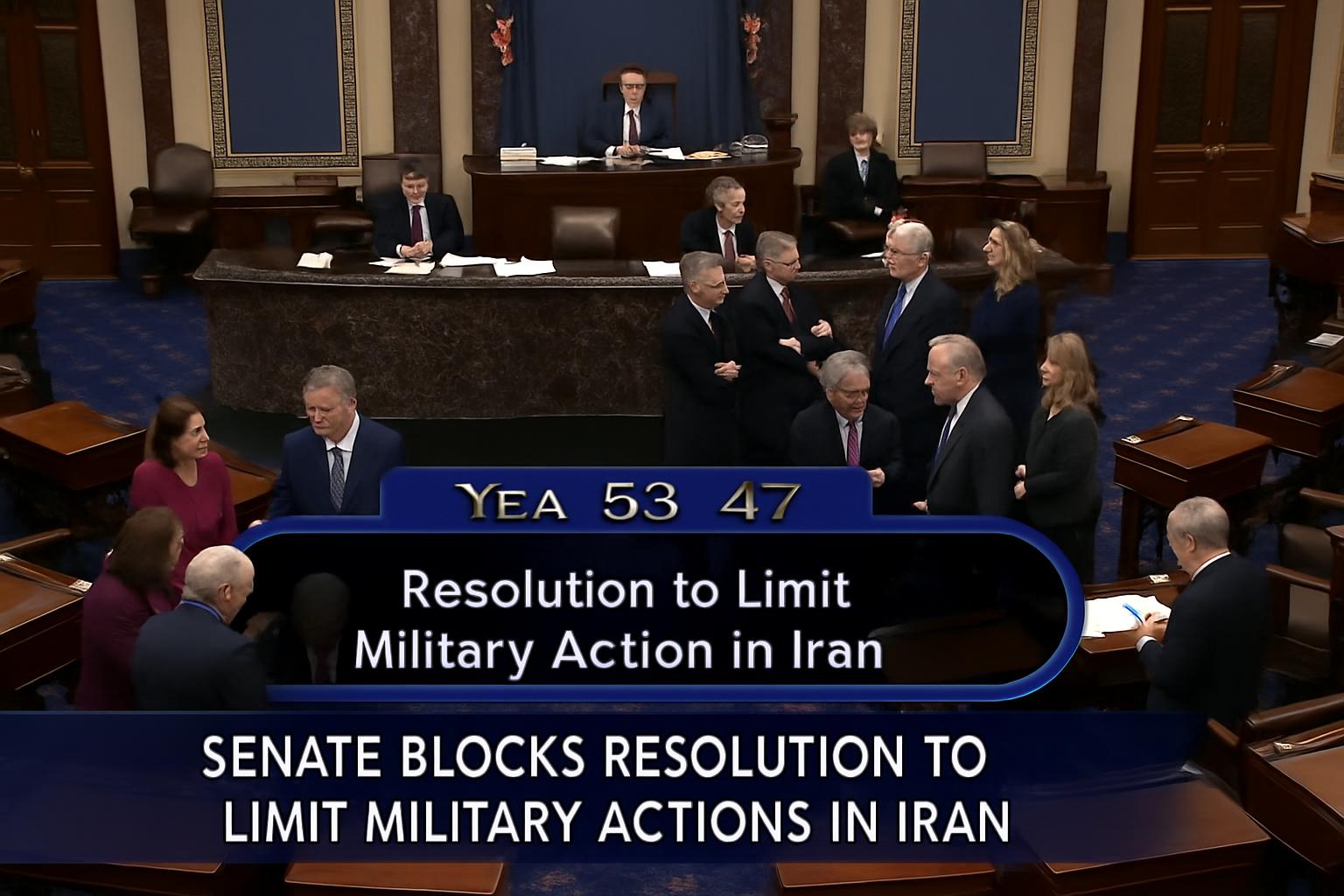
Senate Blocks Resolution to Limit Trump's Military Actions in Iran
UK-Iran Tensions: Starmer Defends Cautious Approach Amid Trump Criticism
Artists Boycott Kennedy Center Following Controversial Trump Name Change
In This Article
 Marcus Blake| Published
 HIGHLIGHTS
- The Kennedy Center's renaming to include Donald Trump's name has led to multiple artist cancellations, including jazz band The Cookers and Doug Varone and Dancers.
- Richard Grenell, the Kennedy Center president, criticized the cancellations, attributing them to previous leadership's political bias.
- Legal challenges and public outcry have followed the renaming, with some arguing that Congress must approve such changes.
- Folk singer Kristy Lee and musician Chuck Redd also canceled performances, citing concerns over historical integrity and political motives.
- The Kennedy Center's board, filled with Trump allies, voted for the name change, sparking debate over the center's historical significance.
The Kennedy Center for the Performing Arts in Washington D.C. has become the epicenter of a heated debate following its controversial renaming to include former President Donald Trump's name. The decision, made by a board filled with Trump allies, has prompted a wave of artist cancellations, sparking discussions about artistic freedom and political influence in cultural institutions.
Artist Cancellations and Reactions
The Cookers, a renowned jazz band, recently canceled their New Year's Eve performances at the center, citing a commitment to artistic freedom. In a statement, the band emphasized that jazz is rooted in "freedom of thought, of expression, and of the full human voice." Similarly, Doug Varone and Dancers withdrew from their scheduled April shows, expressing discomfort with the center's new identity.
Folk singer Kristy Lee and musician Chuck Redd also joined the boycott. Lee voiced her concerns on social media, stating, "When American history starts getting treated like something you can ban, erase, rename, or rebrand for somebody else's ego, I can't stand on that stage and sleep right at night." Redd, who canceled his annual Christmas Eve performance, faced a $1 million lawsuit threat from Kennedy Center president Richard Grenell, who labeled the move a "political stunt."
Legal and Public Outcry
The renaming has not only led to artist withdrawals but also sparked legal challenges and public outcry. Critics argue that the center, originally named in memory of President John F. Kennedy, cannot be renamed without congressional approval. Joe Kennedy III, a former House member and Kennedy's grandnephew, stated, "It can no sooner be renamed than can someone rename the Lincoln Memorial."
Grenell's Response and Future Implications
Richard Grenell, appointed by Trump, has been vocal in his criticism of the cancellations, accusing the previous leadership of prioritizing political activism over artistic inclusivity. He described the boycotts as "a form of derangement syndrome," asserting that the arts should be accessible to all, regardless of political beliefs.
WHAT THIS MIGHT MEAN
The Kennedy Center's renaming and subsequent artist boycotts highlight the ongoing tension between politics and cultural institutions. As legal challenges unfold, the center may face increased scrutiny over its governance and decision-making processes. Should Congress intervene, it could set a precedent for how federally named institutions handle changes in their titles. Meanwhile, the artistic community's response underscores the importance of preserving cultural spaces as neutral grounds for expression, free from political influence. As this situation develops, it will be crucial to monitor how these dynamics impact both the Kennedy Center's reputation and its future programming.
Related Articles
Tech Giants Pledge to Cover AI Data Center Energy Costs Amid Rising Electricity Concerns
Congress Subpoenas Attorney General Bondi in Epstein Investigation
Cuba Faces Widespread Blackout Amid Deepening Fuel Crisis
UK Faces Dilemmas Amid Iran Conflict and China Spying Allegations
Senate Blocks Resolution to Limit Trump's Military Actions in Iran
UK-Iran Tensions: Starmer Defends Cautious Approach Amid Trump Criticism