
Australia Enforces Social Media Ban for Under-16s: Meta to Deactivate Teen Accounts
In This Article
HIGHLIGHTS
- Meta will deactivate accounts of Australian users under 16 on Instagram, Facebook, and Threads starting 4 December, ahead of a social media ban effective 10 December.
- The ban, described as "world-leading" by Prime Minister Anthony Albanese, aims to protect teens from online risks and pressures.
- Users will be notified via text, email, and in-app messages, with options to save their content before deactivation.
- Meta proposes parental approval for under-16s to access social media, while also implementing age verification methods.
- Platforms failing to comply with the ban face fines up to A$50 million, as enforced by Australia's e-Safety Commissioner.
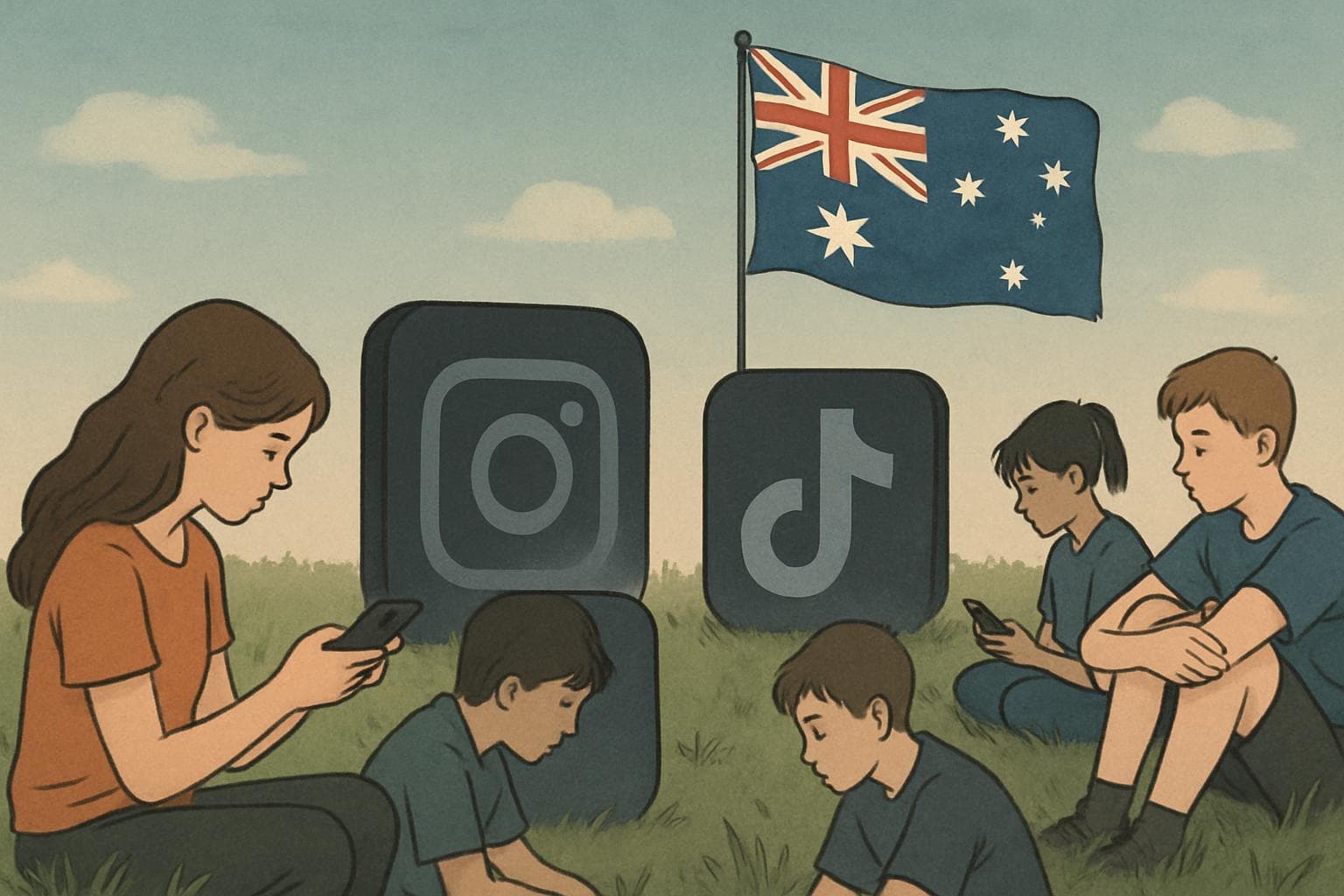
In a landmark move to safeguard young Australians online, Meta will begin deactivating the accounts of users under 16 on Instagram, Facebook, and Threads from 4 December. This action precedes the enforcement of a comprehensive social media ban, set to take effect on 10 December, targeting platforms such as TikTok, YouTube, and Reddit.
Government's Protective Stance
Prime Minister Anthony Albanese has hailed the ban as a "world-leading" initiative aimed at allowing children to enjoy their formative years without the pressures of social media. The e-Safety Commissioner, Julie Inman Grant, emphasized the ban's role in shielding teens from potential online risks.
Meta's Compliance and Challenges
Despite opposing the measure, Meta has committed to compliance, notifying affected users through multiple channels, including text, email, and in-app messages. Users will have the opportunity to download and save their posts, videos, and messages before their accounts are deactivated. Meta's regional policy director, Mia Garlick, assured that content would remain intact for users once they turn 16 and regain access.
Age Verification and Parental Approval
To verify age, Meta offers methods such as video selfies and government ID submissions, tested by the UK-based Age Check Certification Scheme. The company advocates for a law requiring parental approval for under-16s to access social media, acknowledging the resourcefulness of teens in circumventing age restrictions.
Potential Consequences for Non-compliance
Platforms that fail to take "reasonable steps" to enforce the ban face hefty fines of up to A$50 million. Meta continues to argue for its teen account settings, which offer restricted contact, advertising limits, and parental controls, as a preferable alternative to a blanket ban.
WHAT THIS MIGHT MEAN
As the ban approaches, the focus will likely shift to the effectiveness of age verification technologies and the potential for errors in age estimation. The debate over privacy versus protection will intensify, with tech companies advocating for less intrusive measures. Legal challenges could arise if platforms struggle to comply or if users contest the deactivation of their accounts. The success of this initiative may prompt other countries to consider similar regulations, potentially reshaping the global landscape of social media usage among teenagers.
Related Articles

Zuckerberg Defends Meta in Landmark Social Media Addiction Trial
BBC Faces Major Budget Cuts Amid Declining Licence Fee Income

Canada and Australia Forge Strategic Partnership Amid Global Uncertainty

Canada Calls for De-escalation Amid US-Israel Strikes on Iran
Prince Andrew's Arrest Raises Questions About Royal Succession and Monarchy's Future
Tech Giants Pledge to Cover AI Data Center Energy Costs Amid Rising Electricity Concerns
Australia Enforces Social Media Ban for Under-16s: Meta to Deactivate Teen Accounts
In This Article
 Marcus Blake| Published
 HIGHLIGHTS
- Meta will deactivate accounts of Australian users under 16 on Instagram, Facebook, and Threads starting 4 December, ahead of a social media ban effective 10 December.
- The ban, described as "world-leading" by Prime Minister Anthony Albanese, aims to protect teens from online risks and pressures.
- Users will be notified via text, email, and in-app messages, with options to save their content before deactivation.
- Meta proposes parental approval for under-16s to access social media, while also implementing age verification methods.
- Platforms failing to comply with the ban face fines up to A$50 million, as enforced by Australia's e-Safety Commissioner.
In a landmark move to safeguard young Australians online, Meta will begin deactivating the accounts of users under 16 on Instagram, Facebook, and Threads from 4 December. This action precedes the enforcement of a comprehensive social media ban, set to take effect on 10 December, targeting platforms such as TikTok, YouTube, and Reddit.
Government's Protective Stance
Prime Minister Anthony Albanese has hailed the ban as a "world-leading" initiative aimed at allowing children to enjoy their formative years without the pressures of social media. The e-Safety Commissioner, Julie Inman Grant, emphasized the ban's role in shielding teens from potential online risks.
Meta's Compliance and Challenges
Despite opposing the measure, Meta has committed to compliance, notifying affected users through multiple channels, including text, email, and in-app messages. Users will have the opportunity to download and save their posts, videos, and messages before their accounts are deactivated. Meta's regional policy director, Mia Garlick, assured that content would remain intact for users once they turn 16 and regain access.
Age Verification and Parental Approval
To verify age, Meta offers methods such as video selfies and government ID submissions, tested by the UK-based Age Check Certification Scheme. The company advocates for a law requiring parental approval for under-16s to access social media, acknowledging the resourcefulness of teens in circumventing age restrictions.
Potential Consequences for Non-compliance
Platforms that fail to take "reasonable steps" to enforce the ban face hefty fines of up to A$50 million. Meta continues to argue for its teen account settings, which offer restricted contact, advertising limits, and parental controls, as a preferable alternative to a blanket ban.
WHAT THIS MIGHT MEAN
As the ban approaches, the focus will likely shift to the effectiveness of age verification technologies and the potential for errors in age estimation. The debate over privacy versus protection will intensify, with tech companies advocating for less intrusive measures. Legal challenges could arise if platforms struggle to comply or if users contest the deactivation of their accounts. The success of this initiative may prompt other countries to consider similar regulations, potentially reshaping the global landscape of social media usage among teenagers.
Related Articles
Zuckerberg Defends Meta in Landmark Social Media Addiction Trial
BBC Faces Major Budget Cuts Amid Declining Licence Fee Income
Canada and Australia Forge Strategic Partnership Amid Global Uncertainty
Canada Calls for De-escalation Amid US-Israel Strikes on Iran
Prince Andrew's Arrest Raises Questions About Royal Succession and Monarchy's Future
Tech Giants Pledge to Cover AI Data Center Energy Costs Amid Rising Electricity Concerns