
Australia Lifts US Beef Import Ban Amidst Trade Tensions
In This Article
HIGHLIGHTS
- Australia lifts restrictions on US beef imports, previously banned due to mad cow disease concerns since 2003.
- The decision follows a decade-long review, with the US improving cattle tracing protocols to manage biosecurity risks.
- The move comes amid tensions over tariffs imposed by the Trump administration on Australian exports.
- Agriculture Minister Julie Collins insists the decision is science-based, despite opposition claims of political motives.
- The US remains Australia's largest beef export market, valued at A$14bn last year.
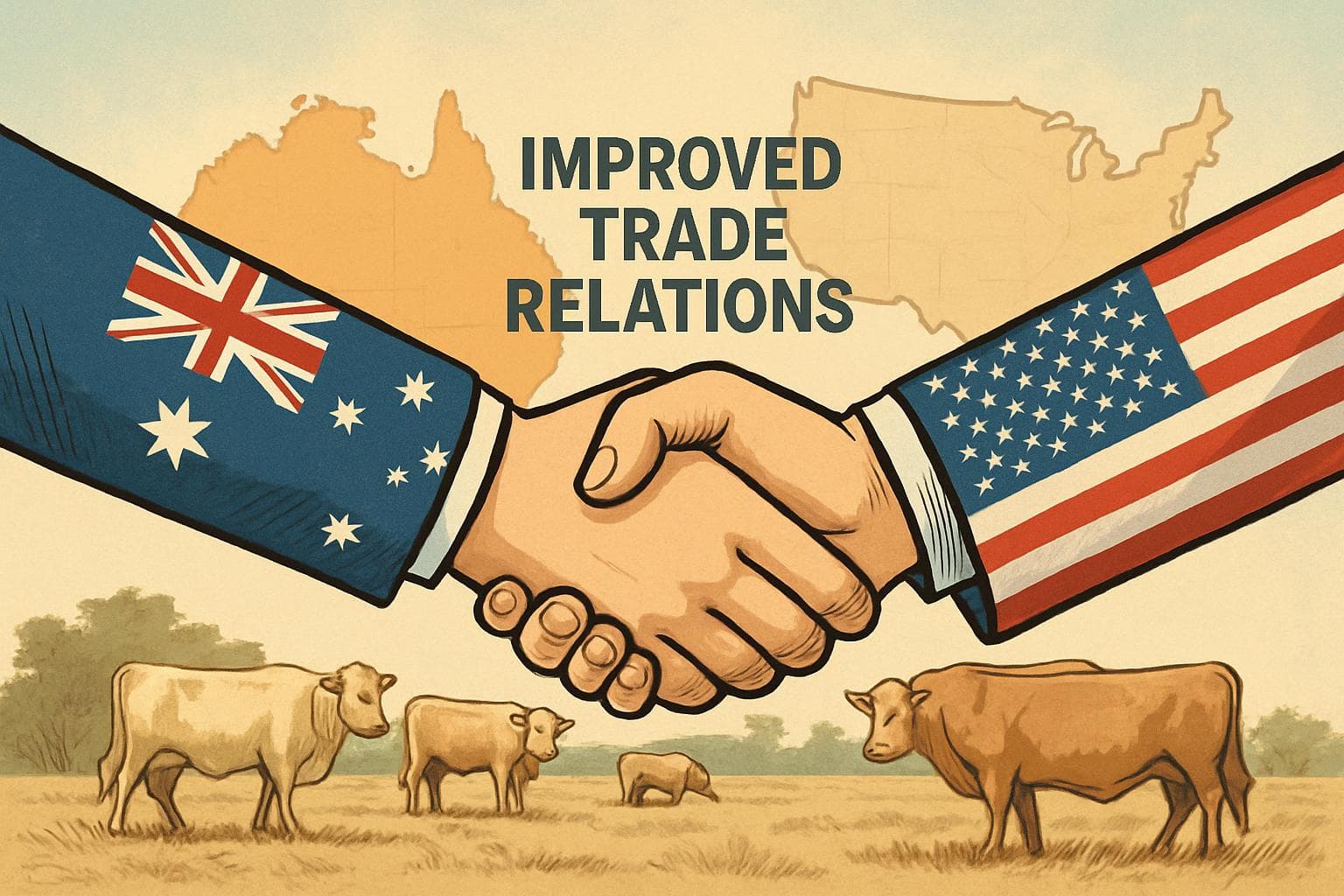
Australia has announced the lifting of its longstanding restrictions on US beef imports, a move that comes amid ongoing trade tensions with the United States. The ban, originally imposed in 2003 following an outbreak of bovine spongiform encephalopathy, commonly known as mad cow disease, had effectively barred American beef from entering the Australian market.
Biosecurity Concerns Addressed
The Australian government's decision follows a comprehensive review by the Department of Agriculture, which concluded that the United States has significantly improved its biosecurity measures. These enhancements include better cattle tracing protocols, allowing for more effective management of potential disease outbreaks. Agriculture Minister Julie Collins emphasized that the decision was based purely on scientific evidence, stating, "The Albanese Labor government will never compromise on biosecurity."
Political Implications and Trade Relations
The timing of the announcement has sparked debate, given the backdrop of tariffs imposed by the Trump administration on Australian exports. The US had cited Australia's beef import restrictions as a reason for these tariffs, part of President Trump's "Liberation Day" scheme. Nationals leader David Littleproud expressed skepticism, suggesting the decision might have been politically motivated to appease the US. However, Trade Minister Don Farrell dismissed these claims, asserting there was "nothing suspicious" about the timing.
Economic Impact and Industry Response
The US is Australia's largest beef export market, with trade valued at A$14bn last year. Despite the tariffs, a report by Meat and Livestock Australia indicated that beef trade had increased by about a third this year. Cattle Australia CEO Will Evans expressed confidence in the decision, highlighting the importance of maintaining a strong trading relationship with the US.
WHAT THIS MIGHT MEAN
The lifting of the US beef import ban could pave the way for improved trade negotiations between Australia and the United States. As Prime Minister Anthony Albanese prepares to engage with the Trump administration, there is potential for Australia to seek exemptions from tariffs on other exports, such as steel and pharmaceuticals. However, balancing these negotiations without compromising on biosecurity standards will be crucial. Experts suggest that maintaining transparency and scientific rigor in trade decisions will be vital to sustaining public trust and international relations.
Related Articles
Canada Calls for De-escalation Amid US-Israel Strikes on Iran

Iran Postpones Khamenei Funeral Amid Escalating US-Israeli Strikes

US-Iran Tensions Escalate Amid Renewed Nuclear Talks and Protests
Trump Raises Import Tariffs to 15% After Supreme Court Setback

Canada and Australia Forge Strategic Partnership Amid Global Uncertainty
Trump's New Tariff Strategy Sparks Global Trade Uncertainty
Australia Lifts US Beef Import Ban Amidst Trade Tensions
In This Article
 Ethan Brooks| Published
 HIGHLIGHTS
- Australia lifts restrictions on US beef imports, previously banned due to mad cow disease concerns since 2003.
- The decision follows a decade-long review, with the US improving cattle tracing protocols to manage biosecurity risks.
- The move comes amid tensions over tariffs imposed by the Trump administration on Australian exports.
- Agriculture Minister Julie Collins insists the decision is science-based, despite opposition claims of political motives.
- The US remains Australia's largest beef export market, valued at A$14bn last year.
Australia has announced the lifting of its longstanding restrictions on US beef imports, a move that comes amid ongoing trade tensions with the United States. The ban, originally imposed in 2003 following an outbreak of bovine spongiform encephalopathy, commonly known as mad cow disease, had effectively barred American beef from entering the Australian market.
Biosecurity Concerns Addressed
The Australian government's decision follows a comprehensive review by the Department of Agriculture, which concluded that the United States has significantly improved its biosecurity measures. These enhancements include better cattle tracing protocols, allowing for more effective management of potential disease outbreaks. Agriculture Minister Julie Collins emphasized that the decision was based purely on scientific evidence, stating, "The Albanese Labor government will never compromise on biosecurity."
Political Implications and Trade Relations
The timing of the announcement has sparked debate, given the backdrop of tariffs imposed by the Trump administration on Australian exports. The US had cited Australia's beef import restrictions as a reason for these tariffs, part of President Trump's "Liberation Day" scheme. Nationals leader David Littleproud expressed skepticism, suggesting the decision might have been politically motivated to appease the US. However, Trade Minister Don Farrell dismissed these claims, asserting there was "nothing suspicious" about the timing.
Economic Impact and Industry Response
The US is Australia's largest beef export market, with trade valued at A$14bn last year. Despite the tariffs, a report by Meat and Livestock Australia indicated that beef trade had increased by about a third this year. Cattle Australia CEO Will Evans expressed confidence in the decision, highlighting the importance of maintaining a strong trading relationship with the US.
WHAT THIS MIGHT MEAN
The lifting of the US beef import ban could pave the way for improved trade negotiations between Australia and the United States. As Prime Minister Anthony Albanese prepares to engage with the Trump administration, there is potential for Australia to seek exemptions from tariffs on other exports, such as steel and pharmaceuticals. However, balancing these negotiations without compromising on biosecurity standards will be crucial. Experts suggest that maintaining transparency and scientific rigor in trade decisions will be vital to sustaining public trust and international relations.
Related Articles
Canada Calls for De-escalation Amid US-Israel Strikes on Iran
Iran Postpones Khamenei Funeral Amid Escalating US-Israeli Strikes
US-Iran Tensions Escalate Amid Renewed Nuclear Talks and Protests
Trump Raises Import Tariffs to 15% After Supreme Court Setback
Canada and Australia Forge Strategic Partnership Amid Global Uncertainty
Trump's New Tariff Strategy Sparks Global Trade Uncertainty