
Australia Expels Iranian Ambassador Over Alleged Antisemitic Attacks

In This Article
HIGHLIGHTS
- Australia has expelled Iran's ambassador following allegations of orchestrated antisemitic attacks in Sydney and Melbourne.
- The Australian Security Intelligence Organisation (Asio) identified Iran's Islamic Revolutionary Guard Corps (IRGC) as responsible for these attacks.
- Prime Minister Anthony Albanese described the incidents as "extraordinary and dangerous acts of aggression" by a foreign nation.
- The expulsion marks the first removal of a foreign ambassador from Australia since World War Two.
- Australia plans to designate the IRGC as a terrorist organization, pending legislative changes.
In a significant diplomatic move, Australia has expelled Iran's ambassador, Ahmad Sadeghi, following allegations that the Iranian government orchestrated antisemitic attacks on Australian soil. Prime Minister Anthony Albanese announced the decision, citing "credible intelligence" from the Australian Security Intelligence Organisation (Asio) that Iran's Islamic Revolutionary Guard Corps (IRGC) was behind the incidents targeting Jewish sites in Sydney and Melbourne last year.
Allegations and Diplomatic Fallout
The attacks, which occurred at Lewis' Continental Kitchen in Sydney on October 20 and the Adass Israel Synagogue in Melbourne on December 6, involved arson but resulted in no injuries. Asio's director-general, Mike Burgess, stated that the IRGC used a network of intermediaries to carry out these acts, aiming to disrupt social cohesion within Australia. The expulsion of Ambassador Sadeghi and three other Iranian officials marks the first such diplomatic action by Australia since World War Two. In response, Australia has also suspended operations at its embassy in Tehran, urging its citizens to avoid travel to Iran.
Government and Community Reactions
Foreign Minister Penny Wong emphasized the gravity of the situation, stating that the actions warranted the expulsion and that the government would continue to monitor potential Iranian involvement in other antisemitic incidents. The Jewish community in Australia expressed both shock and a sense of vindication, having long felt under threat. Rabbi Gabi Kaltmann of Melbourne described the community as "reeling" but "united" in the face of these revelations.
Legislative and Security Measures
In addition to the expulsions, the Australian government plans to list the IRGC as a terrorist organization, a move that requires changes to the federal criminal code. Opposition leader Sussan Ley supported the government's actions, condemning the foreign interference as a threat to Australia's social fabric. The Israeli embassy in Canberra welcomed the decision, calling it a "strong and important move."
WHAT THIS MIGHT MEAN
The expulsion of Iran's ambassador could lead to heightened diplomatic tensions between Australia and Iran, potentially impacting trade and bilateral relations. The designation of the IRGC as a terrorist organization may further strain ties, prompting retaliatory measures from Tehran. Experts suggest that Australia must remain vigilant against foreign interference, particularly in safeguarding its diverse communities. The government's decisive response may set a precedent for handling similar threats in the future, reinforcing its commitment to national security and social cohesion.
Related Articles

Canada and Australia Forge Strategic Partnership Amid Global Uncertainty
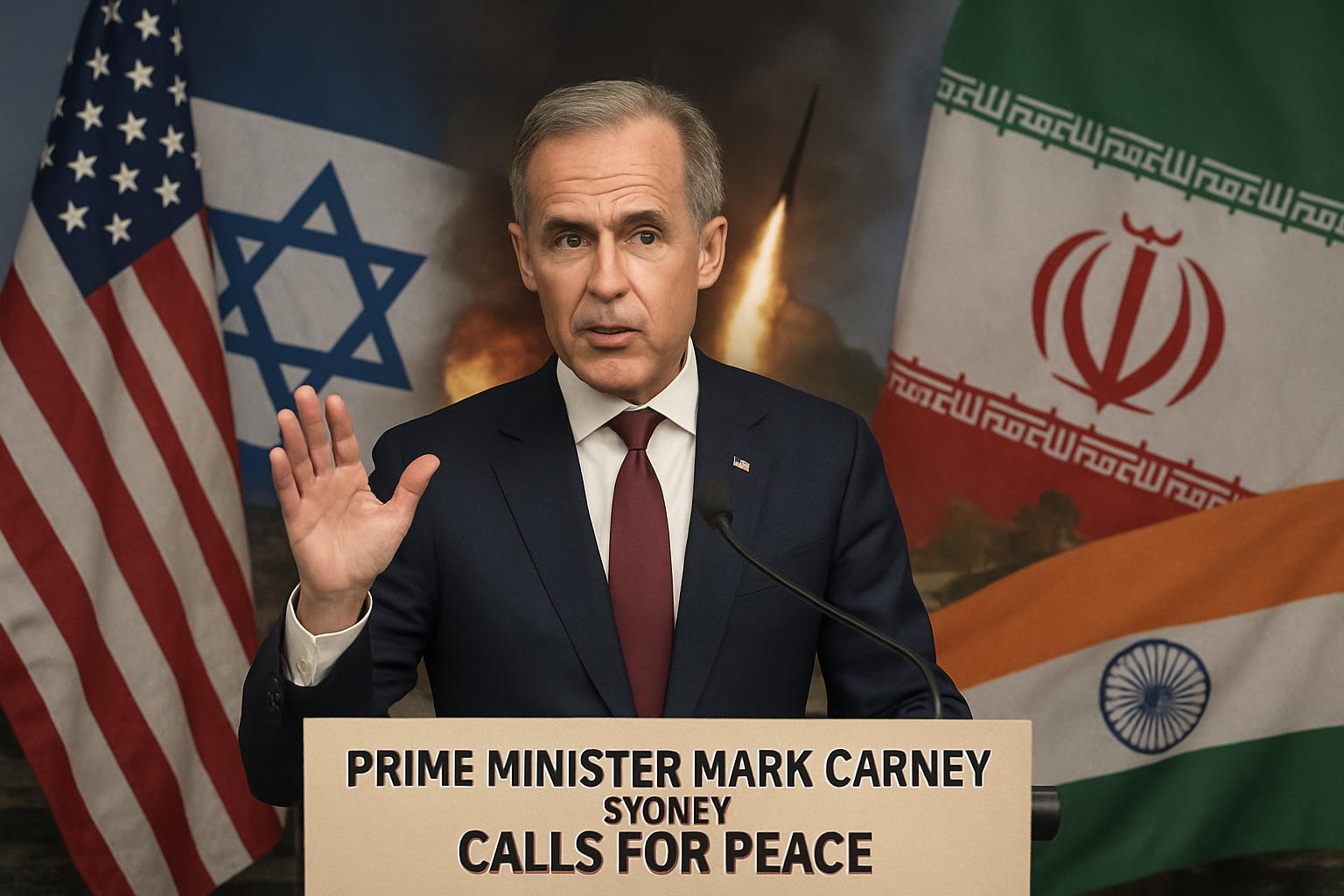
Canada Calls for De-escalation Amid US-Israel Strikes on Iran
Intensified US-Israel Strikes on Iran Spark Global Outcry

US-Iran Tensions Escalate Amid Renewed Nuclear Talks and Protests

Middle East Conflict Drives UK Energy Prices to New Highs

UK Faces Dilemmas Amid Iran Conflict and China Spying Allegations
Australia Expels Iranian Ambassador Over Alleged Antisemitic Attacks
In This Article
HIGHLIGHTS
- Australia has expelled Iran's ambassador following allegations of orchestrated antisemitic attacks in Sydney and Melbourne.
- The Australian Security Intelligence Organisation (Asio) identified Iran's Islamic Revolutionary Guard Corps (IRGC) as responsible for these attacks.
- Prime Minister Anthony Albanese described the incidents as "extraordinary and dangerous acts of aggression" by a foreign nation.
- The expulsion marks the first removal of a foreign ambassador from Australia since World War Two.
- Australia plans to designate the IRGC as a terrorist organization, pending legislative changes.
In a significant diplomatic move, Australia has expelled Iran's ambassador, Ahmad Sadeghi, following allegations that the Iranian government orchestrated antisemitic attacks on Australian soil. Prime Minister Anthony Albanese announced the decision, citing "credible intelligence" from the Australian Security Intelligence Organisation (Asio) that Iran's Islamic Revolutionary Guard Corps (IRGC) was behind the incidents targeting Jewish sites in Sydney and Melbourne last year.
Allegations and Diplomatic Fallout
The attacks, which occurred at Lewis' Continental Kitchen in Sydney on October 20 and the Adass Israel Synagogue in Melbourne on December 6, involved arson but resulted in no injuries. Asio's director-general, Mike Burgess, stated that the IRGC used a network of intermediaries to carry out these acts, aiming to disrupt social cohesion within Australia. The expulsion of Ambassador Sadeghi and three other Iranian officials marks the first such diplomatic action by Australia since World War Two. In response, Australia has also suspended operations at its embassy in Tehran, urging its citizens to avoid travel to Iran.
Government and Community Reactions
Foreign Minister Penny Wong emphasized the gravity of the situation, stating that the actions warranted the expulsion and that the government would continue to monitor potential Iranian involvement in other antisemitic incidents. The Jewish community in Australia expressed both shock and a sense of vindication, having long felt under threat. Rabbi Gabi Kaltmann of Melbourne described the community as "reeling" but "united" in the face of these revelations.
Legislative and Security Measures
In addition to the expulsions, the Australian government plans to list the IRGC as a terrorist organization, a move that requires changes to the federal criminal code. Opposition leader Sussan Ley supported the government's actions, condemning the foreign interference as a threat to Australia's social fabric. The Israeli embassy in Canberra welcomed the decision, calling it a "strong and important move."
WHAT THIS MIGHT MEAN
The expulsion of Iran's ambassador could lead to heightened diplomatic tensions between Australia and Iran, potentially impacting trade and bilateral relations. The designation of the IRGC as a terrorist organization may further strain ties, prompting retaliatory measures from Tehran. Experts suggest that Australia must remain vigilant against foreign interference, particularly in safeguarding its diverse communities. The government's decisive response may set a precedent for handling similar threats in the future, reinforcing its commitment to national security and social cohesion.
Related Articles
Canada and Australia Forge Strategic Partnership Amid Global Uncertainty
Canada Calls for De-escalation Amid US-Israel Strikes on Iran
Intensified US-Israel Strikes on Iran Spark Global Outcry
US-Iran Tensions Escalate Amid Renewed Nuclear Talks and Protests
Middle East Conflict Drives UK Energy Prices to New Highs
UK Faces Dilemmas Amid Iran Conflict and China Spying Allegations