
Austrian Climber Convicted in Girlfriend's Tragic Mountain Death
In This Article
HIGHLIGHTS
- Austrian climber Thomas P was convicted of gross negligent manslaughter after his girlfriend, Kerstin G, died of hypothermia on Grossglockner mountain in January 2025.
- Thomas P received a five-month suspended sentence and a €9,600 fine, with the court considering his clean record and personal loss as mitigating factors.
- The prosecution argued Thomas P failed to adequately prepare for the climb and did not call for help in time, despite severe weather conditions.
- The case has sparked debate over legal liability in mountain sports, highlighting the risks climbers face in extreme environments.
- Thomas P expressed deep remorse, stating he loved Kerstin and did not intend for any harm to come to her.
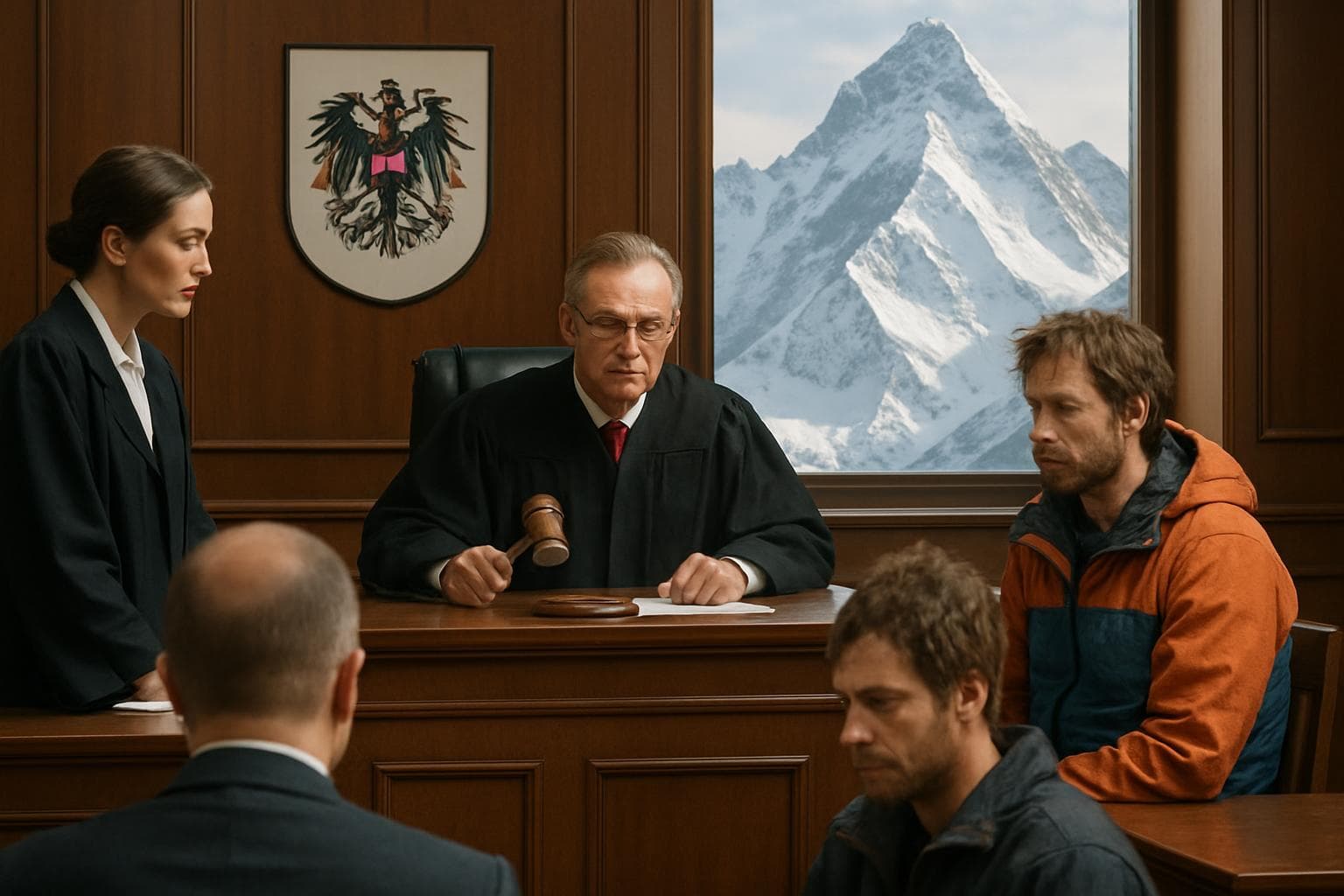
An Austrian court has found Thomas P guilty of gross negligent manslaughter following the death of his girlfriend, Kerstin G, during a climbing expedition on Grossglockner mountain. The verdict, delivered in Innsbruck, has ignited discussions about the extent of legal responsibility in the perilous realm of mountain sports.
The Incident and Trial
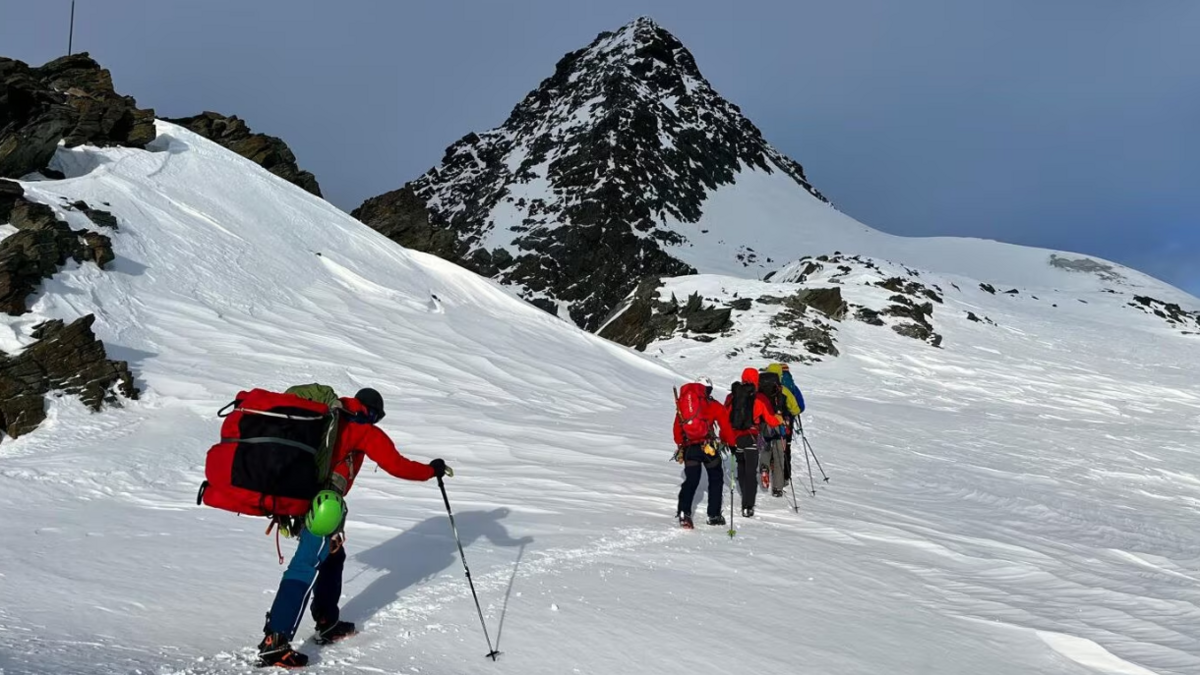
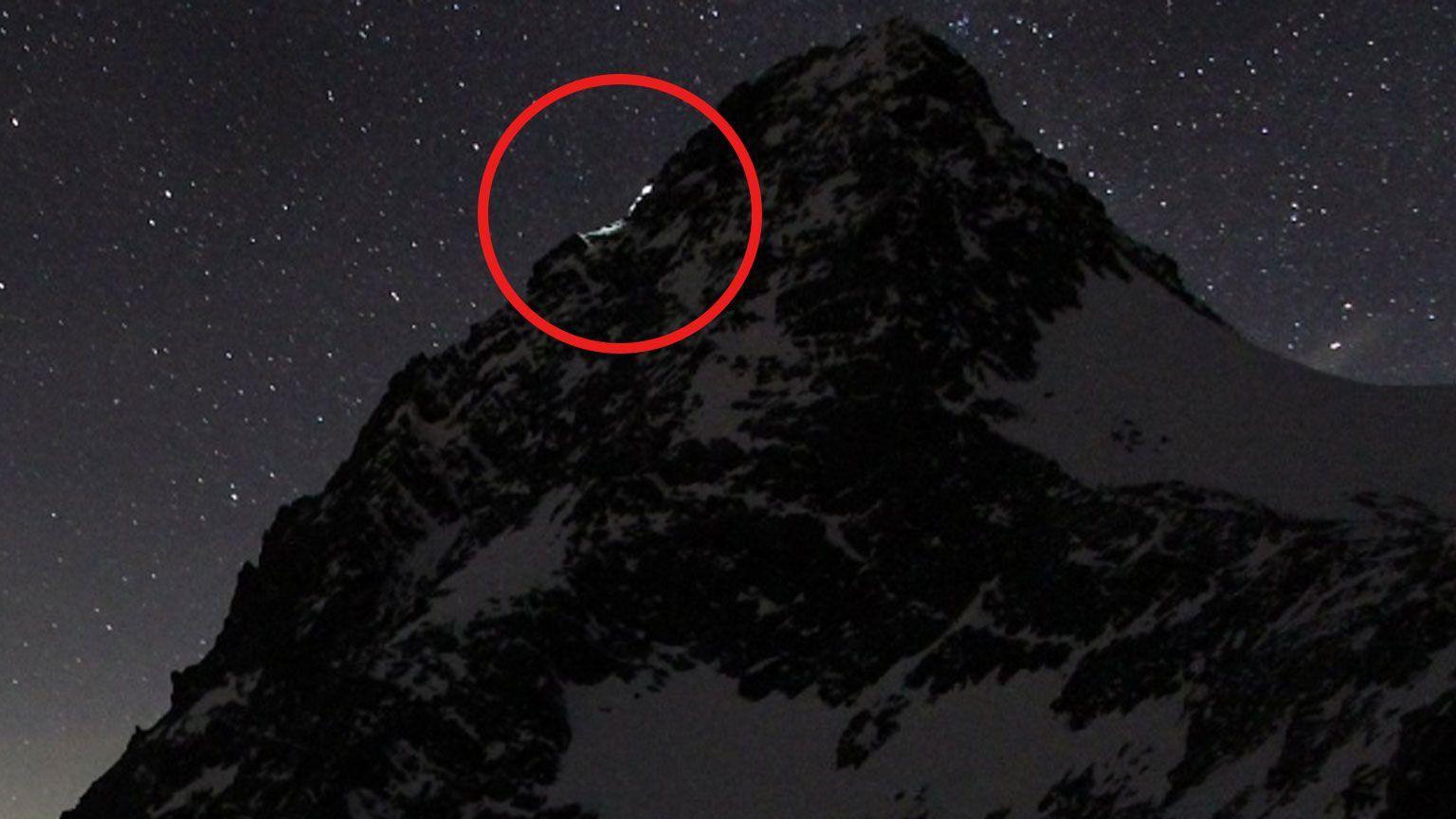
On a frigid night in January 2025, Kerstin G succumbed to hypothermia just 50 meters from the summit of Austria's highest peak. Thomas P, a seasoned climber, left her to seek help, but failed to alert rescue teams promptly. The prosecution argued that as the more experienced climber, Thomas P bore the responsibility to ensure their safety, criticizing his lack of preparation and failure to turn back amid worsening weather conditions.
Court's Decision and Sentencing
Judge Norbert Hofer, an experienced mountaineer himself, sentenced Thomas P to a five-month suspended prison term and a €9,600 fine. The court acknowledged his previous clean record and personal loss as mitigating factors. Despite the conviction, the judge emphasized that Thomas P was not seen as cold-hearted, acknowledging his attempt to seek help.
Emotional Testimonies and Public Reaction
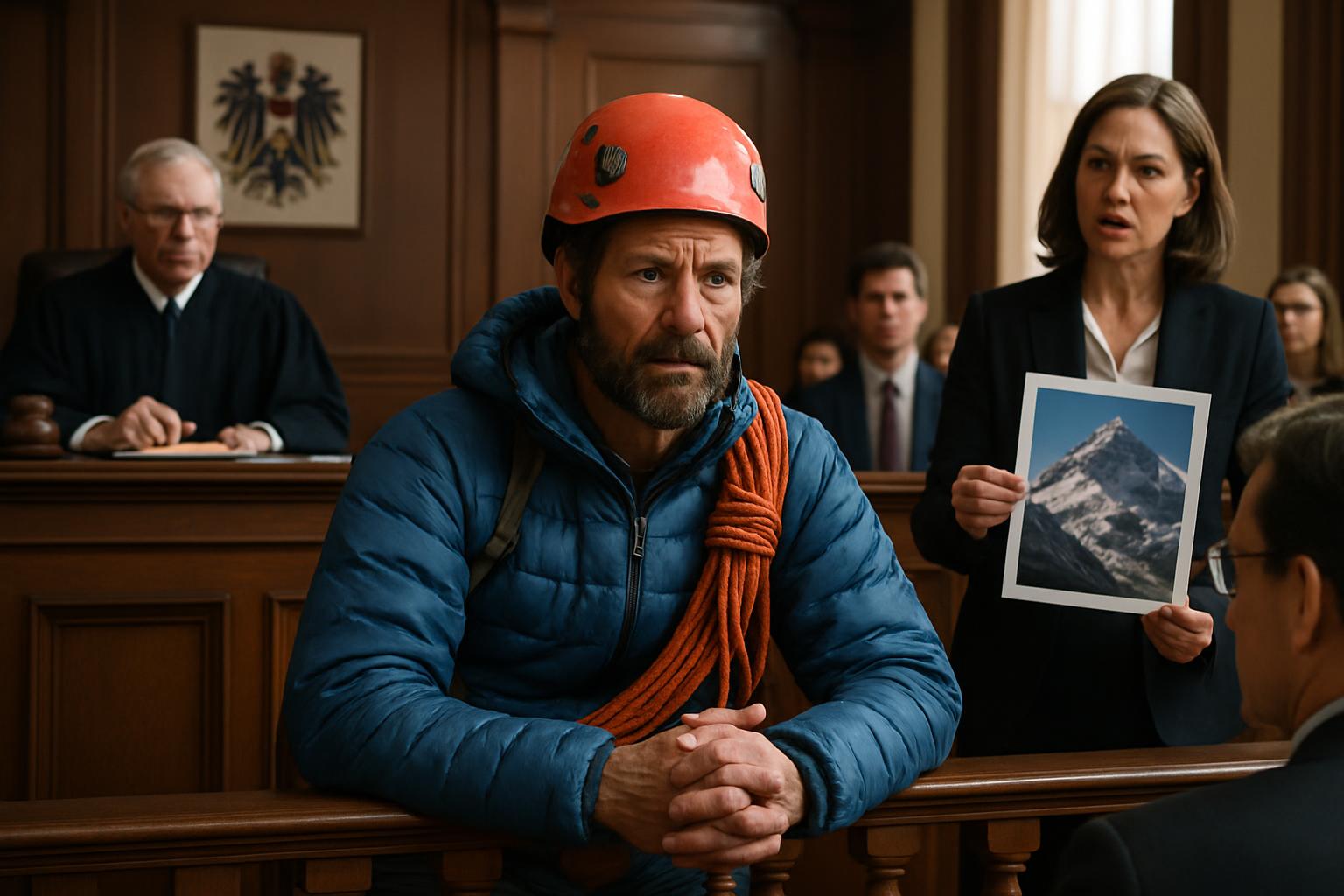
Throughout the trial, Thomas P maintained his innocence, expressing profound sorrow over the incident. "I am endlessly sorry about what happened," he stated, emphasizing that both he and Kerstin had planned the climb together. The case has drawn significant public attention, with debates emerging over the legal implications for climbers in high-risk environments.
WHAT THIS MIGHT MEAN
The conviction of Thomas P may set a precedent for future cases involving mountaineering accidents, potentially influencing international standards for liability in extreme sports. Legal experts suggest that this case could lead to stricter regulations and guidelines for climbers, emphasizing the importance of preparation and risk assessment. As the climbing community grapples with the implications, there may be increased advocacy for clearer legal frameworks to balance personal responsibility with safety in high-risk activities.
Images from the Web

Related Articles
Climber Faces Trial Over Girlfriend's Death on Austria's Grossglockner
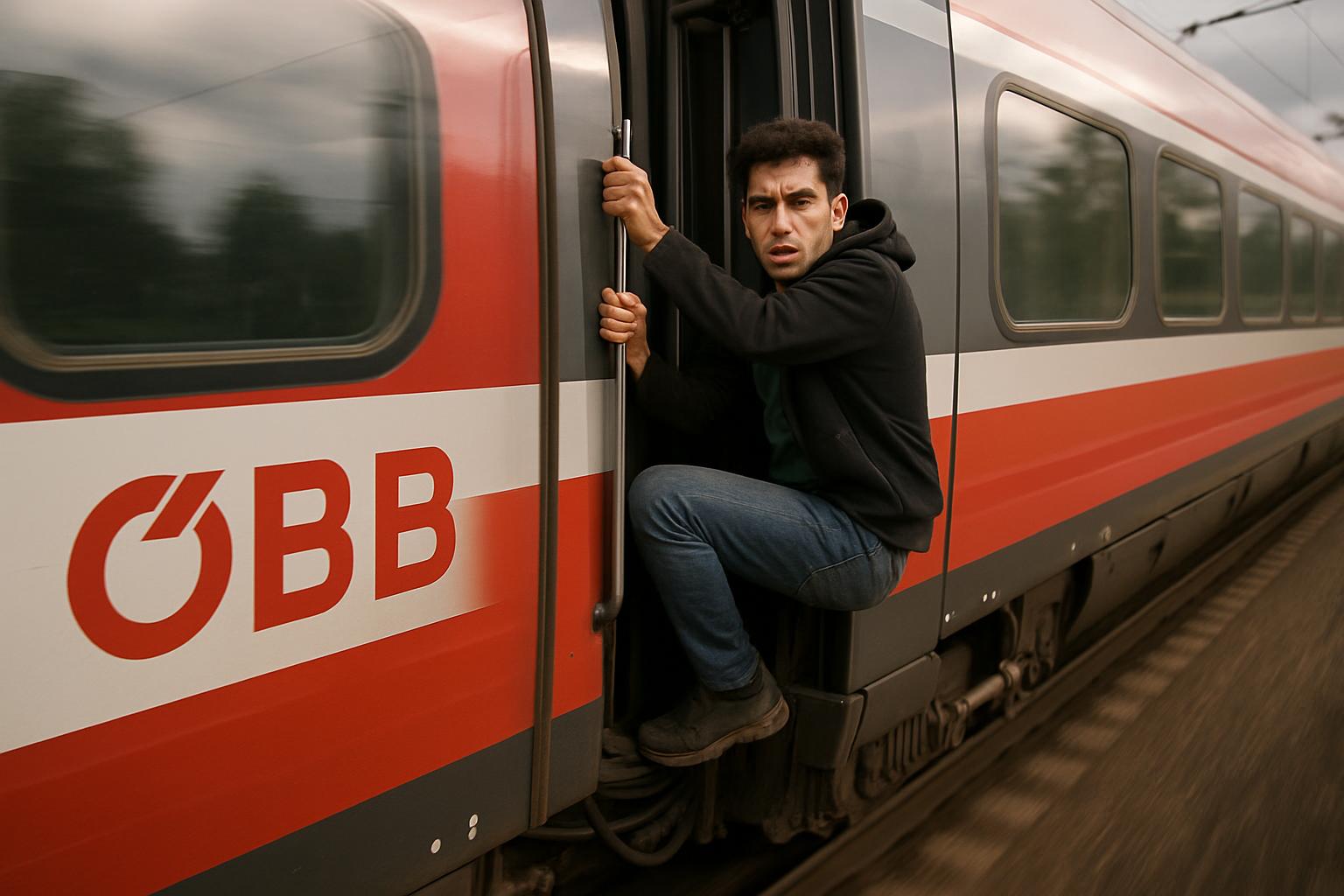
Algerian Man Arrested After Clinging to High-Speed Train in Austria

UK Loses Measles-Free Status Amid Rising Cases and Declining Vaccination Rates

Austria's Headscarf Ban for Girls Under 14 Sparks Controversy

Dignitas Founder Ludwig Minelli Dies by Assisted Suicide at 92

Austrian Nuns Allowed to Stay in Convent if They Abandon Social Media
Austrian Climber Convicted in Girlfriend's Tragic Mountain Death
In This Article
 Sofia Romano| Published
 HIGHLIGHTS
- Austrian climber Thomas P was convicted of gross negligent manslaughter after his girlfriend, Kerstin G, died of hypothermia on Grossglockner mountain in January 2025.
- Thomas P received a five-month suspended sentence and a €9,600 fine, with the court considering his clean record and personal loss as mitigating factors.
- The prosecution argued Thomas P failed to adequately prepare for the climb and did not call for help in time, despite severe weather conditions.
- The case has sparked debate over legal liability in mountain sports, highlighting the risks climbers face in extreme environments.
- Thomas P expressed deep remorse, stating he loved Kerstin and did not intend for any harm to come to her.
An Austrian court has found Thomas P guilty of gross negligent manslaughter following the death of his girlfriend, Kerstin G, during a climbing expedition on Grossglockner mountain. The verdict, delivered in Innsbruck, has ignited discussions about the extent of legal responsibility in the perilous realm of mountain sports.
The Incident and Trial
On a frigid night in January 2025, Kerstin G succumbed to hypothermia just 50 meters from the summit of Austria's highest peak. Thomas P, a seasoned climber, left her to seek help, but failed to alert rescue teams promptly. The prosecution argued that as the more experienced climber, Thomas P bore the responsibility to ensure their safety, criticizing his lack of preparation and failure to turn back amid worsening weather conditions.
Court's Decision and Sentencing
Judge Norbert Hofer, an experienced mountaineer himself, sentenced Thomas P to a five-month suspended prison term and a €9,600 fine. The court acknowledged his previous clean record and personal loss as mitigating factors. Despite the conviction, the judge emphasized that Thomas P was not seen as cold-hearted, acknowledging his attempt to seek help.
Emotional Testimonies and Public Reaction
Throughout the trial, Thomas P maintained his innocence, expressing profound sorrow over the incident. "I am endlessly sorry about what happened," he stated, emphasizing that both he and Kerstin had planned the climb together. The case has drawn significant public attention, with debates emerging over the legal implications for climbers in high-risk environments.
WHAT THIS MIGHT MEAN
The conviction of Thomas P may set a precedent for future cases involving mountaineering accidents, potentially influencing international standards for liability in extreme sports. Legal experts suggest that this case could lead to stricter regulations and guidelines for climbers, emphasizing the importance of preparation and risk assessment. As the climbing community grapples with the implications, there may be increased advocacy for clearer legal frameworks to balance personal responsibility with safety in high-risk activities.
Images from the Web
Related Articles
Climber Faces Trial Over Girlfriend's Death on Austria's Grossglockner
Algerian Man Arrested After Clinging to High-Speed Train in Austria
UK Loses Measles-Free Status Amid Rising Cases and Declining Vaccination Rates
Austria's Headscarf Ban for Girls Under 14 Sparks Controversy
Dignitas Founder Ludwig Minelli Dies by Assisted Suicide at 92
Austrian Nuns Allowed to Stay in Convent if They Abandon Social Media