
Austria's Headscarf Ban for Girls Under 14 Sparks Controversy

In This Article
HIGHLIGHTS
- Austria's new law bans headscarves for girls under 14 in schools, sparking debates on religious freedom and gender equality.
- The law, passed by a conservative-led coalition, faces criticism for potentially being unconstitutional and discriminatory.
- Families could face fines up to €800 for repeated violations, with an awareness period starting in February 2026.
- Critics, including the Islamic Community in Austria, argue the ban marginalizes Muslims and violates fundamental rights.
- The law's future is uncertain as it may be challenged in the Constitutional Court, similar to a previous ban overturned in 2020.
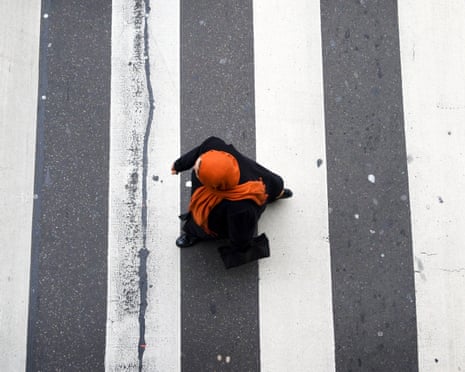
Austria has enacted a contentious law banning headscarves for girls under the age of 14 in schools, igniting debates over religious freedom and gender equality. The legislation, passed by a conservative-led coalition, aims to empower young girls but faces significant opposition for potentially infringing on religious rights.
Legislative Intent and Implementation
The new law, supported by the ÖVP, SPÖ, and Neos parties, prohibits "traditional Muslim" head coverings, such as hijabs, in both public and private schools. Proponents argue it protects girls from oppression, with Neos parliamentary leader Yannick Shetty stating, "This is not about restricting freedom, but about protecting the freedom of girls up to 14." The ban will be fully enforced in September 2026, following an awareness-raising period starting in February.
Opposition and Legal Challenges
Critics, including the Islamic Community in Austria (IGGÖ), contend that the ban is discriminatory and unconstitutional, as it targets a specific religious group. The IGGÖ plans to challenge the law, citing a 2020 Constitutional Court ruling that overturned a similar ban for girls under 10. Amnesty International and other rights organizations have also condemned the legislation, warning it could exacerbate societal divisions and stigmatize Muslim children.
Broader Implications
The opposition Freedom Party of Austria (FPÖ) supports the ban but argues it should be expanded to include all pupils and staff, claiming "political Islam has no place here." Meanwhile, Farid Hafez, a researcher at Georgetown University, suggests the debate distracts from Austria's economic challenges, including a budget deficit of 4.7% of GDP.
WHAT THIS MIGHT MEAN
The future of Austria's headscarf ban remains uncertain, as it may face legal challenges in the Constitutional Court. If overturned, the ruling could reaffirm the protection of religious freedoms in Austria. However, if upheld, the law might set a precedent for similar measures across Europe, potentially influencing policies on religious expression in schools. Experts warn that regardless of the court's decision, the societal impact of the debate may persist, affecting Austria's Muslim community and broader discussions on integration and equality.
Images from the Web
Related Articles

Austrian Climber Convicted in Girlfriend's Tragic Mountain Death

Climber Faces Trial Over Girlfriend's Death on Austria's Grossglockner
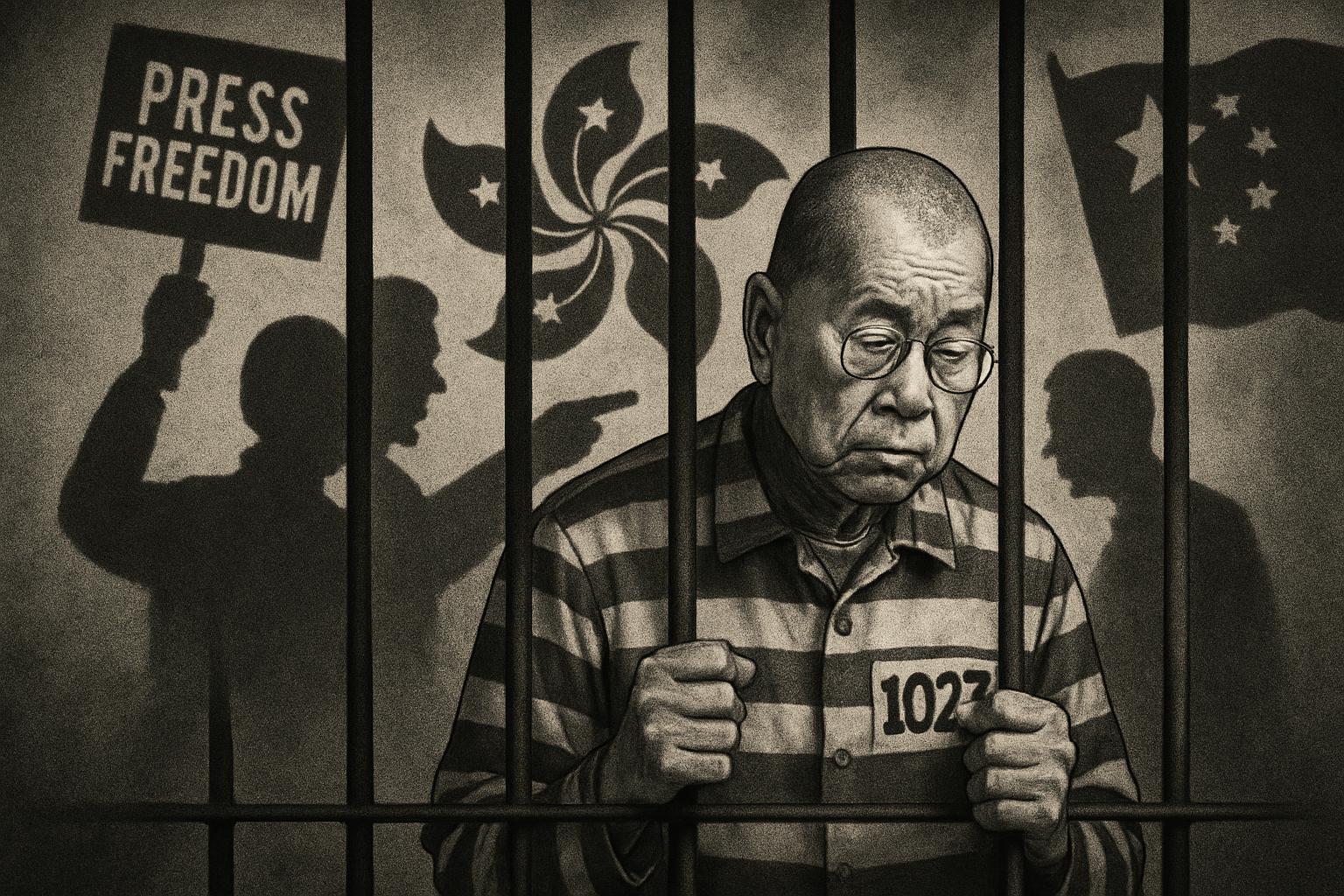
Jimmy Lai Sentenced to 20 Years in Hong Kong: A Blow to Press Freedom and Pro-Democracy Activism

Nigerian Villages Devastated by Deadly Jihadist Attack
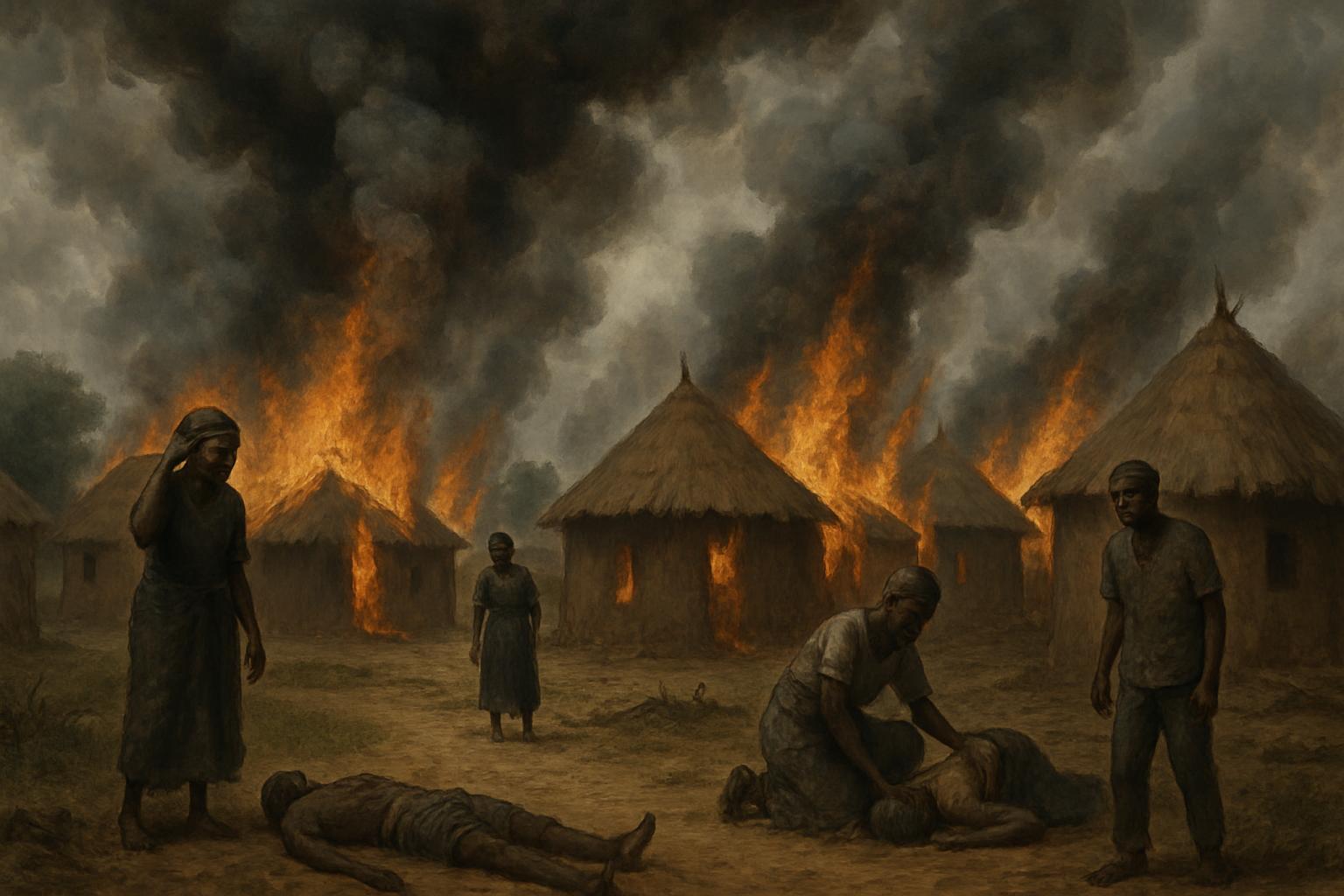
Deadly Attacks in Nigeria's Kwara State Leave Over 160 Dead
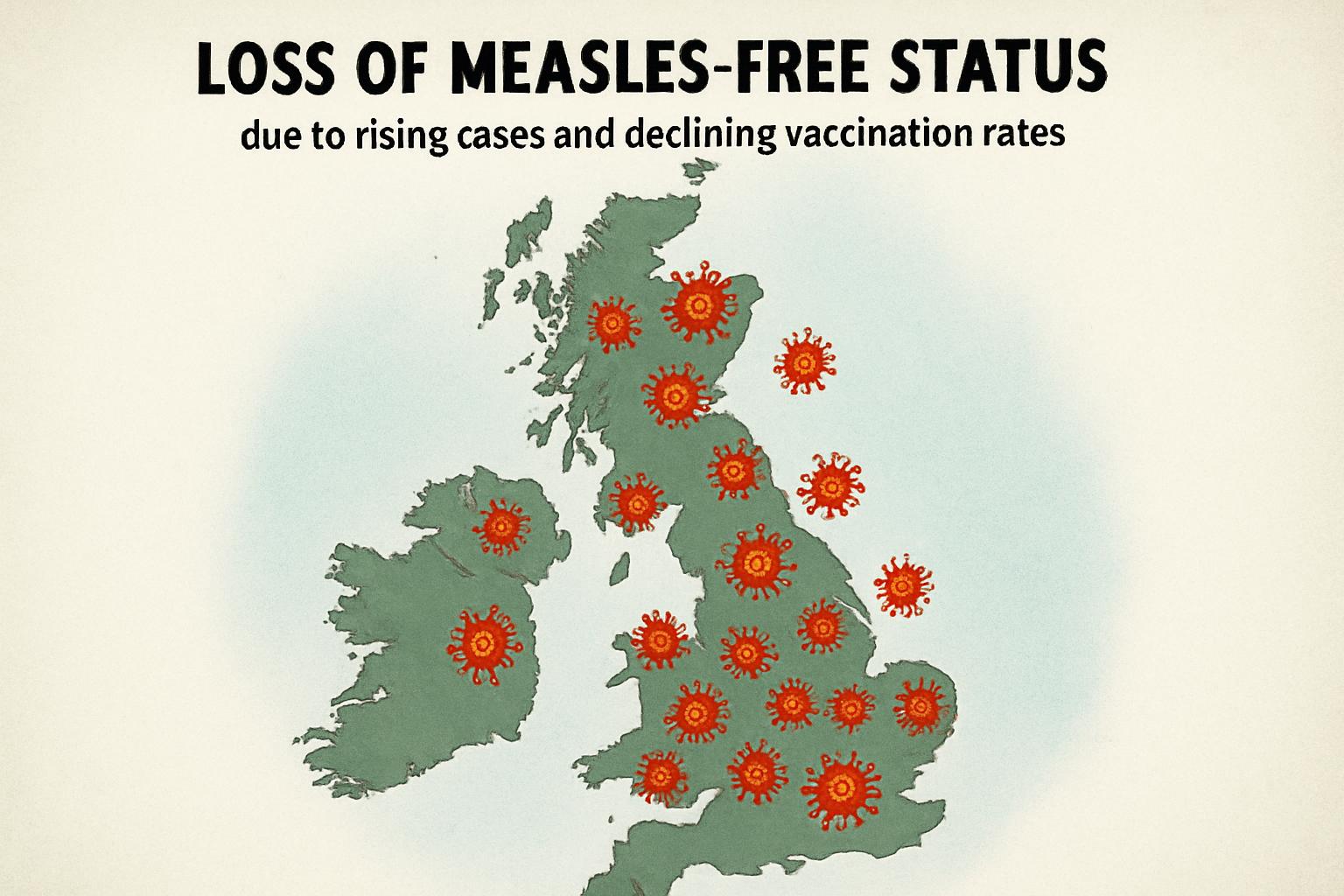
UK Loses Measles-Free Status Amid Rising Cases and Declining Vaccination Rates
Austria's Headscarf Ban for Girls Under 14 Sparks Controversy
In This Article
 Sofia Romano| Published
 HIGHLIGHTS
- Austria's new law bans headscarves for girls under 14 in schools, sparking debates on religious freedom and gender equality.
- The law, passed by a conservative-led coalition, faces criticism for potentially being unconstitutional and discriminatory.
- Families could face fines up to €800 for repeated violations, with an awareness period starting in February 2026.
- Critics, including the Islamic Community in Austria, argue the ban marginalizes Muslims and violates fundamental rights.
- The law's future is uncertain as it may be challenged in the Constitutional Court, similar to a previous ban overturned in 2020.
Austria has enacted a contentious law banning headscarves for girls under the age of 14 in schools, igniting debates over religious freedom and gender equality. The legislation, passed by a conservative-led coalition, aims to empower young girls but faces significant opposition for potentially infringing on religious rights.
Legislative Intent and Implementation
The new law, supported by the ÖVP, SPÖ, and Neos parties, prohibits "traditional Muslim" head coverings, such as hijabs, in both public and private schools. Proponents argue it protects girls from oppression, with Neos parliamentary leader Yannick Shetty stating, "This is not about restricting freedom, but about protecting the freedom of girls up to 14." The ban will be fully enforced in September 2026, following an awareness-raising period starting in February.
Opposition and Legal Challenges
Critics, including the Islamic Community in Austria (IGGÖ), contend that the ban is discriminatory and unconstitutional, as it targets a specific religious group. The IGGÖ plans to challenge the law, citing a 2020 Constitutional Court ruling that overturned a similar ban for girls under 10. Amnesty International and other rights organizations have also condemned the legislation, warning it could exacerbate societal divisions and stigmatize Muslim children.
Broader Implications
The opposition Freedom Party of Austria (FPÖ) supports the ban but argues it should be expanded to include all pupils and staff, claiming "political Islam has no place here." Meanwhile, Farid Hafez, a researcher at Georgetown University, suggests the debate distracts from Austria's economic challenges, including a budget deficit of 4.7% of GDP.
WHAT THIS MIGHT MEAN
The future of Austria's headscarf ban remains uncertain, as it may face legal challenges in the Constitutional Court. If overturned, the ruling could reaffirm the protection of religious freedoms in Austria. However, if upheld, the law might set a precedent for similar measures across Europe, potentially influencing policies on religious expression in schools. Experts warn that regardless of the court's decision, the societal impact of the debate may persist, affecting Austria's Muslim community and broader discussions on integration and equality.
Images from the Web
Related Articles
Austrian Climber Convicted in Girlfriend's Tragic Mountain Death
Climber Faces Trial Over Girlfriend's Death on Austria's Grossglockner
Jimmy Lai Sentenced to 20 Years in Hong Kong: A Blow to Press Freedom and Pro-Democracy Activism
Nigerian Villages Devastated by Deadly Jihadist Attack
Deadly Attacks in Nigeria's Kwara State Leave Over 160 Dead
UK Loses Measles-Free Status Amid Rising Cases and Declining Vaccination Rates