
Climber Faces Trial Over Girlfriend's Death on Austria's Grossglockner
In This Article
HIGHLIGHTS
- Thomas P is on trial for gross negligent manslaughter after his girlfriend, Kerstin G, died of hypothermia on Austria's Grossglockner mountain in January 2025.
- Prosecutors argue Thomas P, as the more experienced climber, failed to ensure safety and made critical errors, including inadequate equipment and poor decision-making.
- The trial has sparked international debate on the responsibilities of experienced climbers and could impact legal standards in mountain sports.
- Thomas P denies the charges, claiming both were well-prepared and experienced, and describes the incident as a tragic accident.
- If convicted, Thomas P faces up to three years in prison, highlighting the potential legal implications for future climbing expeditions.
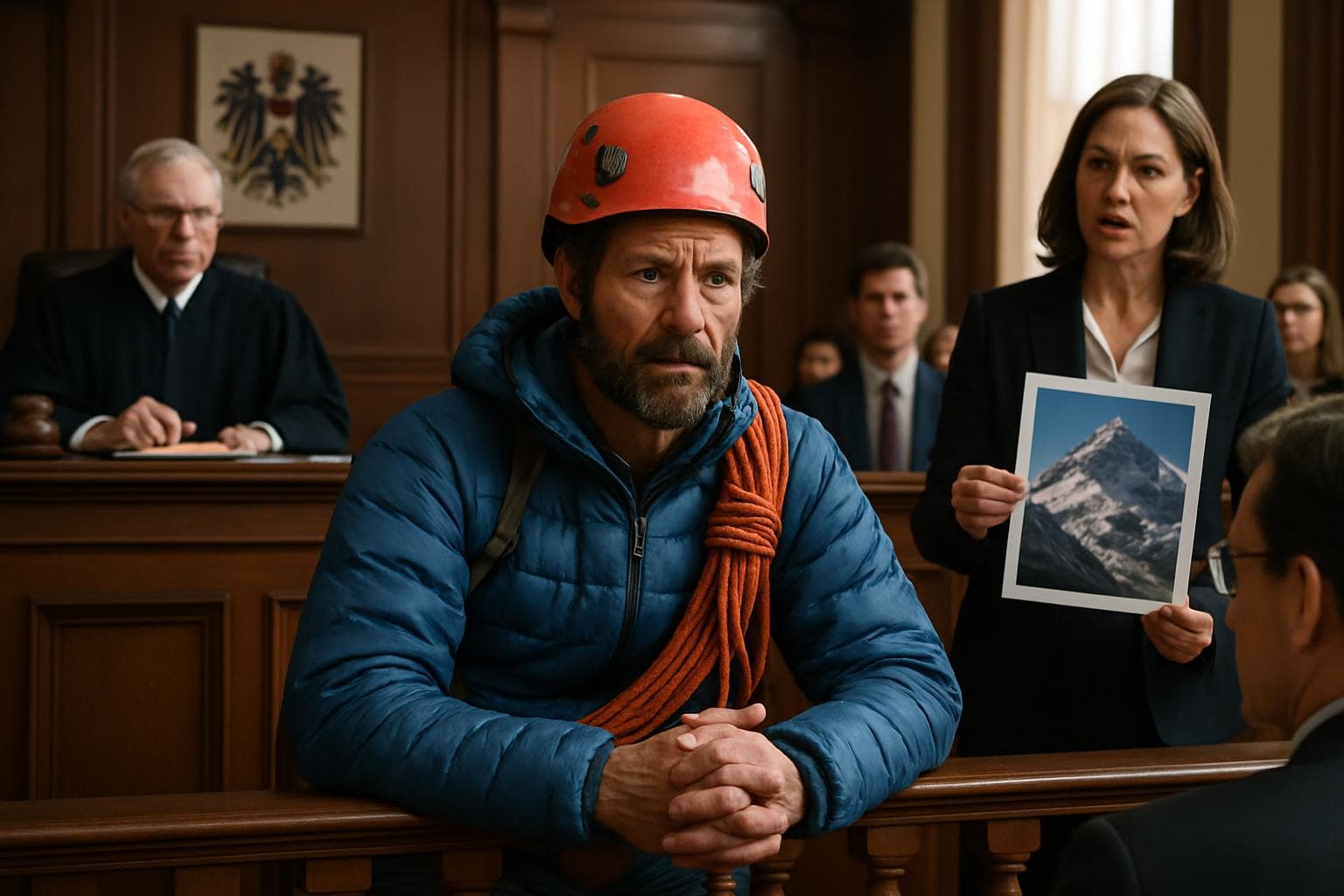
The trial of Thomas P, an Austrian mountaineer accused of gross negligent manslaughter, has commenced following the tragic death of his girlfriend, Kerstin G, on the Grossglockner mountain. The case, which has captured the attention of the international climbing community, raises significant questions about the responsibilities of experienced climbers.
Incident Overview
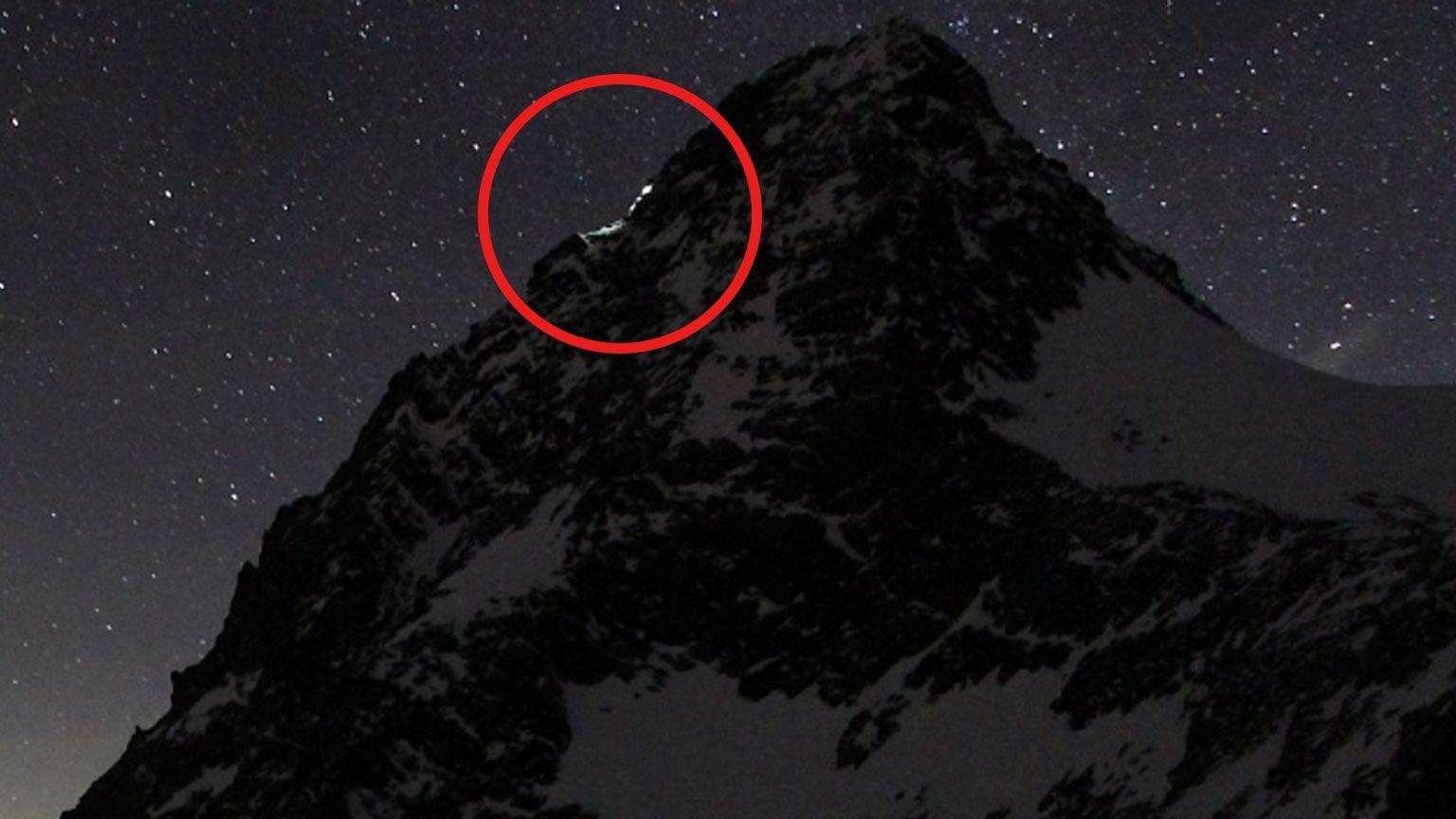
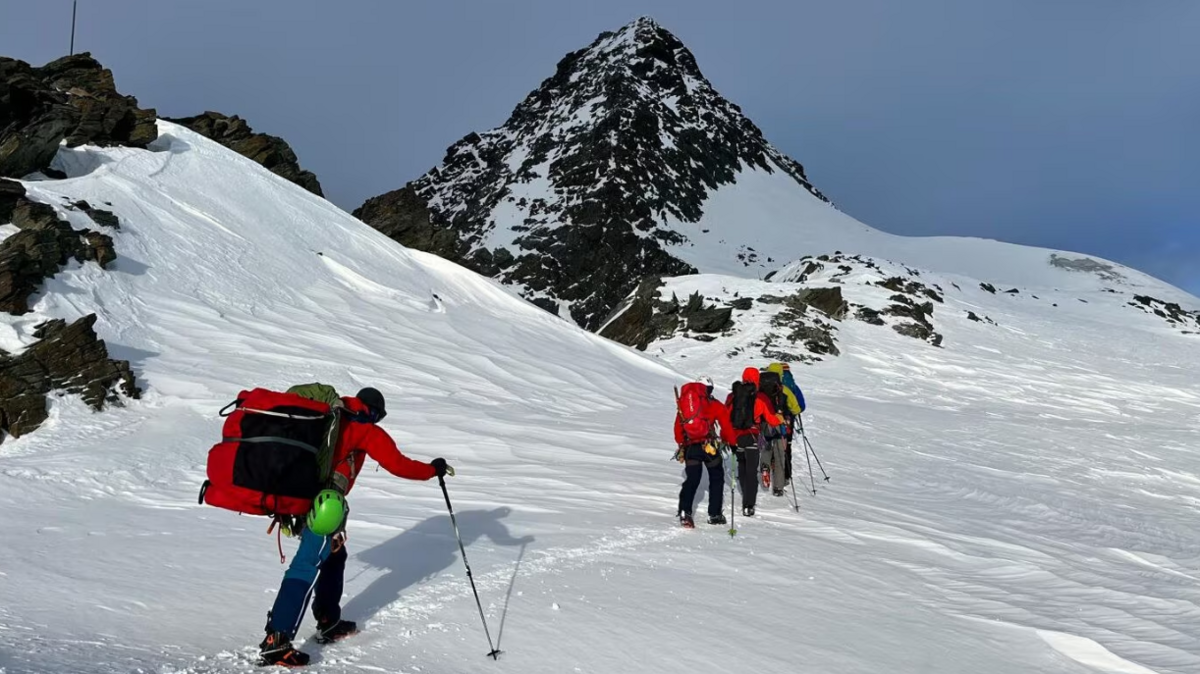
On January 19, 2025, Kerstin G, 33, succumbed to hypothermia just 50 meters below the summit of Austria's tallest peak after a grueling 17-hour ascent with her boyfriend, Thomas P, 36. Prosecutors argue that Thomas P's poor judgment and risk-taking, despite being the more experienced climber, make him criminally liable for her death. They cite nine major errors, including inadequate equipment and a failure to turn back in deteriorating conditions.
Legal Context and Defense
The trial, held in Innsbruck, could set a precedent for legal accountability in mountain sports. Prosecutors emphasize Thomas P's role as the "responsible guide," given his experience in high-altitude Alpine tours. They allege he failed to call for help in time and left Kerstin G exhausted and unprotected in extreme weather conditions. Thomas P's lawyer, Karl Jelinek, disputes these claims, asserting that both climbers were adequately prepared and experienced. He describes the incident as a tragic accident rather than a case of negligence.
Public and Personal Reactions
The case has ignited discussions about the balance between personal judgment and legal liability in mountaineering. Kerstin G's mother, Gertraud G, is expected to testify, having stated she does not hold Thomas P responsible for her daughter's death. The trial's outcome could influence future legal standards for climbers, especially those acting as informal guides.
WHAT THIS MIGHT MEAN
The trial's verdict could have far-reaching implications for the mountaineering community. A conviction may lead to stricter legal standards and increased scrutiny on climbers' responsibilities, potentially affecting how climbing expeditions are planned and executed. Experts suggest this case could prompt a reevaluation of safety protocols and liability in extreme sports. As the trial unfolds, it will be closely watched by both legal professionals and outdoor enthusiasts, eager to understand its impact on the future of mountain sports.
Images from the Web


Related Articles

Austrian Climber Convicted in Girlfriend's Tragic Mountain Death

Algerian Man Arrested After Clinging to High-Speed Train in Austria

UK Loses Measles-Free Status Amid Rising Cases and Declining Vaccination Rates

Austria's Headscarf Ban for Girls Under 14 Sparks Controversy

Dignitas Founder Ludwig Minelli Dies by Assisted Suicide at 92

Austrian Nuns Allowed to Stay in Convent if They Abandon Social Media
Climber Faces Trial Over Girlfriend's Death on Austria's Grossglockner
In This Article
 Sofia Romano| Published
 HIGHLIGHTS
- Thomas P is on trial for gross negligent manslaughter after his girlfriend, Kerstin G, died of hypothermia on Austria's Grossglockner mountain in January 2025.
- Prosecutors argue Thomas P, as the more experienced climber, failed to ensure safety and made critical errors, including inadequate equipment and poor decision-making.
- The trial has sparked international debate on the responsibilities of experienced climbers and could impact legal standards in mountain sports.
- Thomas P denies the charges, claiming both were well-prepared and experienced, and describes the incident as a tragic accident.
- If convicted, Thomas P faces up to three years in prison, highlighting the potential legal implications for future climbing expeditions.
The trial of Thomas P, an Austrian mountaineer accused of gross negligent manslaughter, has commenced following the tragic death of his girlfriend, Kerstin G, on the Grossglockner mountain. The case, which has captured the attention of the international climbing community, raises significant questions about the responsibilities of experienced climbers.
Incident Overview
On January 19, 2025, Kerstin G, 33, succumbed to hypothermia just 50 meters below the summit of Austria's tallest peak after a grueling 17-hour ascent with her boyfriend, Thomas P, 36. Prosecutors argue that Thomas P's poor judgment and risk-taking, despite being the more experienced climber, make him criminally liable for her death. They cite nine major errors, including inadequate equipment and a failure to turn back in deteriorating conditions.
Legal Context and Defense
The trial, held in Innsbruck, could set a precedent for legal accountability in mountain sports. Prosecutors emphasize Thomas P's role as the "responsible guide," given his experience in high-altitude Alpine tours. They allege he failed to call for help in time and left Kerstin G exhausted and unprotected in extreme weather conditions. Thomas P's lawyer, Karl Jelinek, disputes these claims, asserting that both climbers were adequately prepared and experienced. He describes the incident as a tragic accident rather than a case of negligence.
Public and Personal Reactions
The case has ignited discussions about the balance between personal judgment and legal liability in mountaineering. Kerstin G's mother, Gertraud G, is expected to testify, having stated she does not hold Thomas P responsible for her daughter's death. The trial's outcome could influence future legal standards for climbers, especially those acting as informal guides.
WHAT THIS MIGHT MEAN
The trial's verdict could have far-reaching implications for the mountaineering community. A conviction may lead to stricter legal standards and increased scrutiny on climbers' responsibilities, potentially affecting how climbing expeditions are planned and executed. Experts suggest this case could prompt a reevaluation of safety protocols and liability in extreme sports. As the trial unfolds, it will be closely watched by both legal professionals and outdoor enthusiasts, eager to understand its impact on the future of mountain sports.
Images from the Web
Related Articles
Austrian Climber Convicted in Girlfriend's Tragic Mountain Death
Algerian Man Arrested After Clinging to High-Speed Train in Austria
UK Loses Measles-Free Status Amid Rising Cases and Declining Vaccination Rates
Austria's Headscarf Ban for Girls Under 14 Sparks Controversy
Dignitas Founder Ludwig Minelli Dies by Assisted Suicide at 92
Austrian Nuns Allowed to Stay in Convent if They Abandon Social Media