
Austrian Nuns Allowed to Stay in Convent if They Abandon Social Media

In This Article
HIGHLIGHTS
- Three Austrian nuns in their 80s have been allowed to stay at their former convent near Salzburg if they cease social media activities.
- The nuns, who left a care home in December 2023, have gained a large online following, sparking global interest.
- Church officials have stipulated that the nuns must also restrict access to the convent and settle legal disputes.
- The nuns have expressed dissatisfaction with the conditions, describing them as a "gagging contract."
- Supporters have provided the nuns with essentials, including food and medical care, since their return to the convent.
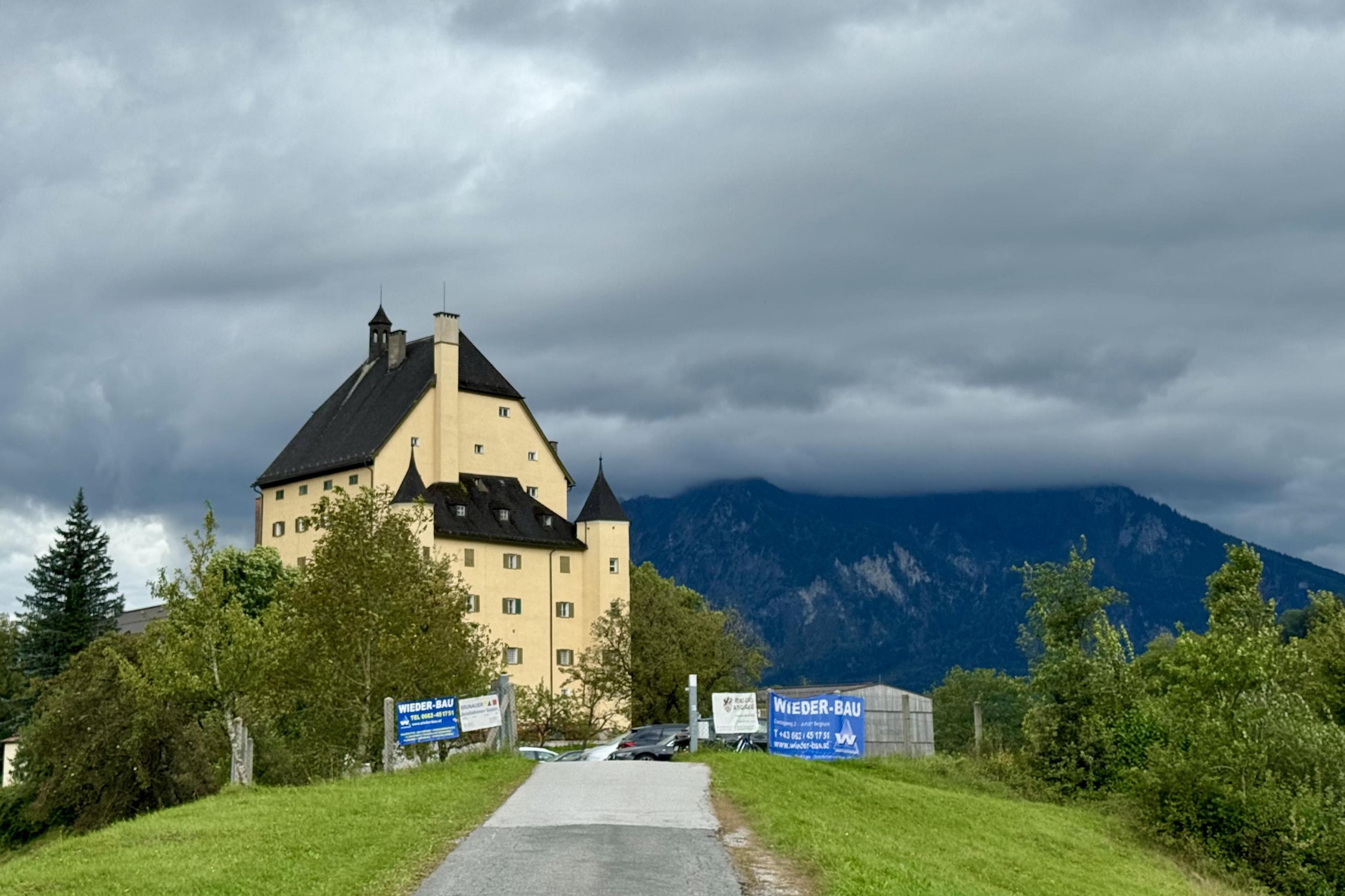
In a unique standoff that has captured international attention, three elderly Austrian nuns have been granted permission to remain in their former convent near Salzburg, provided they discontinue their social media presence. The nuns, Sister Bernadette, 88, Sister Regina, 86, and Sister Rita, 82, had previously left a Catholic care home in December 2023, returning to the Kloster Goldenstein convent in Elsbethen with the assistance of former students and local supporters.
Background and Social Media Influence
The nuns' return to the convent, which they had called home for decades, was met with disapproval from church authorities. Provost Markus Grasl from Reichersberg Abbey, their religious superior, argued that the nuns were unable to safely reside in the old stone convent and accused them of breaking their vows of obedience. Despite these claims, the nuns have garnered a substantial following on social media, where they share their daily lives and experiences, including Sister Rita's exercise routines.
Church Conditions and Nuns' Response
Following a meeting earlier this week, church officials have proposed a solution allowing the nuns to stay at the convent "until further notice," contingent upon their withdrawal from social media platforms. Additionally, the nuns must ensure that the convent's enclosed areas remain inaccessible to outsiders and resolve any outstanding legal issues. In return, they will receive medical care and spiritual support. However, the nuns have expressed dissatisfaction with these conditions, labeling them as a "gagging contract" and asserting that the social media ban lacks legal basis.
Support from the Community
Since their return, the nuns have been supported by former pupils and local residents who have provided them with food, clothing, and medical assistance. A chairlift was even installed to help them access their third-floor living quarters. The nuns' story has resonated globally, highlighting the tension between traditional religious practices and modern social media dynamics.
WHAT THIS MIGHT MEAN
The ongoing situation at Kloster Goldenstein raises questions about the balance between religious authority and personal autonomy. Should the nuns refuse the church's conditions, they may face relocation back to the care home, potentially igniting further public debate. Conversely, if they comply, it could set a precedent for how religious institutions handle similar disputes in the digital age. Experts suggest that this case may prompt broader discussions within the church regarding the role of social media in religious life and the rights of elderly clergy members.
Images from the Web

Related Articles

Austria's Headscarf Ban for Girls Under 14 Sparks Controversy
Austrian Climber Convicted in Girlfriend's Tragic Mountain Death

Climber Faces Trial Over Girlfriend's Death on Austria's Grossglockner

UK Loses Measles-Free Status Amid Rising Cases and Declining Vaccination Rates

Avalanche Tragedies in Austrian Alps Claim Eight Lives Amid Severe Conditions

Dignitas Founder Ludwig Minelli Dies by Assisted Suicide at 92
Austrian Nuns Allowed to Stay in Convent if They Abandon Social Media
In This Article
 Sofia Romano| Published
 HIGHLIGHTS
- Three Austrian nuns in their 80s have been allowed to stay at their former convent near Salzburg if they cease social media activities.
- The nuns, who left a care home in December 2023, have gained a large online following, sparking global interest.
- Church officials have stipulated that the nuns must also restrict access to the convent and settle legal disputes.
- The nuns have expressed dissatisfaction with the conditions, describing them as a "gagging contract."
- Supporters have provided the nuns with essentials, including food and medical care, since their return to the convent.
In a unique standoff that has captured international attention, three elderly Austrian nuns have been granted permission to remain in their former convent near Salzburg, provided they discontinue their social media presence. The nuns, Sister Bernadette, 88, Sister Regina, 86, and Sister Rita, 82, had previously left a Catholic care home in December 2023, returning to the Kloster Goldenstein convent in Elsbethen with the assistance of former students and local supporters.
Background and Social Media Influence
The nuns' return to the convent, which they had called home for decades, was met with disapproval from church authorities. Provost Markus Grasl from Reichersberg Abbey, their religious superior, argued that the nuns were unable to safely reside in the old stone convent and accused them of breaking their vows of obedience. Despite these claims, the nuns have garnered a substantial following on social media, where they share their daily lives and experiences, including Sister Rita's exercise routines.
Church Conditions and Nuns' Response
Following a meeting earlier this week, church officials have proposed a solution allowing the nuns to stay at the convent "until further notice," contingent upon their withdrawal from social media platforms. Additionally, the nuns must ensure that the convent's enclosed areas remain inaccessible to outsiders and resolve any outstanding legal issues. In return, they will receive medical care and spiritual support. However, the nuns have expressed dissatisfaction with these conditions, labeling them as a "gagging contract" and asserting that the social media ban lacks legal basis.
Support from the Community
Since their return, the nuns have been supported by former pupils and local residents who have provided them with food, clothing, and medical assistance. A chairlift was even installed to help them access their third-floor living quarters. The nuns' story has resonated globally, highlighting the tension between traditional religious practices and modern social media dynamics.
WHAT THIS MIGHT MEAN
The ongoing situation at Kloster Goldenstein raises questions about the balance between religious authority and personal autonomy. Should the nuns refuse the church's conditions, they may face relocation back to the care home, potentially igniting further public debate. Conversely, if they comply, it could set a precedent for how religious institutions handle similar disputes in the digital age. Experts suggest that this case may prompt broader discussions within the church regarding the role of social media in religious life and the rights of elderly clergy members.
Images from the Web
Related Articles
Austria's Headscarf Ban for Girls Under 14 Sparks Controversy
Austrian Climber Convicted in Girlfriend's Tragic Mountain Death
Climber Faces Trial Over Girlfriend's Death on Austria's Grossglockner
UK Loses Measles-Free Status Amid Rising Cases and Declining Vaccination Rates
Avalanche Tragedies in Austrian Alps Claim Eight Lives Amid Severe Conditions
Dignitas Founder Ludwig Minelli Dies by Assisted Suicide at 92