
Bank of England Projects Inflation Reduction from Reeves's Budget
In This Article
HIGHLIGHTS
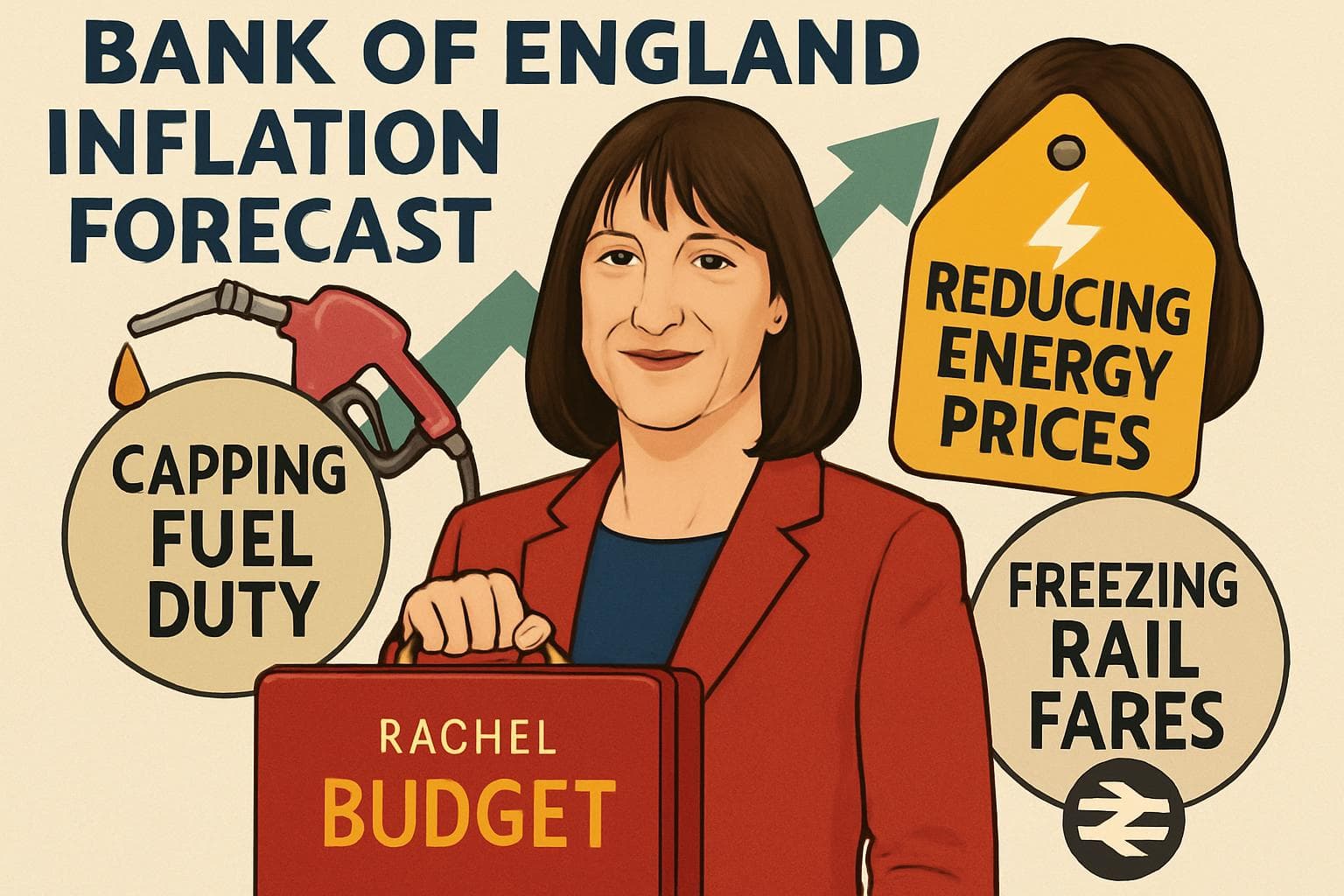
- The Bank of England predicts Rachel Reeves's budget will reduce UK inflation by 0.4 to 0.5 percentage points from mid-2026.
- Measures include capping fuel duty, cutting energy prices, and freezing rail fares to ease the cost of living.
- The Office for Budget Responsibility supports the Bank's forecast, expecting inflation to drop to 2.5% next year.
- The budget's impact on economic growth is minimal, with a projected 0.2% GDP increase by 2027.
- Conservative leader Kemi Badenoch criticizes the budget, claiming it could stoke inflation due to tax and spend decisions.
The Bank of England has projected that the recent budget introduced by Chancellor Rachel Reeves could reduce the UK's inflation rate by up to half a percentage point next year. This forecast comes as a significant endorsement for Reeves, who has made controlling inflation a central goal of her economic strategy.
Inflation Reduction Measures
Clare Lombardelli, a deputy governor at the Bank of England, informed the Commons' Treasury committee that the budget's measures, including capping fuel duty, reducing energy prices, and freezing rail fares, are expected to slow the rate of price increases from April 2026. The Office for Budget Responsibility (OBR) concurs with this assessment, predicting a drop in inflation to 2.5% next year, with a return to the Bank's 2% target by 2027.
Economic Growth and Cost of Living
Despite the positive outlook on inflation, the budget's impact on economic growth is expected to be modest. Lombardelli noted a potential 0.2% increase in GDP by 2027. The budget also aims to alleviate cost of living pressures by removing green levies from energy bills and freezing rail fares until March 2027. These measures are anticipated to save households an average of £150 annually.
Criticism and Future Implications
However, not everyone is convinced of the budget's benefits. Conservative leader Kemi Badenoch has criticized the chancellor's approach, arguing that the budget's tax and spend decisions could inadvertently fuel inflation. Meanwhile, business leaders have expressed concerns that rising employment costs could lead to higher prices.
Monetary Policy Considerations
The Bank of England is expected to factor in these budget measures during its upcoming policy meeting, where a cut in interest rates is anticipated. Lombardelli emphasized the importance of considering both short-term and long-term inflation prospects, noting that visible cost reductions, particularly in energy, could influence consumer and business behavior.
WHAT THIS MIGHT MEAN
Looking ahead, the Bank of England's monetary policy committee will need to balance the short-term benefits of the budget against potential long-term inflationary pressures. If the budget successfully curbs inflation, it could provide a buffer against future economic shocks. However, if business costs continue to rise, the government may face challenges in maintaining price stability. Economists will be closely watching how these dynamics play out, particularly in the context of global economic uncertainties.
Related Articles
UK Inflation Drops to 3% in January, Sparking Interest Rate Cut Speculation
Trump Raises Import Tariffs to 15% After Supreme Court Setback
UK Achieves Record Budget Surplus Amid Calls for Fiscal Policy Reform

Breakthrough Drug Offers Hope for Children with Severe Epilepsy
Middle East Conflict Drives UK Energy Prices to New Highs

UK-Iran Tensions: Starmer Defends Cautious Approach Amid Trump Criticism
Bank of England Projects Inflation Reduction from Reeves's Budget
In This Article
 Daniel Rivera| Published
 HIGHLIGHTS
- The Bank of England predicts Rachel Reeves's budget will reduce UK inflation by 0.4 to 0.5 percentage points from mid-2026.
- Measures include capping fuel duty, cutting energy prices, and freezing rail fares to ease the cost of living.
- The Office for Budget Responsibility supports the Bank's forecast, expecting inflation to drop to 2.5% next year.
- The budget's impact on economic growth is minimal, with a projected 0.2% GDP increase by 2027.
- Conservative leader Kemi Badenoch criticizes the budget, claiming it could stoke inflation due to tax and spend decisions.
The Bank of England has projected that the recent budget introduced by Chancellor Rachel Reeves could reduce the UK's inflation rate by up to half a percentage point next year. This forecast comes as a significant endorsement for Reeves, who has made controlling inflation a central goal of her economic strategy.
Inflation Reduction Measures
Clare Lombardelli, a deputy governor at the Bank of England, informed the Commons' Treasury committee that the budget's measures, including capping fuel duty, reducing energy prices, and freezing rail fares, are expected to slow the rate of price increases from April 2026. The Office for Budget Responsibility (OBR) concurs with this assessment, predicting a drop in inflation to 2.5% next year, with a return to the Bank's 2% target by 2027.
Economic Growth and Cost of Living
Despite the positive outlook on inflation, the budget's impact on economic growth is expected to be modest. Lombardelli noted a potential 0.2% increase in GDP by 2027. The budget also aims to alleviate cost of living pressures by removing green levies from energy bills and freezing rail fares until March 2027. These measures are anticipated to save households an average of £150 annually.
Criticism and Future Implications
However, not everyone is convinced of the budget's benefits. Conservative leader Kemi Badenoch has criticized the chancellor's approach, arguing that the budget's tax and spend decisions could inadvertently fuel inflation. Meanwhile, business leaders have expressed concerns that rising employment costs could lead to higher prices.
Monetary Policy Considerations
The Bank of England is expected to factor in these budget measures during its upcoming policy meeting, where a cut in interest rates is anticipated. Lombardelli emphasized the importance of considering both short-term and long-term inflation prospects, noting that visible cost reductions, particularly in energy, could influence consumer and business behavior.
WHAT THIS MIGHT MEAN
Looking ahead, the Bank of England's monetary policy committee will need to balance the short-term benefits of the budget against potential long-term inflationary pressures. If the budget successfully curbs inflation, it could provide a buffer against future economic shocks. However, if business costs continue to rise, the government may face challenges in maintaining price stability. Economists will be closely watching how these dynamics play out, particularly in the context of global economic uncertainties.
Related Articles
UK Inflation Drops to 3% in January, Sparking Interest Rate Cut Speculation
Trump Raises Import Tariffs to 15% After Supreme Court Setback
UK Achieves Record Budget Surplus Amid Calls for Fiscal Policy Reform
Breakthrough Drug Offers Hope for Children with Severe Epilepsy
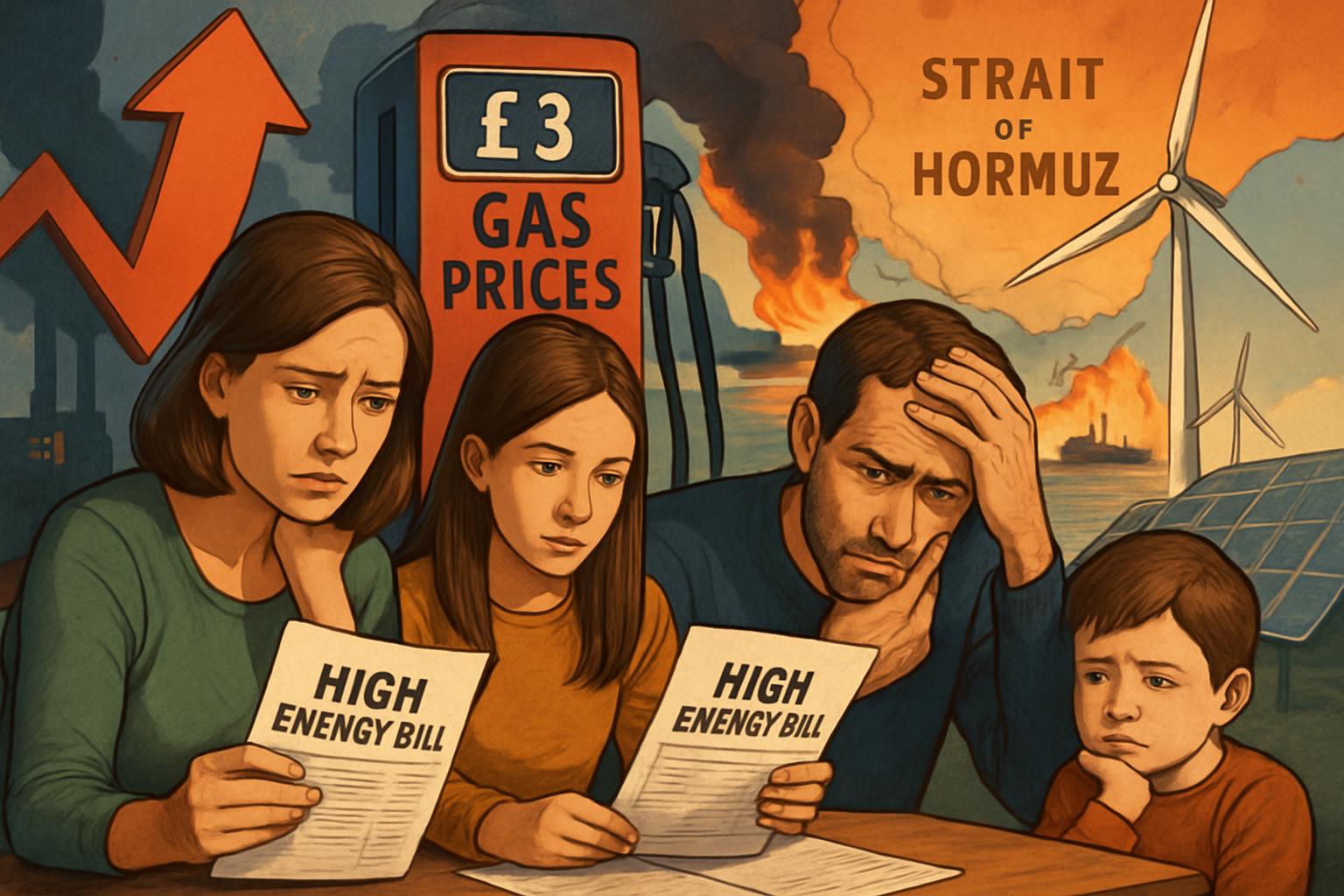
Middle East Conflict Drives UK Energy Prices to New Highs
UK-Iran Tensions: Starmer Defends Cautious Approach Amid Trump Criticism