
Barnaby Joyce Joins One Nation, Shaking Up Australian Political Landscape
In This Article
HIGHLIGHTS
- Barnaby Joyce, former Australian deputy PM, has joined the One Nation Party after leaving the Nationals.
- Joyce will represent One Nation in the lower house before running for the Senate in the next federal election.
- Pauline Hanson, leader of One Nation, welcomed Joyce, citing his experience and alignment with the party's conservative values.
- Joyce criticized Australia's immigration policy, linking it to housing affordability issues.
- Nationals leader David Littleproud expressed disappointment over Joyce's defection to what he termed a "party of protest."
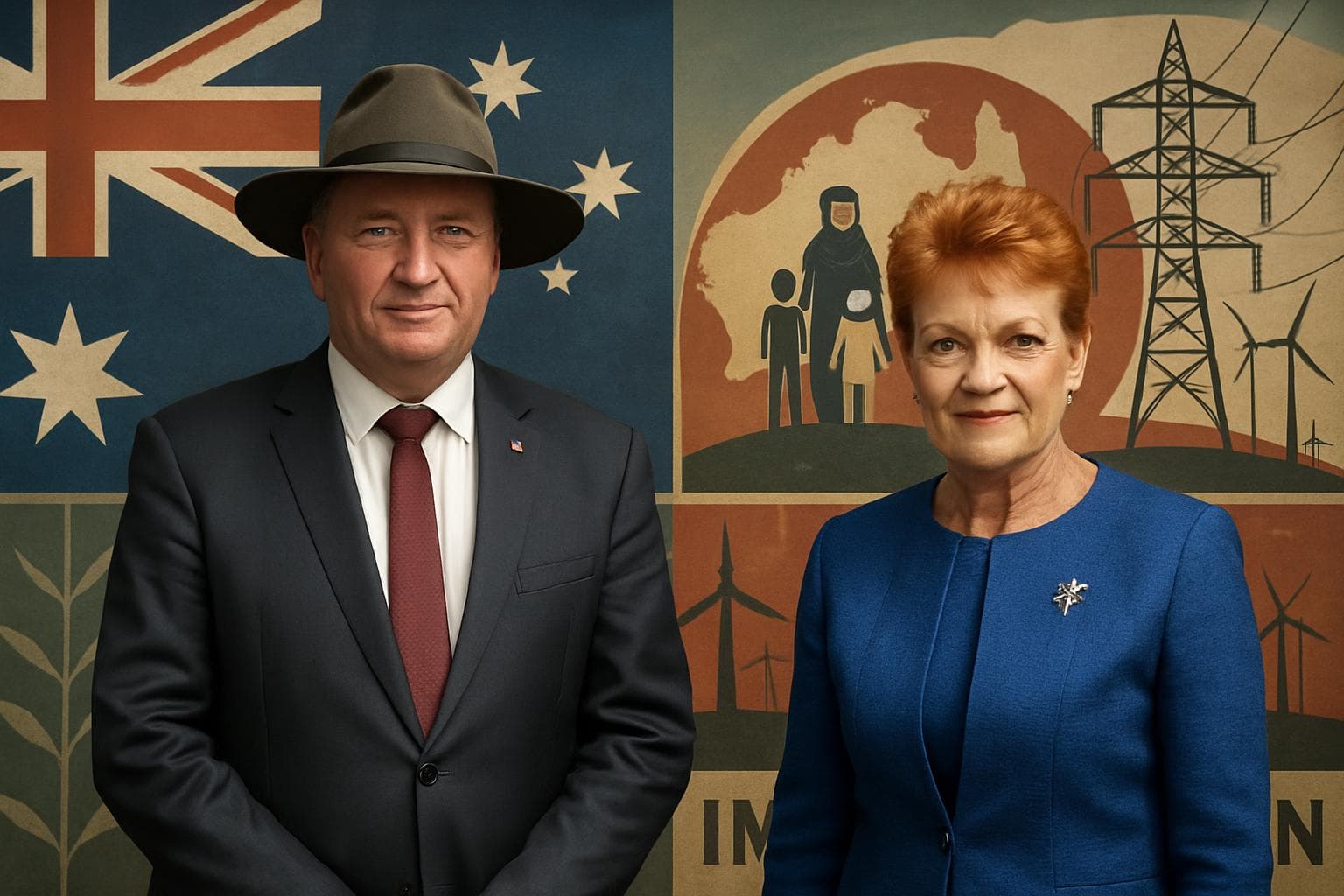
In a significant shift within Australian politics, former Deputy Prime Minister Barnaby Joyce has officially joined the One Nation Party, marking a departure from the Nationals, a party he once led. Joyce confirmed his move on Monday during a radio interview in Tamworth, New South Wales, ending weeks of speculation about his political future.
A New Political Chapter
Joyce, a prominent figure in Australian politics, will serve as a One Nation MP in the lower house until the next federal election, after which he plans to run for the Senate. His decision aligns with One Nation's conservative stance, particularly on issues like immigration and energy policy. "I'm philosophically aligned with One Nation," Joyce stated, emphasizing his conservative values.
Pauline Hanson, the leader of One Nation, expressed her enthusiasm for Joyce's decision, highlighting his extensive political experience. "With Barnaby on board, we will push forward and hold both Labor and the opposition accountable," Hanson remarked.
Criticism of Immigration and Energy Policies
Joyce has been vocal about his dissatisfaction with Australia's current policies, particularly regarding immigration. He argues that population growth through immigration has hindered Australians' ability to afford homes and start families. Additionally, Joyce criticized the country's energy policies, describing efforts to achieve net-zero emissions as misguided.
Reaction from the Nationals
The Nationals, now led by David Littleproud, have expressed disappointment over Joyce's defection. Littleproud described One Nation as a "party of protest" and lamented Joyce's departure, noting the support the Nationals had provided him during challenging times. Despite this, Joyce's move reflects his ongoing commitment to conservative principles and his desire to influence Australia's political agenda.
WHAT THIS MIGHT MEAN
Barnaby Joyce's defection to One Nation could significantly impact the political dynamics in Australia. With his strong support base in New England, Joyce's move may bolster One Nation's influence, particularly in rural areas. As Joyce prepares to run for the Senate, his presence could shift the balance of power, potentially affecting legislative outcomes.
Politically, Joyce's criticism of immigration and energy policies may resonate with voters concerned about these issues, potentially drawing more support to One Nation. However, his departure from the Nationals could also lead to internal challenges for the party as it seeks to maintain its influence within the coalition with the Liberals.
Experts suggest that Joyce's move could signal a broader trend of political realignment in Australia, as parties and politicians navigate the evolving landscape of voter priorities and policy debates.
Related Articles
Coalition Fractures Over Hate Speech Laws as Sussan Ley Faces Leadership Crisis
Angus Taylor Takes Helm of Liberal Party Amidst Leadership Turmoil
Australia's Coalition Reunites Amidst Hate Speech Law Dispute

Tensions Rise as Sydney Protests Against Israeli President's Visit Turn Violent
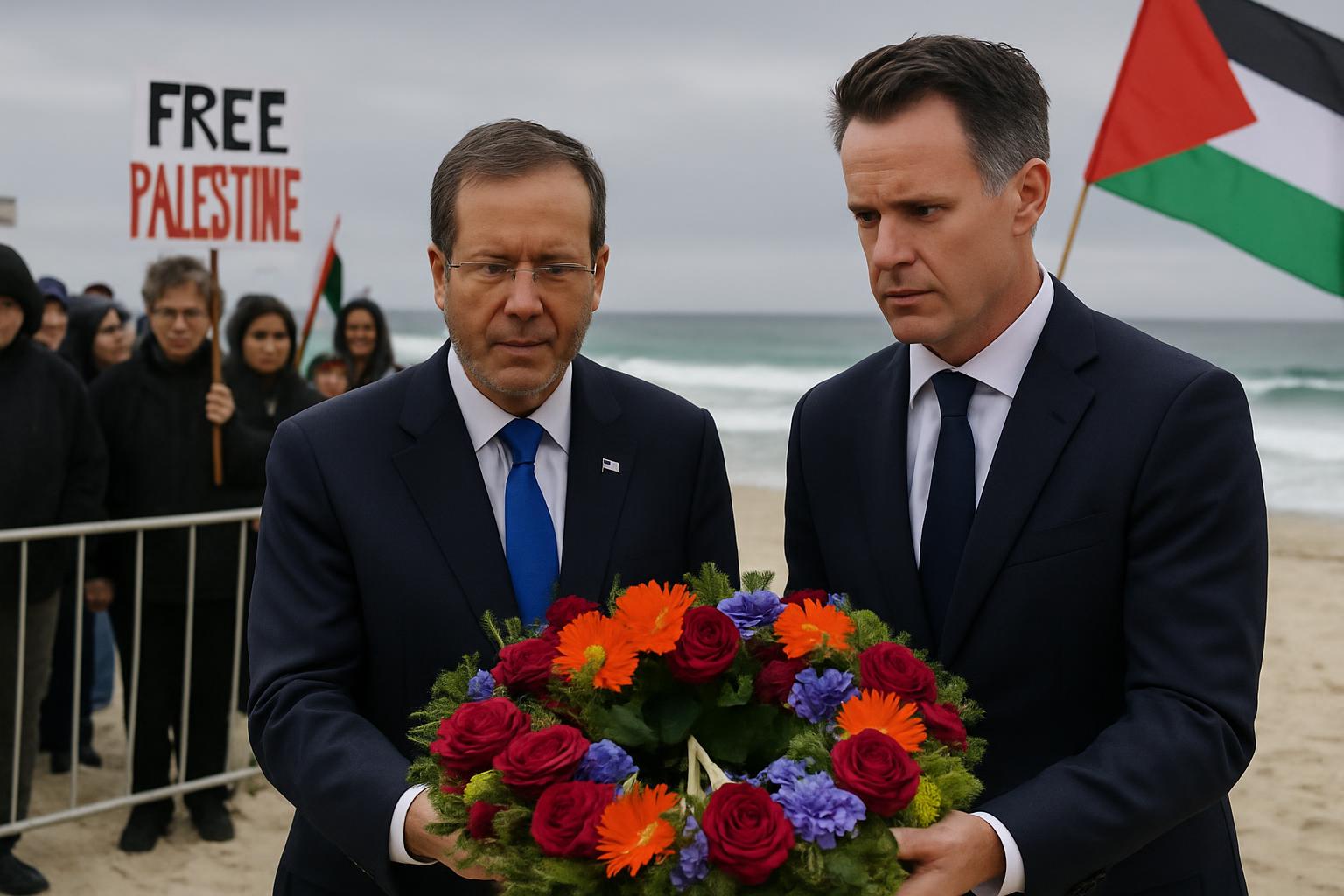
Israeli President Herzog's Visit to Australia Sparks Controversy Amid Calls for Unity

Coroner Highlights Psychiatric Care Failures in Bondi Junction Stabbing Case
Barnaby Joyce Joins One Nation, Shaking Up Australian Political Landscape
In This Article
 Alex Carter| Published
 HIGHLIGHTS
- Barnaby Joyce, former Australian deputy PM, has joined the One Nation Party after leaving the Nationals.
- Joyce will represent One Nation in the lower house before running for the Senate in the next federal election.
- Pauline Hanson, leader of One Nation, welcomed Joyce, citing his experience and alignment with the party's conservative values.
- Joyce criticized Australia's immigration policy, linking it to housing affordability issues.
- Nationals leader David Littleproud expressed disappointment over Joyce's defection to what he termed a "party of protest."
In a significant shift within Australian politics, former Deputy Prime Minister Barnaby Joyce has officially joined the One Nation Party, marking a departure from the Nationals, a party he once led. Joyce confirmed his move on Monday during a radio interview in Tamworth, New South Wales, ending weeks of speculation about his political future.
A New Political Chapter
Joyce, a prominent figure in Australian politics, will serve as a One Nation MP in the lower house until the next federal election, after which he plans to run for the Senate. His decision aligns with One Nation's conservative stance, particularly on issues like immigration and energy policy. "I'm philosophically aligned with One Nation," Joyce stated, emphasizing his conservative values.
Pauline Hanson, the leader of One Nation, expressed her enthusiasm for Joyce's decision, highlighting his extensive political experience. "With Barnaby on board, we will push forward and hold both Labor and the opposition accountable," Hanson remarked.
Criticism of Immigration and Energy Policies
Joyce has been vocal about his dissatisfaction with Australia's current policies, particularly regarding immigration. He argues that population growth through immigration has hindered Australians' ability to afford homes and start families. Additionally, Joyce criticized the country's energy policies, describing efforts to achieve net-zero emissions as misguided.
Reaction from the Nationals
The Nationals, now led by David Littleproud, have expressed disappointment over Joyce's defection. Littleproud described One Nation as a "party of protest" and lamented Joyce's departure, noting the support the Nationals had provided him during challenging times. Despite this, Joyce's move reflects his ongoing commitment to conservative principles and his desire to influence Australia's political agenda.
WHAT THIS MIGHT MEAN
Barnaby Joyce's defection to One Nation could significantly impact the political dynamics in Australia. With his strong support base in New England, Joyce's move may bolster One Nation's influence, particularly in rural areas. As Joyce prepares to run for the Senate, his presence could shift the balance of power, potentially affecting legislative outcomes.
Politically, Joyce's criticism of immigration and energy policies may resonate with voters concerned about these issues, potentially drawing more support to One Nation. However, his departure from the Nationals could also lead to internal challenges for the party as it seeks to maintain its influence within the coalition with the Liberals.
Experts suggest that Joyce's move could signal a broader trend of political realignment in Australia, as parties and politicians navigate the evolving landscape of voter priorities and policy debates.
Related Articles
Coalition Fractures Over Hate Speech Laws as Sussan Ley Faces Leadership Crisis
Angus Taylor Takes Helm of Liberal Party Amidst Leadership Turmoil
Australia's Coalition Reunites Amidst Hate Speech Law Dispute
Tensions Rise as Sydney Protests Against Israeli President's Visit Turn Violent
Israeli President Herzog's Visit to Australia Sparks Controversy Amid Calls for Unity
Coroner Highlights Psychiatric Care Failures in Bondi Junction Stabbing Case