
Calm Returns to Suweida Amidst Humanitarian Crisis Following Deadly Clashes
In This Article
HIGHLIGHTS
- A cautious calm has returned to Suweida, Syria, following a week of deadly clashes between Druze and Bedouin fighters, resulting in over 1,000 deaths.
- The Syrian Observatory for Human Rights (SOHR) reports a severe shortage of medical supplies and over 128,000 people displaced due to the violence.
- The conflict was triggered by a dispute between a Bedouin tribesman and a Druze member, escalating into sectarian violence involving government forces.
- A ceasefire was announced by Syria's interim President Ahmed al-Sharaa, but tensions remain high with ongoing humanitarian needs.
- The US has called for an immediate cessation of hostilities, emphasizing the need for peace and dialogue in the region.
A tentative calm has settled over Suweida, a city in southern Syria, after a week marked by intense tribal clashes that claimed the lives of over 1,000 individuals. The violence, primarily between Druze fighters and Bedouin gunmen, has left the region grappling with a severe humanitarian crisis, according to the Syrian Observatory for Human Rights (SOHR).
Background of the Conflict
The unrest in Suweida erupted following a dispute between a Bedouin tribesman and a Druze individual, which quickly escalated into widespread violence. The Syrian government, led by interim President Ahmed al-Sharaa, intervened by deploying forces to the city. Despite a ceasefire announced on Saturday, sporadic violence continued, exacerbating the already dire situation.
Humanitarian Concerns
The SOHR has highlighted a critical shortage of medical supplies in Suweida, with local hospitals overwhelmed and out of service. Kenan Azzam, a local dentist, described the situation as a "tense calm," noting the lack of essential services such as water and electricity. The United Nations migration agency reported that over 128,000 people have been displaced, underscoring the urgent need for humanitarian aid.
International Response
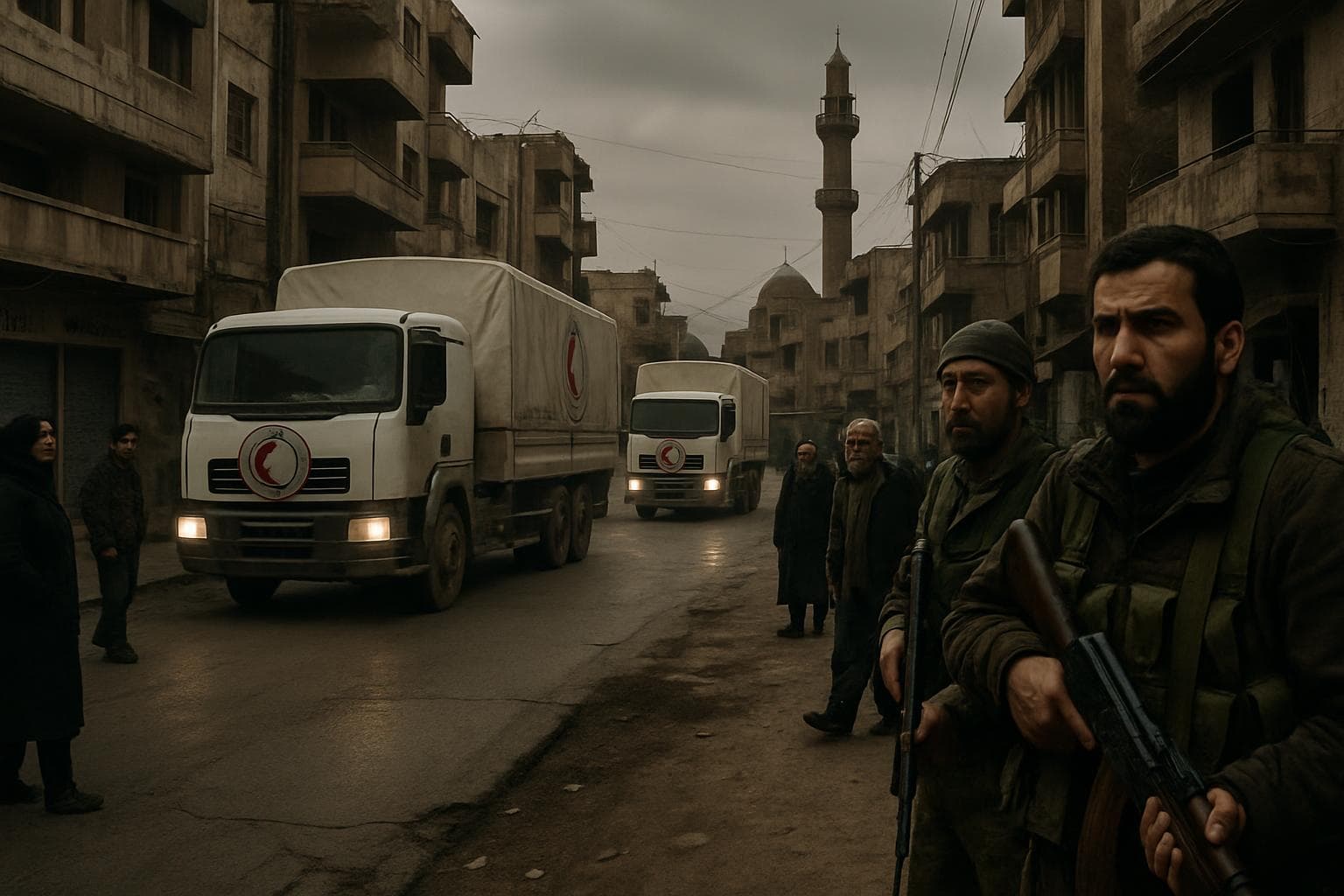
In response to the escalating violence, the United States has called for an immediate cessation of hostilities. US special envoy to Syria, Tom Barrack, emphasized the importance of peace and dialogue, urging all factions to lay down their arms. Meanwhile, the Syrian Arab Red Crescent has dispatched 32 trucks loaded with food, medicine, and other essential supplies to the affected areas.
Ongoing Tensions
Despite the current lull in fighting, tensions remain high in Suweida. The city is still under the control of local Druze fighters, while Bedouin gunmen have withdrawn from several areas. The situation remains volatile, with the potential for further clashes if underlying grievances are not addressed.
WHAT THIS MIGHT MEAN
The return of calm to Suweida is a fragile respite in a region fraught with historical tensions. The ceasefire, while a positive step, may only be a temporary solution unless deeper issues between the Druze and Bedouin communities are resolved. The humanitarian crisis, marked by shortages of medical supplies and essential services, requires immediate international attention to prevent further deterioration.
The involvement of international actors, such as the US and Israel, highlights the broader geopolitical implications of the conflict. Continued diplomatic efforts will be crucial in maintaining peace and preventing a resurgence of violence. As the situation develops, the focus must remain on fostering dialogue and addressing the root causes of the conflict to ensure lasting stability in the region.
Related Articles

US Ambassador's Biblical Land Remarks Spark Outcry from Arab Nations

Middle East Conflict Drives UK Energy Prices to New Highs

UK Faces Dilemmas Amid Iran Conflict and China Spying Allegations
US and Israel Intensify Military Campaign as Iran's Capabilities Dwindle
Iran Postpones Khamenei Funeral Amid Escalating US-Israeli Strikes
Canada Calls for De-escalation Amid US-Israel Strikes on Iran
Calm Returns to Suweida Amidst Humanitarian Crisis Following Deadly Clashes
In This Article
 James Okoro| Published
 HIGHLIGHTS
- A cautious calm has returned to Suweida, Syria, following a week of deadly clashes between Druze and Bedouin fighters, resulting in over 1,000 deaths.
- The Syrian Observatory for Human Rights (SOHR) reports a severe shortage of medical supplies and over 128,000 people displaced due to the violence.
- The conflict was triggered by a dispute between a Bedouin tribesman and a Druze member, escalating into sectarian violence involving government forces.
- A ceasefire was announced by Syria's interim President Ahmed al-Sharaa, but tensions remain high with ongoing humanitarian needs.
- The US has called for an immediate cessation of hostilities, emphasizing the need for peace and dialogue in the region.
A tentative calm has settled over Suweida, a city in southern Syria, after a week marked by intense tribal clashes that claimed the lives of over 1,000 individuals. The violence, primarily between Druze fighters and Bedouin gunmen, has left the region grappling with a severe humanitarian crisis, according to the Syrian Observatory for Human Rights (SOHR).
Background of the Conflict
The unrest in Suweida erupted following a dispute between a Bedouin tribesman and a Druze individual, which quickly escalated into widespread violence. The Syrian government, led by interim President Ahmed al-Sharaa, intervened by deploying forces to the city. Despite a ceasefire announced on Saturday, sporadic violence continued, exacerbating the already dire situation.
Humanitarian Concerns
The SOHR has highlighted a critical shortage of medical supplies in Suweida, with local hospitals overwhelmed and out of service. Kenan Azzam, a local dentist, described the situation as a "tense calm," noting the lack of essential services such as water and electricity. The United Nations migration agency reported that over 128,000 people have been displaced, underscoring the urgent need for humanitarian aid.
International Response
In response to the escalating violence, the United States has called for an immediate cessation of hostilities. US special envoy to Syria, Tom Barrack, emphasized the importance of peace and dialogue, urging all factions to lay down their arms. Meanwhile, the Syrian Arab Red Crescent has dispatched 32 trucks loaded with food, medicine, and other essential supplies to the affected areas.
Ongoing Tensions
Despite the current lull in fighting, tensions remain high in Suweida. The city is still under the control of local Druze fighters, while Bedouin gunmen have withdrawn from several areas. The situation remains volatile, with the potential for further clashes if underlying grievances are not addressed.
WHAT THIS MIGHT MEAN
The return of calm to Suweida is a fragile respite in a region fraught with historical tensions. The ceasefire, while a positive step, may only be a temporary solution unless deeper issues between the Druze and Bedouin communities are resolved. The humanitarian crisis, marked by shortages of medical supplies and essential services, requires immediate international attention to prevent further deterioration.
The involvement of international actors, such as the US and Israel, highlights the broader geopolitical implications of the conflict. Continued diplomatic efforts will be crucial in maintaining peace and preventing a resurgence of violence. As the situation develops, the focus must remain on fostering dialogue and addressing the root causes of the conflict to ensure lasting stability in the region.
Related Articles
US Ambassador's Biblical Land Remarks Spark Outcry from Arab Nations
Middle East Conflict Drives UK Energy Prices to New Highs
UK Faces Dilemmas Amid Iran Conflict and China Spying Allegations
US and Israel Intensify Military Campaign as Iran's Capabilities Dwindle
Iran Postpones Khamenei Funeral Amid Escalating US-Israeli Strikes
Canada Calls for De-escalation Amid US-Israel Strikes on Iran