
China's Military Drills Around Taiwan Heighten Cross-Strait Tensions
In This Article
HIGHLIGHTS
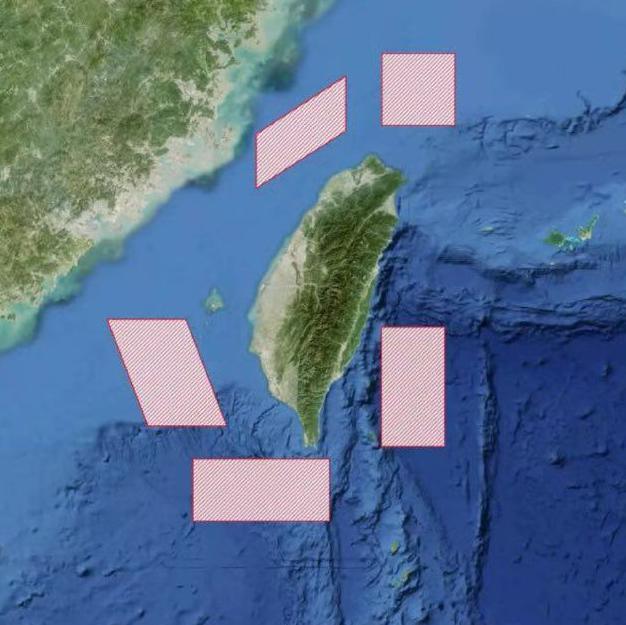
- China has initiated military drills around Taiwan, simulating blockades and attacks on key areas, as a warning to "separatist forces".
- The drills, named "Justice Mission 2025", follow a major US arms sale to Taiwan worth $11 billion, which has angered Beijing.
- Taiwan's defense ministry has condemned the drills, stating they undermine regional peace and pose threats to navigation and fishing operations.
- Beijing claims Taiwan as its territory, while Taiwan's president asserts the island's sovereignty and commitment to maintaining the status quo.
- The drills are the first under Yang Zhibin, the new chief of the Eastern Theater Command, and come amid rising tensions with Japan and the US.
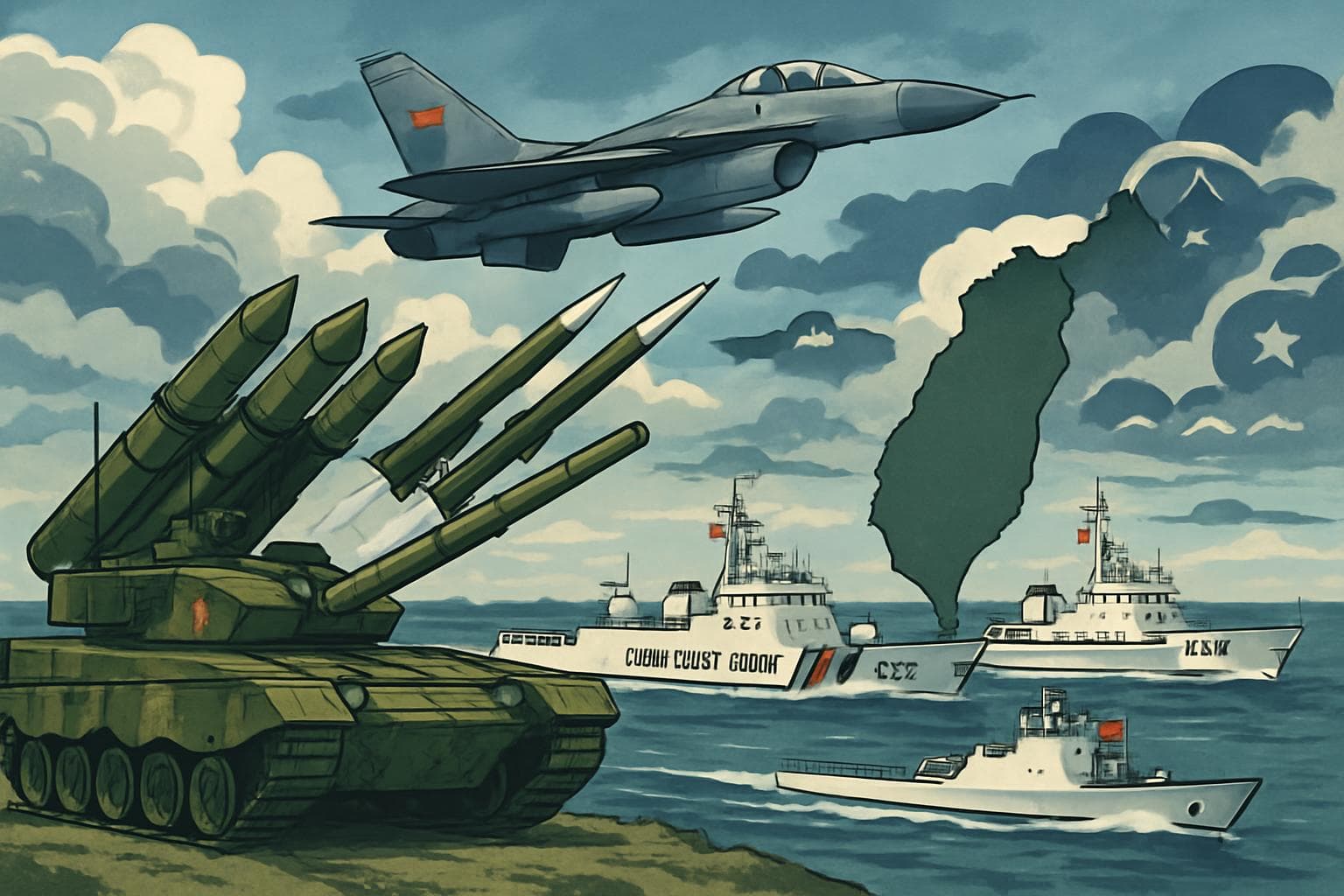
China has launched a series of military drills around Taiwan, simulating blockades and attacks on key maritime targets, in a move seen as a stern warning to "separatist forces" on the island. The exercises, codenamed "Justice Mission 2025", involve the army, navy, air force, and rocket force, and are taking place just days after the United States announced a significant $11 billion arms sale to Taiwan. This development has drawn sharp protests from Beijing, which has responded by sanctioning US defense firms involved in the deal.
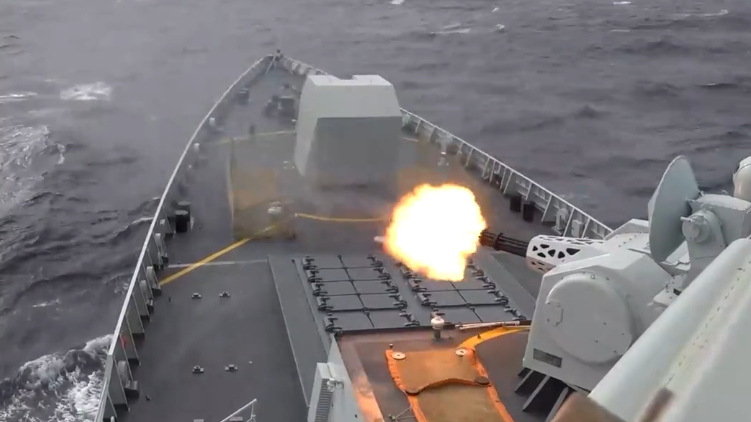
The People's Liberation Army (PLA) has described the drills as a necessary action to safeguard China's sovereignty and national unity. The exercises include live-fire drills and law enforcement inspections by Chinese coast guard vessels around Taiwan's outer islands. The Eastern Theater Command, responsible for operations in the Taiwan Strait, has emphasized the drills as a "shield of justice" against any attempts at Taiwan independence.
Taiwan's government has strongly condemned the military maneuvers, accusing Beijing of escalating tensions and undermining regional peace. The island's defense ministry has deployed forces and missile systems to monitor the situation, asserting that defending democracy and freedom is not a provocation. Taiwan's coast guard has also expressed concerns over the drills' impact on navigational safety and the operational rights of fishermen.
Beijing continues to assert its claim over Taiwan, which it views as a breakaway province. However, Taiwan's President Lai Ching-te maintains that the island is already a sovereign nation and has no need to formally declare independence. Lai has reiterated his administration's commitment to maintaining the status quo while enhancing Taiwan's defense capabilities to deter any potential aggression from China.
The current drills are the first to be conducted under the leadership of Yang Zhibin, the new chief of the Eastern Theater Command. They come amid heightened tensions with Japan, following statements by Japanese officials indicating potential military involvement if China were to attack Taiwan. The situation is further complicated by the recent US arms sale and Taiwan's ongoing efforts to bolster its military defenses.
WHAT THIS MIGHT MEAN
The ongoing military drills around Taiwan could further strain relations between China and the United States, especially in light of the recent arms deal. Beijing's aggressive posture may also prompt Taiwan to accelerate its defense modernization efforts, potentially leading to an arms race in the region. Experts suggest that while China continues to push for "peaceful reunification," its military actions may inadvertently solidify Taiwan's resolve to resist any form of coercion.
The drills also highlight the delicate balance of power in the Asia-Pacific region, with Japan and other neighboring countries closely monitoring the situation. Any escalation could have significant geopolitical implications, potentially drawing in international actors and affecting global trade routes through the Taiwan Strait. As tensions persist, diplomatic efforts may be needed to de-escalate the situation and prevent further destabilization in the region.
Images from the Web
Related Articles
US Supreme Court Ruling Sparks Trade Uncertainty in Asia and Beyond
China Sets Lowest GDP Growth Target in Decades Amid Economic Challenges

UK Faces Dilemmas Amid Iran Conflict and China Spying Allegations
Trump's New Tariff Strategy Sparks Global Trade Uncertainty
Cuba Faces Widespread Blackout Amid Deepening Fuel Crisis

Google Faces Legal Battle Over AI Chatbot's Alleged Role in Tragic Death
China's Military Drills Around Taiwan Heighten Cross-Strait Tensions
In This Article
HIGHLIGHTS
- China has initiated military drills around Taiwan, simulating blockades and attacks on key areas, as a warning to "separatist forces".
- The drills, named "Justice Mission 2025", follow a major US arms sale to Taiwan worth $11 billion, which has angered Beijing.
- Taiwan's defense ministry has condemned the drills, stating they undermine regional peace and pose threats to navigation and fishing operations.
- Beijing claims Taiwan as its territory, while Taiwan's president asserts the island's sovereignty and commitment to maintaining the status quo.
- The drills are the first under Yang Zhibin, the new chief of the Eastern Theater Command, and come amid rising tensions with Japan and the US.
China has launched a series of military drills around Taiwan, simulating blockades and attacks on key maritime targets, in a move seen as a stern warning to "separatist forces" on the island. The exercises, codenamed "Justice Mission 2025", involve the army, navy, air force, and rocket force, and are taking place just days after the United States announced a significant $11 billion arms sale to Taiwan. This development has drawn sharp protests from Beijing, which has responded by sanctioning US defense firms involved in the deal.
The People's Liberation Army (PLA) has described the drills as a necessary action to safeguard China's sovereignty and national unity. The exercises include live-fire drills and law enforcement inspections by Chinese coast guard vessels around Taiwan's outer islands. The Eastern Theater Command, responsible for operations in the Taiwan Strait, has emphasized the drills as a "shield of justice" against any attempts at Taiwan independence.
Taiwan's government has strongly condemned the military maneuvers, accusing Beijing of escalating tensions and undermining regional peace. The island's defense ministry has deployed forces and missile systems to monitor the situation, asserting that defending democracy and freedom is not a provocation. Taiwan's coast guard has also expressed concerns over the drills' impact on navigational safety and the operational rights of fishermen.
Beijing continues to assert its claim over Taiwan, which it views as a breakaway province. However, Taiwan's President Lai Ching-te maintains that the island is already a sovereign nation and has no need to formally declare independence. Lai has reiterated his administration's commitment to maintaining the status quo while enhancing Taiwan's defense capabilities to deter any potential aggression from China.
The current drills are the first to be conducted under the leadership of Yang Zhibin, the new chief of the Eastern Theater Command. They come amid heightened tensions with Japan, following statements by Japanese officials indicating potential military involvement if China were to attack Taiwan. The situation is further complicated by the recent US arms sale and Taiwan's ongoing efforts to bolster its military defenses.
WHAT THIS MIGHT MEAN
The ongoing military drills around Taiwan could further strain relations between China and the United States, especially in light of the recent arms deal. Beijing's aggressive posture may also prompt Taiwan to accelerate its defense modernization efforts, potentially leading to an arms race in the region. Experts suggest that while China continues to push for "peaceful reunification," its military actions may inadvertently solidify Taiwan's resolve to resist any form of coercion.
The drills also highlight the delicate balance of power in the Asia-Pacific region, with Japan and other neighboring countries closely monitoring the situation. Any escalation could have significant geopolitical implications, potentially drawing in international actors and affecting global trade routes through the Taiwan Strait. As tensions persist, diplomatic efforts may be needed to de-escalate the situation and prevent further destabilization in the region.
Images from the Web
Related Articles
US Supreme Court Ruling Sparks Trade Uncertainty in Asia and Beyond
China Sets Lowest GDP Growth Target in Decades Amid Economic Challenges
UK Faces Dilemmas Amid Iran Conflict and China Spying Allegations
Trump's New Tariff Strategy Sparks Global Trade Uncertainty
Cuba Faces Widespread Blackout Amid Deepening Fuel Crisis
Google Faces Legal Battle Over AI Chatbot's Alleged Role in Tragic Death