
COP30 Climate Summit Ends in Stalemate Over Fossil Fuel Phaseout
In This Article
HIGHLIGHTS
- COP30 in Belém, Brazil, ended without a consensus on phasing out fossil fuels, highlighting deep global divisions.
- The summit saw a clash between countries advocating for a fossil fuel roadmap and those opposing it, notably led by Saudi Arabia.
- The European Union and over 80 countries supported a transition away from fossil fuels, but faced significant opposition.
- Developing countries demanded increased climate finance, with calls to triple adaptation funds to $120bn annually by 2035.
- The summit's outcome leaves significant work for COP31 in Turkey, as current national climate plans fall short of the 1.5C target.
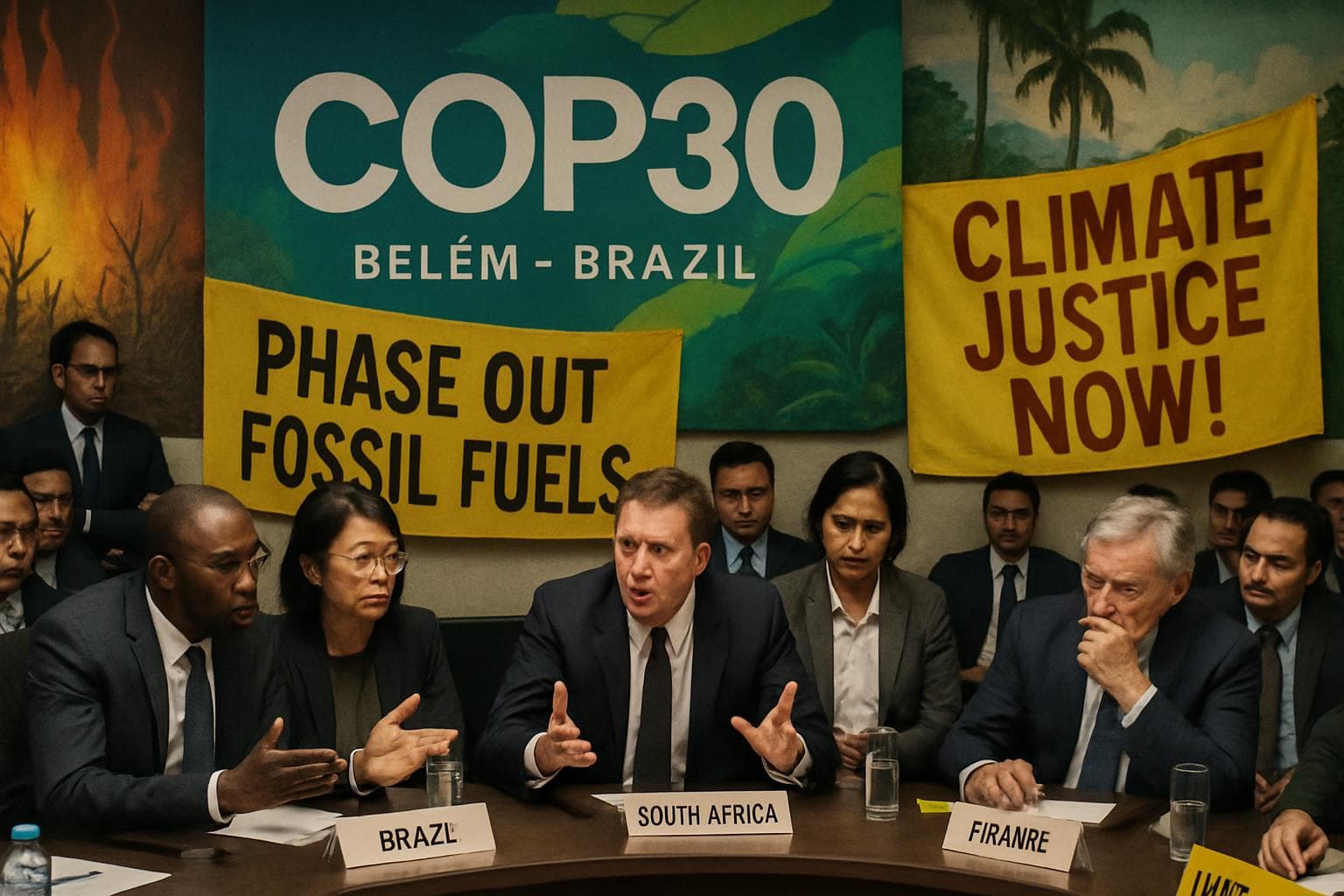
The COP30 climate summit in Belém, Brazil, concluded with a stark reminder of the global divide over climate change strategies. Despite intense negotiations, the summit failed to reach a consensus on a roadmap to phase out fossil fuels, a critical step many argue is necessary to combat global warming.
Divisions Over Fossil Fuel Phaseout
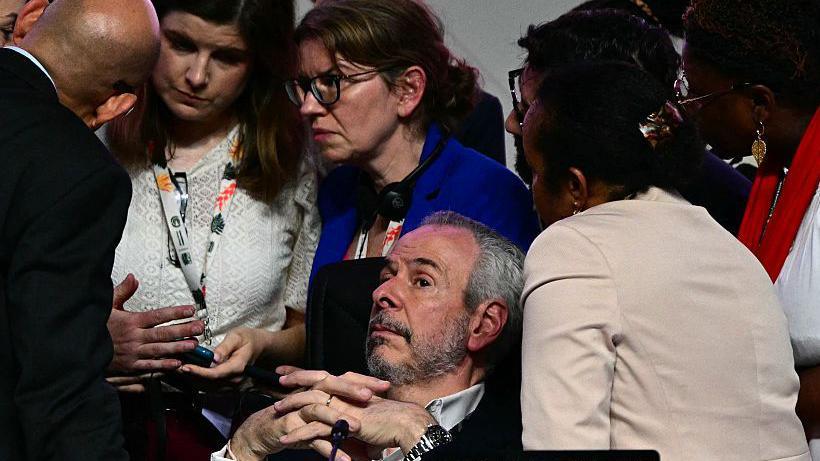
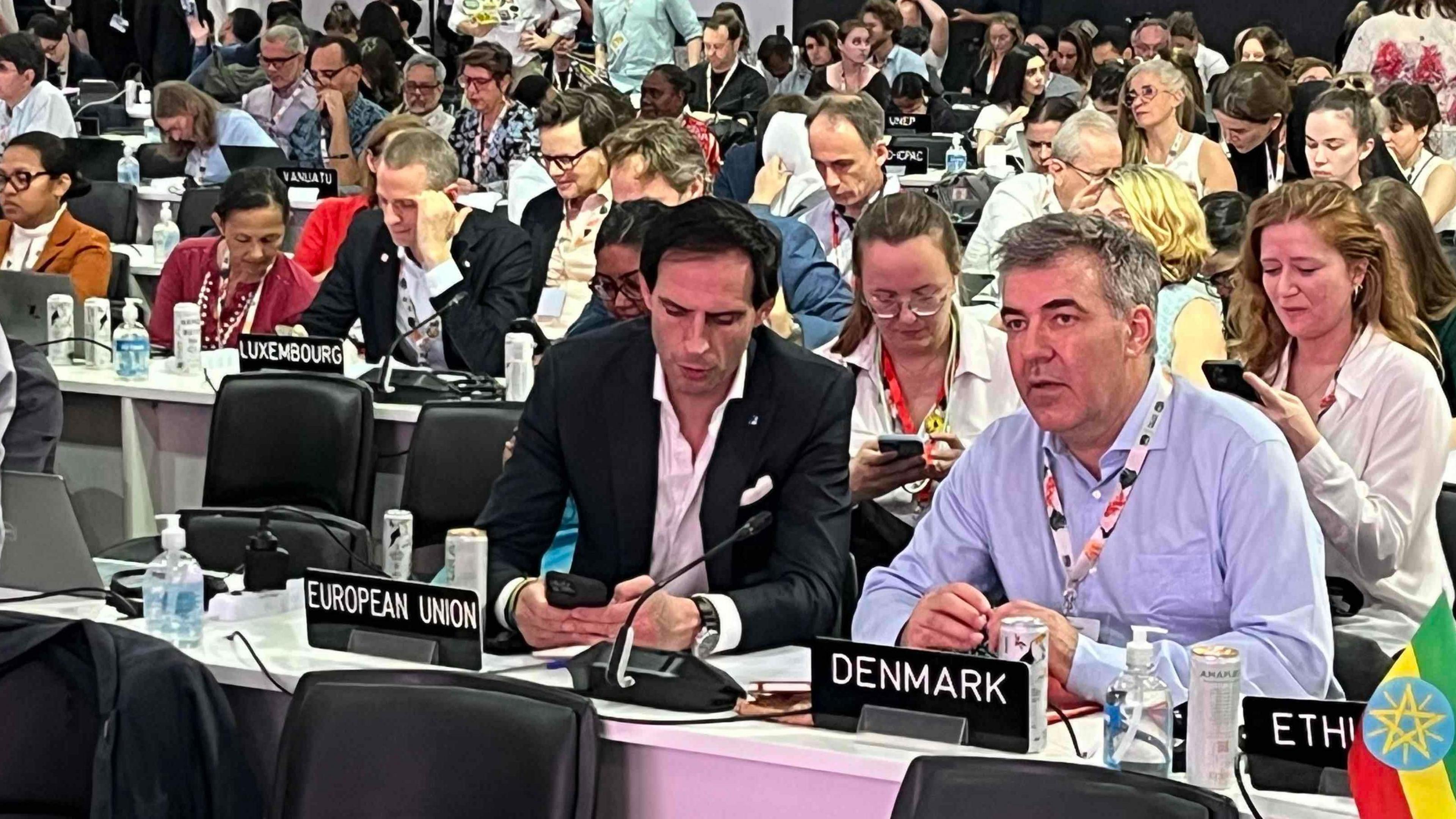
The summit, which extended beyond its scheduled end, was marked by heated debates over the inclusion of a fossil fuel phaseout in the final agreement. While the European Union and over 80 countries pushed for a clear transition away from coal, oil, and gas, opposition from the Arab Group, led by Saudi Arabia, and other nations reliant on fossil fuels, stymied progress. "We make energy policy in our capital, not in yours," a Saudi delegate reportedly told EU negotiators, encapsulating the resistance faced.
Creative Solutions and Voluntary Commitments
UK Energy Secretary Ed Miliband emphasized the need for "creative" solutions to keep the fossil fuel phaseout proposal alive, suggesting that voluntary commitments might be a viable path forward. "We are fighting for the roadmap for the transition away from fossil fuels," Miliband stated, underscoring the determination of a coalition of countries to maintain momentum despite the setbacks.
Financial Commitments and Climate Justice
The summit also highlighted the urgent need for increased climate finance, particularly for developing nations grappling with the impacts of climate change. Calls to triple adaptation finance to $120bn annually by 2035 were met with mixed responses, with some developing countries accusing wealthier nations of neglecting their financial responsibilities. Richard Muyungi, representing the African Group of Nations, criticized the EU for opposing Africa's financial demands, framing it as a matter of climate justice.
Looking Ahead to COP31
As COP30 concluded, attention turned to COP31, set to be hosted by Australia in Turkey next year. The current national climate plans, known as nationally determined contributions (NDCs), are insufficient to meet the 1.5C global warming limit set by the Paris Agreement. With many countries failing to submit adequate plans, the pressure is on for future summits to deliver more ambitious commitments.
WHAT THIS MIGHT MEAN
The outcome of COP30 underscores the challenges of achieving global consensus on climate action. The lack of agreement on a fossil fuel phaseout roadmap suggests that future negotiations will need to explore alternative approaches, such as voluntary commitments or regional agreements, to make progress. The demand for increased climate finance will likely remain a contentious issue, with developing countries continuing to push for greater support from wealthier nations.
As the world prepares for COP31 in Turkey, the focus will be on bridging the gap between current national commitments and the targets necessary to limit global warming. The success of future summits will depend on the ability of countries to find common ground and prioritize the urgent need for a sustainable and equitable transition to renewable energy.
Images from the Web

Related Articles

US Ambassador's Biblical Land Remarks Spark Outcry from Arab Nations
Middle East Conflict Drives UK Energy Prices to New Highs

Trump's Board of Peace Pledges $7 Billion for Gaza Amidst International Skepticism

Canada and Australia Forge Strategic Partnership Amid Global Uncertainty
Russian LNG Tanker Sinks in Mediterranean Amid Accusations of Ukrainian Drone Attack
Spain's Sánchez Stands Firm Against Trump's Trade Threat Over Iran Stance
COP30 Climate Summit Ends in Stalemate Over Fossil Fuel Phaseout
In This Article
 James Okoro| Published
 HIGHLIGHTS
- COP30 in Belém, Brazil, ended without a consensus on phasing out fossil fuels, highlighting deep global divisions.
- The summit saw a clash between countries advocating for a fossil fuel roadmap and those opposing it, notably led by Saudi Arabia.
- The European Union and over 80 countries supported a transition away from fossil fuels, but faced significant opposition.
- Developing countries demanded increased climate finance, with calls to triple adaptation funds to $120bn annually by 2035.
- The summit's outcome leaves significant work for COP31 in Turkey, as current national climate plans fall short of the 1.5C target.
The COP30 climate summit in Belém, Brazil, concluded with a stark reminder of the global divide over climate change strategies. Despite intense negotiations, the summit failed to reach a consensus on a roadmap to phase out fossil fuels, a critical step many argue is necessary to combat global warming.
Divisions Over Fossil Fuel Phaseout
The summit, which extended beyond its scheduled end, was marked by heated debates over the inclusion of a fossil fuel phaseout in the final agreement. While the European Union and over 80 countries pushed for a clear transition away from coal, oil, and gas, opposition from the Arab Group, led by Saudi Arabia, and other nations reliant on fossil fuels, stymied progress. "We make energy policy in our capital, not in yours," a Saudi delegate reportedly told EU negotiators, encapsulating the resistance faced.
Creative Solutions and Voluntary Commitments
UK Energy Secretary Ed Miliband emphasized the need for "creative" solutions to keep the fossil fuel phaseout proposal alive, suggesting that voluntary commitments might be a viable path forward. "We are fighting for the roadmap for the transition away from fossil fuels," Miliband stated, underscoring the determination of a coalition of countries to maintain momentum despite the setbacks.
Financial Commitments and Climate Justice
The summit also highlighted the urgent need for increased climate finance, particularly for developing nations grappling with the impacts of climate change. Calls to triple adaptation finance to $120bn annually by 2035 were met with mixed responses, with some developing countries accusing wealthier nations of neglecting their financial responsibilities. Richard Muyungi, representing the African Group of Nations, criticized the EU for opposing Africa's financial demands, framing it as a matter of climate justice.
Looking Ahead to COP31
As COP30 concluded, attention turned to COP31, set to be hosted by Australia in Turkey next year. The current national climate plans, known as nationally determined contributions (NDCs), are insufficient to meet the 1.5C global warming limit set by the Paris Agreement. With many countries failing to submit adequate plans, the pressure is on for future summits to deliver more ambitious commitments.
WHAT THIS MIGHT MEAN
The outcome of COP30 underscores the challenges of achieving global consensus on climate action. The lack of agreement on a fossil fuel phaseout roadmap suggests that future negotiations will need to explore alternative approaches, such as voluntary commitments or regional agreements, to make progress. The demand for increased climate finance will likely remain a contentious issue, with developing countries continuing to push for greater support from wealthier nations.
As the world prepares for COP31 in Turkey, the focus will be on bridging the gap between current national commitments and the targets necessary to limit global warming. The success of future summits will depend on the ability of countries to find common ground and prioritize the urgent need for a sustainable and equitable transition to renewable energy.
Images from the Web
Related Articles
US Ambassador's Biblical Land Remarks Spark Outcry from Arab Nations
Middle East Conflict Drives UK Energy Prices to New Highs
Trump's Board of Peace Pledges $7 Billion for Gaza Amidst International Skepticism
Canada and Australia Forge Strategic Partnership Amid Global Uncertainty
Russian LNG Tanker Sinks in Mediterranean Amid Accusations of Ukrainian Drone Attack
Spain's Sánchez Stands Firm Against Trump's Trade Threat Over Iran Stance