
Death of Anti-Hamas Militia Leader Sparks Tensions in Gaza
In This Article
HIGHLIGHTS
- Yasser Abu Shabab, leader of the Popular Forces, was killed in Gaza amid conflicting reports about the circumstances of his death.
- The Popular Forces, an anti-Hamas militia, denied claims that Hamas was involved in Abu Shabab's death, attributing it to a family dispute.
- Israel's Prime Minister Benjamin Netanyahu had previously confirmed arming anti-Hamas factions, including the Popular Forces.
- Abu Shabab's death raises questions about the stability and future of Israeli-backed militias in Gaza.
- The incident occurs as the second phase of a US-backed Gaza peace plan is anticipated to begin soon.
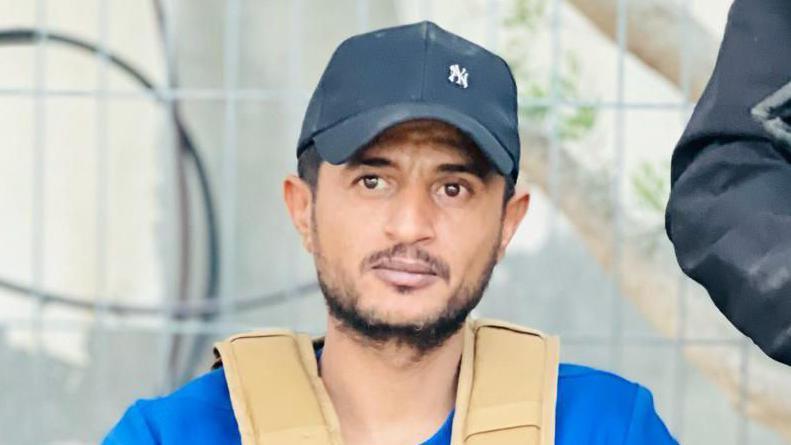
The recent death of Yasser Abu Shabab, a prominent leader of the Popular Forces militia in Gaza, has intensified the complex dynamics of the region. Abu Shabab, who led the Israeli-backed group, was reportedly killed while intervening in a family dispute, though the exact circumstances remain contested.
Conflicting Accounts of Abu Shabab's Death
The Popular Forces, a militia known for its opposition to Hamas, stated that Abu Shabab was fatally shot while attempting to mediate a conflict within the Abu Seneima family. The group dismissed allegations of Hamas involvement as "misleading." However, a statement from Abu Shabab's Bedouin tribe, the Tarabin, accused him of betrayal and suggested he was killed by the "resistance."
Reports from Gaza and Israeli media indicate that Abu Shabab, in his 30s, succumbed to injuries sustained during a clash with a powerful local family. This altercation allegedly arose after his refusal to release a hostage taken by his men. Despite these claims, Hamas has denied any role in his death, although they had previously labeled him a collaborator.
Israeli Support and Militia Dynamics
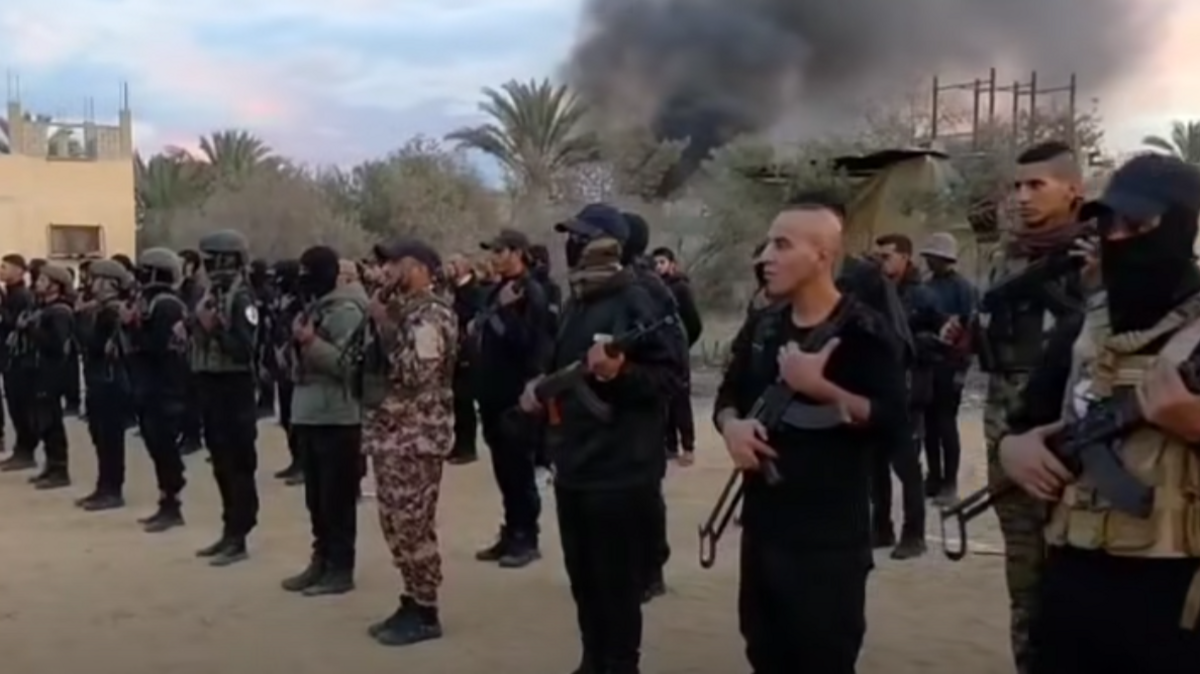
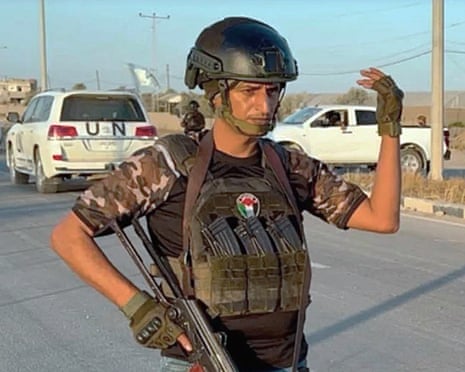
The Popular Forces, comprising dozens of fighters, have been part of Israel's strategy to arm proxies against Hamas. In June, Israeli Prime Minister Benjamin Netanyahu confirmed the arming of anti-Hamas factions, including the Popular Forces. This policy, however, has faced criticism for its potential to destabilize rather than provide a viable alternative to Hamas.
Dr. Michael Milshtein, an expert on Hamas, remarked on the inevitability of Abu Shabab's fate, whether due to internal strife or external threats. The death of Abu Shabab, who operated in Israeli-controlled areas near Rafah, underscores the precarious position of such militias.
Implications for Gaza's Future
Abu Shabab's death comes as the region anticipates the second phase of a US-backed Gaza peace plan. This plan involves establishing an interim government, deploying an international stabilization force, and disarming Hamas. The first phase saw a ceasefire and the exchange of hostages and prisoners.
The incident raises doubts about the effectiveness and longevity of Israeli-backed militias in challenging Hamas's dominance. As the peace process progresses, the stability of these groups remains uncertain, potentially impacting the broader Israeli-Palestinian relations.
WHAT THIS MIGHT MEAN
The death of Yasser Abu Shabab could lead to increased tensions among anti-Hamas factions in Gaza, potentially destabilizing the region further. As the second phase of the US-backed peace plan approaches, the ability of these militias to maintain cohesion and challenge Hamas effectively will be critical. Experts suggest that without a unified front, these groups may struggle to influence the political landscape.
The incident also highlights the complexities of Israeli-Palestinian relations, particularly regarding Israel's strategy of arming proxies. As international attention focuses on the peace process, the role and future of such militias will likely be scrutinized, impacting both local dynamics and broader geopolitical considerations.
Images from the Web
Related Articles

US Ambassador's Biblical Land Remarks Spark Outcry from Arab Nations

Middle East Conflict Drives UK Energy Prices to New Highs

UK Faces Dilemmas Amid Iran Conflict and China Spying Allegations
US and Israel Intensify Military Campaign as Iran's Capabilities Dwindle
Iran Postpones Khamenei Funeral Amid Escalating US-Israeli Strikes
Canada Calls for De-escalation Amid US-Israel Strikes on Iran
Death of Anti-Hamas Militia Leader Sparks Tensions in Gaza
In This Article
 James Okoro| Published
 HIGHLIGHTS
- Yasser Abu Shabab, leader of the Popular Forces, was killed in Gaza amid conflicting reports about the circumstances of his death.
- The Popular Forces, an anti-Hamas militia, denied claims that Hamas was involved in Abu Shabab's death, attributing it to a family dispute.
- Israel's Prime Minister Benjamin Netanyahu had previously confirmed arming anti-Hamas factions, including the Popular Forces.
- Abu Shabab's death raises questions about the stability and future of Israeli-backed militias in Gaza.
- The incident occurs as the second phase of a US-backed Gaza peace plan is anticipated to begin soon.
The recent death of Yasser Abu Shabab, a prominent leader of the Popular Forces militia in Gaza, has intensified the complex dynamics of the region. Abu Shabab, who led the Israeli-backed group, was reportedly killed while intervening in a family dispute, though the exact circumstances remain contested.
Conflicting Accounts of Abu Shabab's Death
The Popular Forces, a militia known for its opposition to Hamas, stated that Abu Shabab was fatally shot while attempting to mediate a conflict within the Abu Seneima family. The group dismissed allegations of Hamas involvement as "misleading." However, a statement from Abu Shabab's Bedouin tribe, the Tarabin, accused him of betrayal and suggested he was killed by the "resistance."
Reports from Gaza and Israeli media indicate that Abu Shabab, in his 30s, succumbed to injuries sustained during a clash with a powerful local family. This altercation allegedly arose after his refusal to release a hostage taken by his men. Despite these claims, Hamas has denied any role in his death, although they had previously labeled him a collaborator.
Israeli Support and Militia Dynamics
The Popular Forces, comprising dozens of fighters, have been part of Israel's strategy to arm proxies against Hamas. In June, Israeli Prime Minister Benjamin Netanyahu confirmed the arming of anti-Hamas factions, including the Popular Forces. This policy, however, has faced criticism for its potential to destabilize rather than provide a viable alternative to Hamas.
Dr. Michael Milshtein, an expert on Hamas, remarked on the inevitability of Abu Shabab's fate, whether due to internal strife or external threats. The death of Abu Shabab, who operated in Israeli-controlled areas near Rafah, underscores the precarious position of such militias.
Implications for Gaza's Future
Abu Shabab's death comes as the region anticipates the second phase of a US-backed Gaza peace plan. This plan involves establishing an interim government, deploying an international stabilization force, and disarming Hamas. The first phase saw a ceasefire and the exchange of hostages and prisoners.
The incident raises doubts about the effectiveness and longevity of Israeli-backed militias in challenging Hamas's dominance. As the peace process progresses, the stability of these groups remains uncertain, potentially impacting the broader Israeli-Palestinian relations.
WHAT THIS MIGHT MEAN
The death of Yasser Abu Shabab could lead to increased tensions among anti-Hamas factions in Gaza, potentially destabilizing the region further. As the second phase of the US-backed peace plan approaches, the ability of these militias to maintain cohesion and challenge Hamas effectively will be critical. Experts suggest that without a unified front, these groups may struggle to influence the political landscape.
The incident also highlights the complexities of Israeli-Palestinian relations, particularly regarding Israel's strategy of arming proxies. As international attention focuses on the peace process, the role and future of such militias will likely be scrutinized, impacting both local dynamics and broader geopolitical considerations.
Images from the Web
Related Articles
US Ambassador's Biblical Land Remarks Spark Outcry from Arab Nations
Middle East Conflict Drives UK Energy Prices to New Highs
UK Faces Dilemmas Amid Iran Conflict and China Spying Allegations
US and Israel Intensify Military Campaign as Iran's Capabilities Dwindle
Iran Postpones Khamenei Funeral Amid Escalating US-Israeli Strikes
Canada Calls for De-escalation Amid US-Israel Strikes on Iran