
Denmark Apologizes for Forced Contraception of Greenlandic Women
In This Article
HIGHLIGHTS
- Denmark's Prime Minister Mette Frederiksen issued an apology for the forced contraception of Greenlandic women and girls during the 1960s and 70s.
- Approximately 4,500 women and girls were affected by the IUD campaign, with many reporting they were fitted without consent.
- A lawsuit involving 143 women seeks 43 million Danish kroner in compensation for human rights violations.
- Greenland's former Prime Minister described the scandal as "genocide," highlighting the severe impact on the population.
- A formal inquiry into the scandal is set to release its findings next month, potentially influencing future legal actions.
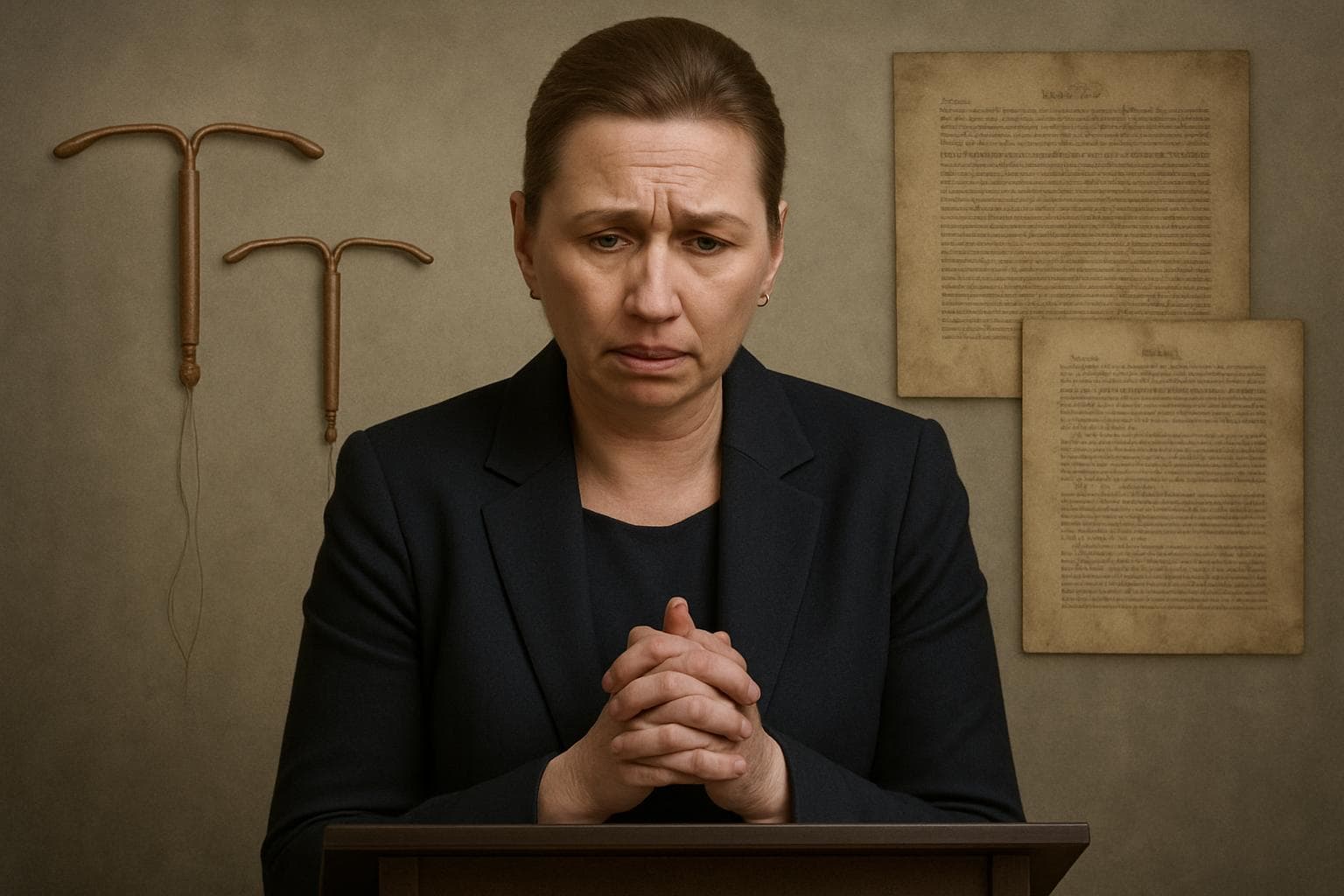
Denmark's Prime Minister, Mette Frederiksen, has formally apologized to Greenlandic women and girls subjected to forced contraception during a controversial birth-control campaign in the 1960s and 70s. The apology comes amid revelations of systemic discrimination by the Danish healthcare system, which saw thousands of Inuit women fitted with intrauterine devices (IUDs) without their consent.
Historical Context and Impact
Between 1966 and 1970, approximately 4,500 women and girls, some as young as 12, were affected by the campaign aimed at controlling Greenland's population growth. The program, administered by Danish doctors, has been described by Greenland's former Prime Minister, Múte B Egede, as "genocide." The scandal's scale was first uncovered by the investigative podcast Spiralkampagnen in 2022, sparking widespread outrage and demands for accountability.
Legal and Political Repercussions
In response to the scandal, 143 Greenlandic women have filed a lawsuit against the Danish state, seeking 43 million Danish kroner in compensation for what they describe as a violation of their human rights. The legal action underscores the deep-seated grievances stemming from Denmark's colonial past, as Greenland only gained control over its healthcare system in 1992.
Government Responses and Future Steps
Frederiksen's apology, delivered alongside Greenland's Prime Minister Jens-Frederik Nielsen, acknowledged the physical and psychological harm inflicted on the victims. Nielsen also apologized for cases occurring after Greenland assumed healthcare responsibilities, and announced plans for a compensation scheme. The apology is seen as a crucial step towards healing and improving relations between Denmark and Greenland.
Greenland's Minister for Justice and Gender Equality, Naaja H Nathanielsen, emphasized the necessity of the apology for moving forward. Meanwhile, Aaja Chemnitz, a Greenlandic parliament member, expressed hope that the apology would renew relations between the two nations.
WHAT THIS MIGHT MEAN
The forthcoming release of the formal inquiry's findings could significantly impact the legal landscape, potentially influencing the outcome of the ongoing lawsuit. If the investigation confirms widespread human rights violations, it may lead to increased pressure on Denmark to provide compensation and implement systemic reforms. Politically, the apology and subsequent actions could serve as a foundation for rebuilding trust and addressing historical grievances between Denmark and Greenland. Experts suggest that acknowledging past wrongs is essential for fostering a more equitable relationship moving forward.
Images from the Web
Related Articles
Danish PM Visits Greenland Amid US Acquisition Controversy, Sparking Unity and Protests
Greenland Politely Declines Trump's Hospital Ship Offer Amid Healthcare Debate
UK Government to Reform Asylum Seeker Support and Employment Policies
UK to Double Troop Presence in Norway Amid Rising Arctic Tensions

Munich Security Conference to Address Strained US-Europe Relations
Canada and France Establish Greenland Consulates to Bolster Arctic Relations
Denmark Apologizes for Forced Contraception of Greenlandic Women
In This Article
 Ethan Brooks| Published
 HIGHLIGHTS
- Denmark's Prime Minister Mette Frederiksen issued an apology for the forced contraception of Greenlandic women and girls during the 1960s and 70s.
- Approximately 4,500 women and girls were affected by the IUD campaign, with many reporting they were fitted without consent.
- A lawsuit involving 143 women seeks 43 million Danish kroner in compensation for human rights violations.
- Greenland's former Prime Minister described the scandal as "genocide," highlighting the severe impact on the population.
- A formal inquiry into the scandal is set to release its findings next month, potentially influencing future legal actions.
Denmark's Prime Minister, Mette Frederiksen, has formally apologized to Greenlandic women and girls subjected to forced contraception during a controversial birth-control campaign in the 1960s and 70s. The apology comes amid revelations of systemic discrimination by the Danish healthcare system, which saw thousands of Inuit women fitted with intrauterine devices (IUDs) without their consent.
Historical Context and Impact
Between 1966 and 1970, approximately 4,500 women and girls, some as young as 12, were affected by the campaign aimed at controlling Greenland's population growth. The program, administered by Danish doctors, has been described by Greenland's former Prime Minister, Múte B Egede, as "genocide." The scandal's scale was first uncovered by the investigative podcast Spiralkampagnen in 2022, sparking widespread outrage and demands for accountability.
Legal and Political Repercussions
In response to the scandal, 143 Greenlandic women have filed a lawsuit against the Danish state, seeking 43 million Danish kroner in compensation for what they describe as a violation of their human rights. The legal action underscores the deep-seated grievances stemming from Denmark's colonial past, as Greenland only gained control over its healthcare system in 1992.
Government Responses and Future Steps
Frederiksen's apology, delivered alongside Greenland's Prime Minister Jens-Frederik Nielsen, acknowledged the physical and psychological harm inflicted on the victims. Nielsen also apologized for cases occurring after Greenland assumed healthcare responsibilities, and announced plans for a compensation scheme. The apology is seen as a crucial step towards healing and improving relations between Denmark and Greenland.
Greenland's Minister for Justice and Gender Equality, Naaja H Nathanielsen, emphasized the necessity of the apology for moving forward. Meanwhile, Aaja Chemnitz, a Greenlandic parliament member, expressed hope that the apology would renew relations between the two nations.
WHAT THIS MIGHT MEAN
The forthcoming release of the formal inquiry's findings could significantly impact the legal landscape, potentially influencing the outcome of the ongoing lawsuit. If the investigation confirms widespread human rights violations, it may lead to increased pressure on Denmark to provide compensation and implement systemic reforms. Politically, the apology and subsequent actions could serve as a foundation for rebuilding trust and addressing historical grievances between Denmark and Greenland. Experts suggest that acknowledging past wrongs is essential for fostering a more equitable relationship moving forward.
Images from the Web
Related Articles
Danish PM Visits Greenland Amid US Acquisition Controversy, Sparking Unity and Protests
Greenland Politely Declines Trump's Hospital Ship Offer Amid Healthcare Debate
UK Government to Reform Asylum Seeker Support and Employment Policies
UK to Double Troop Presence in Norway Amid Rising Arctic Tensions
Munich Security Conference to Address Strained US-Europe Relations
Canada and France Establish Greenland Consulates to Bolster Arctic Relations