
US-Europe Tensions Rise Over Greenland Amid Strategic and Political Disputes
In This Article
HIGHLIGHTS
- US Vice-President JD Vance claims European allies have privately conceded more over Greenland than publicly admitted.
- A YouGov poll indicates a significant decline in European opinions of the US, with Denmark showing the steepest drop.
- President Trump's Greenland proposal is seen as a strategic move against potential Russian and Chinese threats.
- Europeans prioritize autonomy over transatlantic ties, with many unwilling to compromise values for US relations.
- Greenland's strategic location and mineral resources are central to US interests, amid climate change impacts.
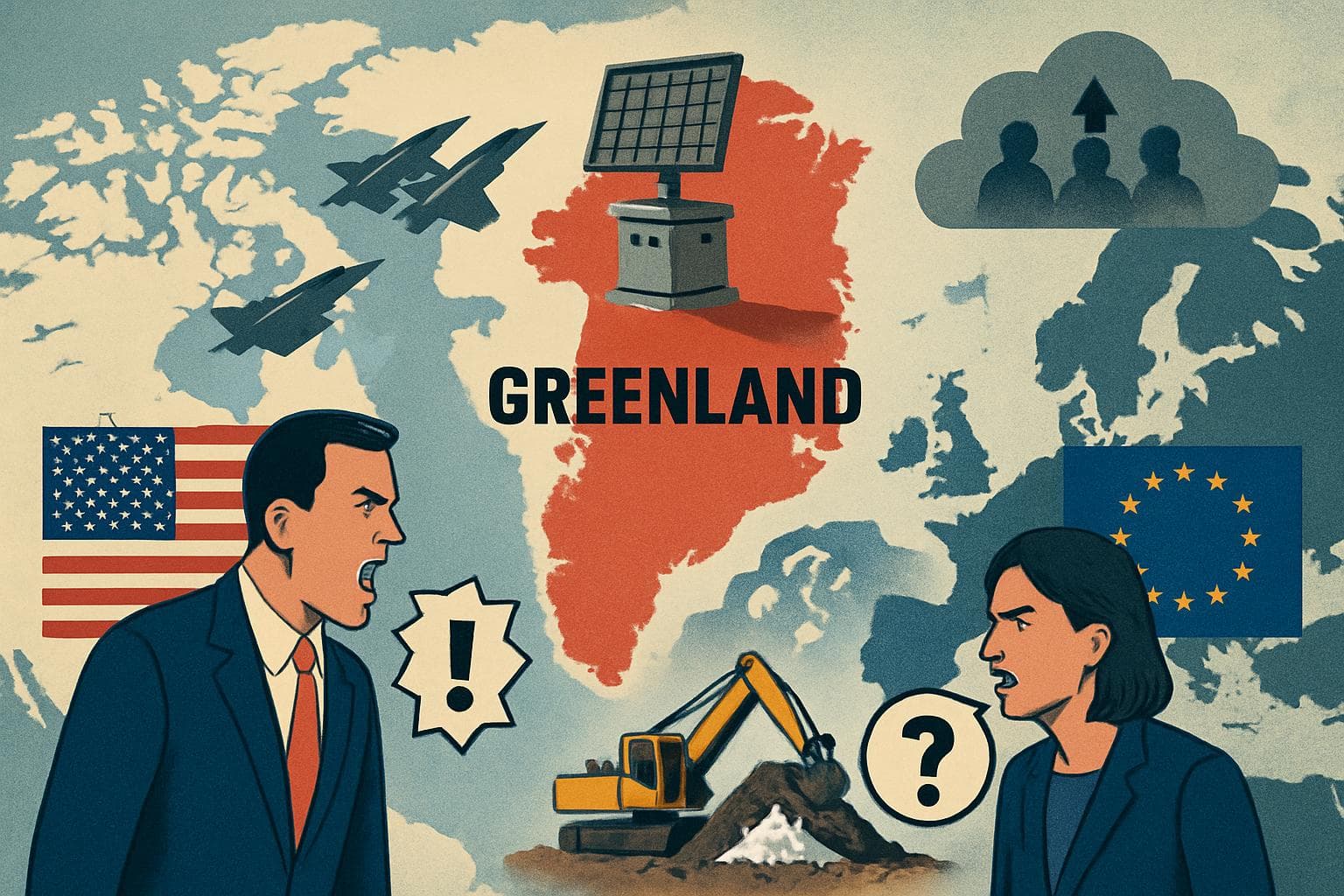
The geopolitical landscape between the United States and Europe has been further strained by recent developments surrounding Greenland. US Vice-President JD Vance has asserted that European allies have made more concessions regarding Greenland than they publicly acknowledge. Speaking on the Megyn Kelly Show, Vance suggested that a "framework of a future deal" unveiled by President Donald Trump could significantly benefit the US, particularly in countering threats from Russia and China.
Strategic Importance of Greenland
Greenland's strategic position between North America and the Arctic makes it a critical asset for early warning systems against missile attacks. The US has maintained a military presence there since World War Two, with over 100 personnel stationed at a base in the island's north-western tip. Under existing agreements with Denmark, the US can deploy additional troops as needed. Trump has argued that owning Greenland is essential for its defense, citing unverified claims of Russian and Chinese military presence.
European Reactions and Public Opinion
A recent YouGov poll reveals a marked decline in European perceptions of the US, with unfavorable opinions reaching new heights. In Denmark, where Greenland is a self-governing territory, only 26% now view the US as a friend or ally, down from 80% in July 2023. The poll also highlights a growing sentiment across Europe that prioritizes autonomy over maintaining transatlantic ties, with many Europeans unwilling to compromise their values to appease the US.
Economic and Political Implications
The potential economic benefits of Greenland's mineral resources, including rare earth minerals and possible oil and gas reserves, have not gone unnoticed. As climate change makes these resources more accessible, they become increasingly attractive to global powers. Vance's comments suggest that the US seeks to renegotiate terms to gain more from its defense commitments, a stance that has been met with skepticism and resistance from European leaders.
WHAT THIS MIGHT MEAN
The ongoing tensions over Greenland could lead to a reevaluation of US-Europe relations, particularly if European nations continue to prioritize autonomy. The strategic importance of Greenland, coupled with its untapped resources, may prompt further diplomatic negotiations or even economic partnerships. Experts suggest that while the US seeks to bolster its defense capabilities, Europe may look to strengthen its own security measures, potentially reducing reliance on US military support. The outcome of these developments could reshape the transatlantic alliance and influence global geopolitical dynamics.
Related Articles

UK Faces Dilemmas Amid Iran Conflict and China Spying Allegations
Senate Blocks Resolution to Limit Trump's Military Actions in Iran
Spain's Sánchez Stands Firm Against Trump's Trade Threat Over Iran Stance
Iran Postpones Khamenei Funeral Amid Escalating US-Israeli Strikes
Diplomatic Tensions Rise as Trump Criticizes Starmer's Iran Policy
China Sets Lowest GDP Growth Target in Decades Amid Economic Challenges
US-Europe Tensions Rise Over Greenland Amid Strategic and Political Disputes
In This Article
 Ethan Brooks| Published
 HIGHLIGHTS
- US Vice-President JD Vance claims European allies have privately conceded more over Greenland than publicly admitted.
- A YouGov poll indicates a significant decline in European opinions of the US, with Denmark showing the steepest drop.
- President Trump's Greenland proposal is seen as a strategic move against potential Russian and Chinese threats.
- Europeans prioritize autonomy over transatlantic ties, with many unwilling to compromise values for US relations.
- Greenland's strategic location and mineral resources are central to US interests, amid climate change impacts.
The geopolitical landscape between the United States and Europe has been further strained by recent developments surrounding Greenland. US Vice-President JD Vance has asserted that European allies have made more concessions regarding Greenland than they publicly acknowledge. Speaking on the Megyn Kelly Show, Vance suggested that a "framework of a future deal" unveiled by President Donald Trump could significantly benefit the US, particularly in countering threats from Russia and China.
Strategic Importance of Greenland
Greenland's strategic position between North America and the Arctic makes it a critical asset for early warning systems against missile attacks. The US has maintained a military presence there since World War Two, with over 100 personnel stationed at a base in the island's north-western tip. Under existing agreements with Denmark, the US can deploy additional troops as needed. Trump has argued that owning Greenland is essential for its defense, citing unverified claims of Russian and Chinese military presence.
European Reactions and Public Opinion
A recent YouGov poll reveals a marked decline in European perceptions of the US, with unfavorable opinions reaching new heights. In Denmark, where Greenland is a self-governing territory, only 26% now view the US as a friend or ally, down from 80% in July 2023. The poll also highlights a growing sentiment across Europe that prioritizes autonomy over maintaining transatlantic ties, with many Europeans unwilling to compromise their values to appease the US.
Economic and Political Implications
The potential economic benefits of Greenland's mineral resources, including rare earth minerals and possible oil and gas reserves, have not gone unnoticed. As climate change makes these resources more accessible, they become increasingly attractive to global powers. Vance's comments suggest that the US seeks to renegotiate terms to gain more from its defense commitments, a stance that has been met with skepticism and resistance from European leaders.
WHAT THIS MIGHT MEAN
The ongoing tensions over Greenland could lead to a reevaluation of US-Europe relations, particularly if European nations continue to prioritize autonomy. The strategic importance of Greenland, coupled with its untapped resources, may prompt further diplomatic negotiations or even economic partnerships. Experts suggest that while the US seeks to bolster its defense capabilities, Europe may look to strengthen its own security measures, potentially reducing reliance on US military support. The outcome of these developments could reshape the transatlantic alliance and influence global geopolitical dynamics.
Related Articles
UK Faces Dilemmas Amid Iran Conflict and China Spying Allegations
Senate Blocks Resolution to Limit Trump's Military Actions in Iran
Spain's Sánchez Stands Firm Against Trump's Trade Threat Over Iran Stance
Iran Postpones Khamenei Funeral Amid Escalating US-Israeli Strikes
Diplomatic Tensions Rise as Trump Criticizes Starmer's Iran Policy
China Sets Lowest GDP Growth Target in Decades Amid Economic Challenges