
El Salvador's Constitutional Reform Sparks Fears of Authoritarianism
In This Article
HIGHLIGHTS
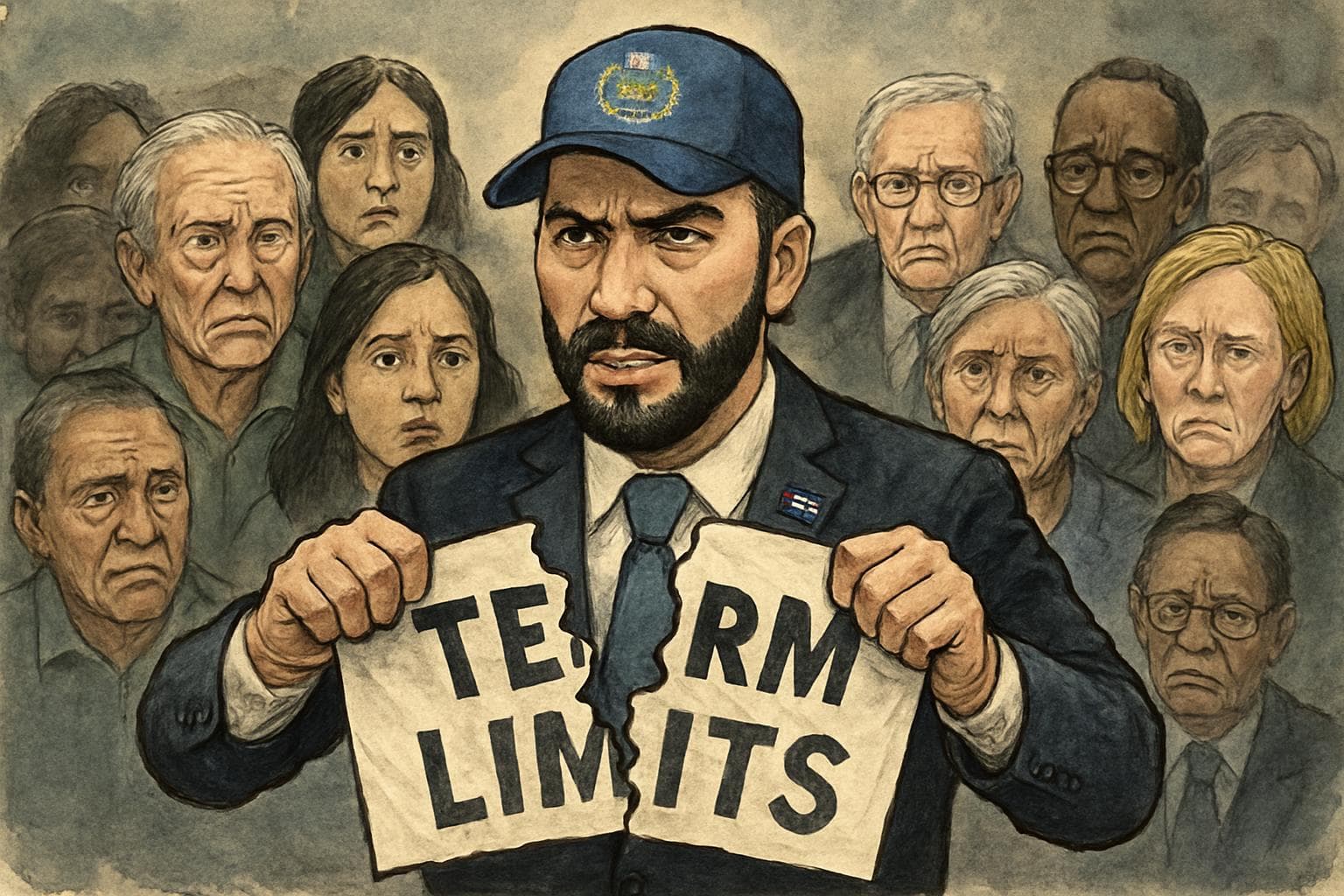
- El Salvador's congress has removed presidential term limits, enabling President Nayib Bukele to seek indefinite re-election.
- The constitutional reform, passed with 57 votes in favor and three against, also extends presidential terms from five to six years.
- Critics, including opposition leaders and human rights groups, warn of a slide towards authoritarianism, drawing parallels with Venezuela.
- Bukele's crime crackdown has reduced murder rates but led to the arrest of approximately 75,000 people, raising human rights concerns.
- The reform synchronizes elections to 2027, shortening the current presidential term by two years.
El Salvador's legislative assembly has approved sweeping constitutional reforms that abolish presidential term limits, allowing President Nayib Bukele to potentially remain in power indefinitely. The move, passed with 57 votes in favor and three against, has sparked significant controversy both domestically and internationally.
Constitutional Changes and Political Implications
The reform not only removes term limits but also extends the presidential term from five to six years. Additionally, it reschedules the next presidential election to 2027, aligning it with legislative and municipal elections. This change shortens Bukele's current term by two years, a decision that has been met with both celebration and criticism.
Supporters of Bukele, who has been in power since 2019, argue that these changes reflect the will of the people. Ernesto Castro, president of the Legislative Assembly and a member of Bukele's New Ideas party, expressed gratitude to fellow deputies for "making history."
Opposition and Human Rights Concerns
Opposition leaders and human rights organizations have voiced strong objections, warning that El Salvador is on a path towards authoritarianism reminiscent of Venezuela. Marcela Villatoro, an opposition MP, declared, "Democracy in El Salvador has died," criticizing the lack of public debate and transparency in the legislative process.
Human rights groups have also raised alarms over Bukele's aggressive crime crackdown, which has seen murder rates plummet but resulted in the arrest of approximately 75,000 individuals under emergency measures. Critics argue that these actions undermine due process and civil liberties.
Regional and International Reactions
The international community is closely watching El Salvador's political developments. Juanita Goebertus of Human Rights Watch compared the situation to Venezuela's 2009 referendum under Hugo Chávez, which similarly abolished term limits and paved the way for prolonged rule.
Bukele, who has previously stated he would not seek re-election, citing constitutional prohibitions, now faces skepticism regarding his intentions. His popularity, bolstered by a tough stance on crime, has made him a figure of interest among right-wing politicians in Latin America and beyond.
WHAT THIS MIGHT MEAN
The removal of presidential term limits in El Salvador could have significant implications for the country's democratic institutions and regional stability. If Bukele chooses to run for re-election indefinitely, it may consolidate his power further, potentially leading to increased authoritarianism.
Internationally, El Salvador's political trajectory could influence other nations in Central America grappling with similar challenges. The situation may also affect El Salvador's relationships with democratic nations, potentially impacting foreign aid and diplomatic ties.
Experts warn that the erosion of democratic norms could take years to reverse, as seen in other countries with similar political shifts. The coming years will be crucial in determining whether El Salvador can maintain a balance between effective governance and democratic accountability.
Related Articles
Munich Security Conference: A New Era in Transatlantic Relations
Laura Fernández Wins Costa Rica Presidency, Pledges Tough Stance on Crime
Venezuela Opens Oil Sector to Foreign Investment Amid US Pressure
Cuba Faces Widespread Blackout Amid Deepening Fuel Crisis
Venezuelan Political Prisoners Seek Amnesty Amidst Hopes for Democratic Transition

US Military Strikes on Alleged Drug Boats Raise Legal Concerns
El Salvador's Constitutional Reform Sparks Fears of Authoritarianism
In This Article
 Alex Carter| Published
 HIGHLIGHTS
- El Salvador's congress has removed presidential term limits, enabling President Nayib Bukele to seek indefinite re-election.
- The constitutional reform, passed with 57 votes in favor and three against, also extends presidential terms from five to six years.
- Critics, including opposition leaders and human rights groups, warn of a slide towards authoritarianism, drawing parallels with Venezuela.
- Bukele's crime crackdown has reduced murder rates but led to the arrest of approximately 75,000 people, raising human rights concerns.
- The reform synchronizes elections to 2027, shortening the current presidential term by two years.
El Salvador's legislative assembly has approved sweeping constitutional reforms that abolish presidential term limits, allowing President Nayib Bukele to potentially remain in power indefinitely. The move, passed with 57 votes in favor and three against, has sparked significant controversy both domestically and internationally.
Constitutional Changes and Political Implications
The reform not only removes term limits but also extends the presidential term from five to six years. Additionally, it reschedules the next presidential election to 2027, aligning it with legislative and municipal elections. This change shortens Bukele's current term by two years, a decision that has been met with both celebration and criticism.
Supporters of Bukele, who has been in power since 2019, argue that these changes reflect the will of the people. Ernesto Castro, president of the Legislative Assembly and a member of Bukele's New Ideas party, expressed gratitude to fellow deputies for "making history."
Opposition and Human Rights Concerns
Opposition leaders and human rights organizations have voiced strong objections, warning that El Salvador is on a path towards authoritarianism reminiscent of Venezuela. Marcela Villatoro, an opposition MP, declared, "Democracy in El Salvador has died," criticizing the lack of public debate and transparency in the legislative process.
Human rights groups have also raised alarms over Bukele's aggressive crime crackdown, which has seen murder rates plummet but resulted in the arrest of approximately 75,000 individuals under emergency measures. Critics argue that these actions undermine due process and civil liberties.
Regional and International Reactions
The international community is closely watching El Salvador's political developments. Juanita Goebertus of Human Rights Watch compared the situation to Venezuela's 2009 referendum under Hugo Chávez, which similarly abolished term limits and paved the way for prolonged rule.
Bukele, who has previously stated he would not seek re-election, citing constitutional prohibitions, now faces skepticism regarding his intentions. His popularity, bolstered by a tough stance on crime, has made him a figure of interest among right-wing politicians in Latin America and beyond.
WHAT THIS MIGHT MEAN
The removal of presidential term limits in El Salvador could have significant implications for the country's democratic institutions and regional stability. If Bukele chooses to run for re-election indefinitely, it may consolidate his power further, potentially leading to increased authoritarianism.
Internationally, El Salvador's political trajectory could influence other nations in Central America grappling with similar challenges. The situation may also affect El Salvador's relationships with democratic nations, potentially impacting foreign aid and diplomatic ties.
Experts warn that the erosion of democratic norms could take years to reverse, as seen in other countries with similar political shifts. The coming years will be crucial in determining whether El Salvador can maintain a balance between effective governance and democratic accountability.
Related Articles
Munich Security Conference: A New Era in Transatlantic Relations
Laura Fernández Wins Costa Rica Presidency, Pledges Tough Stance on Crime
Venezuela Opens Oil Sector to Foreign Investment Amid US Pressure
Cuba Faces Widespread Blackout Amid Deepening Fuel Crisis
Venezuelan Political Prisoners Seek Amnesty Amidst Hopes for Democratic Transition
US Military Strikes on Alleged Drug Boats Raise Legal Concerns