
EU Plane Incident Highlights Growing Concerns Over Russian GPS Jamming
In This Article
HIGHLIGHTS
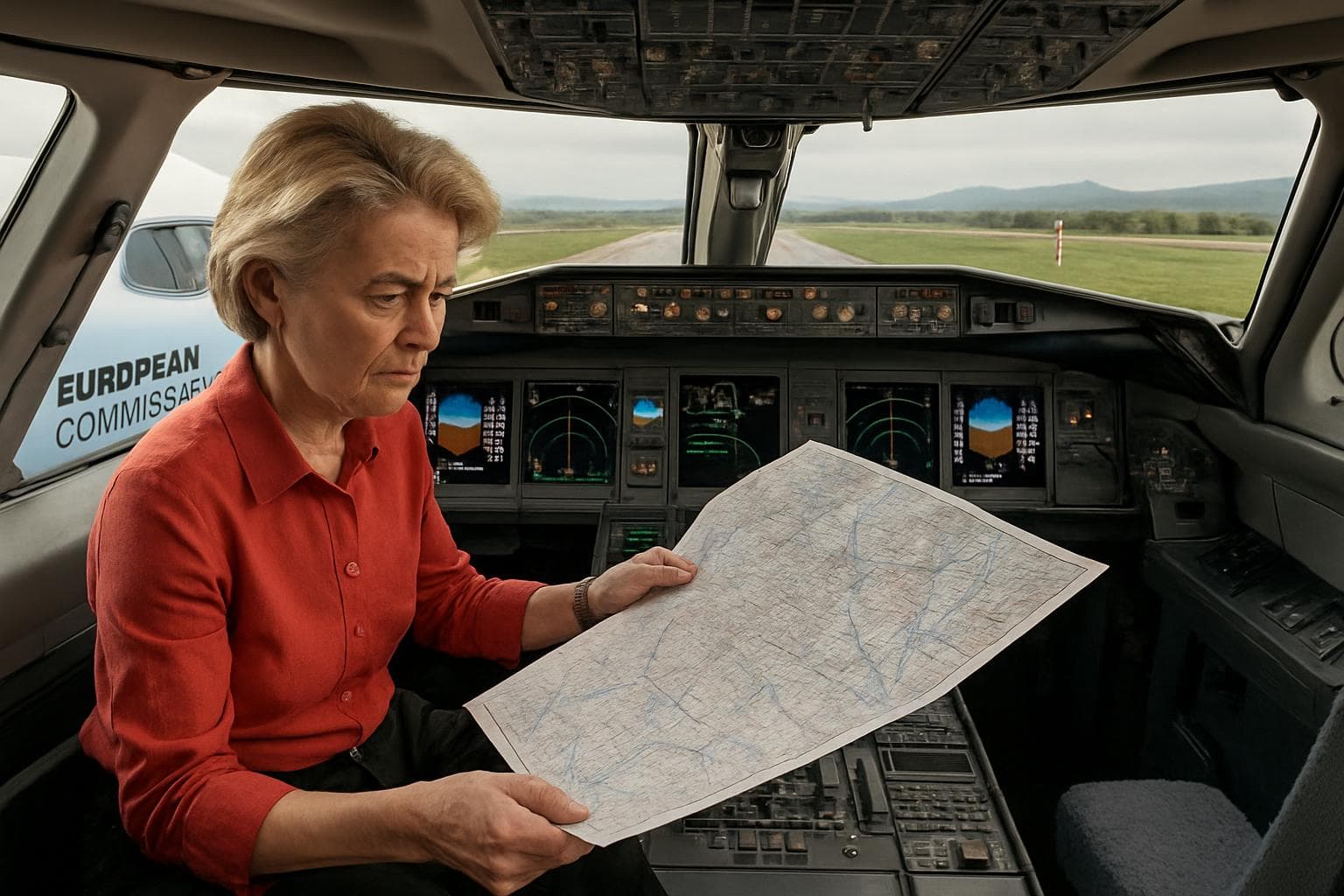
- Ursula von der Leyen's plane experienced suspected Russian GPS jamming over Bulgaria, forcing it to land using paper maps.
- The European Commission confirmed the incident, attributing it to Russia's hostile actions and reinforcing its defense commitments.
- GPS jamming incidents have increased since Russia's 2022 invasion of Ukraine, posing significant challenges to aviation safety.
- The EU plans to deploy additional satellites to detect GPS interference and bolster security on its eastern borders.
- Lithuania and other Eastern European nations are enhancing defense measures in response to ongoing threats.
A plane carrying European Commission President Ursula von der Leyen was reportedly subjected to GPS jamming, suspected to be orchestrated by Russia, while approaching Plovdiv, Bulgaria. The incident, which occurred on Sunday, forced the aircraft to land using traditional navigation methods, including paper maps, after circling the airport for an hour.
Incident Details and Response
The European Commission confirmed the disruption, attributing it to "blatant interference by Russia," according to spokesperson Arianna Podestà. This incident underscores the increasing frequency of GPS jamming in regions near Russia, a trend that has escalated since the country's full-scale invasion of Ukraine in 2022. The Bulgarian government corroborated the interference, noting that the satellite signal to the plane's GPS was neutralized, necessitating alternative landing procedures.
Broader Implications for Aviation Safety
The rise in GPS jamming incidents poses significant challenges to aviation safety, particularly in Eastern Europe. The European Union Aviation Safety Agency (EASA) and the International Air Transport Association (IATA) have convened to address these threats, warning of potential air disasters if disruptions continue. Despite the risks, the UK's Civil Aviation Authority (CAA) maintains that aircrafts' complex navigation systems are not solely reliant on GPS.
EU's Strategic Response
In response to these threats, the EU is ramping up its defense capabilities. Defense Commissioner Andrius Kubilius announced plans to deploy additional satellites to detect GPS interference. This move is part of a broader strategy to enhance security along the EU's eastern borders, with increased funding and support for member states directly adjacent to Russia and Belarus.
Regional Security Concerns
The incident coincides with heightened security concerns in Eastern Europe. Lithuania's President Gitanas Nausėda emphasized the need to strengthen border defenses, citing recent incursions by Russian drones. The EU's commitment to bolstering security in the region is further reinforced by ongoing discussions about potential security guarantees for Ukraine.
WHAT THIS MIGHT MEAN
The suspected Russian GPS jamming incident involving Ursula von der Leyen's plane highlights the growing geopolitical tensions in Eastern Europe. As the EU strengthens its defense capabilities, the potential for further escalation remains. Experts suggest that continued GPS interference could lead to more stringent international regulations and increased collaboration among EU member states to safeguard aviation and regional security. The situation also underscores the importance of technological advancements in navigation systems to mitigate the risks posed by electronic warfare tactics.
Related Articles
France Releases Russian 'Shadow Fleet' Tanker Amid Rising Tensions
UK PM Keir Starmer Calls for Stronger European Defence Ties at Munich Conference
Russian LNG Tanker Sinks in Mediterranean Amid Accusations of Ukrainian Drone Attack

Russia-Ukraine Conflict: Four Years of Unyielding Struggle and Human Resilience

US Supreme Court Ruling on Tariffs Sparks Uncertainty for UK and Global Trade
Kenyan Nationals Recruited for Russia-Ukraine War Amid Allegations of Human Trafficking
EU Plane Incident Highlights Growing Concerns Over Russian GPS Jamming
In This Article
 Alex Carter| Published
 HIGHLIGHTS
- Ursula von der Leyen's plane experienced suspected Russian GPS jamming over Bulgaria, forcing it to land using paper maps.
- The European Commission confirmed the incident, attributing it to Russia's hostile actions and reinforcing its defense commitments.
- GPS jamming incidents have increased since Russia's 2022 invasion of Ukraine, posing significant challenges to aviation safety.
- The EU plans to deploy additional satellites to detect GPS interference and bolster security on its eastern borders.
- Lithuania and other Eastern European nations are enhancing defense measures in response to ongoing threats.
A plane carrying European Commission President Ursula von der Leyen was reportedly subjected to GPS jamming, suspected to be orchestrated by Russia, while approaching Plovdiv, Bulgaria. The incident, which occurred on Sunday, forced the aircraft to land using traditional navigation methods, including paper maps, after circling the airport for an hour.
Incident Details and Response
The European Commission confirmed the disruption, attributing it to "blatant interference by Russia," according to spokesperson Arianna Podestà. This incident underscores the increasing frequency of GPS jamming in regions near Russia, a trend that has escalated since the country's full-scale invasion of Ukraine in 2022. The Bulgarian government corroborated the interference, noting that the satellite signal to the plane's GPS was neutralized, necessitating alternative landing procedures.
Broader Implications for Aviation Safety
The rise in GPS jamming incidents poses significant challenges to aviation safety, particularly in Eastern Europe. The European Union Aviation Safety Agency (EASA) and the International Air Transport Association (IATA) have convened to address these threats, warning of potential air disasters if disruptions continue. Despite the risks, the UK's Civil Aviation Authority (CAA) maintains that aircrafts' complex navigation systems are not solely reliant on GPS.
EU's Strategic Response
In response to these threats, the EU is ramping up its defense capabilities. Defense Commissioner Andrius Kubilius announced plans to deploy additional satellites to detect GPS interference. This move is part of a broader strategy to enhance security along the EU's eastern borders, with increased funding and support for member states directly adjacent to Russia and Belarus.
Regional Security Concerns
The incident coincides with heightened security concerns in Eastern Europe. Lithuania's President Gitanas Nausėda emphasized the need to strengthen border defenses, citing recent incursions by Russian drones. The EU's commitment to bolstering security in the region is further reinforced by ongoing discussions about potential security guarantees for Ukraine.
WHAT THIS MIGHT MEAN
The suspected Russian GPS jamming incident involving Ursula von der Leyen's plane highlights the growing geopolitical tensions in Eastern Europe. As the EU strengthens its defense capabilities, the potential for further escalation remains. Experts suggest that continued GPS interference could lead to more stringent international regulations and increased collaboration among EU member states to safeguard aviation and regional security. The situation also underscores the importance of technological advancements in navigation systems to mitigate the risks posed by electronic warfare tactics.
Related Articles
France Releases Russian 'Shadow Fleet' Tanker Amid Rising Tensions
UK PM Keir Starmer Calls for Stronger European Defence Ties at Munich Conference
Russian LNG Tanker Sinks in Mediterranean Amid Accusations of Ukrainian Drone Attack
Russia-Ukraine Conflict: Four Years of Unyielding Struggle and Human Resilience
US Supreme Court Ruling on Tariffs Sparks Uncertainty for UK and Global Trade
Kenyan Nationals Recruited for Russia-Ukraine War Amid Allegations of Human Trafficking