
Famine in Gaza: A Man-Made Crisis Amidst Blockade and Conflict
In This Article
HIGHLIGHTS
- The Integrated Food Security Phase Classification (IPC) has declared a famine in Gaza, affecting a quarter of its population.
- Israel's blockade, intensified since March 2025, is cited as a primary cause of the humanitarian crisis, with aid organizations accusing Israel of obstructing food supplies.
- The famine is described as "entirely man-made," with calls for a ceasefire and restoration of essential services to prevent further deaths.
- Vulnerable groups, including children and the elderly, are most at risk, with malnutrition and disease contributing to rising mortality rates.
- Despite some aid reaching Gaza, it remains insufficient, with skyrocketing food prices making basic necessities unaffordable for most residents.
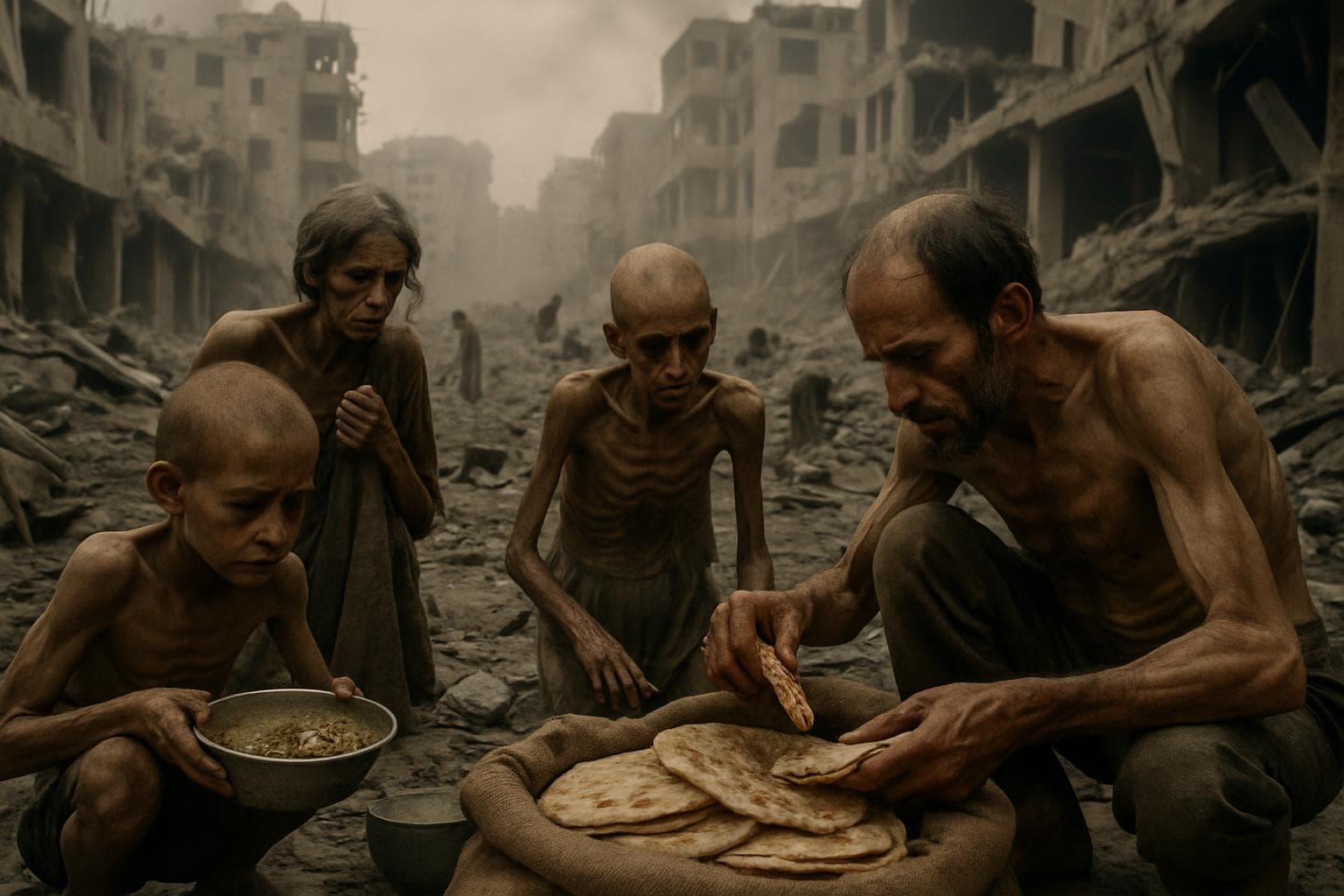
The humanitarian crisis in Gaza has reached a critical point, with the Integrated Food Security Phase Classification (IPC) officially declaring a famine in the region. This dire situation affects approximately 500,000 people, a quarter of Gaza's population, and is primarily attributed to the ongoing Israeli blockade, which has severely restricted the flow of essential goods into the area.
The Humanitarian Toll
The IPC's assessment, supported by the United Nations, highlights the severity of the crisis, noting that the conditions of "starvation, destitution, and death" are prevalent in Gaza City and rapidly spreading. The report identifies three key indicators of famine: extreme food shortages, acute malnutrition affecting one in three children, and a rising mortality rate. Despite a breakdown in monitoring systems, experts believe the mortality threshold for famine has been met, with 273 deaths, including 112 children, recorded due to malnutrition.
Blockade and Aid Challenges
The Israeli blockade, intensified since the conflict's escalation in October 2023, has been a significant factor in the crisis. Although Israel began allowing limited goods into Gaza in late May 2025, aid organizations argue that the supplies are insufficient to meet the needs of the population. The blockade has led to exorbitant food prices, with basic items like sugar and tomatoes becoming unaffordable for the majority of residents who lack income.
Voices from Gaza
Personal accounts from Gaza paint a harrowing picture of daily life. Sabah Antaiz, a 55-year-old resident displaced by conflict, describes surviving on minimal food, unable to afford even basic cooking supplies. Her story is echoed by many others who face similar hardships, exacerbated by the loss of family members and the inability to access adequate healthcare.
Calls for Action
The IPC report emphasizes that the famine is "entirely man-made" and reversible, urging for an immediate ceasefire and the restoration of essential services. Without these measures, aid agencies warn of an exponential increase in deaths among Gaza's most vulnerable populations, including children, the elderly, and those with pre-existing health conditions.
WHAT THIS MIGHT MEAN
The declaration of famine in Gaza underscores the urgent need for international intervention to address the humanitarian crisis. If the blockade continues, the situation is likely to deteriorate further, with more lives at risk due to malnutrition and disease. A potential ceasefire could pave the way for increased aid and the restoration of essential services, but this requires significant diplomatic efforts and cooperation from all parties involved. Experts stress that resolving the crisis will necessitate addressing the underlying political tensions and ensuring sustained humanitarian support for Gaza's population.
Related Articles

Trump's Board of Peace Pledges $7 Billion for Gaza Amidst International Skepticism

Intensified US-Israel Strikes on Iran Spark Global Outcry
Canada Calls for De-escalation Amid US-Israel Strikes on Iran

Palestinian-American Teen Killed by Israeli Settlers in West Bank Sparks Calls for Accountability

Hamas Leadership Vote Amidst Critical Crossroads for the Movement

US-Iran Tensions Escalate Amid Military Buildup and Diplomatic Deadlock
Famine in Gaza: A Man-Made Crisis Amidst Blockade and Conflict
In This Article
 Aya Nakamura| Published
 HIGHLIGHTS
- The Integrated Food Security Phase Classification (IPC) has declared a famine in Gaza, affecting a quarter of its population.
- Israel's blockade, intensified since March 2025, is cited as a primary cause of the humanitarian crisis, with aid organizations accusing Israel of obstructing food supplies.
- The famine is described as "entirely man-made," with calls for a ceasefire and restoration of essential services to prevent further deaths.
- Vulnerable groups, including children and the elderly, are most at risk, with malnutrition and disease contributing to rising mortality rates.
- Despite some aid reaching Gaza, it remains insufficient, with skyrocketing food prices making basic necessities unaffordable for most residents.
The humanitarian crisis in Gaza has reached a critical point, with the Integrated Food Security Phase Classification (IPC) officially declaring a famine in the region. This dire situation affects approximately 500,000 people, a quarter of Gaza's population, and is primarily attributed to the ongoing Israeli blockade, which has severely restricted the flow of essential goods into the area.
The Humanitarian Toll
The IPC's assessment, supported by the United Nations, highlights the severity of the crisis, noting that the conditions of "starvation, destitution, and death" are prevalent in Gaza City and rapidly spreading. The report identifies three key indicators of famine: extreme food shortages, acute malnutrition affecting one in three children, and a rising mortality rate. Despite a breakdown in monitoring systems, experts believe the mortality threshold for famine has been met, with 273 deaths, including 112 children, recorded due to malnutrition.
Blockade and Aid Challenges
The Israeli blockade, intensified since the conflict's escalation in October 2023, has been a significant factor in the crisis. Although Israel began allowing limited goods into Gaza in late May 2025, aid organizations argue that the supplies are insufficient to meet the needs of the population. The blockade has led to exorbitant food prices, with basic items like sugar and tomatoes becoming unaffordable for the majority of residents who lack income.
Voices from Gaza
Personal accounts from Gaza paint a harrowing picture of daily life. Sabah Antaiz, a 55-year-old resident displaced by conflict, describes surviving on minimal food, unable to afford even basic cooking supplies. Her story is echoed by many others who face similar hardships, exacerbated by the loss of family members and the inability to access adequate healthcare.
Calls for Action
The IPC report emphasizes that the famine is "entirely man-made" and reversible, urging for an immediate ceasefire and the restoration of essential services. Without these measures, aid agencies warn of an exponential increase in deaths among Gaza's most vulnerable populations, including children, the elderly, and those with pre-existing health conditions.
WHAT THIS MIGHT MEAN
The declaration of famine in Gaza underscores the urgent need for international intervention to address the humanitarian crisis. If the blockade continues, the situation is likely to deteriorate further, with more lives at risk due to malnutrition and disease. A potential ceasefire could pave the way for increased aid and the restoration of essential services, but this requires significant diplomatic efforts and cooperation from all parties involved. Experts stress that resolving the crisis will necessitate addressing the underlying political tensions and ensuring sustained humanitarian support for Gaza's population.
Related Articles
Trump's Board of Peace Pledges $7 Billion for Gaza Amidst International Skepticism
Intensified US-Israel Strikes on Iran Spark Global Outcry
Canada Calls for De-escalation Amid US-Israel Strikes on Iran
Palestinian-American Teen Killed by Israeli Settlers in West Bank Sparks Calls for Accountability
Hamas Leadership Vote Amidst Critical Crossroads for the Movement
US-Iran Tensions Escalate Amid Military Buildup and Diplomatic Deadlock