
Federal Reserve Holds Interest Rates Amidst Political Pressure
In This Article
HIGHLIGHTS
- The US Federal Reserve has decided to maintain interest rates between 3.5% and 3.75%, despite pressure from the Trump administration.
- Fed Chair Jerome Powell emphasized the importance of central bank independence amid a criminal investigation into his congressional testimony.
- President Trump has criticized Powell for not lowering interest rates, claiming it costs the US economy significantly.
- The Federal Open Market Committee (FOMC) voted to pause rate cuts, citing improved economic activity and a stabilizing job market.
- Powell's term as Fed Chair ends in May, with Trump expected to announce a successor soon.
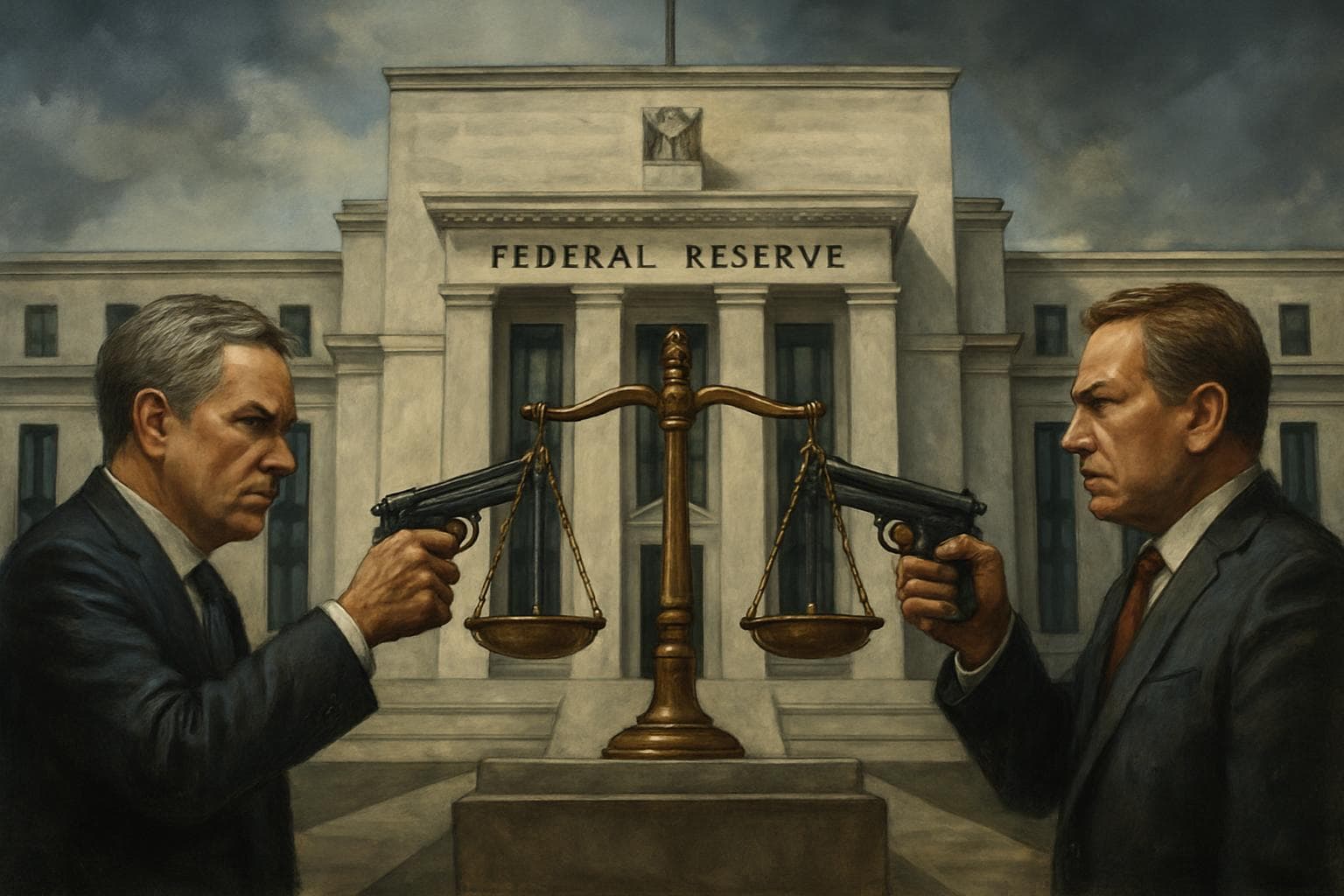
The US Federal Reserve has opted to keep interest rates steady at a range of 3.5% to 3.75%, resisting significant pressure from the Trump administration to lower them. This decision comes as the Fed faces scrutiny over its independence, with Chair Jerome Powell under a criminal investigation related to his congressional testimony on renovations at the central bank's headquarters.
Central Bank Independence Under Scrutiny
Jerome Powell has been a focal point of President Donald Trump's criticism, who has repeatedly urged for faster rate cuts, arguing that the current rates are detrimental to the US economy. Powell, however, has defended the Fed's autonomy, stating that losing independence would undermine the institution's credibility. "It's just an institutional arrangement that has served the people well," Powell remarked, emphasizing the need for monetary policy to remain free from political influence.
Economic Indicators and Policy Decisions
The Federal Open Market Committee (FOMC) voted to pause further rate cuts, highlighting recent economic improvements and a stabilizing job market. Powell noted that while job creation remains sluggish, unemployment rates have decreased, and inflation concerns have lessened. "The economy has once again surprised us with its strength," Powell commented, reinforcing the decision to hold rates steady.
Political Tensions and Future Leadership
Despite the Fed's stance, Trump has continued to express dissatisfaction, labeling Powell as "stiff" and suggesting that rate cuts should have been more aggressive. The criminal investigation into Powell's testimony, which he describes as a "pretext," has drawn criticism from former Fed officials and business leaders who view it as an attempt to undermine the central bank's independence.
As Powell's term as Fed Chair concludes in May, speculation mounts over his successor, with Trump expected to announce a replacement soon. Among the contenders is Christopher Waller, a current Fed official and Trump appointee.
WHAT THIS MIGHT MEAN
The ongoing tension between the Federal Reserve and the Trump administration raises questions about the future of central bank independence in the US. If political pressure continues to mount, it could lead to significant changes in how monetary policy is set, potentially impacting economic stability. Experts warn that any erosion of the Fed's autonomy could have long-term consequences for the credibility of US economic policy. As Powell's term nears its end, the appointment of a new chair will be crucial in determining the Fed's direction and its ability to resist political influence.
Related Articles

Tech Giants Pledge to Cover AI Data Center Energy Costs Amid Rising Electricity Concerns
Congress Subpoenas Attorney General Bondi in Epstein Investigation

Cuba Faces Widespread Blackout Amid Deepening Fuel Crisis

UK Faces Dilemmas Amid Iran Conflict and China Spying Allegations
Senate Blocks Resolution to Limit Trump's Military Actions in Iran

UK-Iran Tensions: Starmer Defends Cautious Approach Amid Trump Criticism
Federal Reserve Holds Interest Rates Amidst Political Pressure
In This Article
 Daniel Rivera| Published
 HIGHLIGHTS
- The US Federal Reserve has decided to maintain interest rates between 3.5% and 3.75%, despite pressure from the Trump administration.
- Fed Chair Jerome Powell emphasized the importance of central bank independence amid a criminal investigation into his congressional testimony.
- President Trump has criticized Powell for not lowering interest rates, claiming it costs the US economy significantly.
- The Federal Open Market Committee (FOMC) voted to pause rate cuts, citing improved economic activity and a stabilizing job market.
- Powell's term as Fed Chair ends in May, with Trump expected to announce a successor soon.
The US Federal Reserve has opted to keep interest rates steady at a range of 3.5% to 3.75%, resisting significant pressure from the Trump administration to lower them. This decision comes as the Fed faces scrutiny over its independence, with Chair Jerome Powell under a criminal investigation related to his congressional testimony on renovations at the central bank's headquarters.
Central Bank Independence Under Scrutiny
Jerome Powell has been a focal point of President Donald Trump's criticism, who has repeatedly urged for faster rate cuts, arguing that the current rates are detrimental to the US economy. Powell, however, has defended the Fed's autonomy, stating that losing independence would undermine the institution's credibility. "It's just an institutional arrangement that has served the people well," Powell remarked, emphasizing the need for monetary policy to remain free from political influence.
Economic Indicators and Policy Decisions
The Federal Open Market Committee (FOMC) voted to pause further rate cuts, highlighting recent economic improvements and a stabilizing job market. Powell noted that while job creation remains sluggish, unemployment rates have decreased, and inflation concerns have lessened. "The economy has once again surprised us with its strength," Powell commented, reinforcing the decision to hold rates steady.
Political Tensions and Future Leadership
Despite the Fed's stance, Trump has continued to express dissatisfaction, labeling Powell as "stiff" and suggesting that rate cuts should have been more aggressive. The criminal investigation into Powell's testimony, which he describes as a "pretext," has drawn criticism from former Fed officials and business leaders who view it as an attempt to undermine the central bank's independence.
As Powell's term as Fed Chair concludes in May, speculation mounts over his successor, with Trump expected to announce a replacement soon. Among the contenders is Christopher Waller, a current Fed official and Trump appointee.
WHAT THIS MIGHT MEAN
The ongoing tension between the Federal Reserve and the Trump administration raises questions about the future of central bank independence in the US. If political pressure continues to mount, it could lead to significant changes in how monetary policy is set, potentially impacting economic stability. Experts warn that any erosion of the Fed's autonomy could have long-term consequences for the credibility of US economic policy. As Powell's term nears its end, the appointment of a new chair will be crucial in determining the Fed's direction and its ability to resist political influence.
Related Articles
Tech Giants Pledge to Cover AI Data Center Energy Costs Amid Rising Electricity Concerns
Congress Subpoenas Attorney General Bondi in Epstein Investigation
Cuba Faces Widespread Blackout Amid Deepening Fuel Crisis
UK Faces Dilemmas Amid Iran Conflict and China Spying Allegations
Senate Blocks Resolution to Limit Trump's Military Actions in Iran
UK-Iran Tensions: Starmer Defends Cautious Approach Amid Trump Criticism