
France Summons US Ambassador Over Antisemitism Allegations Amid Gaza Conflict

In This Article
HIGHLIGHTS
- France has summoned US Ambassador Charles Kushner over claims of insufficient action against antisemitism, following his open letter to President Emmanuel Macron.
- Kushner's letter, published in the Wall Street Journal, criticized France for not adequately addressing antisemitic violence, linking it to the Gaza conflict.
- The French foreign ministry refuted Kushner's allegations, citing the Vienna Convention, which restricts ambassadors from interfering in domestic affairs.
- Macron has been a vocal critic of Israel's actions in Gaza and plans to recognize a Palestinian state, which Kushner argues fuels antisemitism.
- The ongoing Gaza conflict, sparked by Hamas's attack on October 7, 2023, has intensified tensions, with both Jewish and Muslim communities in France reporting increased hate crimes.
France has summoned the US ambassador, Charles Kushner, following his public criticism of the country's handling of antisemitism, a move that underscores the growing diplomatic tensions between France, the US, and Israel. Kushner's open letter to French President Emmanuel Macron, published in the Wall Street Journal, accused France of failing to adequately combat a surge in antisemitic incidents, which he linked to the ongoing conflict in Gaza.
Diplomatic Tensions Rise
The French foreign ministry swiftly responded to Kushner's allegations, labeling them as "unacceptable" and announcing that the ambassador would be summoned on Monday. The ministry emphasized that the 1961 Vienna Convention prohibits ambassadors from meddling in a nation's internal affairs. Kushner's comments echo those of Israeli Prime Minister Benjamin Netanyahu, who also criticized Macron for his stance on recognizing a Palestinian state, arguing that such actions exacerbate antisemitism.
Antisemitism and the Gaza Conflict
Kushner, who is Jewish and related to former US President Donald Trump, highlighted the rise in antisemitic violence in France, citing daily assaults on Jews and vandalism of synagogues and Jewish-owned businesses. He urged Macron to enforce hate-crime laws more rigorously and to moderate his criticism of Israel. The ambassador linked the spike in antisemitic incidents to the Gaza conflict, which began after a Hamas attack on October 7, 2023, and has resulted in significant casualties on both sides.
Macron's Stance on Palestine
President Macron has been a vocal critic of Israel's military actions in Gaza, particularly concerning Palestinian civilian casualties. His announcement to formally recognize a Palestinian state has been met with mixed reactions, with Kushner arguing that such gestures embolden extremists and endanger Jewish communities in France. Macron has consistently condemned antisemitism as contrary to French values and has increased security measures to protect Jewish sites.
WHAT THIS MIGHT MEAN
The diplomatic spat between France and the US over antisemitism could strain bilateral relations, especially if Kushner's criticisms are perceived as interference in French domestic affairs. Macron's decision to recognize a Palestinian state may further complicate France's relations with Israel and the US, potentially impacting future diplomatic engagements. Experts suggest that France's approach to balancing its domestic policies with international pressures will be crucial in navigating these complex geopolitical dynamics. As the Gaza conflict continues, the international community will be closely watching how these tensions influence broader Middle Eastern peace efforts.
Related Articles

US and Israel Intensify Military Campaign as Iran's Capabilities Dwindle

Intensified US-Israel Strikes on Iran Spark Global Outcry
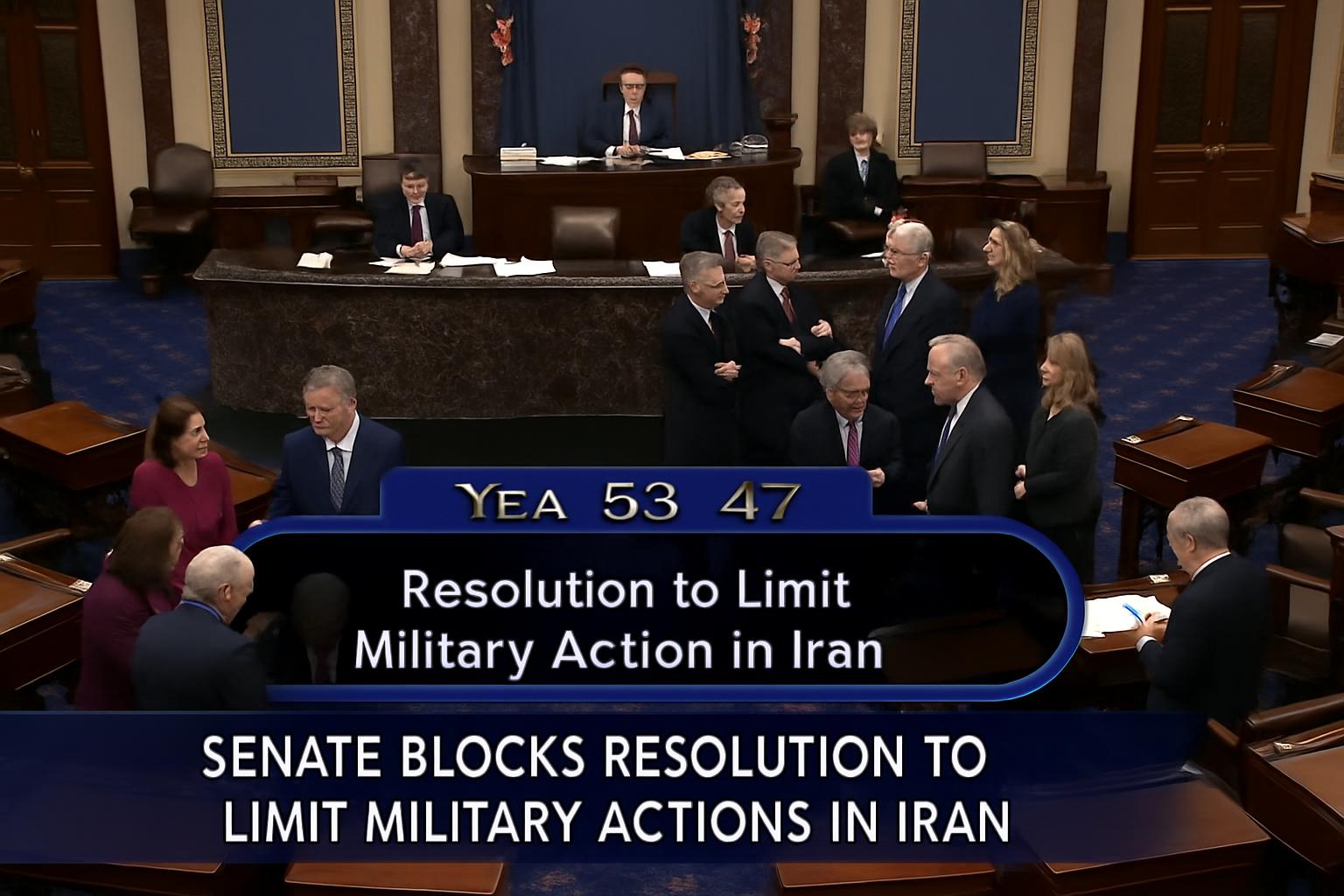
Senate Blocks Resolution to Limit Trump's Military Actions in Iran

UK-Iran Tensions: Starmer Defends Cautious Approach Amid Trump Criticism
Spain's Sánchez Stands Firm Against Trump's Trade Threat Over Iran Stance

Iran Postpones Khamenei Funeral Amid Escalating US-Israeli Strikes
France Summons US Ambassador Over Antisemitism Allegations Amid Gaza Conflict
In This Article
 Ethan Brooks| Published
 HIGHLIGHTS
- France has summoned US Ambassador Charles Kushner over claims of insufficient action against antisemitism, following his open letter to President Emmanuel Macron.
- Kushner's letter, published in the Wall Street Journal, criticized France for not adequately addressing antisemitic violence, linking it to the Gaza conflict.
- The French foreign ministry refuted Kushner's allegations, citing the Vienna Convention, which restricts ambassadors from interfering in domestic affairs.
- Macron has been a vocal critic of Israel's actions in Gaza and plans to recognize a Palestinian state, which Kushner argues fuels antisemitism.
- The ongoing Gaza conflict, sparked by Hamas's attack on October 7, 2023, has intensified tensions, with both Jewish and Muslim communities in France reporting increased hate crimes.
France has summoned the US ambassador, Charles Kushner, following his public criticism of the country's handling of antisemitism, a move that underscores the growing diplomatic tensions between France, the US, and Israel. Kushner's open letter to French President Emmanuel Macron, published in the Wall Street Journal, accused France of failing to adequately combat a surge in antisemitic incidents, which he linked to the ongoing conflict in Gaza.
Diplomatic Tensions Rise
The French foreign ministry swiftly responded to Kushner's allegations, labeling them as "unacceptable" and announcing that the ambassador would be summoned on Monday. The ministry emphasized that the 1961 Vienna Convention prohibits ambassadors from meddling in a nation's internal affairs. Kushner's comments echo those of Israeli Prime Minister Benjamin Netanyahu, who also criticized Macron for his stance on recognizing a Palestinian state, arguing that such actions exacerbate antisemitism.
Antisemitism and the Gaza Conflict
Kushner, who is Jewish and related to former US President Donald Trump, highlighted the rise in antisemitic violence in France, citing daily assaults on Jews and vandalism of synagogues and Jewish-owned businesses. He urged Macron to enforce hate-crime laws more rigorously and to moderate his criticism of Israel. The ambassador linked the spike in antisemitic incidents to the Gaza conflict, which began after a Hamas attack on October 7, 2023, and has resulted in significant casualties on both sides.
Macron's Stance on Palestine
President Macron has been a vocal critic of Israel's military actions in Gaza, particularly concerning Palestinian civilian casualties. His announcement to formally recognize a Palestinian state has been met with mixed reactions, with Kushner arguing that such gestures embolden extremists and endanger Jewish communities in France. Macron has consistently condemned antisemitism as contrary to French values and has increased security measures to protect Jewish sites.
WHAT THIS MIGHT MEAN
The diplomatic spat between France and the US over antisemitism could strain bilateral relations, especially if Kushner's criticisms are perceived as interference in French domestic affairs. Macron's decision to recognize a Palestinian state may further complicate France's relations with Israel and the US, potentially impacting future diplomatic engagements. Experts suggest that France's approach to balancing its domestic policies with international pressures will be crucial in navigating these complex geopolitical dynamics. As the Gaza conflict continues, the international community will be closely watching how these tensions influence broader Middle Eastern peace efforts.
Related Articles
US and Israel Intensify Military Campaign as Iran's Capabilities Dwindle
Intensified US-Israel Strikes on Iran Spark Global Outcry
Senate Blocks Resolution to Limit Trump's Military Actions in Iran
UK-Iran Tensions: Starmer Defends Cautious Approach Amid Trump Criticism
Spain's Sánchez Stands Firm Against Trump's Trade Threat Over Iran Stance
Iran Postpones Khamenei Funeral Amid Escalating US-Israeli Strikes