
UN Reports Improvement in Gaza Food Supplies, But Critical Hunger Levels Persist

In This Article
HIGHLIGHTS
- The UN reports improvements in Gaza's food supplies post-ceasefire, yet 100,000 people remain in "catastrophic conditions."
- The Integrated Food Security Phase Classification (IPC) no longer classifies any areas in Gaza as experiencing famine.
- Israel disputes the IPC's findings, claiming the report is distorted and does not reflect the actual situation.
- Humanitarian aid has increased since the October ceasefire, but the situation remains fragile with ongoing tensions.
- The IPC warns that renewed hostilities could plunge Gaza back into famine conditions.
The United Nations has reported significant improvements in food supplies in Gaza following a ceasefire between Israel and Hamas, though critical hunger levels persist for many residents. According to the Integrated Food Security Phase Classification (IPC), while no areas are currently classified as experiencing famine, over 100,000 people still endure "catastrophic conditions" of food insecurity.
Humanitarian Aid and Ceasefire Impact
Since the ceasefire in October, humanitarian aid deliveries into Gaza have increased, alleviating some of the severe food shortages that plagued the region. The IPC's latest analysis indicates a notable improvement compared to the dire conditions reported in August, when famine was declared in parts of Gaza. However, the situation remains precarious, with the entire Gaza Strip still classified under emergency conditions, just one step below famine.
Israel's Response and Criticism
Israel has challenged the IPC's findings, arguing that the report is based on flawed data and does not accurately reflect the humanitarian situation in Gaza. Cogat, the Israeli military body overseeing Gaza's crossings, stated that the number of aid trucks entering the region exceeds UN requirements. Israel's foreign ministry has also criticized the IPC's methodology, asserting that the report is deliberately distorted.
Ongoing Challenges and Future Risks
Despite the improvements, the humanitarian situation in Gaza remains critical. The IPC warns that if hostilities resume, the region could quickly revert to famine conditions. The destruction of infrastructure and displacement of over 730,000 people continue to exacerbate food insecurity. The UN highlights that restricted humanitarian access and the destruction of livelihoods, including the devastation of 96% of Gaza's cropland, are key drivers of the ongoing crisis.
Political Context and Future Prospects
The ceasefire, brokered by the United States, has provided a temporary reprieve, but tensions remain high. Israeli Prime Minister Benjamin Netanyahu has indicated that further steps in the peace process are close, yet unresolved issues persist. Aid workers caution that the situation is fragile, with near-daily strikes and accusations of ceasefire violations from both sides.
WHAT THIS MIGHT MEAN
The future of Gaza's humanitarian situation hinges on the stability of the current ceasefire and the continuation of aid deliveries. Should the ceasefire hold, further improvements in food security are possible, potentially reducing the number of people facing severe hunger. However, renewed hostilities could swiftly reverse these gains, plunging the region back into famine conditions. Experts emphasize the need for sustained international engagement and a comprehensive peace agreement to address the underlying causes of the crisis and ensure long-term stability in Gaza.
Related Articles

Canada Calls for De-escalation Amid US-Israel Strikes on Iran

UK Faces Dilemmas Amid Iran Conflict and China Spying Allegations

Intensified US-Israel Strikes on Iran Spark Global Outcry
Iran Postpones Khamenei Funeral Amid Escalating US-Israeli Strikes
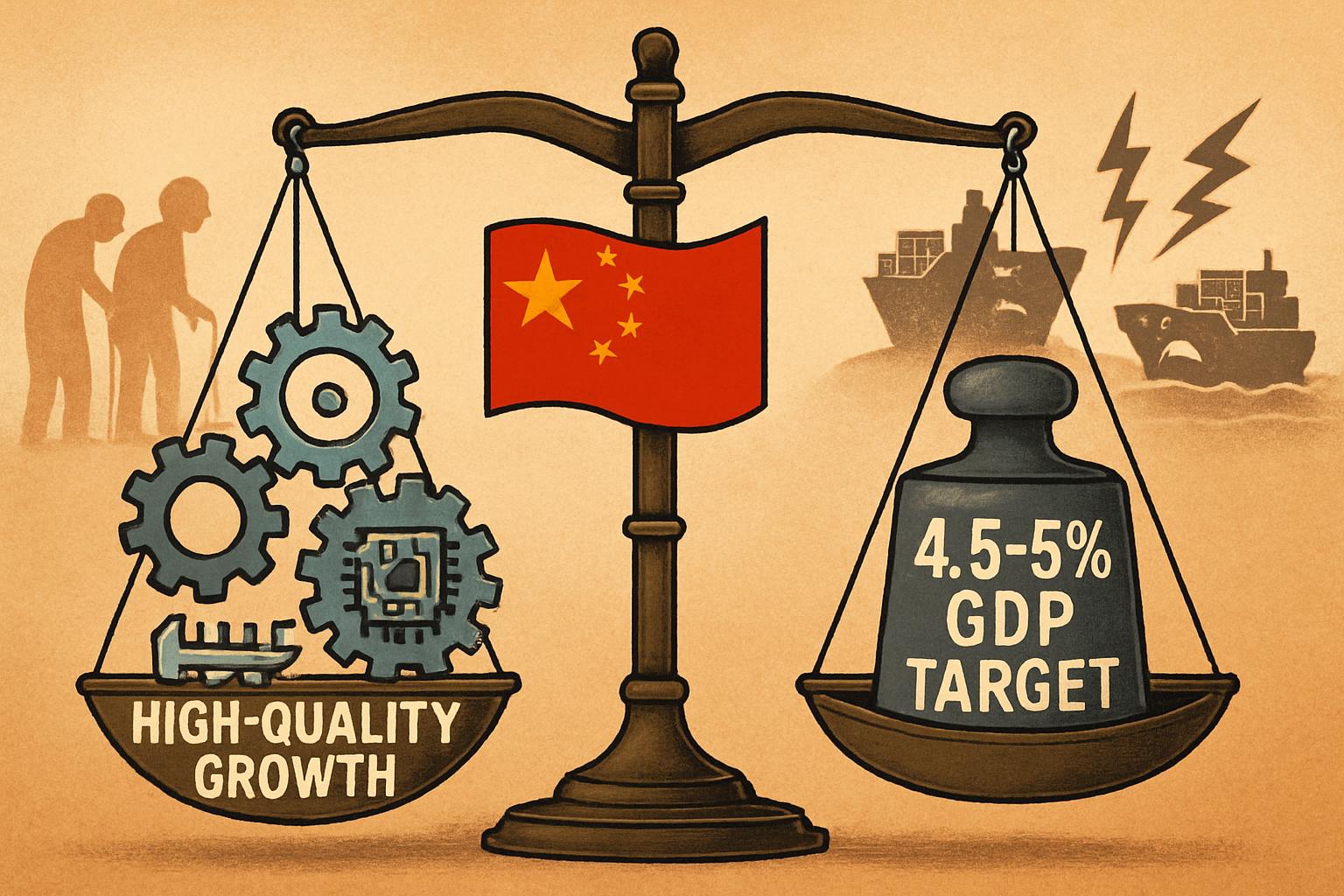
China Sets Lowest GDP Growth Target in Decades Amid Economic Challenges
Cuba Faces Widespread Blackout Amid Deepening Fuel Crisis
UN Reports Improvement in Gaza Food Supplies, But Critical Hunger Levels Persist
In This Article
 Aya Nakamura| Published
 HIGHLIGHTS
- The UN reports improvements in Gaza's food supplies post-ceasefire, yet 100,000 people remain in "catastrophic conditions."
- The Integrated Food Security Phase Classification (IPC) no longer classifies any areas in Gaza as experiencing famine.
- Israel disputes the IPC's findings, claiming the report is distorted and does not reflect the actual situation.
- Humanitarian aid has increased since the October ceasefire, but the situation remains fragile with ongoing tensions.
- The IPC warns that renewed hostilities could plunge Gaza back into famine conditions.
The United Nations has reported significant improvements in food supplies in Gaza following a ceasefire between Israel and Hamas, though critical hunger levels persist for many residents. According to the Integrated Food Security Phase Classification (IPC), while no areas are currently classified as experiencing famine, over 100,000 people still endure "catastrophic conditions" of food insecurity.
Humanitarian Aid and Ceasefire Impact
Since the ceasefire in October, humanitarian aid deliveries into Gaza have increased, alleviating some of the severe food shortages that plagued the region. The IPC's latest analysis indicates a notable improvement compared to the dire conditions reported in August, when famine was declared in parts of Gaza. However, the situation remains precarious, with the entire Gaza Strip still classified under emergency conditions, just one step below famine.
Israel's Response and Criticism
Israel has challenged the IPC's findings, arguing that the report is based on flawed data and does not accurately reflect the humanitarian situation in Gaza. Cogat, the Israeli military body overseeing Gaza's crossings, stated that the number of aid trucks entering the region exceeds UN requirements. Israel's foreign ministry has also criticized the IPC's methodology, asserting that the report is deliberately distorted.
Ongoing Challenges and Future Risks
Despite the improvements, the humanitarian situation in Gaza remains critical. The IPC warns that if hostilities resume, the region could quickly revert to famine conditions. The destruction of infrastructure and displacement of over 730,000 people continue to exacerbate food insecurity. The UN highlights that restricted humanitarian access and the destruction of livelihoods, including the devastation of 96% of Gaza's cropland, are key drivers of the ongoing crisis.
Political Context and Future Prospects
The ceasefire, brokered by the United States, has provided a temporary reprieve, but tensions remain high. Israeli Prime Minister Benjamin Netanyahu has indicated that further steps in the peace process are close, yet unresolved issues persist. Aid workers caution that the situation is fragile, with near-daily strikes and accusations of ceasefire violations from both sides.
WHAT THIS MIGHT MEAN
The future of Gaza's humanitarian situation hinges on the stability of the current ceasefire and the continuation of aid deliveries. Should the ceasefire hold, further improvements in food security are possible, potentially reducing the number of people facing severe hunger. However, renewed hostilities could swiftly reverse these gains, plunging the region back into famine conditions. Experts emphasize the need for sustained international engagement and a comprehensive peace agreement to address the underlying causes of the crisis and ensure long-term stability in Gaza.
Related Articles
Canada Calls for De-escalation Amid US-Israel Strikes on Iran
UK Faces Dilemmas Amid Iran Conflict and China Spying Allegations
Intensified US-Israel Strikes on Iran Spark Global Outcry
Iran Postpones Khamenei Funeral Amid Escalating US-Israeli Strikes
China Sets Lowest GDP Growth Target in Decades Amid Economic Challenges
Cuba Faces Widespread Blackout Amid Deepening Fuel Crisis