
Gaza Faces Severe Humanitarian Crisis Amid Limited Aid and International Pressure

In This Article
HIGHLIGHTS
- The World Health Organization reports alarming malnutrition levels in Gaza, with a third of the population facing severe food shortages.
- Israel has initiated "tactical pauses" in military operations to allow limited aid into Gaza, amid international pressure and accusations of a humanitarian crisis.
- Aid airdrops by Israel, Jordan, and the UAE have resumed, but agencies warn these measures are insufficient to address the crisis.
- Over 1,000 Palestinians have died seeking food since the blockade began, with Israel accused of breaching international law by restricting aid.
- Australian Prime Minister Anthony Albanese criticized Israel's actions, calling for adherence to international humanitarian law.
The humanitarian situation in Gaza has reached a critical point, with the World Health Organization (WHO) warning of alarming malnutrition levels affecting a significant portion of the population. As international pressure mounts, Israel has announced a series of measures aimed at easing the crisis, including "tactical pauses" in military operations to allow limited aid into the besieged territory.
Aid Airdrops and Humanitarian Corridors
In response to growing international condemnation, Israel has resumed aid airdrops, with support from Jordan and the United Arab Emirates. These efforts, however, have been criticized by aid agencies as insufficient to address the severe shortages of food and medical supplies in Gaza. The Israeli military has also established humanitarian corridors to facilitate the entry of UN aid convoys, though the scale of aid remains limited.
International Reactions and Accusations
The international community, including the United Nations and several European countries, has accused Israel of exacerbating the humanitarian crisis by blocking aid. Australian Prime Minister Anthony Albanese has openly criticized Israel, stating that blocking aid constitutes a breach of international law. "Innocent lives should not be held responsible for the actions of Hamas," Albanese remarked, emphasizing the need for adherence to humanitarian principles.
Human Impact and Local Perspectives
On the ground, the situation remains dire. Residents of Gaza, like Rasha Al-Sheikh Khalil, express cautious hope for the temporary humanitarian pause but stress the need for a lasting solution. "One convoy of aid or a few air drop packages won't be enough," Khalil said. The crisis has led to widespread malnutrition, particularly affecting vulnerable groups such as children and those with specific dietary needs.
Challenges and Criticisms
Despite Israel's claims of improving the humanitarian response, many remain skeptical. The UN and other agencies have refused to cooperate with the newly established Gaza Humanitarian Foundation, citing concerns over its militarized nature. Reports of civilians being shot while seeking aid have further fueled criticism of Israel's approach.
WHAT THIS MIGHT MEAN
The resumption of aid airdrops and the establishment of humanitarian corridors mark a step towards alleviating Gaza's humanitarian crisis, but significant challenges remain. Experts warn that without a comprehensive ceasefire and a substantial increase in aid deliveries, the situation is unlikely to improve significantly. The international community continues to pressure Israel to comply with international humanitarian law, which could lead to diplomatic repercussions if the crisis persists. As the situation unfolds, the focus will remain on ensuring that aid reaches those in need and that long-term solutions are pursued to prevent further deterioration of conditions in Gaza.
Related Articles
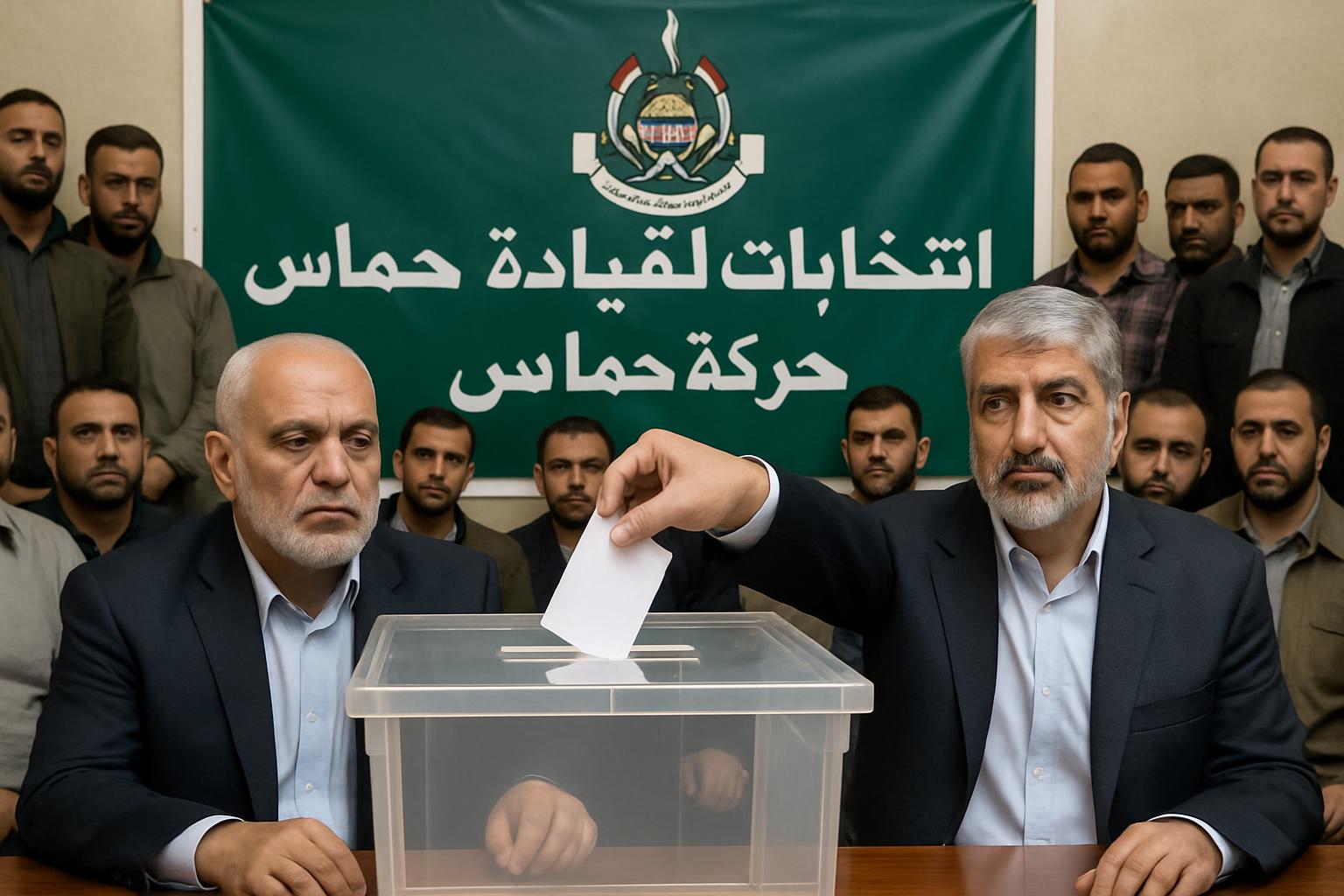
Hamas Leadership Vote Amidst Critical Crossroads for the Movement

US Ambassador's Biblical Land Remarks Spark Outcry from Arab Nations
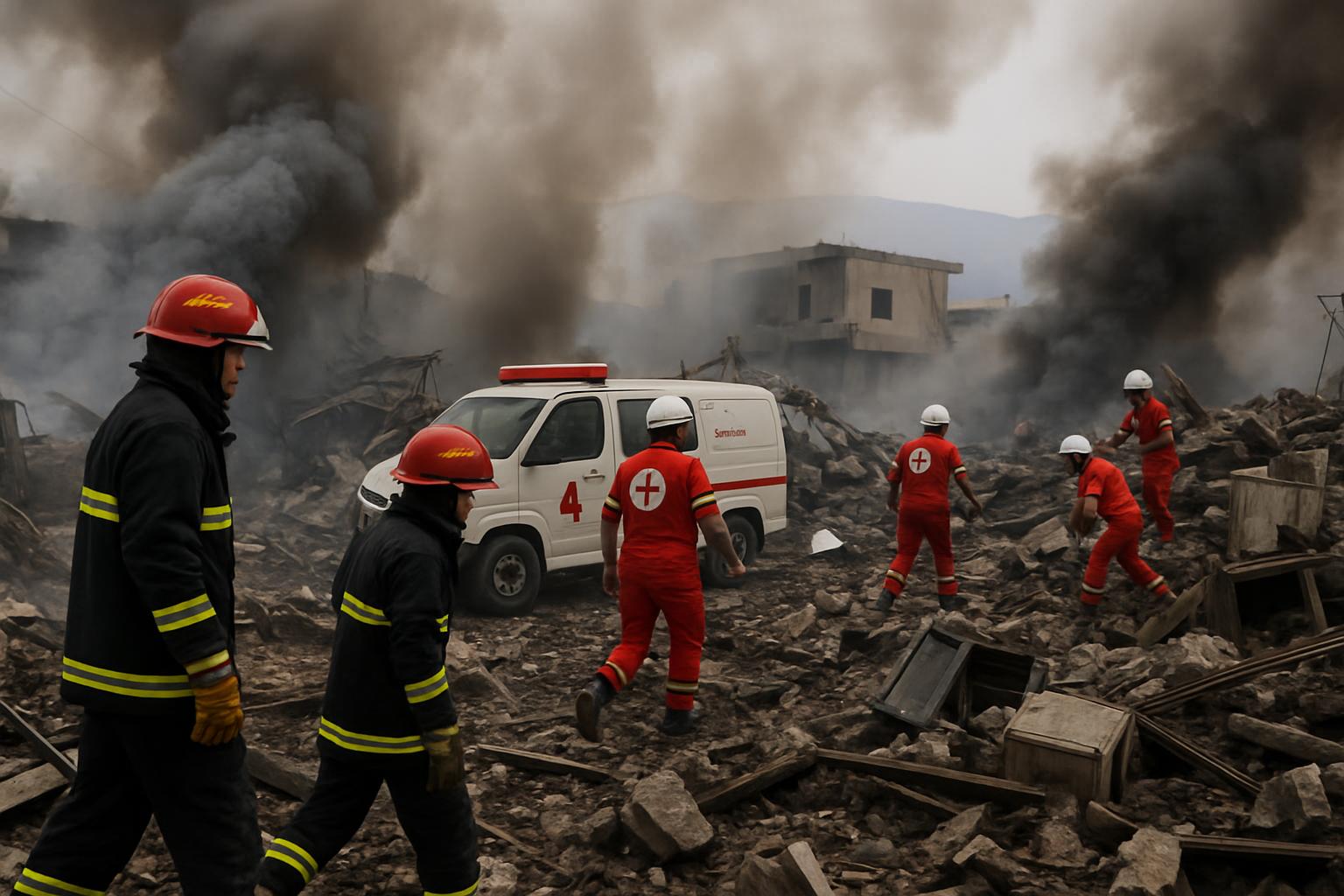
Israeli Airstrikes in Lebanon's Bekaa Valley Leave 10 Dead Amid Rising Tensions
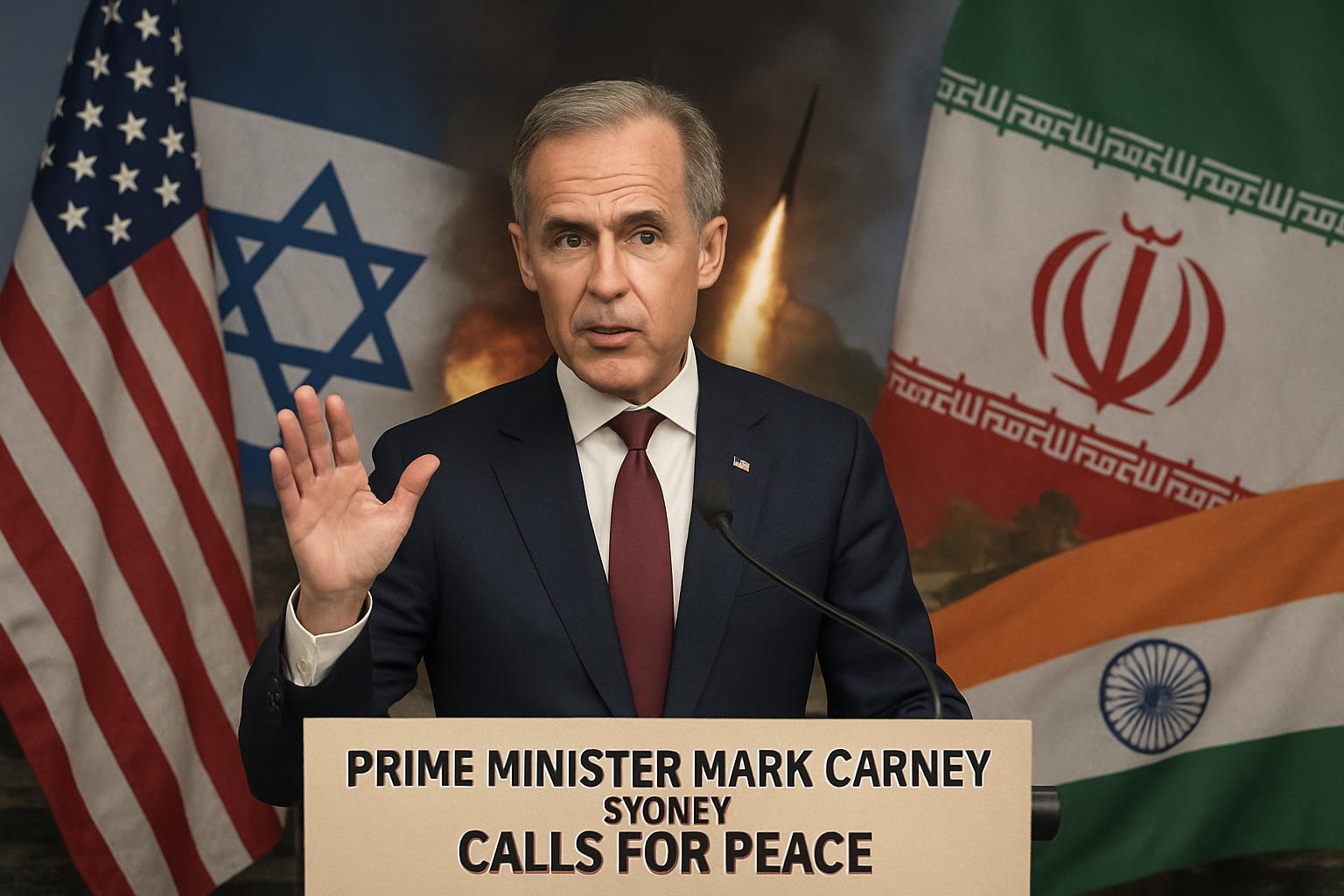
Canada Calls for De-escalation Amid US-Israel Strikes on Iran
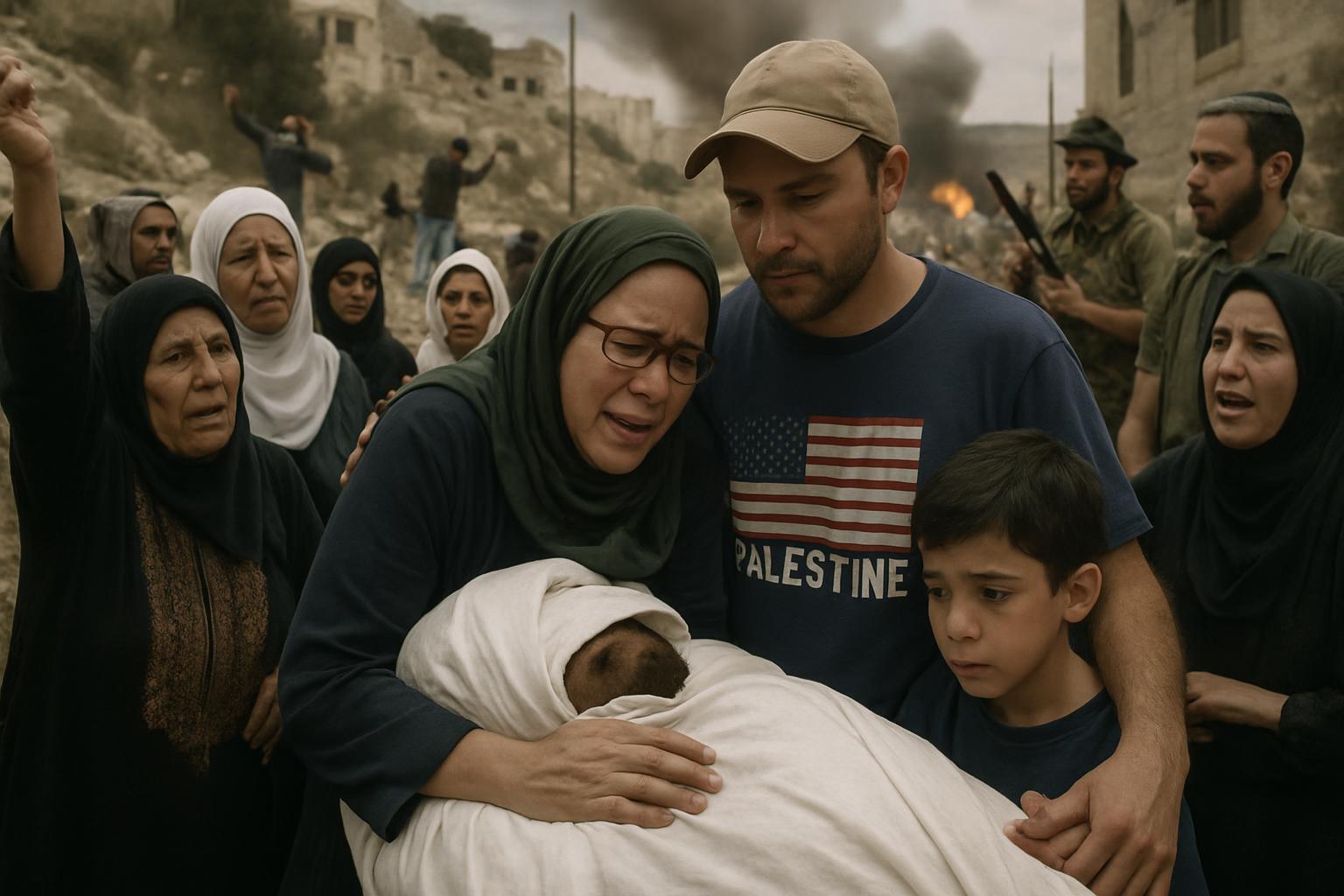
Palestinian-American Teen Killed by Israeli Settlers in West Bank Sparks Calls for Accountability
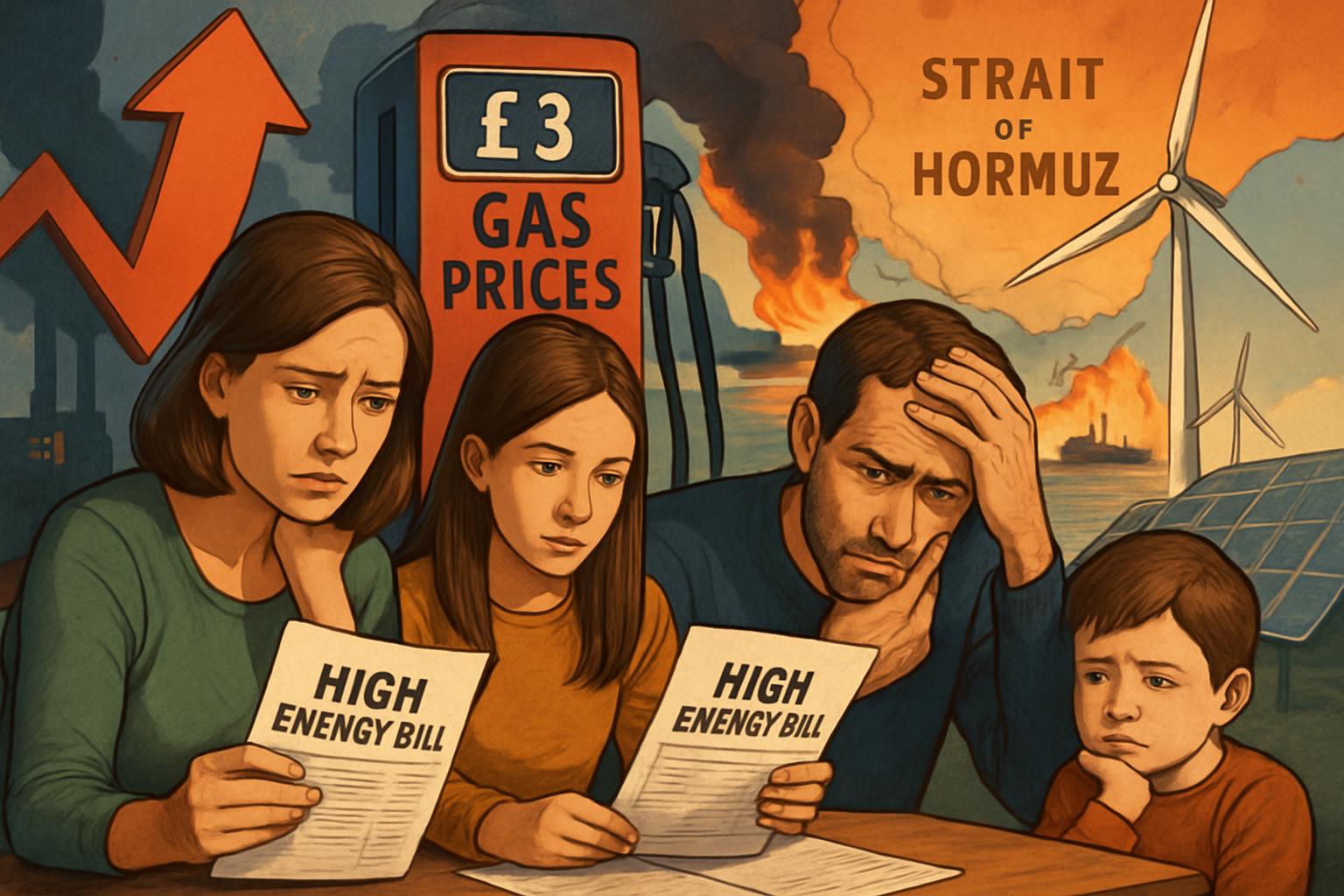
Middle East Conflict Drives UK Energy Prices to New Highs
Gaza Faces Severe Humanitarian Crisis Amid Limited Aid and International Pressure
In This Article
 James Okoro| Published
 HIGHLIGHTS
- The World Health Organization reports alarming malnutrition levels in Gaza, with a third of the population facing severe food shortages.
- Israel has initiated "tactical pauses" in military operations to allow limited aid into Gaza, amid international pressure and accusations of a humanitarian crisis.
- Aid airdrops by Israel, Jordan, and the UAE have resumed, but agencies warn these measures are insufficient to address the crisis.
- Over 1,000 Palestinians have died seeking food since the blockade began, with Israel accused of breaching international law by restricting aid.
- Australian Prime Minister Anthony Albanese criticized Israel's actions, calling for adherence to international humanitarian law.
The humanitarian situation in Gaza has reached a critical point, with the World Health Organization (WHO) warning of alarming malnutrition levels affecting a significant portion of the population. As international pressure mounts, Israel has announced a series of measures aimed at easing the crisis, including "tactical pauses" in military operations to allow limited aid into the besieged territory.
Aid Airdrops and Humanitarian Corridors
In response to growing international condemnation, Israel has resumed aid airdrops, with support from Jordan and the United Arab Emirates. These efforts, however, have been criticized by aid agencies as insufficient to address the severe shortages of food and medical supplies in Gaza. The Israeli military has also established humanitarian corridors to facilitate the entry of UN aid convoys, though the scale of aid remains limited.
International Reactions and Accusations
The international community, including the United Nations and several European countries, has accused Israel of exacerbating the humanitarian crisis by blocking aid. Australian Prime Minister Anthony Albanese has openly criticized Israel, stating that blocking aid constitutes a breach of international law. "Innocent lives should not be held responsible for the actions of Hamas," Albanese remarked, emphasizing the need for adherence to humanitarian principles.
Human Impact and Local Perspectives
On the ground, the situation remains dire. Residents of Gaza, like Rasha Al-Sheikh Khalil, express cautious hope for the temporary humanitarian pause but stress the need for a lasting solution. "One convoy of aid or a few air drop packages won't be enough," Khalil said. The crisis has led to widespread malnutrition, particularly affecting vulnerable groups such as children and those with specific dietary needs.
Challenges and Criticisms
Despite Israel's claims of improving the humanitarian response, many remain skeptical. The UN and other agencies have refused to cooperate with the newly established Gaza Humanitarian Foundation, citing concerns over its militarized nature. Reports of civilians being shot while seeking aid have further fueled criticism of Israel's approach.
WHAT THIS MIGHT MEAN
The resumption of aid airdrops and the establishment of humanitarian corridors mark a step towards alleviating Gaza's humanitarian crisis, but significant challenges remain. Experts warn that without a comprehensive ceasefire and a substantial increase in aid deliveries, the situation is unlikely to improve significantly. The international community continues to pressure Israel to comply with international humanitarian law, which could lead to diplomatic repercussions if the crisis persists. As the situation unfolds, the focus will remain on ensuring that aid reaches those in need and that long-term solutions are pursued to prevent further deterioration of conditions in Gaza.
Related Articles
Hamas Leadership Vote Amidst Critical Crossroads for the Movement
US Ambassador's Biblical Land Remarks Spark Outcry from Arab Nations
Israeli Airstrikes in Lebanon's Bekaa Valley Leave 10 Dead Amid Rising Tensions
Canada Calls for De-escalation Amid US-Israel Strikes on Iran
Palestinian-American Teen Killed by Israeli Settlers in West Bank Sparks Calls for Accountability
Middle East Conflict Drives UK Energy Prices to New Highs