
Rising Tensions in Gaza: Aid Distribution Sites Become Deadly Flashpoints
In This Article
HIGHLIGHTS
- At least 24 Palestinians were killed near an aid site in Gaza, with conflicting reports on the cause of the violence.
- The UN reports nearly 800 aid-related deaths in Gaza since late May, primarily near Gaza Humanitarian Foundation sites.
- Israel's military claims it fired warning shots, while witnesses accuse Israeli forces of targeted shootings.
- The ongoing conflict has left Gaza's population heavily reliant on aid, with severe shortages of food and medicine.
- Ceasefire negotiations between Israel and Hamas are ongoing, with aid flow being a major point of contention.
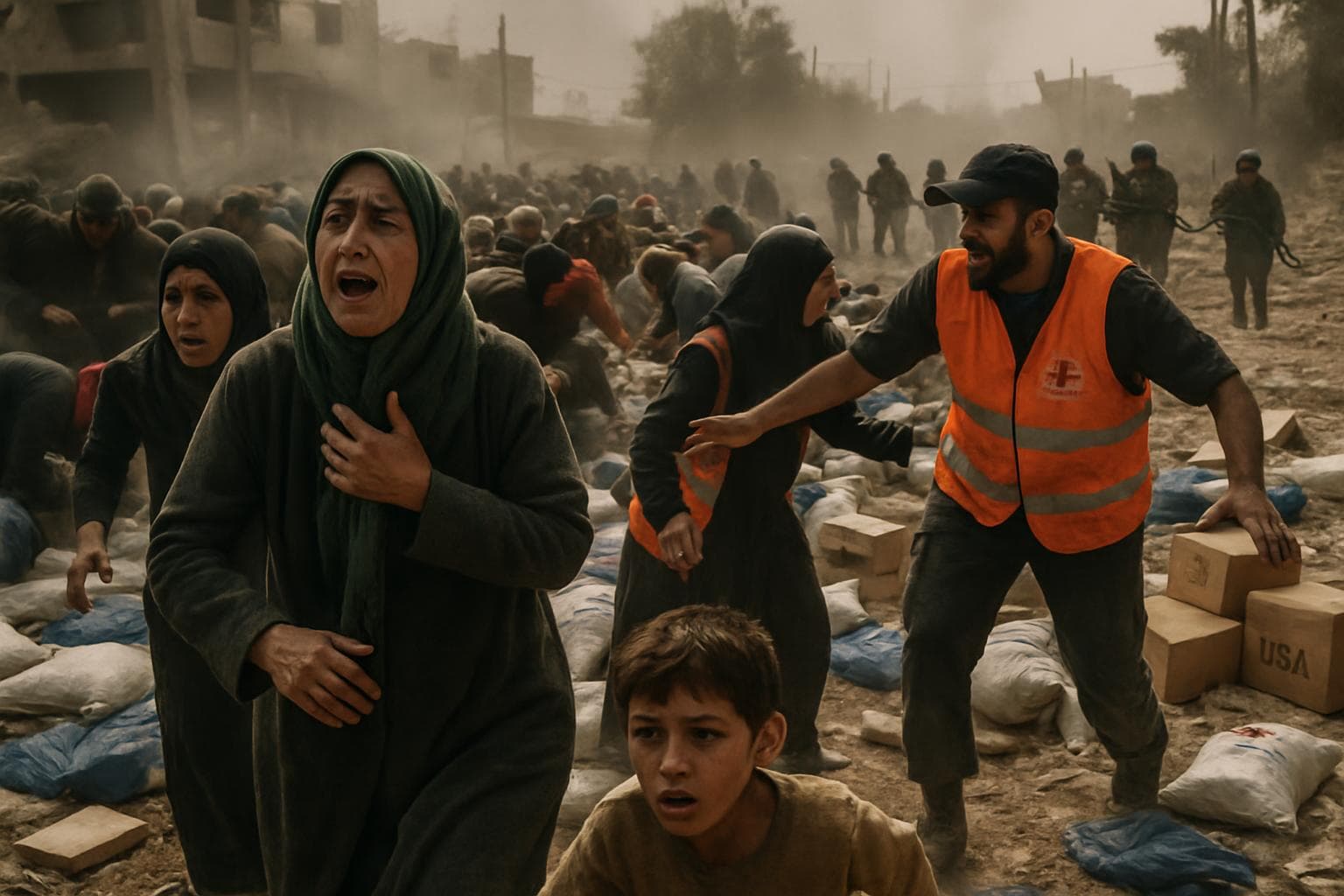
In the latest escalation of violence in Gaza, at least 24 Palestinians were reported killed near an aid distribution site on Saturday. The incident occurred at a location managed by the Gaza Humanitarian Foundation (GHF), an organization backed by the US and Israel. Witnesses at the scene accused Israeli forces of opening fire on civilians attempting to access food, while the Israel Defense Forces (IDF) stated that warning shots were fired at individuals perceived as threats. The IDF maintains that there were "no known injured individuals" from their actions.
Conflicting Accounts and Rising Casualties
The situation in Gaza remains dire, with the United Nations reporting nearly 800 aid-related deaths since the easing of a blockade in late May. Most of these fatalities have occurred near GHF-operated sites, which are located within military zones. The GHF has disputed these figures, accusing the UN of relying on misleading statistics from Gaza's Hamas-run health ministry. The Red Cross has reported a significant influx of casualties with gunshot wounds, further complicating the narrative.
Humanitarian Crisis Deepens
The humanitarian crisis in Gaza continues to worsen, with severe shortages of food, medicine, and fuel. The UN agency for Palestinian refugees, Unrwa, highlights the alarming number of malnourished children across the territory. Despite partial easing of the blockade, the situation remains critical, with aid distribution heavily reliant on international efforts. The GHF's operations have sidelined traditional UN-led aid networks, raising concerns about the effectiveness and safety of aid delivery.
Ceasefire Talks and Political Implications
Amidst the violence, indirect negotiations between Israel and Hamas are ongoing in Qatar, with the possibility of a temporary ceasefire on the table. Israeli Prime Minister Benjamin Netanyahu expressed hope for a 60-day pause in hostilities, which could pave the way for more permanent peace talks. However, the free flow of aid remains a significant sticking point, as Gaza's population of over 2 million faces a dire humanitarian crisis.
WHAT THIS MIGHT MEAN
The ongoing violence at aid distribution sites in Gaza underscores the fragile nature of the current ceasefire negotiations. Should a temporary truce be reached, it could provide much-needed relief and open avenues for more comprehensive peace talks. However, the persistent humanitarian crisis and the contentious role of the GHF in aid distribution highlight the complexities of achieving lasting peace. Experts suggest that a sustainable resolution will require addressing the root causes of the conflict, ensuring safe and equitable access to aid, and fostering dialogue between all parties involved.
Related Articles

Intensified US-Israel Strikes on Iran Spark Global Outcry
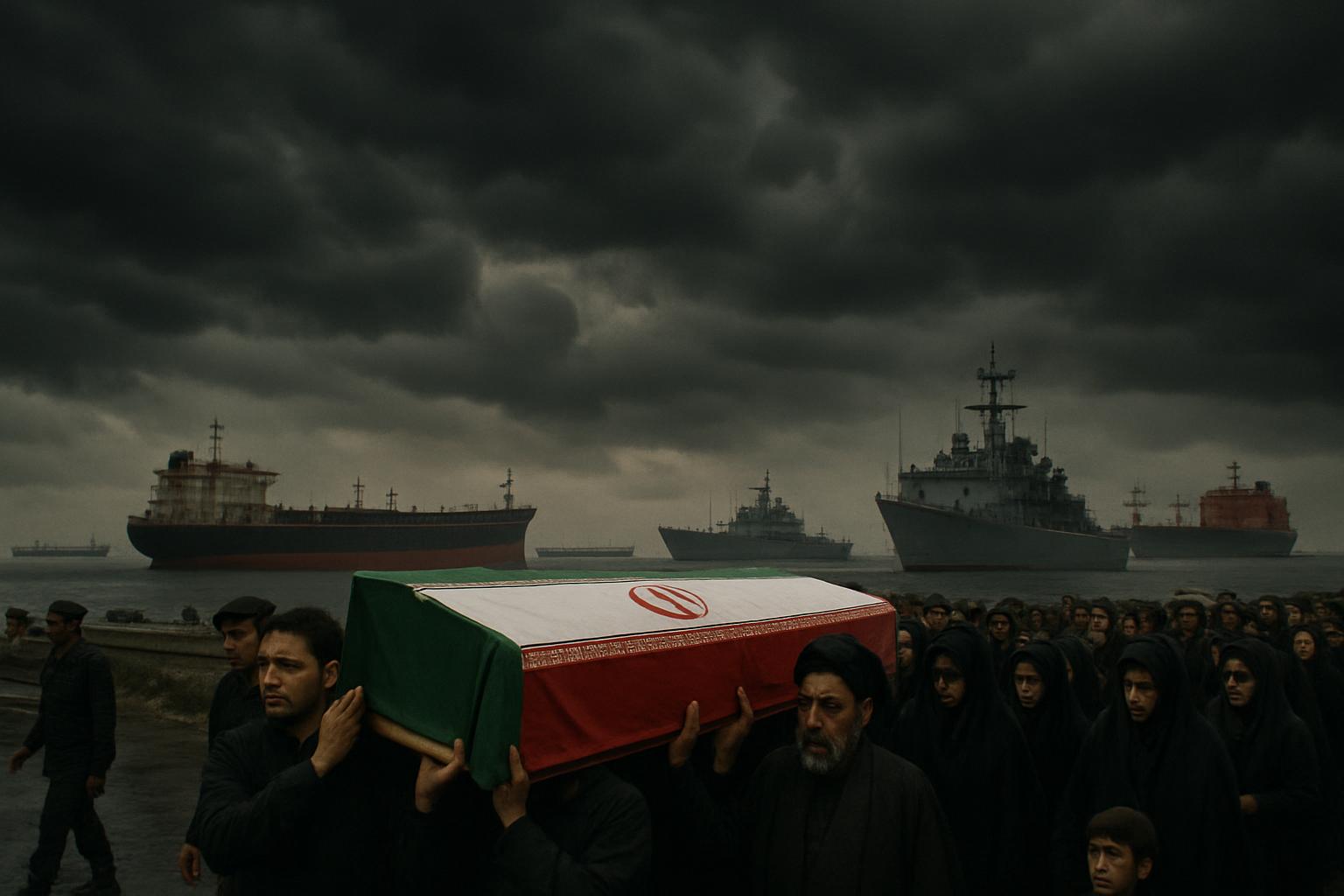
Iran Postpones Khamenei Funeral Amid Escalating US-Israeli Strikes
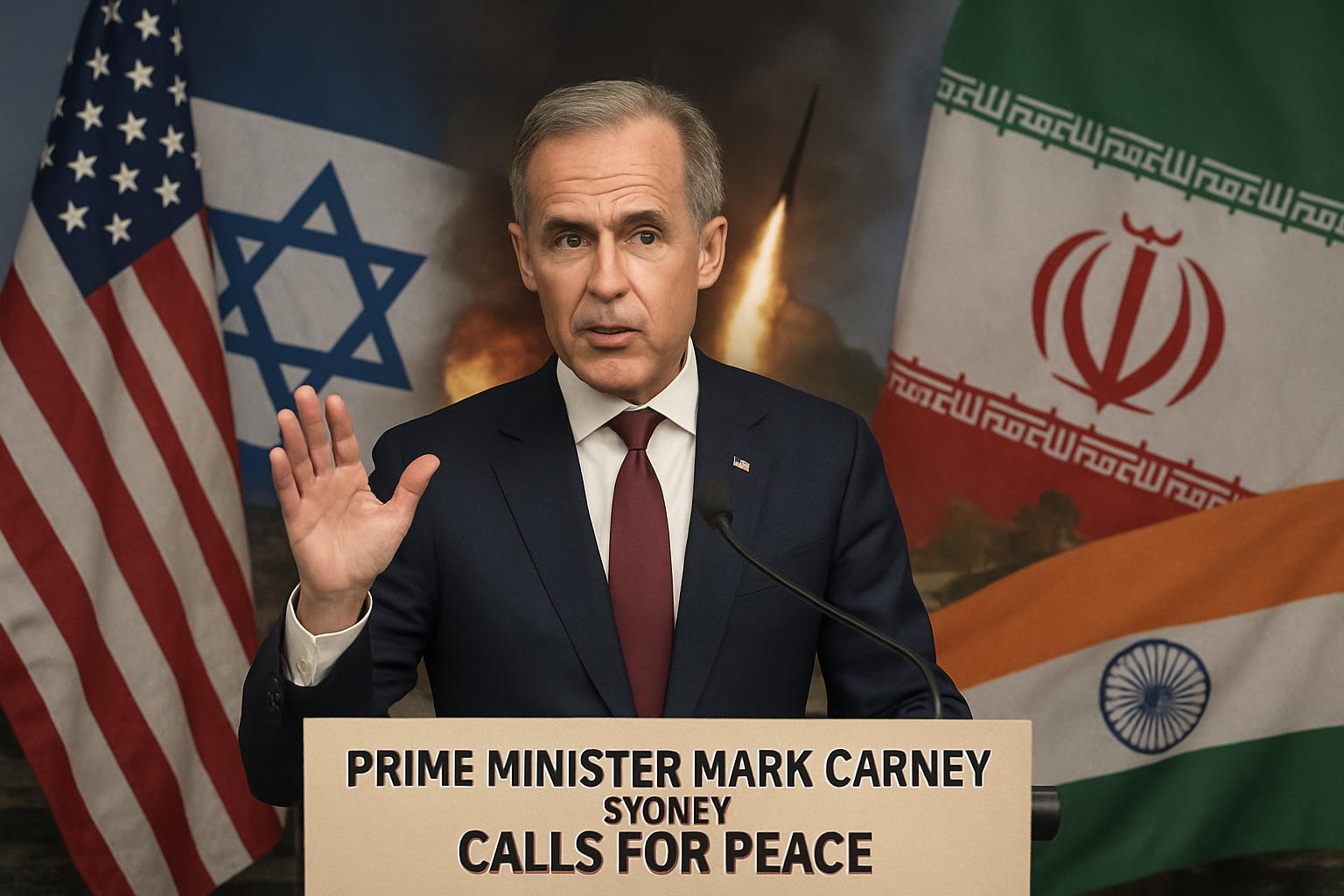
Canada Calls for De-escalation Amid US-Israel Strikes on Iran

US and Israel Intensify Military Campaign as Iran's Capabilities Dwindle
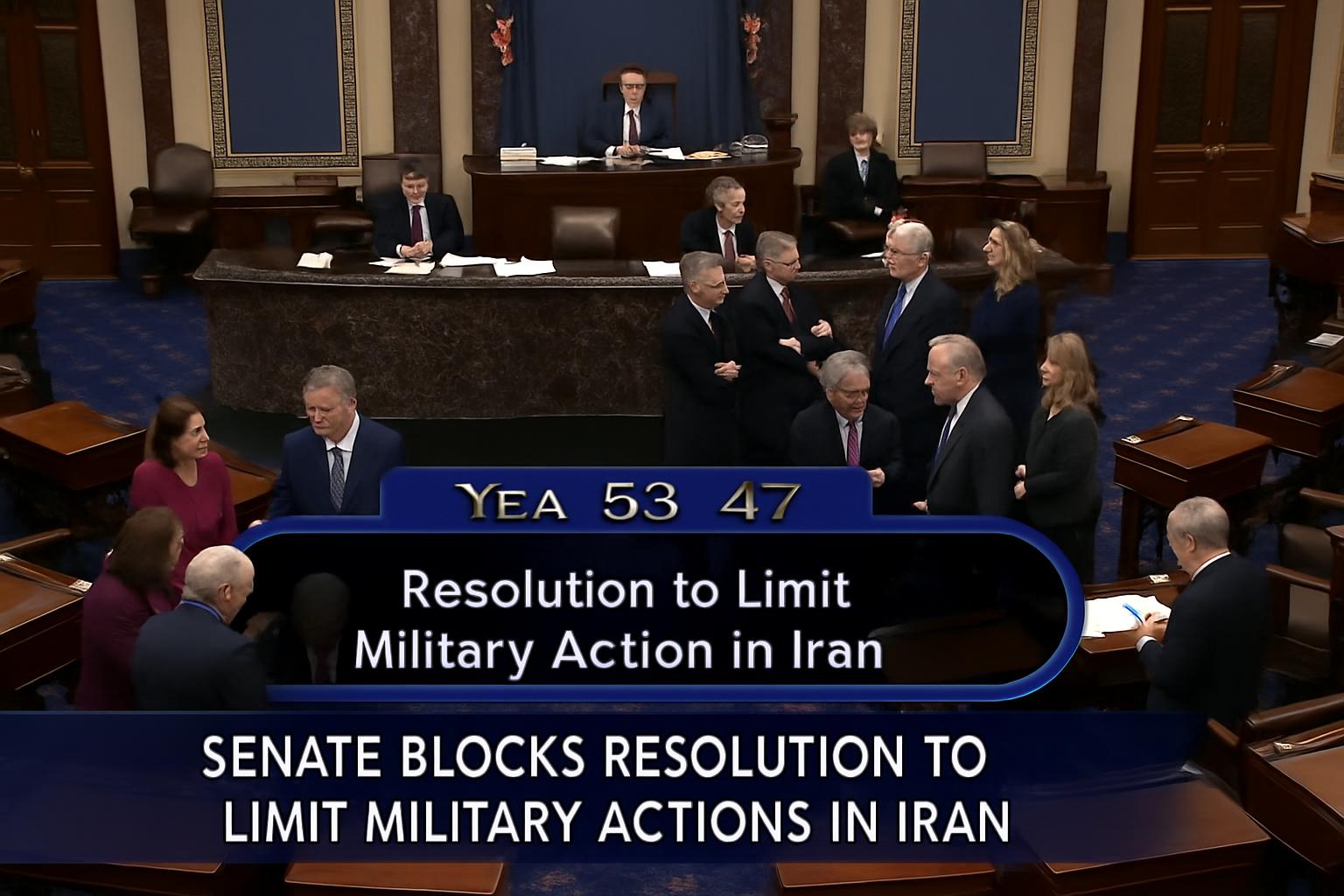
Senate Blocks Resolution to Limit Trump's Military Actions in Iran

US-Iran Tensions Escalate Amid Renewed Nuclear Talks and Protests
Rising Tensions in Gaza: Aid Distribution Sites Become Deadly Flashpoints
In This Article
 Ethan Brooks| Published
 HIGHLIGHTS
- At least 24 Palestinians were killed near an aid site in Gaza, with conflicting reports on the cause of the violence.
- The UN reports nearly 800 aid-related deaths in Gaza since late May, primarily near Gaza Humanitarian Foundation sites.
- Israel's military claims it fired warning shots, while witnesses accuse Israeli forces of targeted shootings.
- The ongoing conflict has left Gaza's population heavily reliant on aid, with severe shortages of food and medicine.
- Ceasefire negotiations between Israel and Hamas are ongoing, with aid flow being a major point of contention.
In the latest escalation of violence in Gaza, at least 24 Palestinians were reported killed near an aid distribution site on Saturday. The incident occurred at a location managed by the Gaza Humanitarian Foundation (GHF), an organization backed by the US and Israel. Witnesses at the scene accused Israeli forces of opening fire on civilians attempting to access food, while the Israel Defense Forces (IDF) stated that warning shots were fired at individuals perceived as threats. The IDF maintains that there were "no known injured individuals" from their actions.
Conflicting Accounts and Rising Casualties
The situation in Gaza remains dire, with the United Nations reporting nearly 800 aid-related deaths since the easing of a blockade in late May. Most of these fatalities have occurred near GHF-operated sites, which are located within military zones. The GHF has disputed these figures, accusing the UN of relying on misleading statistics from Gaza's Hamas-run health ministry. The Red Cross has reported a significant influx of casualties with gunshot wounds, further complicating the narrative.
Humanitarian Crisis Deepens
The humanitarian crisis in Gaza continues to worsen, with severe shortages of food, medicine, and fuel. The UN agency for Palestinian refugees, Unrwa, highlights the alarming number of malnourished children across the territory. Despite partial easing of the blockade, the situation remains critical, with aid distribution heavily reliant on international efforts. The GHF's operations have sidelined traditional UN-led aid networks, raising concerns about the effectiveness and safety of aid delivery.
Ceasefire Talks and Political Implications
Amidst the violence, indirect negotiations between Israel and Hamas are ongoing in Qatar, with the possibility of a temporary ceasefire on the table. Israeli Prime Minister Benjamin Netanyahu expressed hope for a 60-day pause in hostilities, which could pave the way for more permanent peace talks. However, the free flow of aid remains a significant sticking point, as Gaza's population of over 2 million faces a dire humanitarian crisis.
WHAT THIS MIGHT MEAN
The ongoing violence at aid distribution sites in Gaza underscores the fragile nature of the current ceasefire negotiations. Should a temporary truce be reached, it could provide much-needed relief and open avenues for more comprehensive peace talks. However, the persistent humanitarian crisis and the contentious role of the GHF in aid distribution highlight the complexities of achieving lasting peace. Experts suggest that a sustainable resolution will require addressing the root causes of the conflict, ensuring safe and equitable access to aid, and fostering dialogue between all parties involved.
Related Articles
Intensified US-Israel Strikes on Iran Spark Global Outcry
Iran Postpones Khamenei Funeral Amid Escalating US-Israeli Strikes
Canada Calls for De-escalation Amid US-Israel Strikes on Iran
US and Israel Intensify Military Campaign as Iran's Capabilities Dwindle
Senate Blocks Resolution to Limit Trump's Military Actions in Iran
US-Iran Tensions Escalate Amid Renewed Nuclear Talks and Protests