
Gaza's Healthcare and Humanitarian Crisis Deepens Amidst Blockade
In This Article
HIGHLIGHTS
- Dr. Ahmed Sabra, a Swansea-based cardiologist, is unable to contact his family in Gaza, who are struggling with severe shortages of food and medicine.
- The UN reports evidence of famine in Gaza, with at least 63 malnutrition-related deaths in July, blaming the Israeli blockade for the crisis.
- Dr. Abdalkarim Alharazin, a junior paediatrician in Gaza, describes the healthcare system as "totally destroyed," with hospitals unable to provide basic care.
- Humanitarian aid drops have been criticized as inadequate and dangerous, with reports of aid workers being injured or killed.
- Both doctors highlight the dire humanitarian situation, with Dr. Sabra's family facing starvation and Dr. Abed witnessing children dying due to lack of medical supplies.
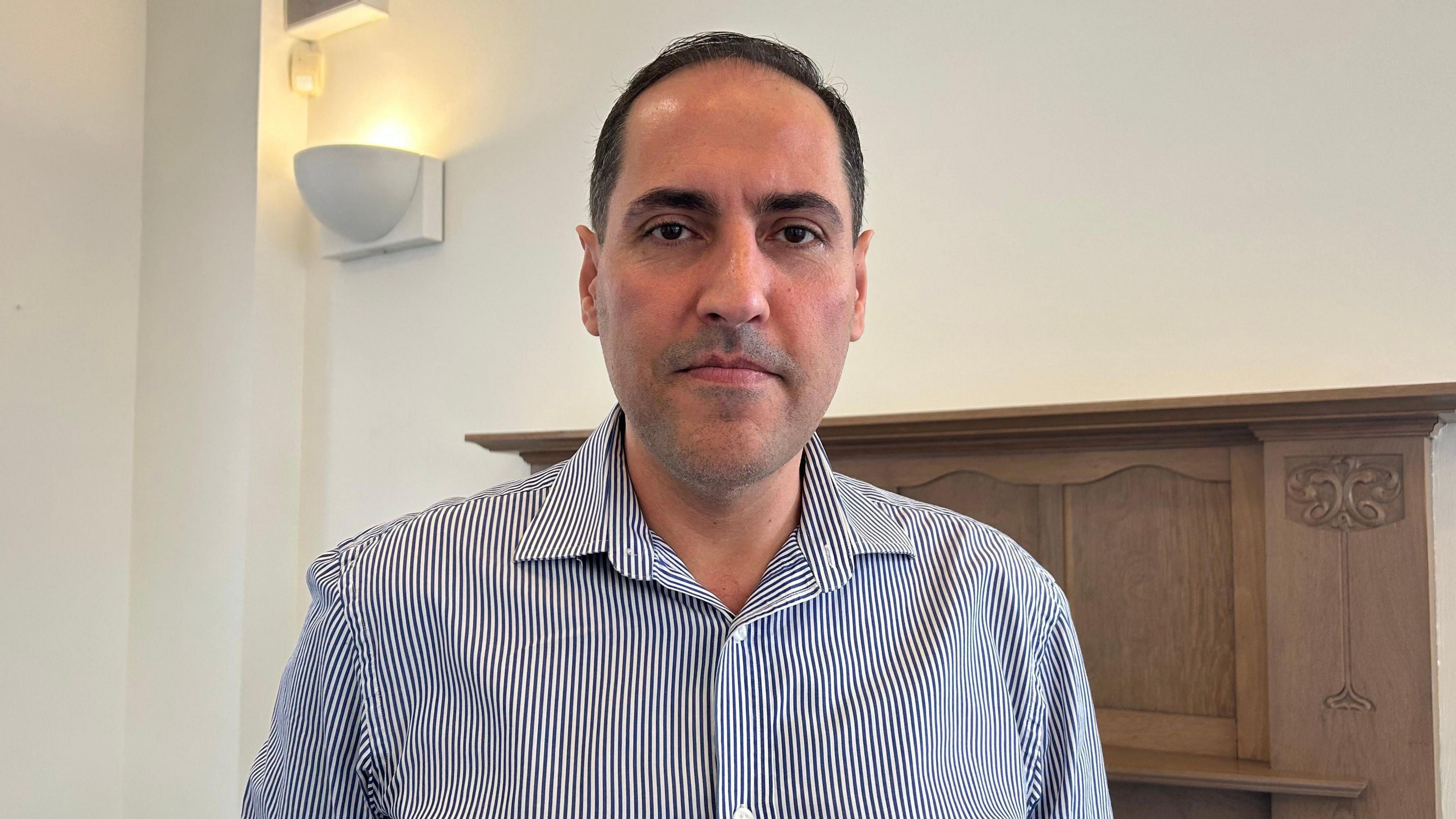
As the humanitarian crisis in Gaza worsens, local doctors are voicing their despair over the deteriorating conditions and the impact of the ongoing Israeli blockade. Dr. Ahmed Sabra, a cardiologist based in Swansea, has been unable to reach his family in Gaza for nearly two weeks. His father and sister are among those struggling to find basic necessities, including medicine for his niece, who suffers from type 1 diabetes. "It's very difficult," Dr. Sabra shared, recounting his father's significant weight loss and the scarcity of food and clean water.
The United Nations has reported mounting evidence of famine in Gaza, attributing the crisis to the Israeli blockade that restricts the entry of essential supplies. Israeli Foreign Minister Gideon Saar acknowledged the challenging situation but denied allegations of deliberate starvation, instead blaming Hamas for the current conditions. Despite these claims, the UN recorded at least 63 malnutrition-related deaths in July alone.
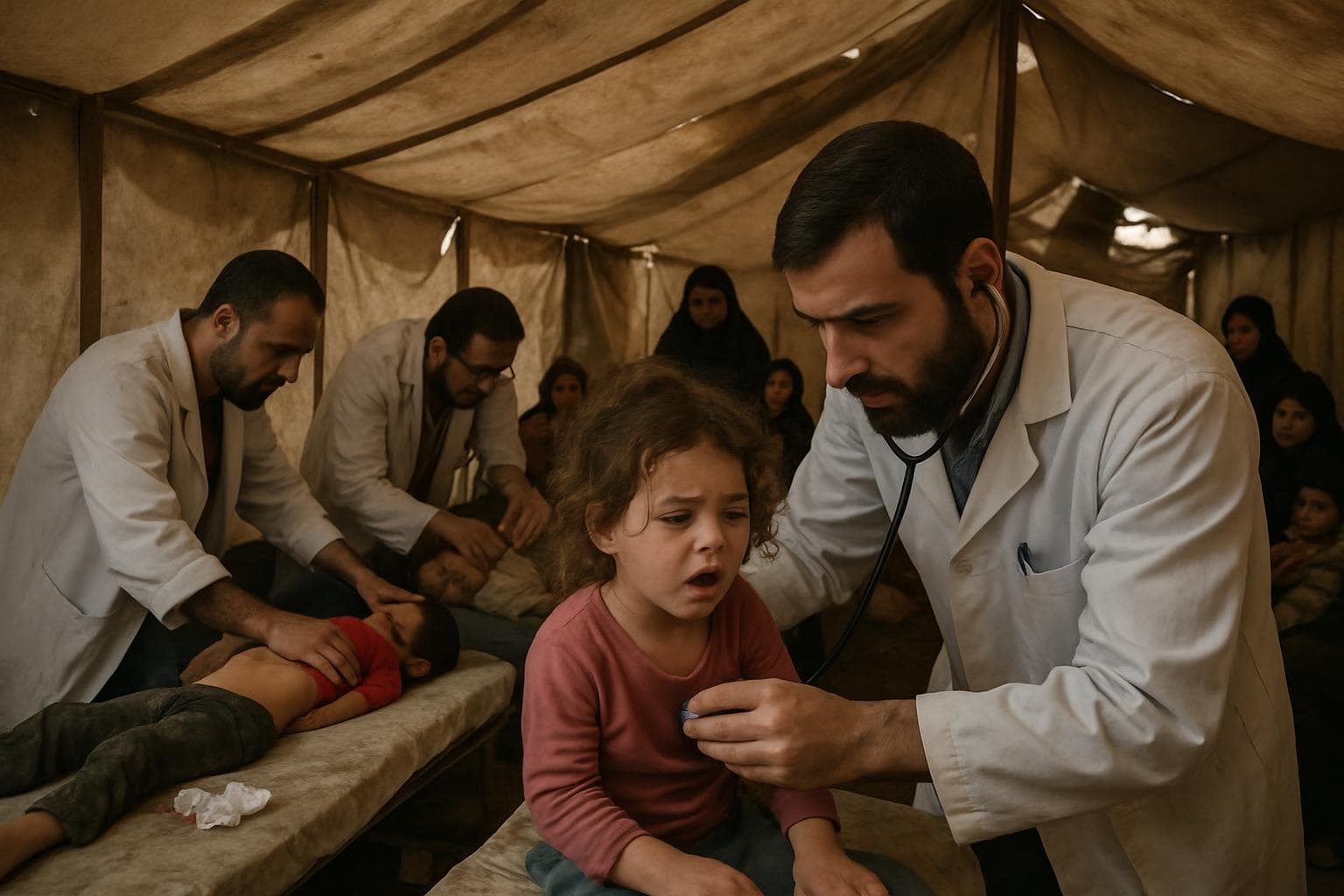
Meanwhile, in northern Gaza, junior paediatrician Dr. Abdalkarim Alharazin, known as Dr. Abed, is witnessing the collapse of the healthcare system firsthand. Operating from a makeshift tent clinic, Dr. Abed describes the environment as "totally unimaginable" for treating children. The lack of medical supplies has forced doctors to make heartbreaking decisions about which patients receive the limited resources available. "We are seeing children dying because we don’t have IV fluids for them," he lamented.
Humanitarian aid efforts have been criticized for their inadequacy, with some aid workers being injured or killed during air drops. Local media reported the death of nurse Oday al-Quraan, who was struck by a falling pallet. Despite these challenges, Dr. Abed remains committed to rebuilding Gaza's healthcare system, having been accepted to study in Australia with hopes of returning to help his community.
WHAT THIS MIGHT MEAN
The ongoing blockade and humanitarian crisis in Gaza continue to draw international attention and criticism. If the blockade persists, the situation is likely to deteriorate further, exacerbating the already dire conditions for civilians. Humanitarian organizations may increase pressure on international bodies to intervene and facilitate the delivery of essential supplies.
Politically, the crisis could influence diplomatic relations and negotiations between Israel and Palestine, with potential implications for regional stability. Experts suggest that a resolution to the blockade could alleviate some of the immediate humanitarian needs, but long-term solutions will require addressing the underlying political conflict. As doctors like Dr. Sabra and Dr. Abed continue to advocate for their communities, their stories highlight the urgent need for international cooperation and support.
Images from the Web
Related Articles
Canada Calls for De-escalation Amid US-Israel Strikes on Iran

Intensified US-Israel Strikes on Iran Spark Global Outcry
Israeli Airstrikes in Lebanon's Bekaa Valley Leave 10 Dead Amid Rising Tensions
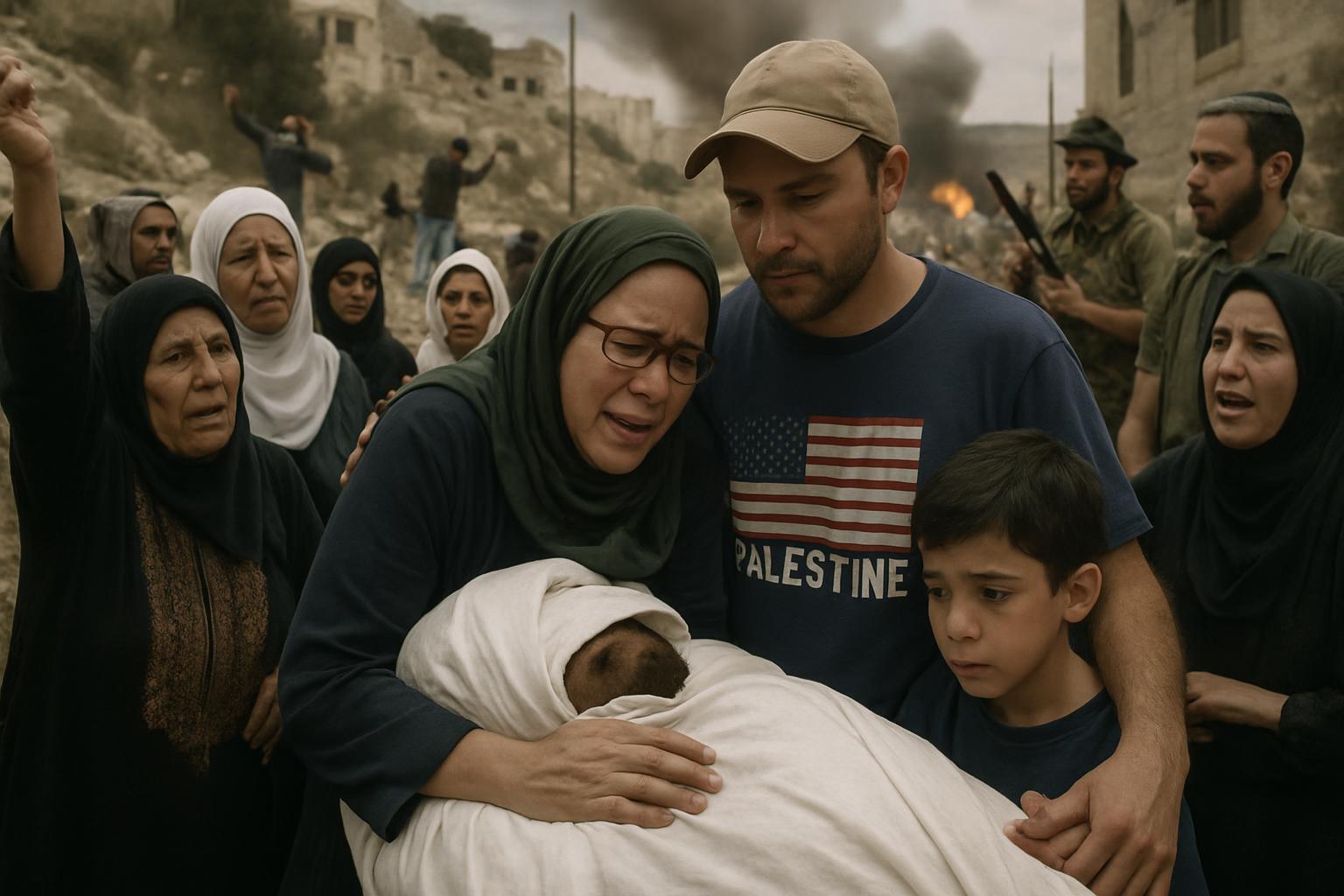
Palestinian-American Teen Killed by Israeli Settlers in West Bank Sparks Calls for Accountability
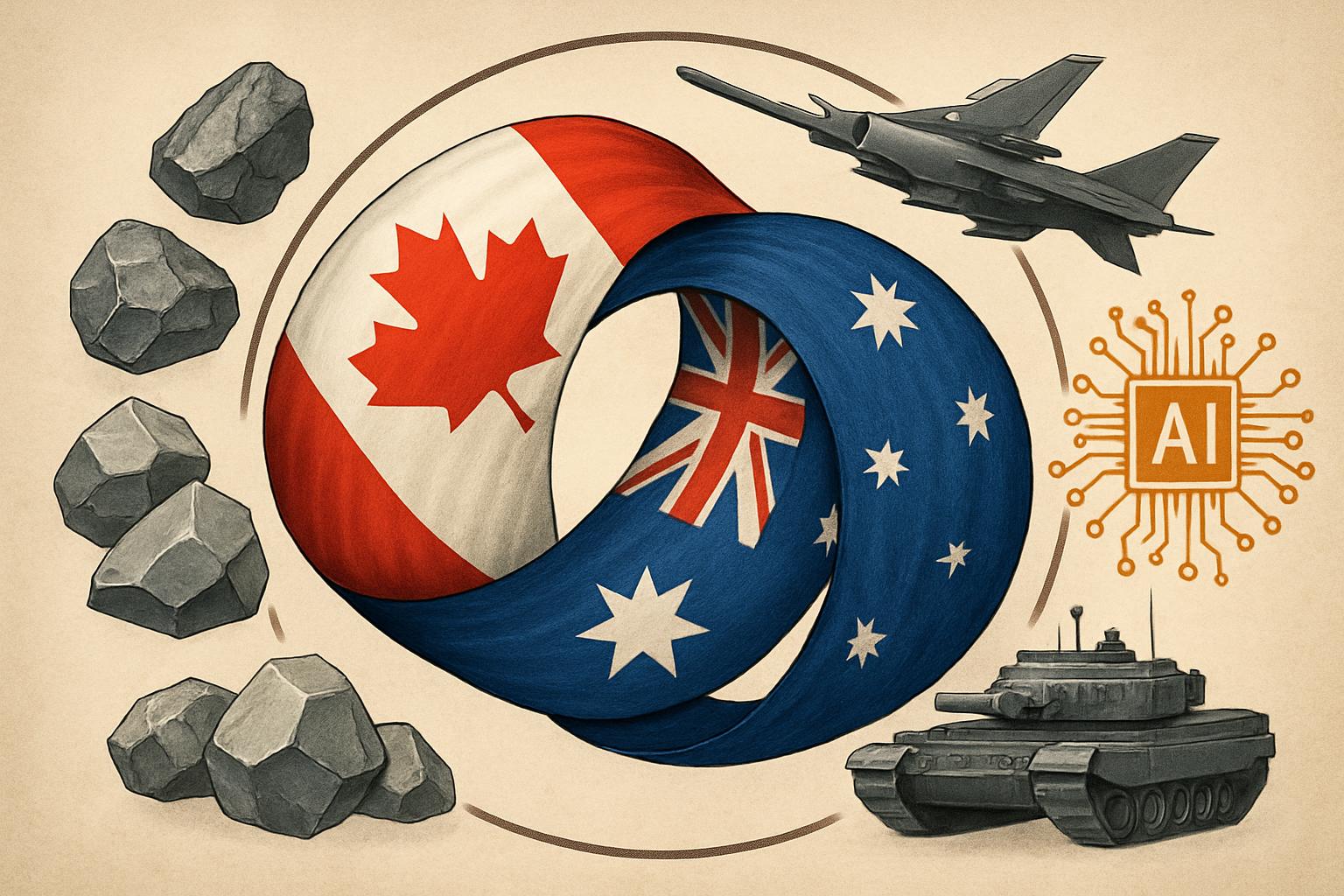
Canada and Australia Forge Strategic Partnership Amid Global Uncertainty
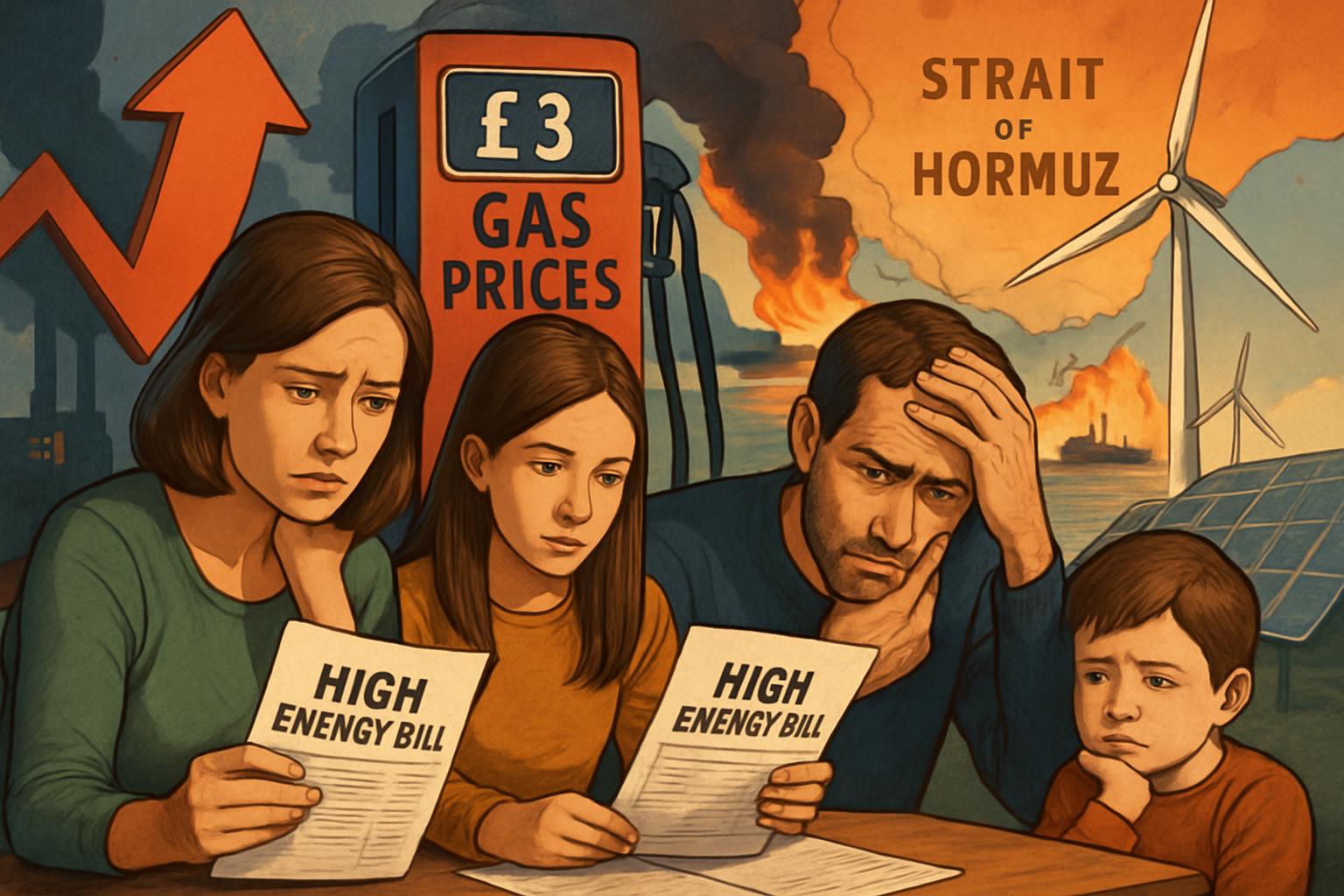
Middle East Conflict Drives UK Energy Prices to New Highs
Gaza's Healthcare and Humanitarian Crisis Deepens Amidst Blockade
In This Article
 Maya Singh| Published
 HIGHLIGHTS
- Dr. Ahmed Sabra, a Swansea-based cardiologist, is unable to contact his family in Gaza, who are struggling with severe shortages of food and medicine.
- The UN reports evidence of famine in Gaza, with at least 63 malnutrition-related deaths in July, blaming the Israeli blockade for the crisis.
- Dr. Abdalkarim Alharazin, a junior paediatrician in Gaza, describes the healthcare system as "totally destroyed," with hospitals unable to provide basic care.
- Humanitarian aid drops have been criticized as inadequate and dangerous, with reports of aid workers being injured or killed.
- Both doctors highlight the dire humanitarian situation, with Dr. Sabra's family facing starvation and Dr. Abed witnessing children dying due to lack of medical supplies.
As the humanitarian crisis in Gaza worsens, local doctors are voicing their despair over the deteriorating conditions and the impact of the ongoing Israeli blockade. Dr. Ahmed Sabra, a cardiologist based in Swansea, has been unable to reach his family in Gaza for nearly two weeks. His father and sister are among those struggling to find basic necessities, including medicine for his niece, who suffers from type 1 diabetes. "It's very difficult," Dr. Sabra shared, recounting his father's significant weight loss and the scarcity of food and clean water.
The United Nations has reported mounting evidence of famine in Gaza, attributing the crisis to the Israeli blockade that restricts the entry of essential supplies. Israeli Foreign Minister Gideon Saar acknowledged the challenging situation but denied allegations of deliberate starvation, instead blaming Hamas for the current conditions. Despite these claims, the UN recorded at least 63 malnutrition-related deaths in July alone.
Meanwhile, in northern Gaza, junior paediatrician Dr. Abdalkarim Alharazin, known as Dr. Abed, is witnessing the collapse of the healthcare system firsthand. Operating from a makeshift tent clinic, Dr. Abed describes the environment as "totally unimaginable" for treating children. The lack of medical supplies has forced doctors to make heartbreaking decisions about which patients receive the limited resources available. "We are seeing children dying because we don’t have IV fluids for them," he lamented.
Humanitarian aid efforts have been criticized for their inadequacy, with some aid workers being injured or killed during air drops. Local media reported the death of nurse Oday al-Quraan, who was struck by a falling pallet. Despite these challenges, Dr. Abed remains committed to rebuilding Gaza's healthcare system, having been accepted to study in Australia with hopes of returning to help his community.
WHAT THIS MIGHT MEAN
The ongoing blockade and humanitarian crisis in Gaza continue to draw international attention and criticism. If the blockade persists, the situation is likely to deteriorate further, exacerbating the already dire conditions for civilians. Humanitarian organizations may increase pressure on international bodies to intervene and facilitate the delivery of essential supplies.
Politically, the crisis could influence diplomatic relations and negotiations between Israel and Palestine, with potential implications for regional stability. Experts suggest that a resolution to the blockade could alleviate some of the immediate humanitarian needs, but long-term solutions will require addressing the underlying political conflict. As doctors like Dr. Sabra and Dr. Abed continue to advocate for their communities, their stories highlight the urgent need for international cooperation and support.
Images from the Web
Related Articles
Canada Calls for De-escalation Amid US-Israel Strikes on Iran
Intensified US-Israel Strikes on Iran Spark Global Outcry
Israeli Airstrikes in Lebanon's Bekaa Valley Leave 10 Dead Amid Rising Tensions
Palestinian-American Teen Killed by Israeli Settlers in West Bank Sparks Calls for Accountability
Canada and Australia Forge Strategic Partnership Amid Global Uncertainty
Middle East Conflict Drives UK Energy Prices to New Highs