
Genocide Allegations in Gaza: Scholars Accuse Israel Amid Ongoing Conflict

In This Article
HIGHLIGHTS
- The International Association of Genocide Scholars (IAGS) has declared that Israel's actions in Gaza meet the UN's legal definition of genocide.
- A resolution passed by IAGS highlights systematic attacks on civilians and infrastructure, with 86% of voting members supporting the declaration.
- Israel's Foreign Ministry has dismissed the resolution, claiming it is based on misinformation and asserting that Israel is the victim of genocide.
- The International Court of Justice is considering a case against Israel, with a decision expected by January 2026.
- The UN and Western nations await a court ruling to officially recognize any genocide claims.
The International Association of Genocide Scholars (IAGS) has issued a resolution accusing Israel of committing genocide in Gaza, a move that has sparked significant international debate. The resolution, supported by 86% of voting members, claims that Israel's actions align with the legal definition of genocide as outlined in the 1948 UN Genocide Convention. This convention, established in the aftermath of the Holocaust, defines genocide as acts intended to destroy, in whole or in part, a national, ethnical, racial, or religious group.
Scholars' Resolution and Allegations
The IAGS, a prominent body comprising genocide experts, has detailed a series of actions by Israel that it argues constitute genocide, war crimes, and crimes against humanity. These include deliberate attacks on civilians, deprivation of essential resources, and forced displacement. The resolution also notes the impact on Gaza's children, with reports of 50,000 killed or injured, as highlighted by UNICEF. Melanie O’Brien, IAGS president, emphasized that the resolution represents a definitive stance from experts in genocide studies.
Israel's Response and International Reactions
Israel has strongly refuted the allegations, with its Foreign Ministry dismissing the resolution as based on "Hamas lies" and poor research. The ministry contends that Israel is the true victim of genocide, citing the October 7, 2023, Hamas attack that resulted in significant casualties. Israel maintains that its military actions are justified as self-defense measures against Hamas.
The International Court of Justice (ICJ) is currently reviewing a case brought by South Africa, accusing Israel of genocide. The ICJ has extended Israel's deadline to present its defense until January 2026. Meanwhile, the UN and several Western nations have stated they will only recognize a court ruling as authoritative in determining genocide.
WHAT THIS MIGHT MEAN
The ongoing legal proceedings at the International Court of Justice could significantly impact international relations and the geopolitical landscape in the Middle East. If the ICJ rules against Israel, it may lead to increased diplomatic pressure and potential sanctions. Conversely, a ruling in favor of Israel could bolster its position on the global stage.
Experts suggest that the resolution by the IAGS, while not legally binding, could influence public opinion and policy discussions worldwide. The allegations of genocide and war crimes may also affect Israel's relationships with key allies, particularly if further evidence emerges supporting the claims.
As the situation unfolds, the international community will closely monitor developments, with potential implications for humanitarian aid, peace negotiations, and regional stability in the Gaza Strip.
Related Articles
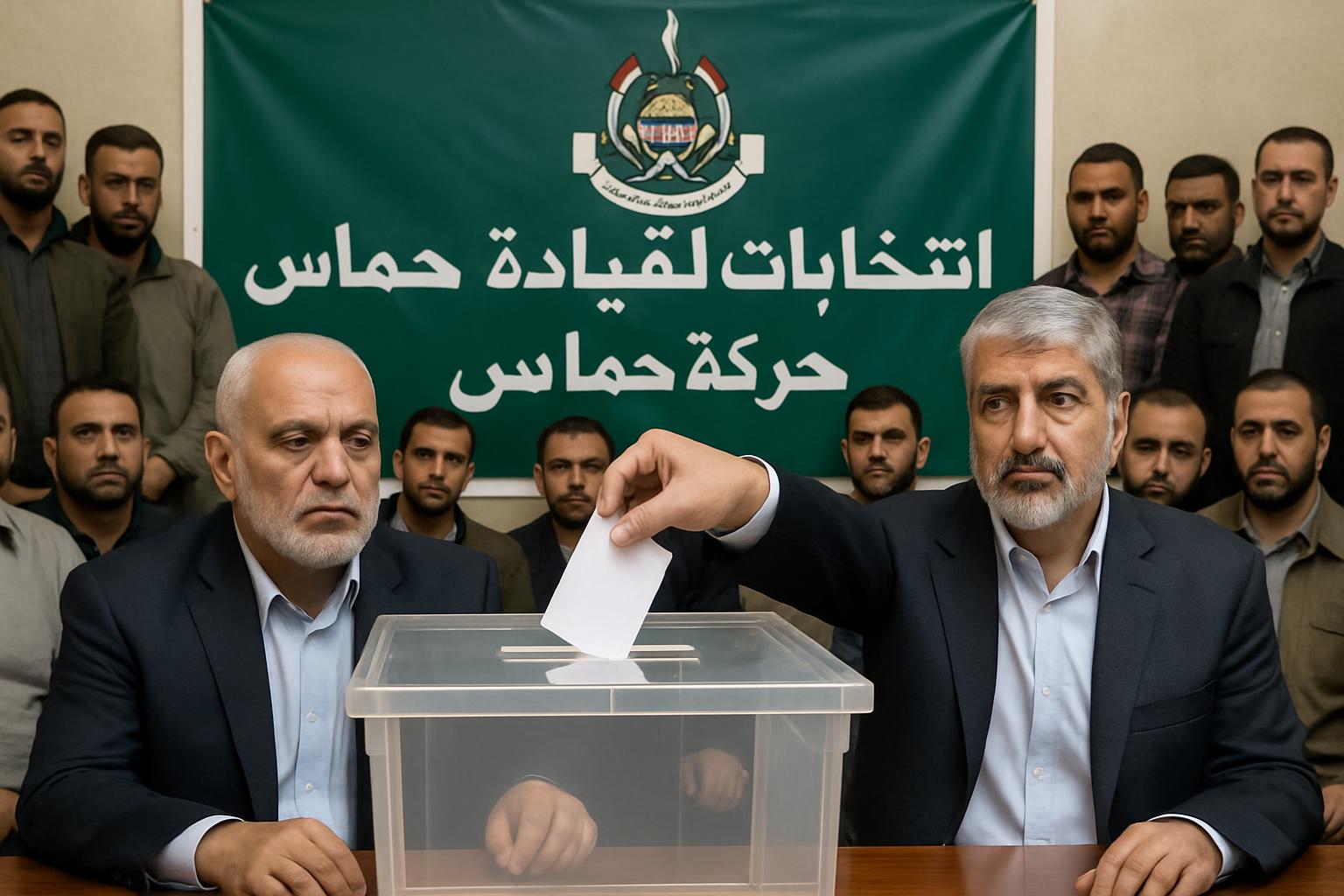
Hamas Leadership Vote Amidst Critical Crossroads for the Movement
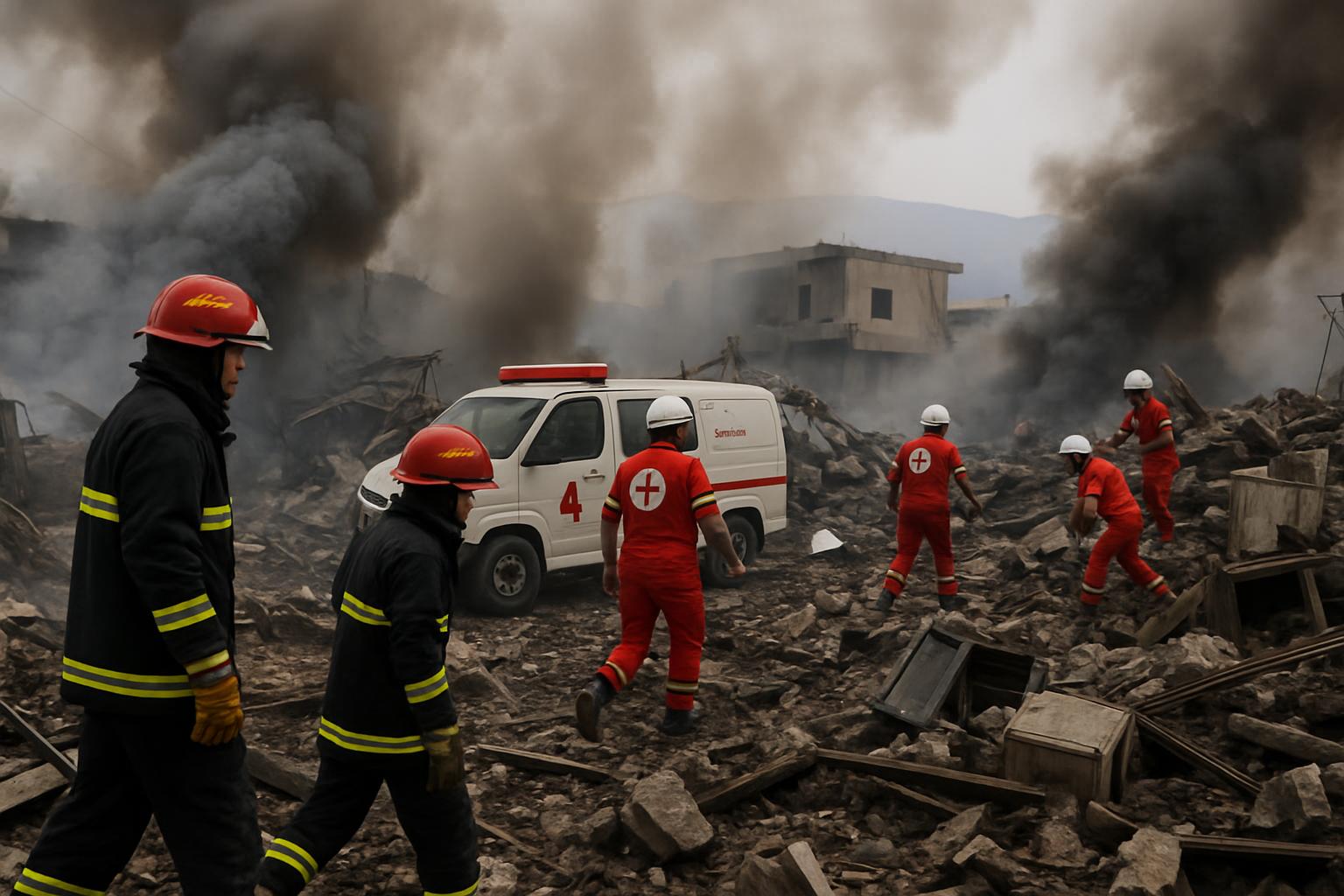
Israeli Airstrikes in Lebanon's Bekaa Valley Leave 10 Dead Amid Rising Tensions

US Ambassador's Biblical Land Remarks Spark Outcry from Arab Nations
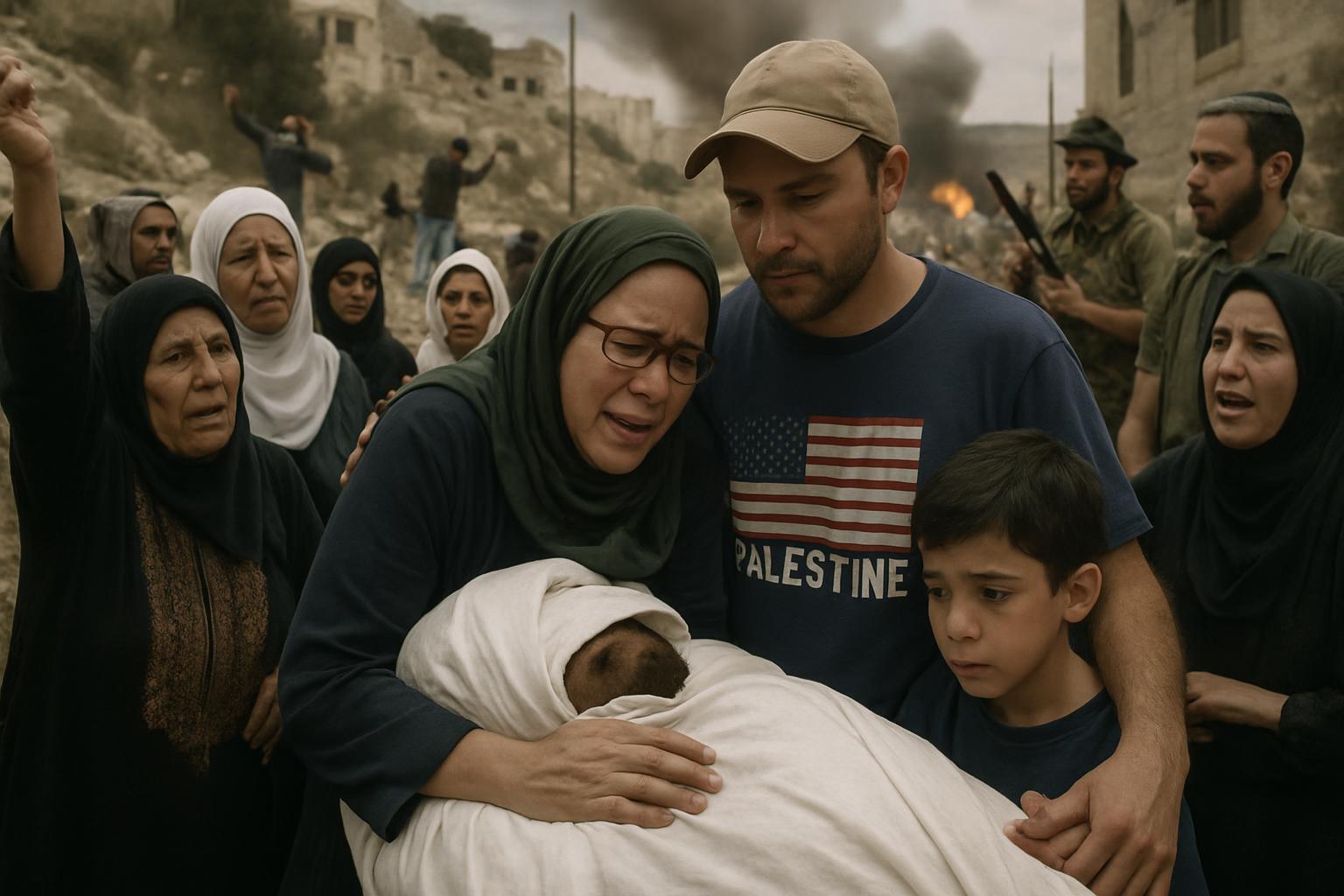
Palestinian-American Teen Killed by Israeli Settlers in West Bank Sparks Calls for Accountability

Middle East Conflict Drives UK Energy Prices to New Highs

US and Israel Intensify Military Campaign as Iran's Capabilities Dwindle
Genocide Allegations in Gaza: Scholars Accuse Israel Amid Ongoing Conflict
In This Article
 James Okoro| Published
 HIGHLIGHTS
- The International Association of Genocide Scholars (IAGS) has declared that Israel's actions in Gaza meet the UN's legal definition of genocide.
- A resolution passed by IAGS highlights systematic attacks on civilians and infrastructure, with 86% of voting members supporting the declaration.
- Israel's Foreign Ministry has dismissed the resolution, claiming it is based on misinformation and asserting that Israel is the victim of genocide.
- The International Court of Justice is considering a case against Israel, with a decision expected by January 2026.
- The UN and Western nations await a court ruling to officially recognize any genocide claims.
The International Association of Genocide Scholars (IAGS) has issued a resolution accusing Israel of committing genocide in Gaza, a move that has sparked significant international debate. The resolution, supported by 86% of voting members, claims that Israel's actions align with the legal definition of genocide as outlined in the 1948 UN Genocide Convention. This convention, established in the aftermath of the Holocaust, defines genocide as acts intended to destroy, in whole or in part, a national, ethnical, racial, or religious group.
Scholars' Resolution and Allegations
The IAGS, a prominent body comprising genocide experts, has detailed a series of actions by Israel that it argues constitute genocide, war crimes, and crimes against humanity. These include deliberate attacks on civilians, deprivation of essential resources, and forced displacement. The resolution also notes the impact on Gaza's children, with reports of 50,000 killed or injured, as highlighted by UNICEF. Melanie O’Brien, IAGS president, emphasized that the resolution represents a definitive stance from experts in genocide studies.
Israel's Response and International Reactions
Israel has strongly refuted the allegations, with its Foreign Ministry dismissing the resolution as based on "Hamas lies" and poor research. The ministry contends that Israel is the true victim of genocide, citing the October 7, 2023, Hamas attack that resulted in significant casualties. Israel maintains that its military actions are justified as self-defense measures against Hamas.
The International Court of Justice (ICJ) is currently reviewing a case brought by South Africa, accusing Israel of genocide. The ICJ has extended Israel's deadline to present its defense until January 2026. Meanwhile, the UN and several Western nations have stated they will only recognize a court ruling as authoritative in determining genocide.
WHAT THIS MIGHT MEAN
The ongoing legal proceedings at the International Court of Justice could significantly impact international relations and the geopolitical landscape in the Middle East. If the ICJ rules against Israel, it may lead to increased diplomatic pressure and potential sanctions. Conversely, a ruling in favor of Israel could bolster its position on the global stage.
Experts suggest that the resolution by the IAGS, while not legally binding, could influence public opinion and policy discussions worldwide. The allegations of genocide and war crimes may also affect Israel's relationships with key allies, particularly if further evidence emerges supporting the claims.
As the situation unfolds, the international community will closely monitor developments, with potential implications for humanitarian aid, peace negotiations, and regional stability in the Gaza Strip.
Related Articles
Hamas Leadership Vote Amidst Critical Crossroads for the Movement
Israeli Airstrikes in Lebanon's Bekaa Valley Leave 10 Dead Amid Rising Tensions
US Ambassador's Biblical Land Remarks Spark Outcry from Arab Nations
Palestinian-American Teen Killed by Israeli Settlers in West Bank Sparks Calls for Accountability
Middle East Conflict Drives UK Energy Prices to New Highs
US and Israel Intensify Military Campaign as Iran's Capabilities Dwindle