
Genocide Allegations Against Israel in Gaza: Scholars' Resolution Sparks Controversy
In This Article
HIGHLIGHTS
- The International Association of Genocide Scholars (IAGS) has passed a resolution stating that Israel's actions in Gaza meet the legal definition of genocide.
- Out of 500 IAGS members, 28% participated in the vote, with 86% supporting the resolution.
- The resolution highlights Israel's alleged war crimes, including attacks on civilians and infrastructure, and calls for an immediate cessation of such acts.
- Israel denies the allegations, citing self-defense against Hamas, and criticizes the resolution as based on misinformation.
- The International Court of Justice is considering a case against Israel, with a decision expected by January 2026.
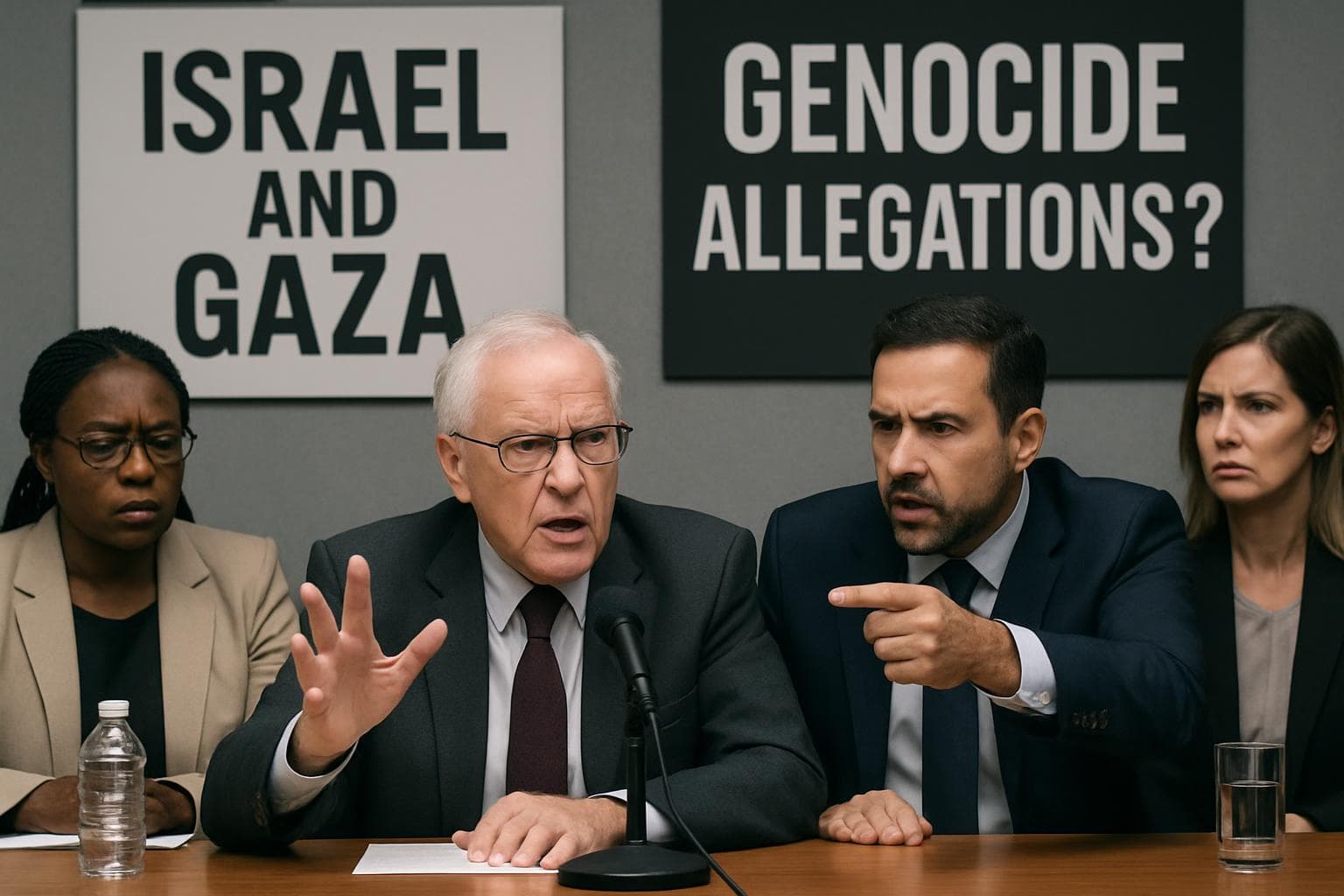
The International Association of Genocide Scholars (IAGS) has ignited a global debate by declaring that Israel's actions in Gaza meet the legal criteria for genocide. This resolution, passed by the world's largest professional body of genocide scholars, underscores a growing international concern over the humanitarian situation in the region.
Resolution Details and Voting Outcome
The resolution, supported by 86% of the voting members, accuses Israel of committing genocide, war crimes, and crimes against humanity in Gaza. It cites widespread attacks on civilians, including children, and the destruction of essential infrastructure. The IAGS, which includes Holocaust experts, calls for an immediate halt to these actions. The resolution also highlights the forced displacement of Palestinians and the dehumanizing rhetoric from Israeli leaders.
Israel's Response and Ongoing Legal Battles
Israel has vehemently denied the allegations, describing the resolution as based on "Hamas lies" and poor research. The Israeli Foreign Ministry argues that Israel is defending itself against Hamas, which it accuses of committing international crimes during the October 7, 2023, attack that killed approximately 1,200 people. The International Court of Justice (ICJ) is currently reviewing a case brought by South Africa, accusing Israel of genocide. Israel has until January 2026 to present its defense.
International Reactions and Legal Context
The UN Genocide Convention, established in 1948, defines genocide as acts intended to destroy a national, ethnical, racial, or religious group. While several rights organizations support the IAGS's stance, the UN and Western nations await a court ruling to officially recognize genocide. The ICJ's decision will be pivotal in shaping international responses and potential interventions.
WHAT THIS MIGHT MEAN
The resolution by the IAGS could significantly influence international perceptions and diplomatic relations concerning the Israel-Gaza conflict. If the International Court of Justice rules against Israel, it may lead to increased international pressure and potential sanctions. Conversely, a ruling in Israel's favor could reinforce its narrative of self-defense. Experts suggest that the outcome will likely impact future peace negotiations and humanitarian efforts in the region, underscoring the need for a balanced and just resolution to the conflict.
Related Articles
Hamas Leadership Vote Amidst Critical Crossroads for the Movement
Trump's Board of Peace Pledges $7 Billion for Gaza Amidst International Skepticism
Israeli Airstrikes in Lebanon's Bekaa Valley Leave 10 Dead Amid Rising Tensions

US Ambassador's Biblical Land Remarks Spark Outcry from Arab Nations

Palestinian-American Teen Killed by Israeli Settlers in West Bank Sparks Calls for Accountability

US-Iran Tensions Escalate Amid Military Buildup and Diplomatic Deadlock
Genocide Allegations Against Israel in Gaza: Scholars' Resolution Sparks Controversy
In This Article
 James Okoro| Published
 HIGHLIGHTS
- The International Association of Genocide Scholars (IAGS) has passed a resolution stating that Israel's actions in Gaza meet the legal definition of genocide.
- Out of 500 IAGS members, 28% participated in the vote, with 86% supporting the resolution.
- The resolution highlights Israel's alleged war crimes, including attacks on civilians and infrastructure, and calls for an immediate cessation of such acts.
- Israel denies the allegations, citing self-defense against Hamas, and criticizes the resolution as based on misinformation.
- The International Court of Justice is considering a case against Israel, with a decision expected by January 2026.
The International Association of Genocide Scholars (IAGS) has ignited a global debate by declaring that Israel's actions in Gaza meet the legal criteria for genocide. This resolution, passed by the world's largest professional body of genocide scholars, underscores a growing international concern over the humanitarian situation in the region.
Resolution Details and Voting Outcome
The resolution, supported by 86% of the voting members, accuses Israel of committing genocide, war crimes, and crimes against humanity in Gaza. It cites widespread attacks on civilians, including children, and the destruction of essential infrastructure. The IAGS, which includes Holocaust experts, calls for an immediate halt to these actions. The resolution also highlights the forced displacement of Palestinians and the dehumanizing rhetoric from Israeli leaders.
Israel's Response and Ongoing Legal Battles
Israel has vehemently denied the allegations, describing the resolution as based on "Hamas lies" and poor research. The Israeli Foreign Ministry argues that Israel is defending itself against Hamas, which it accuses of committing international crimes during the October 7, 2023, attack that killed approximately 1,200 people. The International Court of Justice (ICJ) is currently reviewing a case brought by South Africa, accusing Israel of genocide. Israel has until January 2026 to present its defense.
International Reactions and Legal Context
The UN Genocide Convention, established in 1948, defines genocide as acts intended to destroy a national, ethnical, racial, or religious group. While several rights organizations support the IAGS's stance, the UN and Western nations await a court ruling to officially recognize genocide. The ICJ's decision will be pivotal in shaping international responses and potential interventions.
WHAT THIS MIGHT MEAN
The resolution by the IAGS could significantly influence international perceptions and diplomatic relations concerning the Israel-Gaza conflict. If the International Court of Justice rules against Israel, it may lead to increased international pressure and potential sanctions. Conversely, a ruling in Israel's favor could reinforce its narrative of self-defense. Experts suggest that the outcome will likely impact future peace negotiations and humanitarian efforts in the region, underscoring the need for a balanced and just resolution to the conflict.
Related Articles
Hamas Leadership Vote Amidst Critical Crossroads for the Movement
Trump's Board of Peace Pledges $7 Billion for Gaza Amidst International Skepticism
Israeli Airstrikes in Lebanon's Bekaa Valley Leave 10 Dead Amid Rising Tensions
US Ambassador's Biblical Land Remarks Spark Outcry from Arab Nations
Palestinian-American Teen Killed by Israeli Settlers in West Bank Sparks Calls for Accountability
US-Iran Tensions Escalate Amid Military Buildup and Diplomatic Deadlock