
Global Protests Demand Urgent Action at COP30 Climate Summit
In This Article
HIGHLIGHTS
- Thousands of climate activists gathered in Belém, Brazil, and Glasgow, Scotland, to demand urgent action at the COP30 summit.
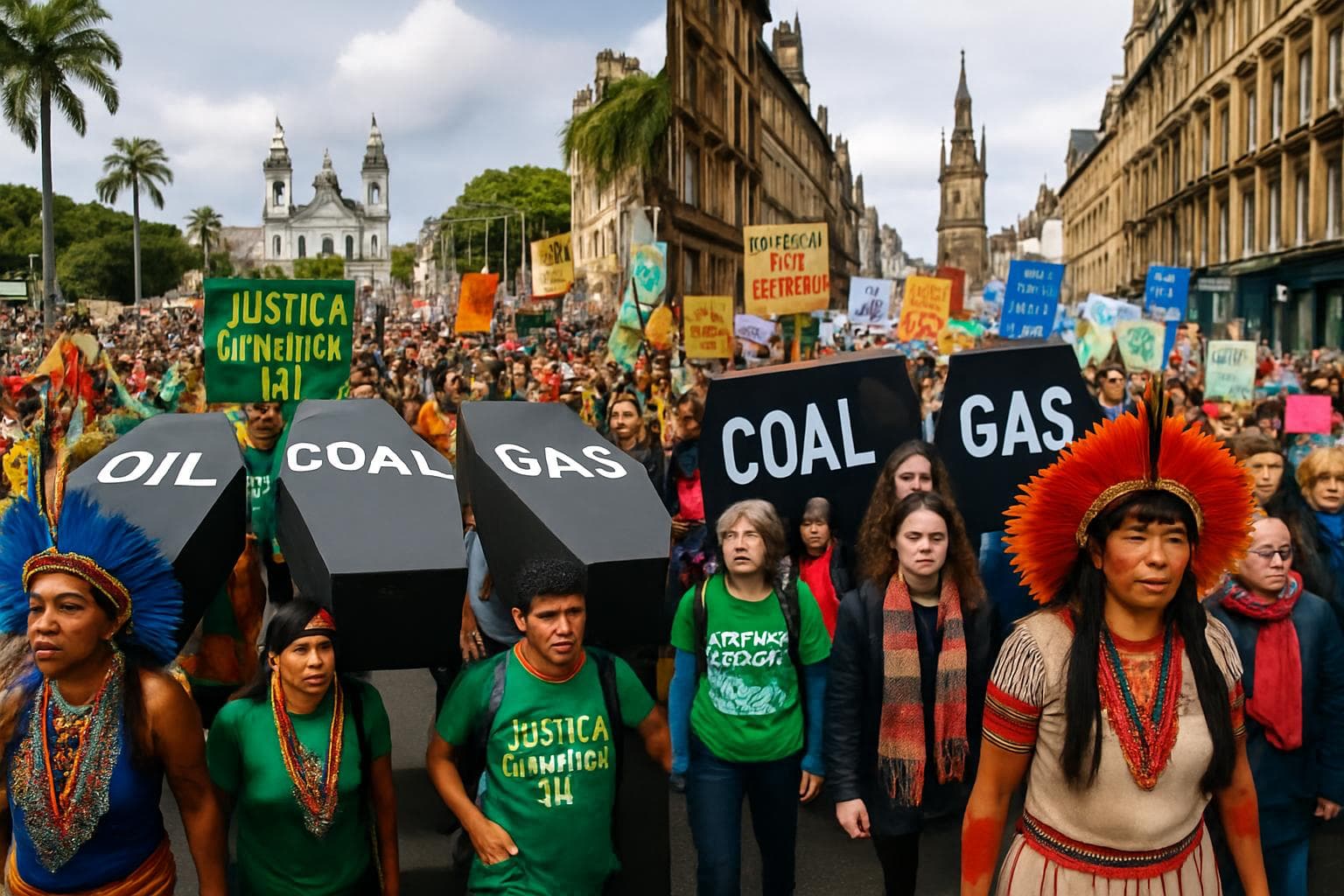
- Protesters in Belém staged a symbolic "funeral for fossil fuels," highlighting the need to transition away from coal, oil, and gas.
- Indigenous groups emphasized their role in protecting biodiversity and called for legal recognition of their territories.
- The demonstrations marked the first major protests at a COP summit since 2021, as previous host countries restricted public gatherings.
- Activists in Glasgow linked climate action to broader social justice issues, including solidarity with Gaza.
As the COP30 climate summit unfolds in Belém, Brazil, thousands of demonstrators have taken to the streets in a powerful call for immediate action against climate change. The protests, which also saw significant participation in Glasgow, Scotland, reflect a growing global demand for environmental justice and a transition away from fossil fuels.
Protests in Belém: A Call for Environmental Justice
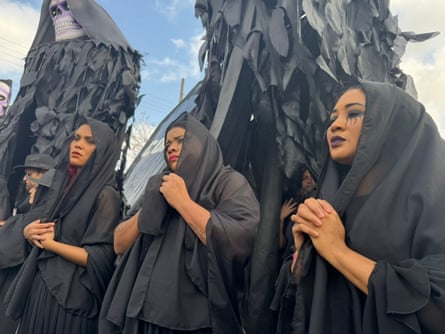
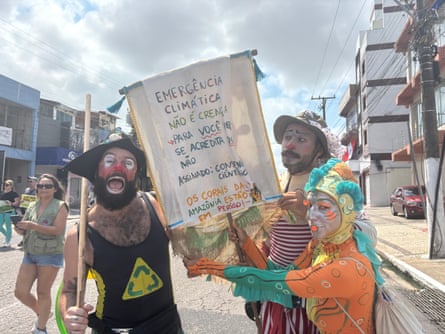
In Belém, the host city of the COP30 summit, activists from around the world joined forces with indigenous groups to demand urgent climate action. The streets were alive with chants, music, and vibrant displays, including a symbolic "funeral for fossil fuels." Demonstrators carried three giant coffins labeled "Oil," "Coal," and "Gas," underscoring the urgent need to move away from these energy sources. Tuga Cíntia, a member of the Hydra Dance theatre group, expressed the collective frustration: "Enough is enough with COP meetings and theory. It's time for us to actually act."
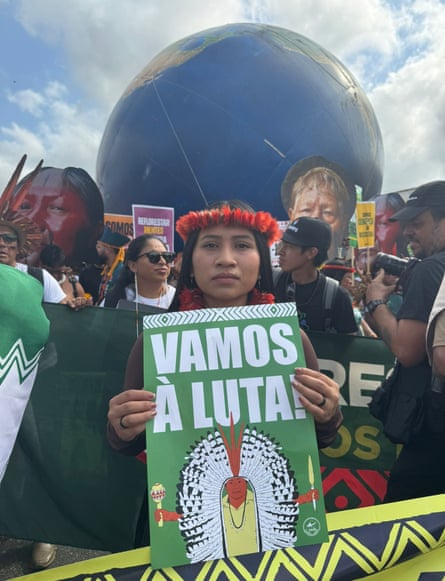
Indigenous communities played a prominent role in the protests, highlighting their critical role in safeguarding biodiversity. Raquel Wapichana, who traveled nine hours from Roraima, emphasized the threats posed by mining and agribusiness to her land and people. "We must fight for our survival," she declared.
Glasgow's Solidarity March
Meanwhile, in Glasgow, thousands marched in solidarity with the Belém protests, marking the largest climate demonstration in the city since COP26 in 2021. Organized by Friends of the Earth Scotland, the march highlighted the interconnectedness of global climate challenges. Caroline Rance, head of campaigns for the organization, noted the strong public desire for transformative change, stating, "There is energy and enthusiasm to make transformative change happen, all it requires is the political will."
The Glasgow protest also drew attention to broader social justice issues, with participants expressing solidarity with Gaza and opposing the Rosebank oil field project. Nick Cullen of the Climate and Migrant Justice Organising Group emphasized the shared struggle against "the deepening hostile environment, far-right violence, and the erosion of climate action."
Security and Representation at COP30
Security was heightened at the COP30 venue in Belém, with police guarding the entrance following a breach earlier in the week. Indigenous representation has been a contentious issue at the summit, with many groups feeling their concerns over deforestation and land protection are not being adequately addressed. Despite these challenges, nearly 200 countries are participating in the talks, striving to make progress on climate commitments.
WHAT THIS MIGHT MEAN
As the COP30 summit continues, the pressure from global protests may influence negotiators to adopt more ambitious climate policies. The strong presence of indigenous voices could lead to increased recognition of their rights and roles in environmental protection. However, the challenge remains to translate these demands into concrete actions and commitments. Experts suggest that the success of the summit will depend on the willingness of participating countries to prioritize long-term sustainability over short-term economic interests. The outcome of these negotiations could set a precedent for future climate talks and shape the global response to the climate emergency.
Images from the Web


Related Articles

Hopeful Signs for Scotland's Endangered Capercaillie as Conservation Efforts Show Promise

Saharan Dust to Illuminate UK Skies with Vivid Sunrises and Sunsets
St Francis of Assisi's Bones Draw Global Pilgrims to Italy

Willie Colón: The Salsa Legend Who Transformed Latin Music Passes Away at 75
Anna Murdoch-Mann: Influential Figure in Media and Philanthropy Dies at 81

Hamas Leadership Vote Amidst Critical Crossroads for the Movement
Global Protests Demand Urgent Action at COP30 Climate Summit
In This Article
 Leila Hassan| Published
 HIGHLIGHTS
- Thousands of climate activists gathered in Belém, Brazil, and Glasgow, Scotland, to demand urgent action at the COP30 summit.
- Protesters in Belém staged a symbolic "funeral for fossil fuels," highlighting the need to transition away from coal, oil, and gas.
- Indigenous groups emphasized their role in protecting biodiversity and called for legal recognition of their territories.
- The demonstrations marked the first major protests at a COP summit since 2021, as previous host countries restricted public gatherings.
- Activists in Glasgow linked climate action to broader social justice issues, including solidarity with Gaza.
As the COP30 climate summit unfolds in Belém, Brazil, thousands of demonstrators have taken to the streets in a powerful call for immediate action against climate change. The protests, which also saw significant participation in Glasgow, Scotland, reflect a growing global demand for environmental justice and a transition away from fossil fuels.
Protests in Belém: A Call for Environmental Justice
In Belém, the host city of the COP30 summit, activists from around the world joined forces with indigenous groups to demand urgent climate action. The streets were alive with chants, music, and vibrant displays, including a symbolic "funeral for fossil fuels." Demonstrators carried three giant coffins labeled "Oil," "Coal," and "Gas," underscoring the urgent need to move away from these energy sources. Tuga Cíntia, a member of the Hydra Dance theatre group, expressed the collective frustration: "Enough is enough with COP meetings and theory. It's time for us to actually act."
Indigenous communities played a prominent role in the protests, highlighting their critical role in safeguarding biodiversity. Raquel Wapichana, who traveled nine hours from Roraima, emphasized the threats posed by mining and agribusiness to her land and people. "We must fight for our survival," she declared.
Glasgow's Solidarity March
Meanwhile, in Glasgow, thousands marched in solidarity with the Belém protests, marking the largest climate demonstration in the city since COP26 in 2021. Organized by Friends of the Earth Scotland, the march highlighted the interconnectedness of global climate challenges. Caroline Rance, head of campaigns for the organization, noted the strong public desire for transformative change, stating, "There is energy and enthusiasm to make transformative change happen, all it requires is the political will."
The Glasgow protest also drew attention to broader social justice issues, with participants expressing solidarity with Gaza and opposing the Rosebank oil field project. Nick Cullen of the Climate and Migrant Justice Organising Group emphasized the shared struggle against "the deepening hostile environment, far-right violence, and the erosion of climate action."
Security and Representation at COP30
Security was heightened at the COP30 venue in Belém, with police guarding the entrance following a breach earlier in the week. Indigenous representation has been a contentious issue at the summit, with many groups feeling their concerns over deforestation and land protection are not being adequately addressed. Despite these challenges, nearly 200 countries are participating in the talks, striving to make progress on climate commitments.
WHAT THIS MIGHT MEAN
As the COP30 summit continues, the pressure from global protests may influence negotiators to adopt more ambitious climate policies. The strong presence of indigenous voices could lead to increased recognition of their rights and roles in environmental protection. However, the challenge remains to translate these demands into concrete actions and commitments. Experts suggest that the success of the summit will depend on the willingness of participating countries to prioritize long-term sustainability over short-term economic interests. The outcome of these negotiations could set a precedent for future climate talks and shape the global response to the climate emergency.
Images from the Web
Related Articles
Hopeful Signs for Scotland's Endangered Capercaillie as Conservation Efforts Show Promise
Saharan Dust to Illuminate UK Skies with Vivid Sunrises and Sunsets
St Francis of Assisi's Bones Draw Global Pilgrims to Italy
Willie Colón: The Salsa Legend Who Transformed Latin Music Passes Away at 75
Anna Murdoch-Mann: Influential Figure in Media and Philanthropy Dies at 81
Hamas Leadership Vote Amidst Critical Crossroads for the Movement