
Global Solidarity Grows as Iranian Protests Intensify Amid Calls for International Intervention
In This Article
HIGHLIGHTS
- Silent protests in Cheltenham and Bristol show solidarity with Iranians amid ongoing unrest and internet blackouts.
- Over 5,000 people have been killed in Iran during protests against the government, according to HRANA.
- Iranians abroad express anxiety and fear for loved ones, calling for international intervention to stop the violence.
- The protests began on December 28 due to economic grievances and have evolved into demands for political change.
- Many in the Iranian diaspora believe that sanctions and statements are insufficient, advocating for more decisive actions.
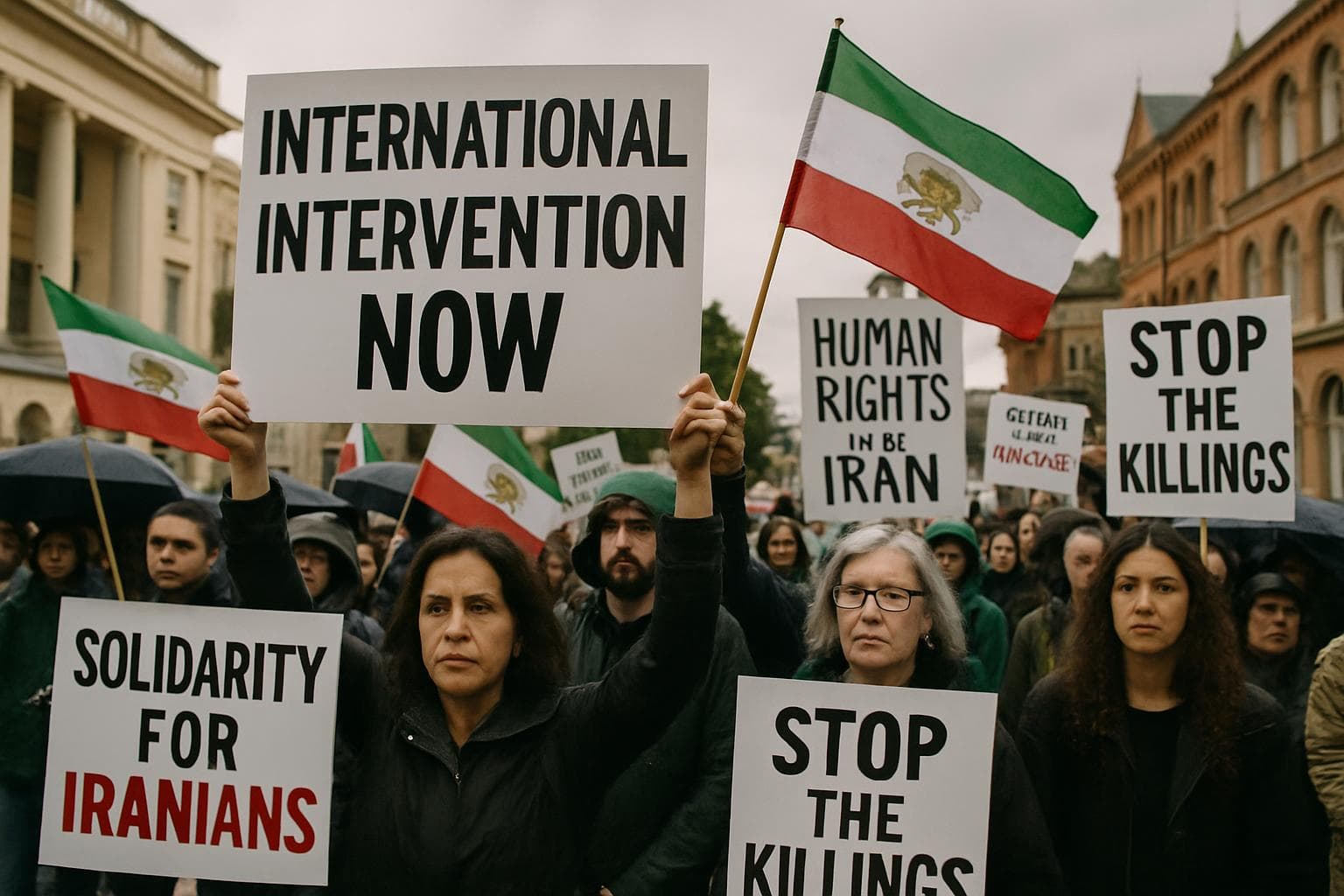
As Iran grapples with its most severe unrest since the 1979 revolution, solidarity protests are emerging worldwide, with significant gatherings in Cheltenham and Bristol, UK. These demonstrations aim to support Iranians facing a brutal government crackdown that has resulted in over 5,000 deaths, according to the US-based Iranian Human Rights Activists News Agency (HRANA).
Protests and Solidarity Movements
In Cheltenham, dozens gathered silently at The Promenade to honor those lost in Iran's ongoing turmoil. "We're all gathering here, even though this is just a small group in Cheltenham, just in support, just to stand with our countrymen," said Pasha Pour, a long-time resident. Similar sentiments echoed in Bristol, where around 300 people convened, expressing fear for their loved ones back home.
Iranian Diaspora's Call for Action
The Iranian diaspora, particularly in the US, is vocal about the emotional toll of the crisis. Many, like Mahnaz, 36, describe living in constant anxiety, fearing for family members amid the government's internet blackout. "No one should have to wake up every day wondering whether their loved ones have been executed, imprisoned, or killed," she wrote.
Economic and Political Catalysts
The protests, ignited by a sharp decline in the Iranian rial against the US dollar on December 28, have evolved into broader demands for political change. The Iranian government has labeled these demonstrations as "riots" instigated by foreign adversaries, while protestors call for the end of the supreme leader's rule.
International Perspectives and Potential Interventions
Many Iranians abroad argue that peaceful protests alone are insufficient. Fereshteh, a lab scientist, believes that "international military intervention may be the only realistic way to stop the killing." Others, like Luna Houshmand, assert that decades of sanctions and diplomatic statements have failed, urging for more substantial actions to uphold human rights in Iran.
WHAT THIS MIGHT MEAN
The ongoing unrest in Iran and the global response could lead to significant geopolitical shifts. If international intervention occurs, it may alter the balance of power in the Middle East, potentially destabilizing the region further. Experts suggest that while military intervention is fraught with risks, continued inaction could exacerbate the crisis, leading to increased extremism and forced migration.
The Iranian government's response to these protests will likely influence future diplomatic relations and economic sanctions. As the international community weighs its options, the priority remains protecting civilians and supporting their quest for freedom and dignity.
Related Articles
Intensified US-Israel Strikes on Iran Spark Global Outcry
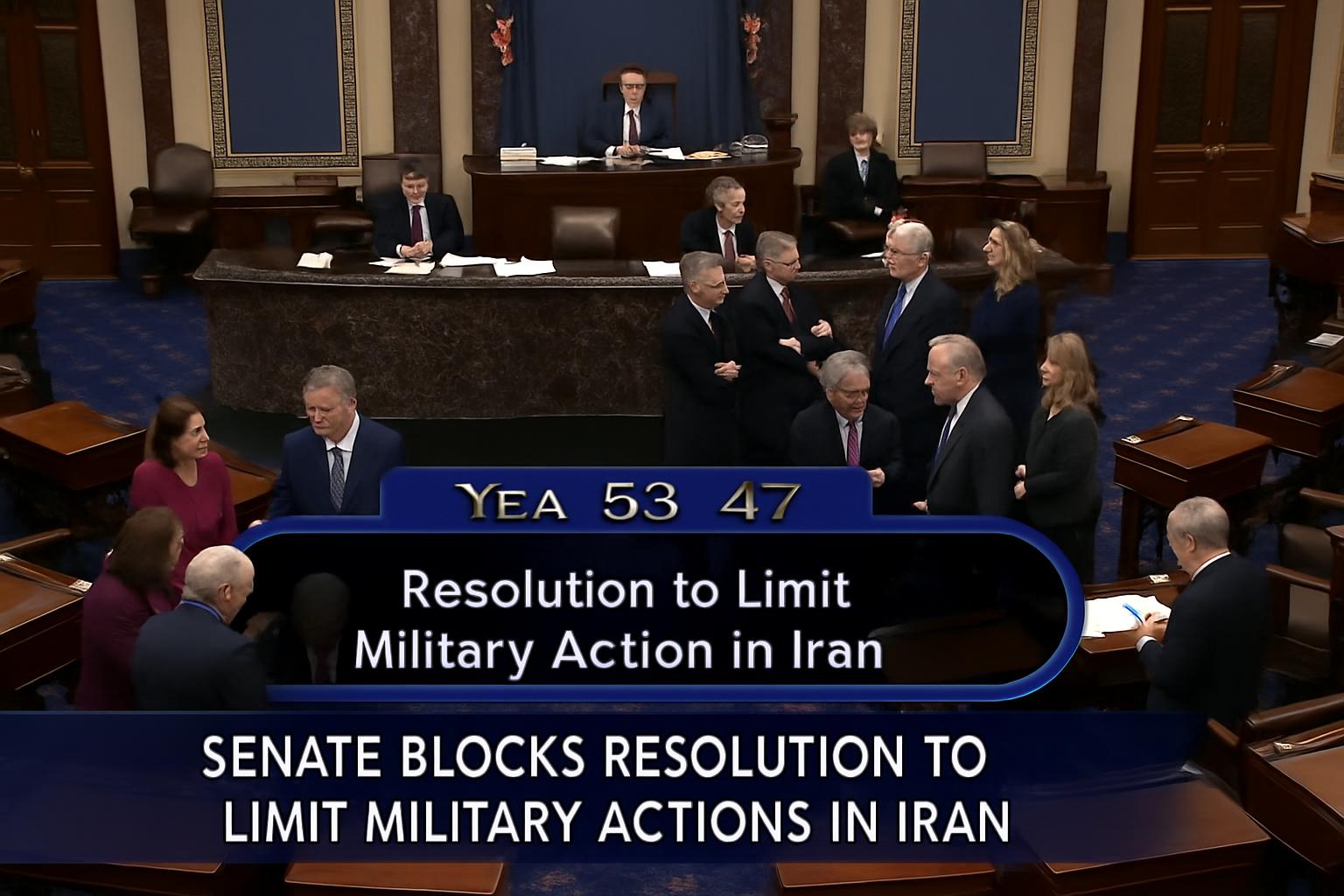
Senate Blocks Resolution to Limit Trump's Military Actions in Iran
Spain's Sánchez Stands Firm Against Trump's Trade Threat Over Iran Stance
US-Iran Tensions Escalate Amid Renewed Nuclear Talks and Protests
US and Israel Intensify Military Campaign as Iran's Capabilities Dwindle

UK-Iran Tensions: Starmer Defends Cautious Approach Amid Trump Criticism
Global Solidarity Grows as Iranian Protests Intensify Amid Calls for International Intervention
In This Article
 Ethan Brooks| Published
 HIGHLIGHTS
- Silent protests in Cheltenham and Bristol show solidarity with Iranians amid ongoing unrest and internet blackouts.
- Over 5,000 people have been killed in Iran during protests against the government, according to HRANA.
- Iranians abroad express anxiety and fear for loved ones, calling for international intervention to stop the violence.
- The protests began on December 28 due to economic grievances and have evolved into demands for political change.
- Many in the Iranian diaspora believe that sanctions and statements are insufficient, advocating for more decisive actions.
As Iran grapples with its most severe unrest since the 1979 revolution, solidarity protests are emerging worldwide, with significant gatherings in Cheltenham and Bristol, UK. These demonstrations aim to support Iranians facing a brutal government crackdown that has resulted in over 5,000 deaths, according to the US-based Iranian Human Rights Activists News Agency (HRANA).
Protests and Solidarity Movements
In Cheltenham, dozens gathered silently at The Promenade to honor those lost in Iran's ongoing turmoil. "We're all gathering here, even though this is just a small group in Cheltenham, just in support, just to stand with our countrymen," said Pasha Pour, a long-time resident. Similar sentiments echoed in Bristol, where around 300 people convened, expressing fear for their loved ones back home.
Iranian Diaspora's Call for Action
The Iranian diaspora, particularly in the US, is vocal about the emotional toll of the crisis. Many, like Mahnaz, 36, describe living in constant anxiety, fearing for family members amid the government's internet blackout. "No one should have to wake up every day wondering whether their loved ones have been executed, imprisoned, or killed," she wrote.
Economic and Political Catalysts
The protests, ignited by a sharp decline in the Iranian rial against the US dollar on December 28, have evolved into broader demands for political change. The Iranian government has labeled these demonstrations as "riots" instigated by foreign adversaries, while protestors call for the end of the supreme leader's rule.
International Perspectives and Potential Interventions
Many Iranians abroad argue that peaceful protests alone are insufficient. Fereshteh, a lab scientist, believes that "international military intervention may be the only realistic way to stop the killing." Others, like Luna Houshmand, assert that decades of sanctions and diplomatic statements have failed, urging for more substantial actions to uphold human rights in Iran.
WHAT THIS MIGHT MEAN
The ongoing unrest in Iran and the global response could lead to significant geopolitical shifts. If international intervention occurs, it may alter the balance of power in the Middle East, potentially destabilizing the region further. Experts suggest that while military intervention is fraught with risks, continued inaction could exacerbate the crisis, leading to increased extremism and forced migration.
The Iranian government's response to these protests will likely influence future diplomatic relations and economic sanctions. As the international community weighs its options, the priority remains protecting civilians and supporting their quest for freedom and dignity.
Related Articles
Intensified US-Israel Strikes on Iran Spark Global Outcry
Senate Blocks Resolution to Limit Trump's Military Actions in Iran
Spain's Sánchez Stands Firm Against Trump's Trade Threat Over Iran Stance
US-Iran Tensions Escalate Amid Renewed Nuclear Talks and Protests
US and Israel Intensify Military Campaign as Iran's Capabilities Dwindle
UK-Iran Tensions: Starmer Defends Cautious Approach Amid Trump Criticism