
Great Barrier Reef's Future Hinges on Global Warming Limits, Study Finds
In This Article
HIGHLIGHTS
- The Great Barrier Reef faces a "grim future" with rapid coral decline by 2050 unless global warming is kept below 2°C.
- A University of Queensland study suggests some coral species may adapt to warmer oceans, offering hope for partial recovery.
- The study highlights the importance of reducing carbon emissions to prevent near-collapse of the reef.
- Reefs in cooler-water currents show more resilience, potentially aiding recovery efforts.
- Current global policies could lead to 2.8°C warming, threatening the survival of many coral reefs.
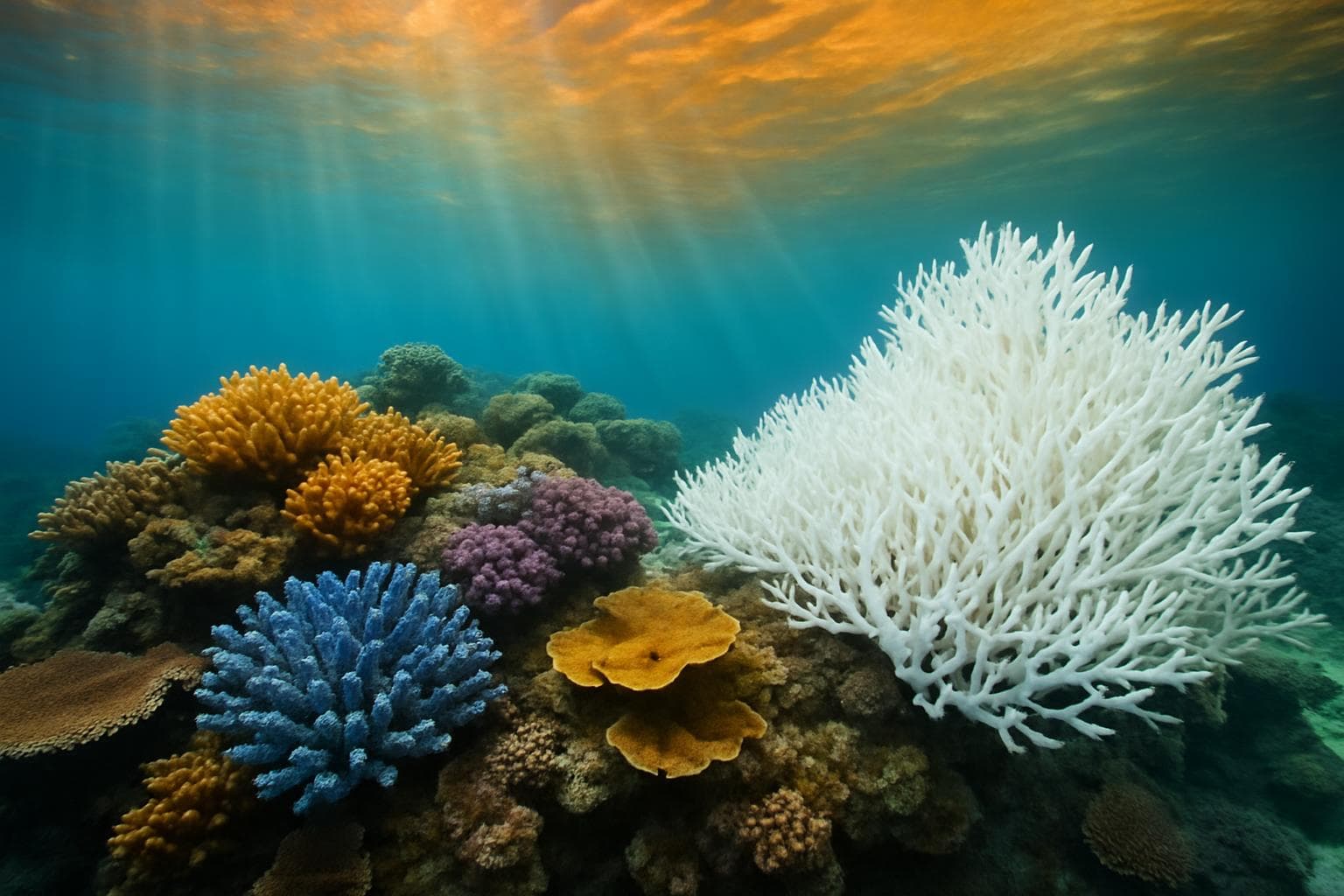
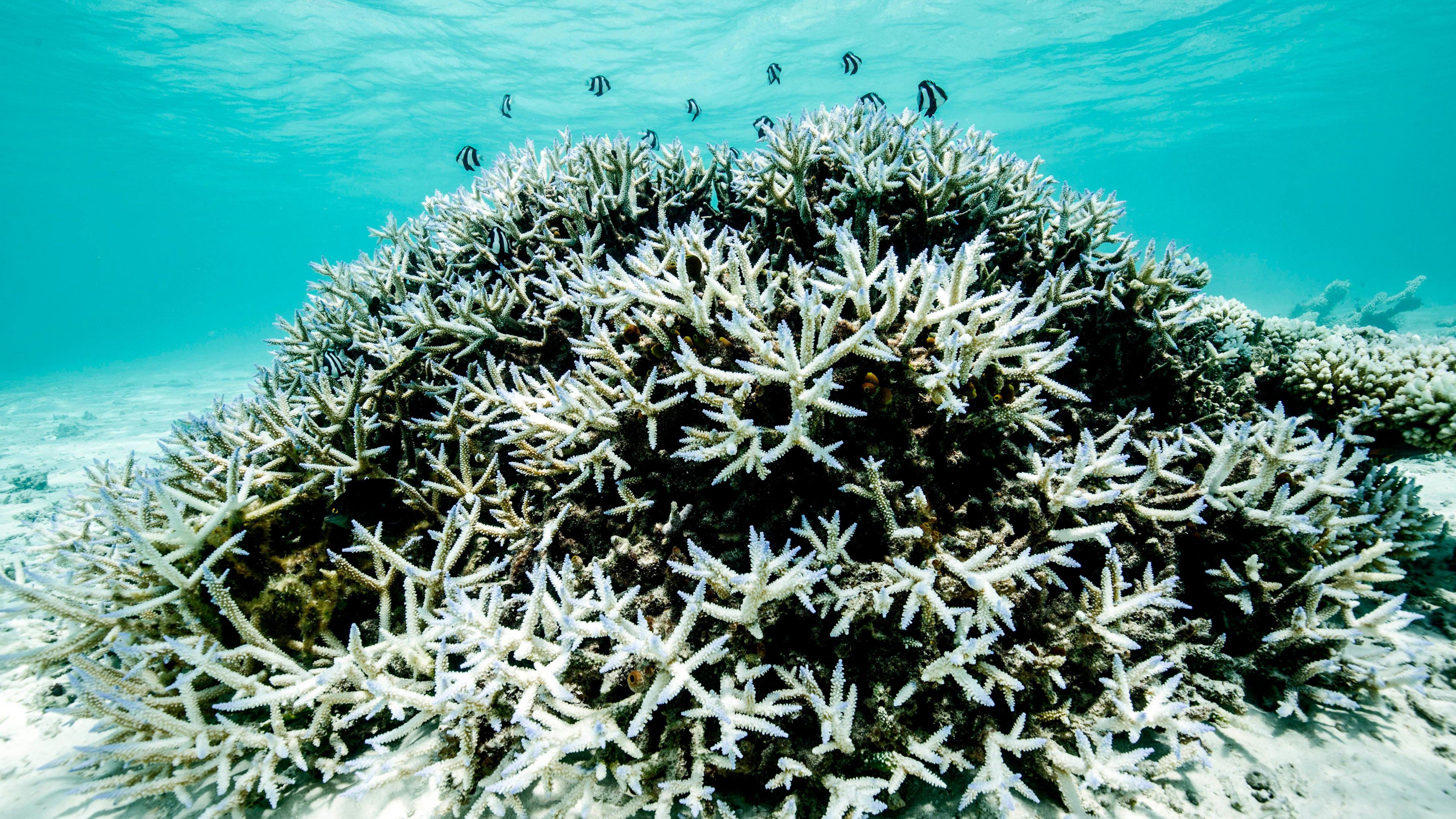
The Great Barrier Reef, one of the world's most biodiverse ecosystems, is at a critical juncture. A recent study by the University of Queensland warns of a "grim future" for the reef, predicting rapid coral decline by 2050 if global warming exceeds 2°C. However, the research also offers a glimmer of hope, suggesting that some coral species may adapt to warmer conditions, potentially aiding in the reef's recovery.
The Threat of Rising Temperatures
The study, published in Nature Communications, utilized advanced modeling to simulate the lifecycles of various coral species across the reef's 3,800 individual reefs. Researchers found that while some corals can adapt to higher temperatures, the overall outlook remains bleak if current carbon emissions continue unchecked. Dr. Yves-Marie Bozec, who led the research, emphasized the urgency of reducing emissions to prevent a near-collapse of the reef.
Hope in Resilience and Adaptation
Despite the dire predictions, the study identified areas of resilience within the reef. Reefs located near cooler-water currents and those with populations of adaptable corals showed greater potential for recovery. "Many reefs could persist under the Paris agreement target of two degrees of warming," noted Prof. Peter Mumby, a co-author of the study. This resilience offers a strategic focus for conservation efforts.
Global Policy and Future Implications
Current global policies, if unchanged, could lead to a 2.8°C rise in global temperatures by the century's end, according to a recent UN report. Such an increase would severely threaten the Great Barrier Reef and other coral ecosystems worldwide. The study underscores the critical need for international cooperation to curb greenhouse gas emissions and adhere to the Paris Agreement targets.
WHAT THIS MIGHT MEAN
The future of the Great Barrier Reef hinges on global climate policies and the ability of coral species to adapt to changing conditions. If global warming is limited to below 2°C, as per the Paris Agreement, there is potential for partial recovery of the reef. However, failure to reduce carbon emissions could lead to catastrophic losses. Experts suggest that identifying and protecting resilient areas of the reef could be key to its survival. As nations grapple with climate change, the Great Barrier Reef serves as a poignant reminder of the urgent need for action.
Images from the Web
Related Articles

US-Iran Tensions Escalate Amid Renewed Nuclear Talks and Protests

Russia-Ukraine Conflict: Four Years of Unyielding Struggle and Human Resilience

Palestinian-American Teen Killed by Israeli Settlers in West Bank Sparks Calls for Accountability

Jimmy Lai's 20-Year Sentence Sparks Global Outcry Over Hong Kong's National Security Law

New START Treaty Expiry Sparks Fears of Renewed Nuclear Arms Race

Trump's Controversial "Board of Peace" Faces Global Scrutiny
Great Barrier Reef's Future Hinges on Global Warming Limits, Study Finds
In This Article
 Leila Hassan| Published
 HIGHLIGHTS
- The Great Barrier Reef faces a "grim future" with rapid coral decline by 2050 unless global warming is kept below 2°C.
- A University of Queensland study suggests some coral species may adapt to warmer oceans, offering hope for partial recovery.
- The study highlights the importance of reducing carbon emissions to prevent near-collapse of the reef.
- Reefs in cooler-water currents show more resilience, potentially aiding recovery efforts.
- Current global policies could lead to 2.8°C warming, threatening the survival of many coral reefs.
The Great Barrier Reef, one of the world's most biodiverse ecosystems, is at a critical juncture. A recent study by the University of Queensland warns of a "grim future" for the reef, predicting rapid coral decline by 2050 if global warming exceeds 2°C. However, the research also offers a glimmer of hope, suggesting that some coral species may adapt to warmer conditions, potentially aiding in the reef's recovery.
The Threat of Rising Temperatures
The study, published in Nature Communications, utilized advanced modeling to simulate the lifecycles of various coral species across the reef's 3,800 individual reefs. Researchers found that while some corals can adapt to higher temperatures, the overall outlook remains bleak if current carbon emissions continue unchecked. Dr. Yves-Marie Bozec, who led the research, emphasized the urgency of reducing emissions to prevent a near-collapse of the reef.
Hope in Resilience and Adaptation
Despite the dire predictions, the study identified areas of resilience within the reef. Reefs located near cooler-water currents and those with populations of adaptable corals showed greater potential for recovery. "Many reefs could persist under the Paris agreement target of two degrees of warming," noted Prof. Peter Mumby, a co-author of the study. This resilience offers a strategic focus for conservation efforts.
Global Policy and Future Implications
Current global policies, if unchanged, could lead to a 2.8°C rise in global temperatures by the century's end, according to a recent UN report. Such an increase would severely threaten the Great Barrier Reef and other coral ecosystems worldwide. The study underscores the critical need for international cooperation to curb greenhouse gas emissions and adhere to the Paris Agreement targets.
WHAT THIS MIGHT MEAN
The future of the Great Barrier Reef hinges on global climate policies and the ability of coral species to adapt to changing conditions. If global warming is limited to below 2°C, as per the Paris Agreement, there is potential for partial recovery of the reef. However, failure to reduce carbon emissions could lead to catastrophic losses. Experts suggest that identifying and protecting resilient areas of the reef could be key to its survival. As nations grapple with climate change, the Great Barrier Reef serves as a poignant reminder of the urgent need for action.
Images from the Web
Related Articles
US-Iran Tensions Escalate Amid Renewed Nuclear Talks and Protests
Russia-Ukraine Conflict: Four Years of Unyielding Struggle and Human Resilience
Palestinian-American Teen Killed by Israeli Settlers in West Bank Sparks Calls for Accountability
Jimmy Lai's 20-Year Sentence Sparks Global Outcry Over Hong Kong's National Security Law
New START Treaty Expiry Sparks Fears of Renewed Nuclear Arms Race
Trump's Controversial "Board of Peace" Faces Global Scrutiny