
GSK's $30 Billion US Investment Highlights Challenges for UK Pharma
In This Article
HIGHLIGHTS
- GSK plans to invest $30 billion in the US by 2030, citing it as the leading market for new drug launches.
- The UK government has negotiated a deal to reduce NHS drug pricing rebates and maintain zero tariffs on US pharmaceutical exports.
- AstraZeneca and Merck have paused or canceled significant UK investments, reflecting broader industry trends.
- The NHS will increase spending on new medicines by 25% as part of the deal, raising concerns about budget impacts on other healthcare areas.
- GSK CEO Emma Walmsley emphasizes the importance of the US market while reaffirming commitment to UK-based innovation.
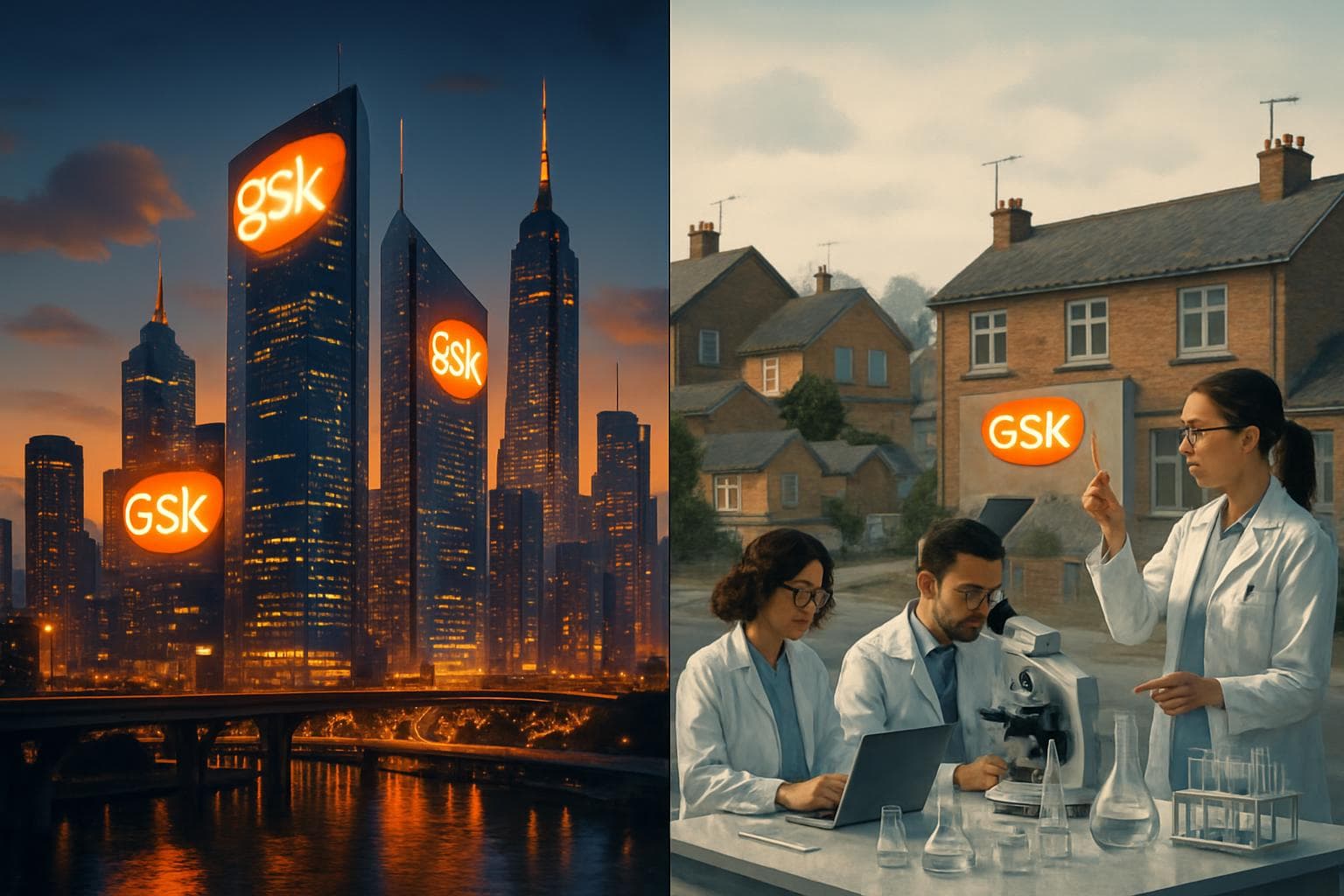
In a strategic move underscoring the shifting dynamics of the global pharmaceutical industry, GSK has announced plans to invest $30 billion in the United States by 2030. This decision, articulated by CEO Dame Emma Walmsley, highlights the US as the premier market for drug development and launches, despite the UK government's efforts to bolster its life sciences sector.
US Market Dominance
Dame Emma Walmsley, in a recent interview, emphasized the US's unparalleled position in the pharmaceutical landscape. "The US remains the leading market for new drug and vaccine launches," she stated, noting that GSK generates over half of its revenue there. Alongside China, the US offers the most conducive environment for business development, she added.
This sentiment echoes across the industry, with AstraZeneca's CEO Pascal Soriot also acknowledging the critical importance of the US market. The trend is evident as several pharmaceutical giants, including Merck, have scaled back or halted UK investments, citing more favorable conditions abroad.
UK Government's Strategic Deal
In response to these challenges, the UK government has struck a crucial deal to maintain zero tariffs on pharmaceutical exports to the US for three years. This agreement also involves reducing the NHS's drug pricing rebate from 22.5% to under 15%, a move aimed at making the UK more attractive for pharmaceutical investments.
However, this comes at a cost. The NHS will increase its spending on new medicines by 25%, raising concerns about potential budgetary constraints on other healthcare services. Critics argue that while the deal may avert immediate investment losses, it could strain the NHS's ability to fund essential services.
Commitment to UK Innovation
Despite the focus on US investments, Walmsley reassured that GSK remains committed to the UK, highlighting its role as an exporter of life sciences innovation. "No one should be deluded that the UK is going to be a massive scale market," she remarked, emphasizing the country's potential in research and development.
The UK retains significant strengths, including robust research facilities and strong university links. Yet, the disparity in investment levels between the UK and the US underscores the challenges faced by the UK in competing on a global scale.
WHAT THIS MIGHT MEAN
Looking ahead, the UK's pharmaceutical sector faces a critical juncture. The recent deal may provide temporary relief, but long-term competitiveness will require further strategic adjustments. Experts suggest that enhancing the NHS's adoption of cost-effective medicines and reducing the revenue clawback rates could be pivotal steps.
The global pharmaceutical landscape continues to evolve, with the US maintaining its dominance. For the UK to solidify its position as a life sciences superpower, it must navigate these challenges while fostering an environment conducive to innovation and investment. As GSK and other industry leaders chart their paths, the implications for the UK's healthcare system and its economic landscape remain significant.
Images from the Web

Related Articles

UK Faces Dilemmas Amid Iran Conflict and China Spying Allegations

Iran Postpones Khamenei Funeral Amid Escalating US-Israeli Strikes
China Sets Lowest GDP Growth Target in Decades Amid Economic Challenges

UK Government to Reform Asylum Seeker Support and Employment Policies
Middle East Conflict Drives UK Energy Prices to New Highs

UK-Iran Tensions: Starmer Defends Cautious Approach Amid Trump Criticism
GSK's $30 Billion US Investment Highlights Challenges for UK Pharma
In This Article
 Ethan Brooks| Published
 HIGHLIGHTS
- GSK plans to invest $30 billion in the US by 2030, citing it as the leading market for new drug launches.
- The UK government has negotiated a deal to reduce NHS drug pricing rebates and maintain zero tariffs on US pharmaceutical exports.
- AstraZeneca and Merck have paused or canceled significant UK investments, reflecting broader industry trends.
- The NHS will increase spending on new medicines by 25% as part of the deal, raising concerns about budget impacts on other healthcare areas.
- GSK CEO Emma Walmsley emphasizes the importance of the US market while reaffirming commitment to UK-based innovation.
In a strategic move underscoring the shifting dynamics of the global pharmaceutical industry, GSK has announced plans to invest $30 billion in the United States by 2030. This decision, articulated by CEO Dame Emma Walmsley, highlights the US as the premier market for drug development and launches, despite the UK government's efforts to bolster its life sciences sector.
US Market Dominance
Dame Emma Walmsley, in a recent interview, emphasized the US's unparalleled position in the pharmaceutical landscape. "The US remains the leading market for new drug and vaccine launches," she stated, noting that GSK generates over half of its revenue there. Alongside China, the US offers the most conducive environment for business development, she added.
This sentiment echoes across the industry, with AstraZeneca's CEO Pascal Soriot also acknowledging the critical importance of the US market. The trend is evident as several pharmaceutical giants, including Merck, have scaled back or halted UK investments, citing more favorable conditions abroad.
UK Government's Strategic Deal
In response to these challenges, the UK government has struck a crucial deal to maintain zero tariffs on pharmaceutical exports to the US for three years. This agreement also involves reducing the NHS's drug pricing rebate from 22.5% to under 15%, a move aimed at making the UK more attractive for pharmaceutical investments.
However, this comes at a cost. The NHS will increase its spending on new medicines by 25%, raising concerns about potential budgetary constraints on other healthcare services. Critics argue that while the deal may avert immediate investment losses, it could strain the NHS's ability to fund essential services.
Commitment to UK Innovation
Despite the focus on US investments, Walmsley reassured that GSK remains committed to the UK, highlighting its role as an exporter of life sciences innovation. "No one should be deluded that the UK is going to be a massive scale market," she remarked, emphasizing the country's potential in research and development.
The UK retains significant strengths, including robust research facilities and strong university links. Yet, the disparity in investment levels between the UK and the US underscores the challenges faced by the UK in competing on a global scale.
WHAT THIS MIGHT MEAN
Looking ahead, the UK's pharmaceutical sector faces a critical juncture. The recent deal may provide temporary relief, but long-term competitiveness will require further strategic adjustments. Experts suggest that enhancing the NHS's adoption of cost-effective medicines and reducing the revenue clawback rates could be pivotal steps.
The global pharmaceutical landscape continues to evolve, with the US maintaining its dominance. For the UK to solidify its position as a life sciences superpower, it must navigate these challenges while fostering an environment conducive to innovation and investment. As GSK and other industry leaders chart their paths, the implications for the UK's healthcare system and its economic landscape remain significant.
Images from the Web
Related Articles
UK Faces Dilemmas Amid Iran Conflict and China Spying Allegations
Iran Postpones Khamenei Funeral Amid Escalating US-Israeli Strikes
China Sets Lowest GDP Growth Target in Decades Amid Economic Challenges
UK Government to Reform Asylum Seeker Support and Employment Policies
Middle East Conflict Drives UK Energy Prices to New Highs
UK-Iran Tensions: Starmer Defends Cautious Approach Amid Trump Criticism