
Hamas Agrees to Ceasefire Proposal Amidst Rising Tensions in Israel
In This Article
HIGHLIGHTS
- Hamas has agreed to a ceasefire proposal involving the release of half of the remaining Israeli hostages, amid ongoing negotiations with Egypt and Qatar.
- Israeli Prime Minister Benjamin Netanyahu faces significant domestic protests over his handling of the Gaza conflict and the hostage situation.
- The proposed ceasefire includes a 60-day suspension of military operations and potential prisoner exchanges, but Israel demands the release of all hostages at once.
- The conflict has resulted in over 62,000 Palestinian deaths, with international pressure mounting on Israel over the humanitarian crisis in Gaza.
- Talks in Cairo continue, with mediators pushing for a resolution, while Israel plans a military offensive to seize control of Gaza City.
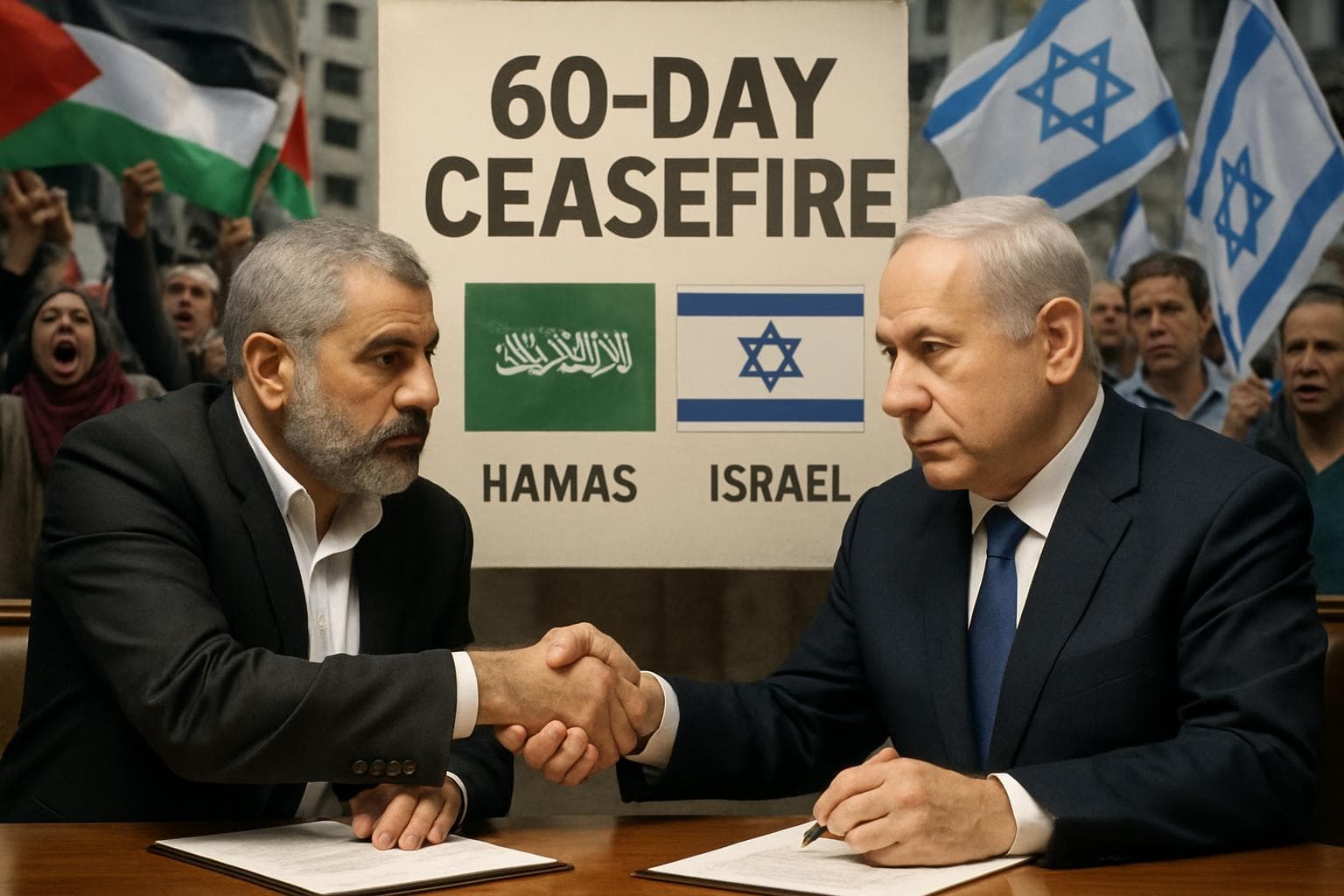
In a significant development in the ongoing Israel-Hamas conflict, Hamas has agreed to a ceasefire proposal brokered by Egypt and Qatar. The agreement, which includes the release of half of the remaining Israeli hostages, comes as Israeli Prime Minister Benjamin Netanyahu faces mounting domestic pressure over his handling of the war and the hostage crisis.
Ceasefire Proposal Details
The ceasefire proposal, based on a framework initially put forward by US envoy Steve Witkoff, suggests a 60-day suspension of military operations. During this period, Hamas would release around 25 hostages in two batches, while negotiations for a permanent ceasefire continue. However, Israel remains firm in its stance, with Netanyahu insisting on the release of all hostages simultaneously.
Domestic Unrest in Israel
Netanyahu's approach has sparked widespread protests across Israel, with an estimated 400,000 people demonstrating against his handling of the conflict. Critics argue that his policies have prolonged the war and endangered the hostages. The protests underscore deepening divisions within Israeli society, as the conflict exacts a heavy toll both domestically and internationally.
Humanitarian Crisis in Gaza
The war, which began in October 2023, has resulted in over 62,000 Palestinian deaths, according to Gaza health officials. The humanitarian situation in Gaza is dire, with international calls for a resolution growing louder. Egyptian Foreign Minister Badr Abdelatty emphasized the urgent need for a ceasefire to alleviate the crisis, describing the situation as "beyond imagination."
Ongoing Negotiations and Military Plans
Talks continue in Cairo, with key figures such as Qatar's Prime Minister Sheikh Mohammed bin Abdul Rahman Al Thani involved in mediation efforts. Meanwhile, Israel is preparing for a potential military offensive to seize control of Gaza City, a move that could displace up to a million Palestinians and further escalate tensions.
WHAT THIS MIGHT MEAN
The acceptance of the ceasefire proposal by Hamas marks a potential turning point in the conflict, but significant hurdles remain. Israel's insistence on the release of all hostages could stall progress, while the planned military offensive in Gaza City risks exacerbating the humanitarian crisis. International pressure on Israel is likely to increase, particularly if civilian casualties continue to rise. Experts suggest that a comprehensive peace deal will require concessions from both sides, with regional mediators playing a crucial role in facilitating dialogue. As negotiations continue, the outcome remains uncertain, with the potential for both escalation and resolution.
Related Articles

US and Israel Intensify Military Campaign as Iran's Capabilities Dwindle
Intensified US-Israel Strikes on Iran Spark Global Outcry
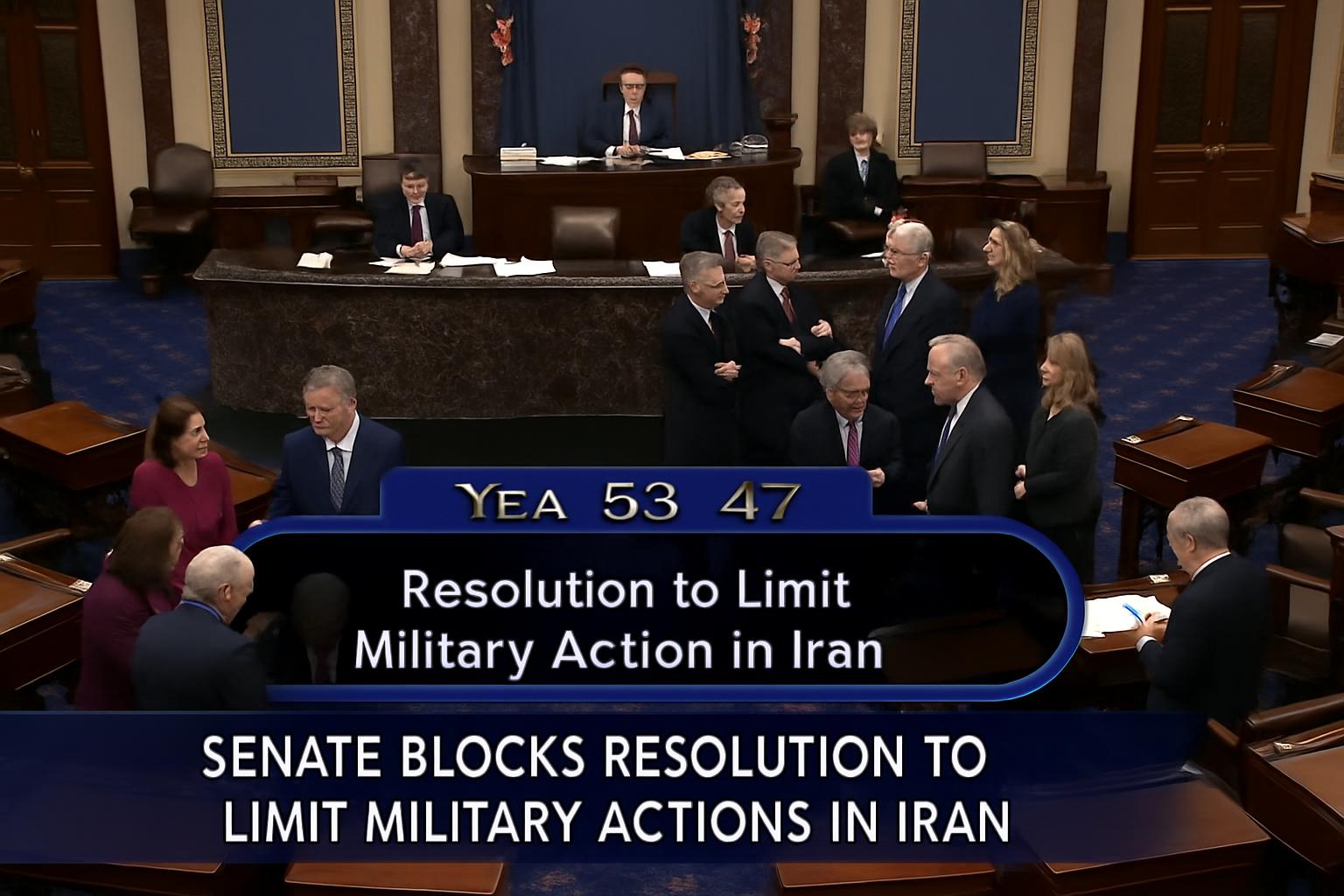
Senate Blocks Resolution to Limit Trump's Military Actions in Iran
Iran Postpones Khamenei Funeral Amid Escalating US-Israeli Strikes

Violence Erupts Across Mexico Following Death of Drug Lord El Mencho

US-Iran Tensions Escalate Amid Renewed Nuclear Talks and Protests
Hamas Agrees to Ceasefire Proposal Amidst Rising Tensions in Israel
In This Article
 Ethan Brooks| Published
 HIGHLIGHTS
- Hamas has agreed to a ceasefire proposal involving the release of half of the remaining Israeli hostages, amid ongoing negotiations with Egypt and Qatar.
- Israeli Prime Minister Benjamin Netanyahu faces significant domestic protests over his handling of the Gaza conflict and the hostage situation.
- The proposed ceasefire includes a 60-day suspension of military operations and potential prisoner exchanges, but Israel demands the release of all hostages at once.
- The conflict has resulted in over 62,000 Palestinian deaths, with international pressure mounting on Israel over the humanitarian crisis in Gaza.
- Talks in Cairo continue, with mediators pushing for a resolution, while Israel plans a military offensive to seize control of Gaza City.
In a significant development in the ongoing Israel-Hamas conflict, Hamas has agreed to a ceasefire proposal brokered by Egypt and Qatar. The agreement, which includes the release of half of the remaining Israeli hostages, comes as Israeli Prime Minister Benjamin Netanyahu faces mounting domestic pressure over his handling of the war and the hostage crisis.
Ceasefire Proposal Details
The ceasefire proposal, based on a framework initially put forward by US envoy Steve Witkoff, suggests a 60-day suspension of military operations. During this period, Hamas would release around 25 hostages in two batches, while negotiations for a permanent ceasefire continue. However, Israel remains firm in its stance, with Netanyahu insisting on the release of all hostages simultaneously.
Domestic Unrest in Israel
Netanyahu's approach has sparked widespread protests across Israel, with an estimated 400,000 people demonstrating against his handling of the conflict. Critics argue that his policies have prolonged the war and endangered the hostages. The protests underscore deepening divisions within Israeli society, as the conflict exacts a heavy toll both domestically and internationally.
Humanitarian Crisis in Gaza
The war, which began in October 2023, has resulted in over 62,000 Palestinian deaths, according to Gaza health officials. The humanitarian situation in Gaza is dire, with international calls for a resolution growing louder. Egyptian Foreign Minister Badr Abdelatty emphasized the urgent need for a ceasefire to alleviate the crisis, describing the situation as "beyond imagination."
Ongoing Negotiations and Military Plans
Talks continue in Cairo, with key figures such as Qatar's Prime Minister Sheikh Mohammed bin Abdul Rahman Al Thani involved in mediation efforts. Meanwhile, Israel is preparing for a potential military offensive to seize control of Gaza City, a move that could displace up to a million Palestinians and further escalate tensions.
WHAT THIS MIGHT MEAN
The acceptance of the ceasefire proposal by Hamas marks a potential turning point in the conflict, but significant hurdles remain. Israel's insistence on the release of all hostages could stall progress, while the planned military offensive in Gaza City risks exacerbating the humanitarian crisis. International pressure on Israel is likely to increase, particularly if civilian casualties continue to rise. Experts suggest that a comprehensive peace deal will require concessions from both sides, with regional mediators playing a crucial role in facilitating dialogue. As negotiations continue, the outcome remains uncertain, with the potential for both escalation and resolution.
Related Articles
US and Israel Intensify Military Campaign as Iran's Capabilities Dwindle
Intensified US-Israel Strikes on Iran Spark Global Outcry
Senate Blocks Resolution to Limit Trump's Military Actions in Iran
Iran Postpones Khamenei Funeral Amid Escalating US-Israeli Strikes
Violence Erupts Across Mexico Following Death of Drug Lord El Mencho
US-Iran Tensions Escalate Amid Renewed Nuclear Talks and Protests