
High Court Orders New Inquiry into MI5's False Evidence in Neo-Nazi Informant Case
In This Article
HIGHLIGHTS
- The High Court has mandated a new investigation into MI5 after it provided false evidence in cases involving a neo-Nazi informant.
- MI5's director general, Ken McCallum, issued a full apology, acknowledging errors in the agency's handling of the case.
- The Investigatory Powers Commissioner, Sir Brian Leveson, is set to lead the new inquiry, following the court's rejection of previous internal reviews.
- The case centers on a neo-Nazi informant, known as X, who was involved in violent acts, including an attack on his girlfriend.
- The court's decision highlights serious procedural deficiencies in MI5's previous investigations and raises questions about potential contempt of court proceedings.
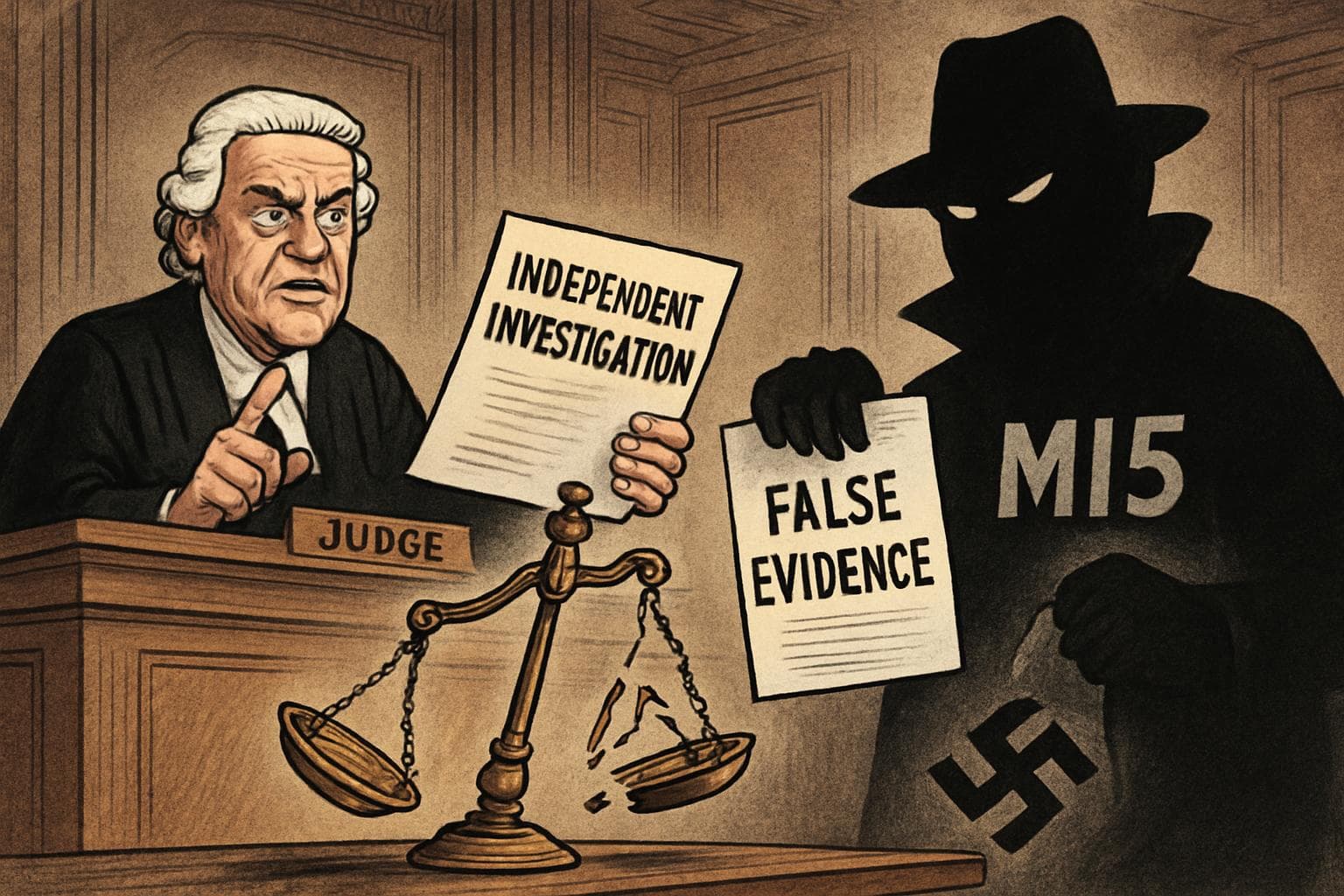
The High Court has ordered a comprehensive and independent investigation into MI5 after it was found to have provided false evidence in multiple court cases concerning a neo-Nazi informant. This decision follows the rejection of two previous internal inquiries deemed "seriously deficient" by the court.
Background of the Case
The controversy began when the BBC revealed that MI5 had misled three courts regarding a neo-Nazi informant, known only as X, who had engaged in violent behavior, including a machete attack on his girlfriend. The BBC's investigation, led by journalist Daniel De Simone, uncovered evidence that contradicted MI5's claims of adhering to its core secrecy policy of neither confirming nor denying the informant's status.
Court's Decision and MI5's Response
A panel of senior judges, including Lady Chief Justice Baroness Sue Carr, emphasized the need for a "robust and independent" inquiry, to be conducted by the Investigatory Powers Commissioner, Sir Brian Leveson. The court's judgment criticized MI5's previous investigations for their procedural shortcomings and expressed hope that such events would not recur.
MI5's director general, Ken McCallum, issued a "full and unreserved apology" for the agency's errors and pledged full cooperation with the new investigation. He stressed the importance of maintaining the trust of the courts as essential to MI5's mission of national security.
Implications for the Security Service
The case has become a significant test of MI5's credibility and the integrity of its evidence. The court's decision to involve the Investigatory Powers Commissioner underscores the seriousness of the allegations and the need for an external review. Sir Brian Leveson has indicated that he will await direction from the Prime Minister before proceeding with the inquiry.
Kate Ellis, representing the informant's girlfriend, Beth, described the court's judgment as a "clear rejection" of MI5's explanations and a warning to the agency to cooperate with further investigations. The case has also prompted MI5 to consider disciplinary actions against its staff and to commission an external review by Jonathan Jones KC.
WHAT THIS MIGHT MEAN
The High Court's decision to order a new investigation into MI5's conduct could have significant legal and political ramifications. If the inquiry finds evidence of deliberate wrongdoing, it may lead to contempt of court proceedings against individuals within the agency. This could further erode public trust in MI5 and prompt calls for greater oversight of the security services.
Politically, the case may lead to increased scrutiny of the government's handling of national security matters and the balance between secrecy and accountability. The involvement of the Investigatory Powers Commissioner suggests a move towards more transparent oversight, which could set a precedent for future cases involving intelligence agencies.
Related Articles

Supreme Court Ruling Expands Compensation for Children Injured at Birth
Allegations of Unlawful Reporting Methods in Stephen Lawrence Case Denied by Ex-Daily Mail Reporter
High Court Ruling Delays Trial of Pro-Palestine Activists

BBC Faces Major Budget Cuts Amid Declining Licence Fee Income

Noel Clarke Arrested Over 2007 Attempted Rape Allegation

Paul Dacre Denies "Preposterous" Hacking Allegations in High-Profile Privacy Case
High Court Orders New Inquiry into MI5's False Evidence in Neo-Nazi Informant Case
In This Article
 Ethan Brooks| Published
 HIGHLIGHTS
- The High Court has mandated a new investigation into MI5 after it provided false evidence in cases involving a neo-Nazi informant.
- MI5's director general, Ken McCallum, issued a full apology, acknowledging errors in the agency's handling of the case.
- The Investigatory Powers Commissioner, Sir Brian Leveson, is set to lead the new inquiry, following the court's rejection of previous internal reviews.
- The case centers on a neo-Nazi informant, known as X, who was involved in violent acts, including an attack on his girlfriend.
- The court's decision highlights serious procedural deficiencies in MI5's previous investigations and raises questions about potential contempt of court proceedings.
The High Court has ordered a comprehensive and independent investigation into MI5 after it was found to have provided false evidence in multiple court cases concerning a neo-Nazi informant. This decision follows the rejection of two previous internal inquiries deemed "seriously deficient" by the court.
Background of the Case
The controversy began when the BBC revealed that MI5 had misled three courts regarding a neo-Nazi informant, known only as X, who had engaged in violent behavior, including a machete attack on his girlfriend. The BBC's investigation, led by journalist Daniel De Simone, uncovered evidence that contradicted MI5's claims of adhering to its core secrecy policy of neither confirming nor denying the informant's status.
Court's Decision and MI5's Response
A panel of senior judges, including Lady Chief Justice Baroness Sue Carr, emphasized the need for a "robust and independent" inquiry, to be conducted by the Investigatory Powers Commissioner, Sir Brian Leveson. The court's judgment criticized MI5's previous investigations for their procedural shortcomings and expressed hope that such events would not recur.
MI5's director general, Ken McCallum, issued a "full and unreserved apology" for the agency's errors and pledged full cooperation with the new investigation. He stressed the importance of maintaining the trust of the courts as essential to MI5's mission of national security.
Implications for the Security Service
The case has become a significant test of MI5's credibility and the integrity of its evidence. The court's decision to involve the Investigatory Powers Commissioner underscores the seriousness of the allegations and the need for an external review. Sir Brian Leveson has indicated that he will await direction from the Prime Minister before proceeding with the inquiry.
Kate Ellis, representing the informant's girlfriend, Beth, described the court's judgment as a "clear rejection" of MI5's explanations and a warning to the agency to cooperate with further investigations. The case has also prompted MI5 to consider disciplinary actions against its staff and to commission an external review by Jonathan Jones KC.
WHAT THIS MIGHT MEAN
The High Court's decision to order a new investigation into MI5's conduct could have significant legal and political ramifications. If the inquiry finds evidence of deliberate wrongdoing, it may lead to contempt of court proceedings against individuals within the agency. This could further erode public trust in MI5 and prompt calls for greater oversight of the security services.
Politically, the case may lead to increased scrutiny of the government's handling of national security matters and the balance between secrecy and accountability. The involvement of the Investigatory Powers Commissioner suggests a move towards more transparent oversight, which could set a precedent for future cases involving intelligence agencies.
Related Articles
Supreme Court Ruling Expands Compensation for Children Injured at Birth
Allegations of Unlawful Reporting Methods in Stephen Lawrence Case Denied by Ex-Daily Mail Reporter
High Court Ruling Delays Trial of Pro-Palestine Activists
BBC Faces Major Budget Cuts Amid Declining Licence Fee Income
Noel Clarke Arrested Over 2007 Attempted Rape Allegation
Paul Dacre Denies "Preposterous" Hacking Allegations in High-Profile Privacy Case