
High Court Orders Mike Lynch's Estate to Pay £700 Million to Hewlett Packard Enterprise
In This Article
HIGHLIGHTS
- The High Court ruled that Mike Lynch's estate and his business partner owe Hewlett Packard Enterprise over £700 million due to financial misrepresentation during the Autonomy acquisition.
- Lynch, who died in a yacht accident last year, was previously acquitted of related fraud charges in the US, but his estate now faces potential bankruptcy.
- The court found that HPE overpaid for Autonomy by more than £646 million due to undisclosed financial issues, with additional claims for deceit totaling £51.7 million.
- The ruling was delayed due to Lynch's tragic death, which occurred while celebrating his acquittal on his yacht off the coast of Sicily.
- HPE's original damages claim of $4.55 billion was deemed exaggerated by the court, which acknowledged some validity in Lynch's defense.
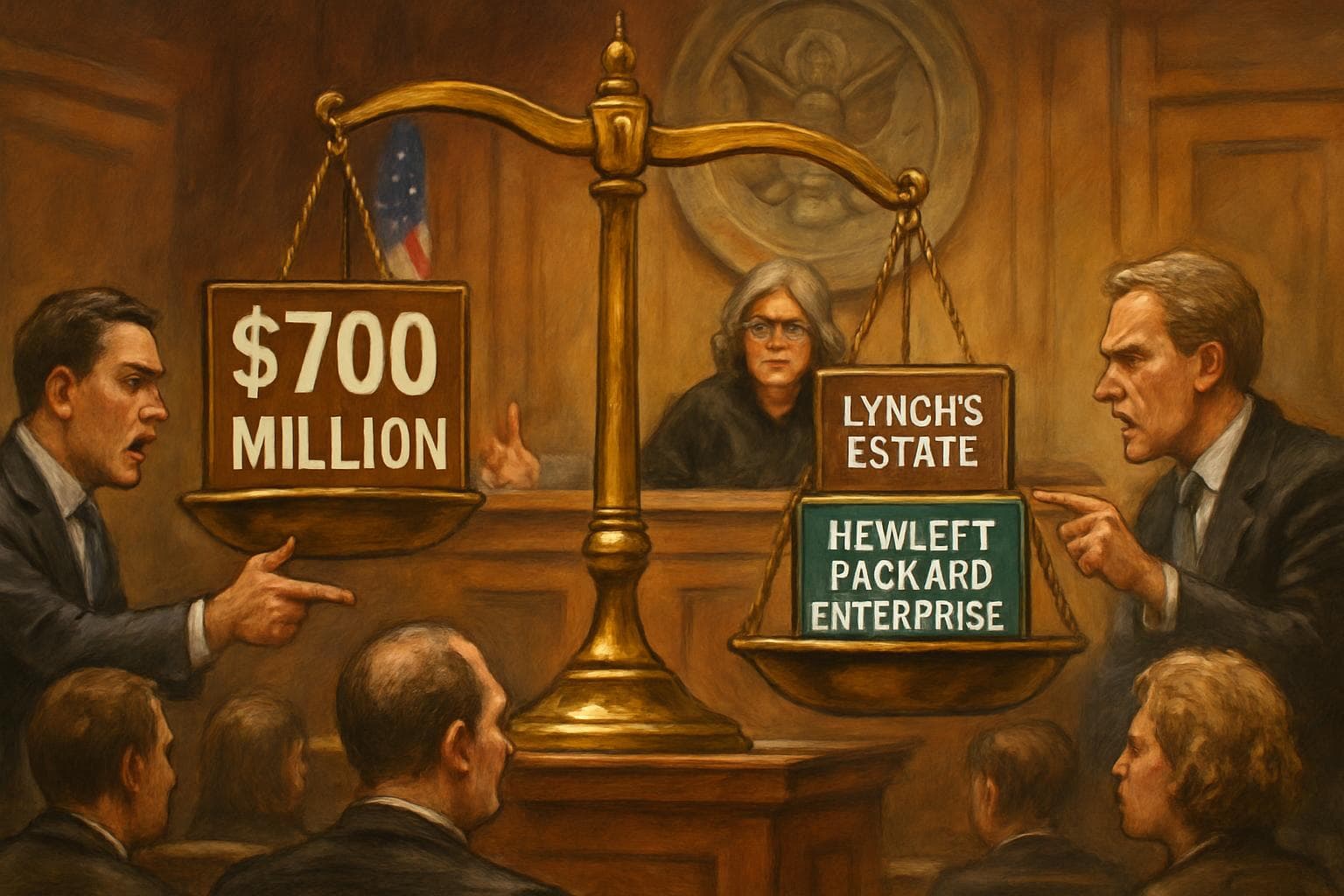
The High Court has ruled that the estate of the late tech entrepreneur Mike Lynch and his business partner owe Hewlett Packard Enterprise (HPE) over £700 million. This decision stems from allegations of financial misrepresentation during HPE's acquisition of Lynch's software company, Autonomy, in 2011.
Background of the Acquisition
HPE purchased Autonomy for $11.1 billion in 2011, a deal that quickly soured as the company later wrote down Autonomy's value by $8.8 billion, citing "serious accounting improprieties." The US technology giant accused Lynch and Autonomy's former chief financial officer, Sushovan Hussain, of inflating the company's value, leading to a protracted legal battle.
Court's Findings and Financial Implications
In a recent ruling, the High Court determined that HPE overpaid by more than £646 million due to undisclosed financial issues at Autonomy. Additionally, the court awarded HPE £51.7 million for personal claims of deceit and misrepresentation against Lynch and Hussain. The ruling noted that HPE's initial damages claim of $4.55 billion was exaggerated, acknowledging some merit in Lynch's defense.
Tragic Turn of Events
The court's decision was delayed following the tragic death of Lynch, who perished in a yacht accident off the coast of Sicily last year. Lynch, along with his teenage daughter and five others, died when their yacht, the Bayesian, capsized during a storm. The incident occurred while Lynch was celebrating his acquittal on related fraud charges in the US.
Reactions and Next Steps
HPE expressed satisfaction with the ruling, viewing it as a step towards resolving the long-standing dispute. A further hearing is scheduled for November to finalize the damages amount. Meanwhile, Lynch's estate, estimated at around £500 million, faces potential bankruptcy due to the financial obligations imposed by the court.
WHAT THIS MIGHT MEAN
The High Court's ruling against Mike Lynch's estate marks a significant development in the long-running legal saga surrounding the Autonomy acquisition. As the case progresses, the upcoming hearing in November will be crucial in determining the final damages owed to HPE. The financial strain on Lynch's estate could lead to further legal and financial maneuvers, potentially impacting the beneficiaries of his estate.
This case also highlights the complexities of cross-border legal disputes, particularly in the tech industry, where valuations can be contentious. The court's acknowledgment of the exaggerated nature of HPE's initial claim may influence future corporate litigation strategies, emphasizing the importance of accurate financial disclosures in major acquisitions.
Related Articles

Sicilian Man Trains Dog for Illegal Rubbish Dumping, Faces Fine

Supreme Court Ruling Expands Compensation for Children Injured at Birth

Allegations of Unlawful Reporting Methods in Stephen Lawrence Case Denied by Ex-Daily Mail Reporter
High Court Upholds Met Police's Freemasons Disclosure Policy

High Court Ruling Delays Trial of Pro-Palestine Activists

High Court Upholds Guidance on Single-Sex Spaces Amidst Transgender Rights Debate
High Court Orders Mike Lynch's Estate to Pay £700 Million to Hewlett Packard Enterprise
In This Article
 Daniel Rivera| Published
 HIGHLIGHTS
- The High Court ruled that Mike Lynch's estate and his business partner owe Hewlett Packard Enterprise over £700 million due to financial misrepresentation during the Autonomy acquisition.
- Lynch, who died in a yacht accident last year, was previously acquitted of related fraud charges in the US, but his estate now faces potential bankruptcy.
- The court found that HPE overpaid for Autonomy by more than £646 million due to undisclosed financial issues, with additional claims for deceit totaling £51.7 million.
- The ruling was delayed due to Lynch's tragic death, which occurred while celebrating his acquittal on his yacht off the coast of Sicily.
- HPE's original damages claim of $4.55 billion was deemed exaggerated by the court, which acknowledged some validity in Lynch's defense.
The High Court has ruled that the estate of the late tech entrepreneur Mike Lynch and his business partner owe Hewlett Packard Enterprise (HPE) over £700 million. This decision stems from allegations of financial misrepresentation during HPE's acquisition of Lynch's software company, Autonomy, in 2011.
Background of the Acquisition
HPE purchased Autonomy for $11.1 billion in 2011, a deal that quickly soured as the company later wrote down Autonomy's value by $8.8 billion, citing "serious accounting improprieties." The US technology giant accused Lynch and Autonomy's former chief financial officer, Sushovan Hussain, of inflating the company's value, leading to a protracted legal battle.
Court's Findings and Financial Implications
In a recent ruling, the High Court determined that HPE overpaid by more than £646 million due to undisclosed financial issues at Autonomy. Additionally, the court awarded HPE £51.7 million for personal claims of deceit and misrepresentation against Lynch and Hussain. The ruling noted that HPE's initial damages claim of $4.55 billion was exaggerated, acknowledging some merit in Lynch's defense.
Tragic Turn of Events
The court's decision was delayed following the tragic death of Lynch, who perished in a yacht accident off the coast of Sicily last year. Lynch, along with his teenage daughter and five others, died when their yacht, the Bayesian, capsized during a storm. The incident occurred while Lynch was celebrating his acquittal on related fraud charges in the US.
Reactions and Next Steps
HPE expressed satisfaction with the ruling, viewing it as a step towards resolving the long-standing dispute. A further hearing is scheduled for November to finalize the damages amount. Meanwhile, Lynch's estate, estimated at around £500 million, faces potential bankruptcy due to the financial obligations imposed by the court.
WHAT THIS MIGHT MEAN
The High Court's ruling against Mike Lynch's estate marks a significant development in the long-running legal saga surrounding the Autonomy acquisition. As the case progresses, the upcoming hearing in November will be crucial in determining the final damages owed to HPE. The financial strain on Lynch's estate could lead to further legal and financial maneuvers, potentially impacting the beneficiaries of his estate.
This case also highlights the complexities of cross-border legal disputes, particularly in the tech industry, where valuations can be contentious. The court's acknowledgment of the exaggerated nature of HPE's initial claim may influence future corporate litigation strategies, emphasizing the importance of accurate financial disclosures in major acquisitions.
Related Articles
Sicilian Man Trains Dog for Illegal Rubbish Dumping, Faces Fine
Supreme Court Ruling Expands Compensation for Children Injured at Birth
Allegations of Unlawful Reporting Methods in Stephen Lawrence Case Denied by Ex-Daily Mail Reporter
High Court Upholds Met Police's Freemasons Disclosure Policy
High Court Ruling Delays Trial of Pro-Palestine Activists
High Court Upholds Guidance on Single-Sex Spaces Amidst Transgender Rights Debate