
The Lingering Shadows of Hiroshima: Korean Survivors and the Fight for Recognition
In This Article
HIGHLIGHTS
- On August 6, 1945, the US dropped an atomic bomb on Hiroshima, killing approximately 70,000 people instantly.
- About 20% of the immediate victims were Koreans, many of whom were in Hiroshima due to forced labor under Japanese colonial rule.
- Survivors, known as hibakusha, continue to suffer from long-term health issues and face a struggle for recognition and justice.
- The legacy of the bombings is fading as the number of living witnesses dwindles, prompting efforts to preserve their memories.
- The bombings of Hiroshima and Nagasaki led to Japan's surrender on August 15, 1945, ending World War II.
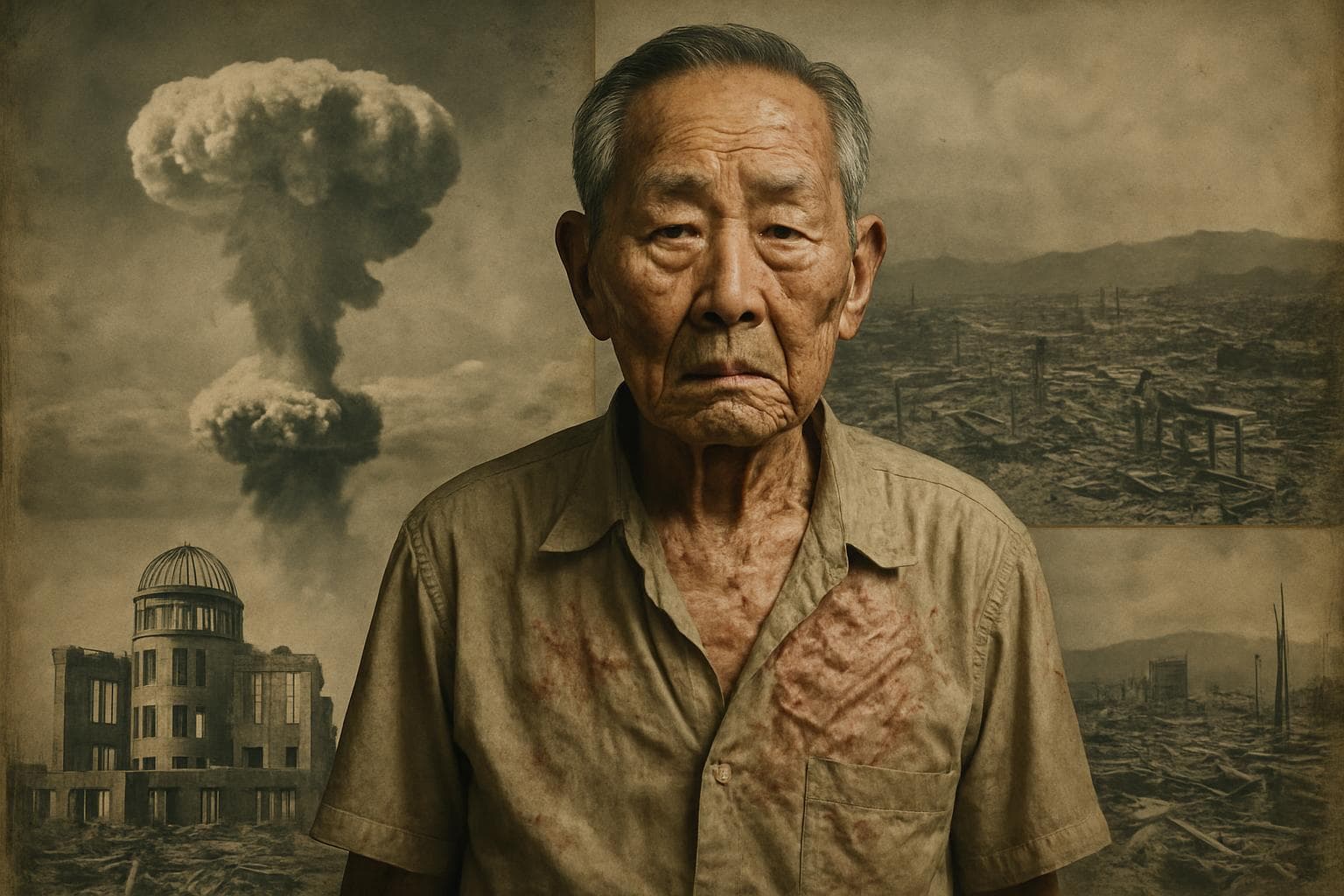
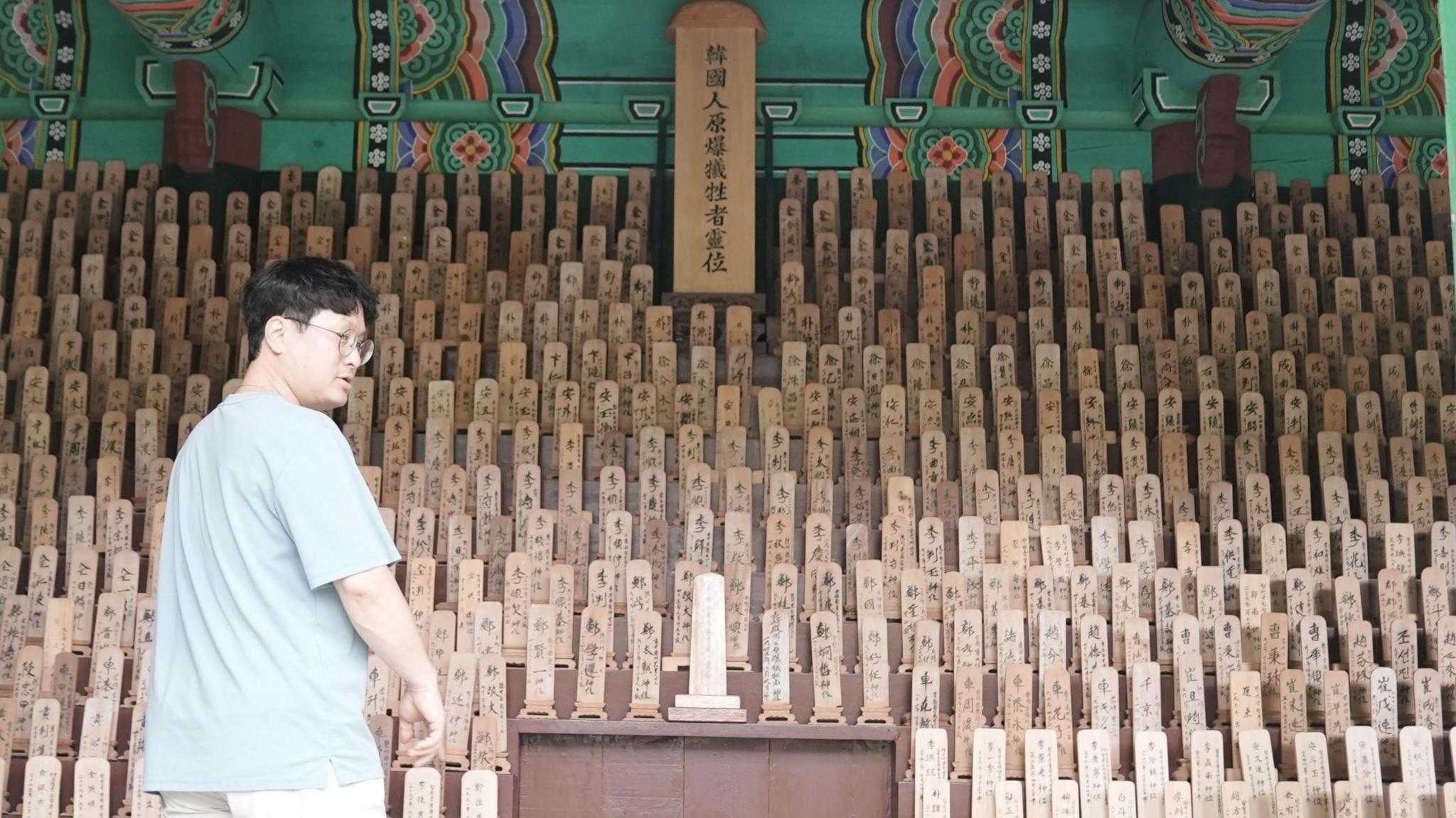
On August 6, 1945, at precisely 8:15 a.m., the city of Hiroshima was forever altered when the United States dropped the first atomic bomb, "Little Boy," resulting in the immediate deaths of approximately 70,000 people. Among the victims were a significant number of Koreans, who comprised about 20% of those killed instantly. These individuals were in Hiroshima largely due to forced labor and colonial exploitation under Japanese rule.
Survivors' Struggles and Health Challenges
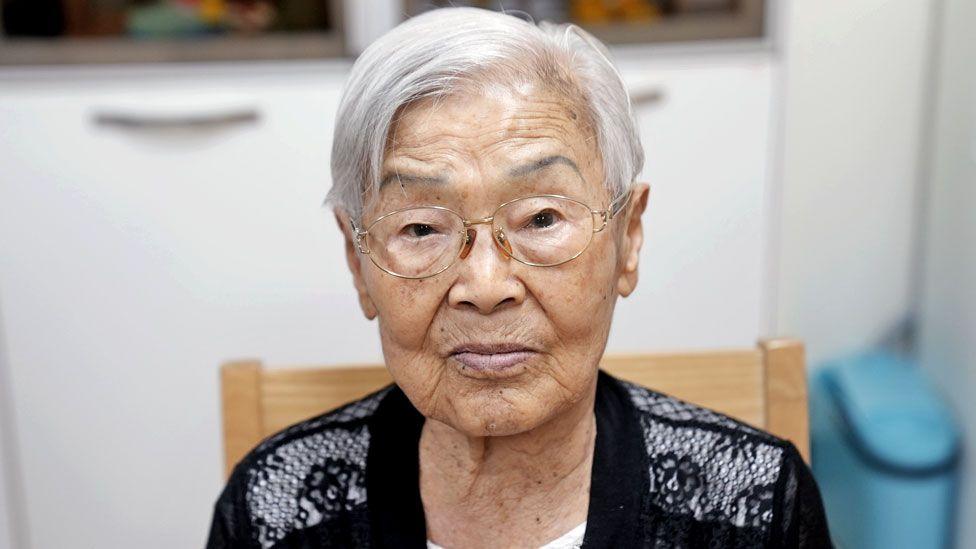
Survivors, known as hibakusha, have endured decades of physical and emotional scars. Lee Jung-soon, now 88, recalls the devastation vividly, describing bodies "melted away so only their eyes were visible." The blast, equivalent to 15,000 tons of TNT, left a city of 420,000 in ruins. Lee, like many others, continues to battle health issues such as skin cancer and Parkinson's disease, conditions she attributes to radiation exposure. Her son, Ho-chang, also suffers from kidney failure, a condition he believes is linked to the bomb's aftermath.
The Fight for Justice and Recognition
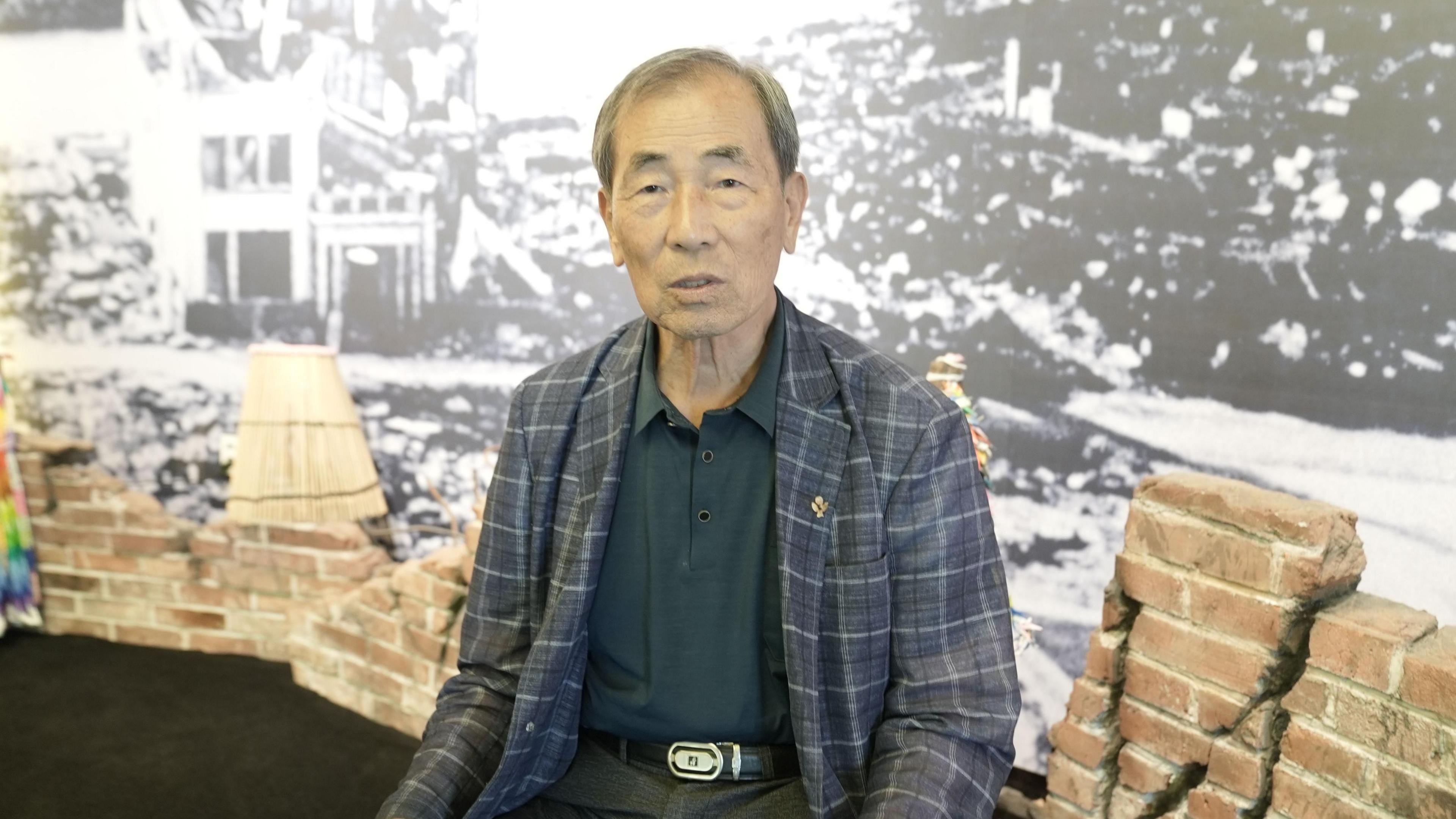
The quest for justice remains unresolved for many Korean survivors. Shim Jin-tae, an 83-year-old survivor, voices frustration over the lack of accountability from the nations involved. "America never apologized. Japan pretends not to know. Korea is no better," Shim laments. The survivors' plight is compounded by the fading legacy of Hiroshima, as the number of living witnesses dwindles, leaving younger generations to carry forward their stories.
Preserving Memories Amidst a Fading Legacy
As Hiroshima marks 80 years since the bombing, efforts to preserve the memories of hibakusha are intensifying. Yoshiko Niiyama, who was just 10 years old at the time, recalls the harrowing scenes she witnessed two days after the attack. Despite the trauma, she remained silent for decades, fearing discrimination. Today, the responsibility of sharing these stories increasingly falls on younger generations, as the world grapples with the implications of nuclear warfare.
WHAT THIS MIGHT MEAN
As the number of hibakusha dwindles, the urgency to document their experiences grows. This preservation of memory is crucial not only for historical accuracy but also as a cautionary tale in an era of renewed nuclear tensions. The lack of formal apologies and recognition from involved nations continues to be a contentious issue, potentially influencing diplomatic relations in the region. Moving forward, the stories of survivors like Lee and Niiyama serve as poignant reminders of the human cost of nuclear conflict, urging global leaders to prioritize disarmament and peace.
Images from the Web
Related Articles
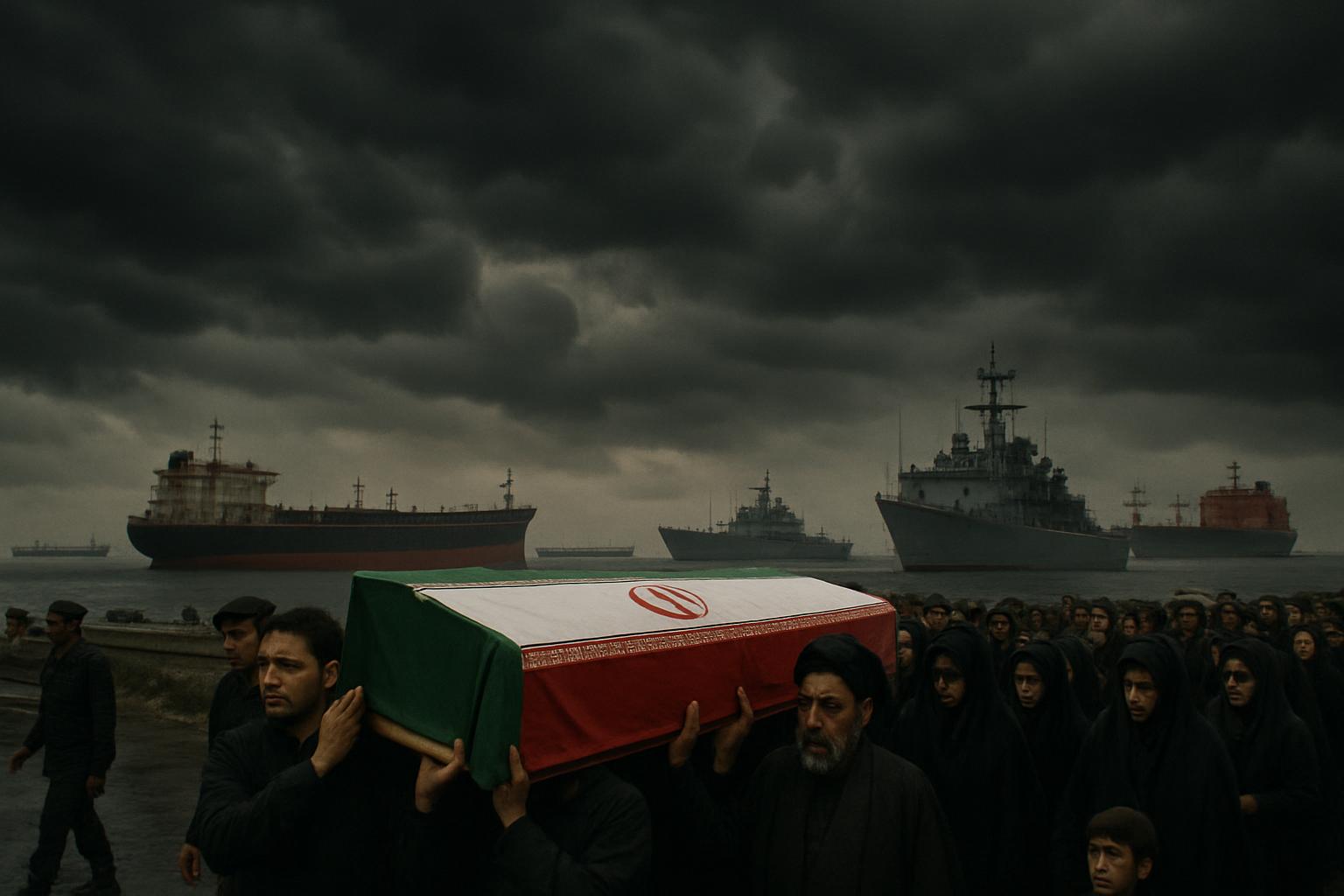
Iran Postpones Khamenei Funeral Amid Escalating US-Israeli Strikes
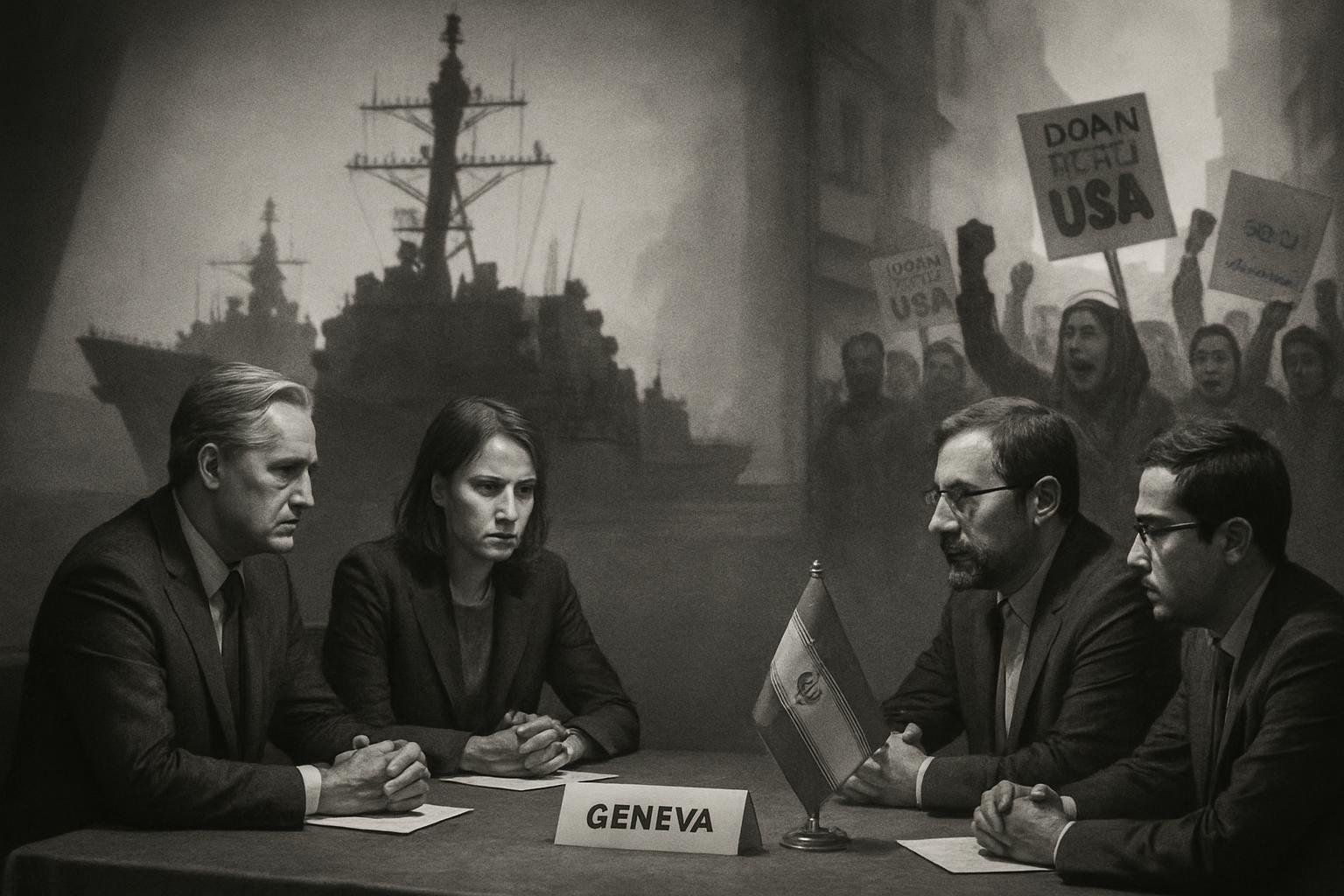
US-Iran Tensions Escalate Amid Renewed Nuclear Talks and Protests
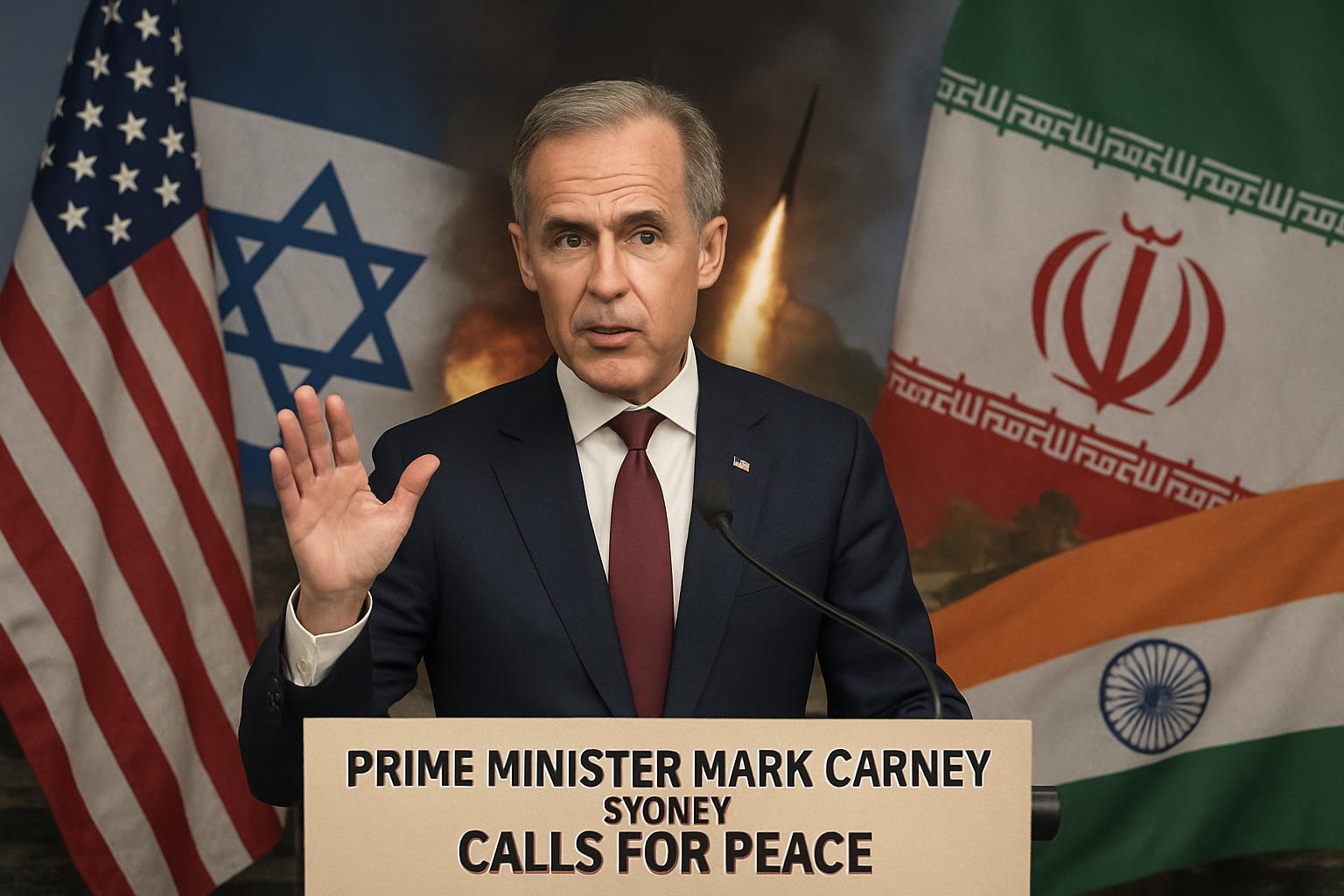
Canada Calls for De-escalation Amid US-Israel Strikes on Iran

US Supreme Court Ruling Sparks Trade Uncertainty in Asia and Beyond

Trump's New Tariff Strategy Sparks Global Trade Uncertainty
Iranian Students Lead Major Protests Amid Rising US-Iran Tensions
The Lingering Shadows of Hiroshima: Korean Survivors and the Fight for Recognition
In This Article
 Ethan Brooks| Published
 HIGHLIGHTS
- On August 6, 1945, the US dropped an atomic bomb on Hiroshima, killing approximately 70,000 people instantly.
- About 20% of the immediate victims were Koreans, many of whom were in Hiroshima due to forced labor under Japanese colonial rule.
- Survivors, known as hibakusha, continue to suffer from long-term health issues and face a struggle for recognition and justice.
- The legacy of the bombings is fading as the number of living witnesses dwindles, prompting efforts to preserve their memories.
- The bombings of Hiroshima and Nagasaki led to Japan's surrender on August 15, 1945, ending World War II.
On August 6, 1945, at precisely 8:15 a.m., the city of Hiroshima was forever altered when the United States dropped the first atomic bomb, "Little Boy," resulting in the immediate deaths of approximately 70,000 people. Among the victims were a significant number of Koreans, who comprised about 20% of those killed instantly. These individuals were in Hiroshima largely due to forced labor and colonial exploitation under Japanese rule.
Survivors' Struggles and Health Challenges
Survivors, known as hibakusha, have endured decades of physical and emotional scars. Lee Jung-soon, now 88, recalls the devastation vividly, describing bodies "melted away so only their eyes were visible." The blast, equivalent to 15,000 tons of TNT, left a city of 420,000 in ruins. Lee, like many others, continues to battle health issues such as skin cancer and Parkinson's disease, conditions she attributes to radiation exposure. Her son, Ho-chang, also suffers from kidney failure, a condition he believes is linked to the bomb's aftermath.
The Fight for Justice and Recognition
The quest for justice remains unresolved for many Korean survivors. Shim Jin-tae, an 83-year-old survivor, voices frustration over the lack of accountability from the nations involved. "America never apologized. Japan pretends not to know. Korea is no better," Shim laments. The survivors' plight is compounded by the fading legacy of Hiroshima, as the number of living witnesses dwindles, leaving younger generations to carry forward their stories.
Preserving Memories Amidst a Fading Legacy
As Hiroshima marks 80 years since the bombing, efforts to preserve the memories of hibakusha are intensifying. Yoshiko Niiyama, who was just 10 years old at the time, recalls the harrowing scenes she witnessed two days after the attack. Despite the trauma, she remained silent for decades, fearing discrimination. Today, the responsibility of sharing these stories increasingly falls on younger generations, as the world grapples with the implications of nuclear warfare.
WHAT THIS MIGHT MEAN
As the number of hibakusha dwindles, the urgency to document their experiences grows. This preservation of memory is crucial not only for historical accuracy but also as a cautionary tale in an era of renewed nuclear tensions. The lack of formal apologies and recognition from involved nations continues to be a contentious issue, potentially influencing diplomatic relations in the region. Moving forward, the stories of survivors like Lee and Niiyama serve as poignant reminders of the human cost of nuclear conflict, urging global leaders to prioritize disarmament and peace.
Images from the Web
Related Articles
Iran Postpones Khamenei Funeral Amid Escalating US-Israeli Strikes
US-Iran Tensions Escalate Amid Renewed Nuclear Talks and Protests
Canada Calls for De-escalation Amid US-Israel Strikes on Iran
US Supreme Court Ruling Sparks Trade Uncertainty in Asia and Beyond
Trump's New Tariff Strategy Sparks Global Trade Uncertainty
Iranian Students Lead Major Protests Amid Rising US-Iran Tensions