
ICC Issues Arrest Warrants for Taliban Leaders Over Gender-Based Persecution
In This Article
HIGHLIGHTS
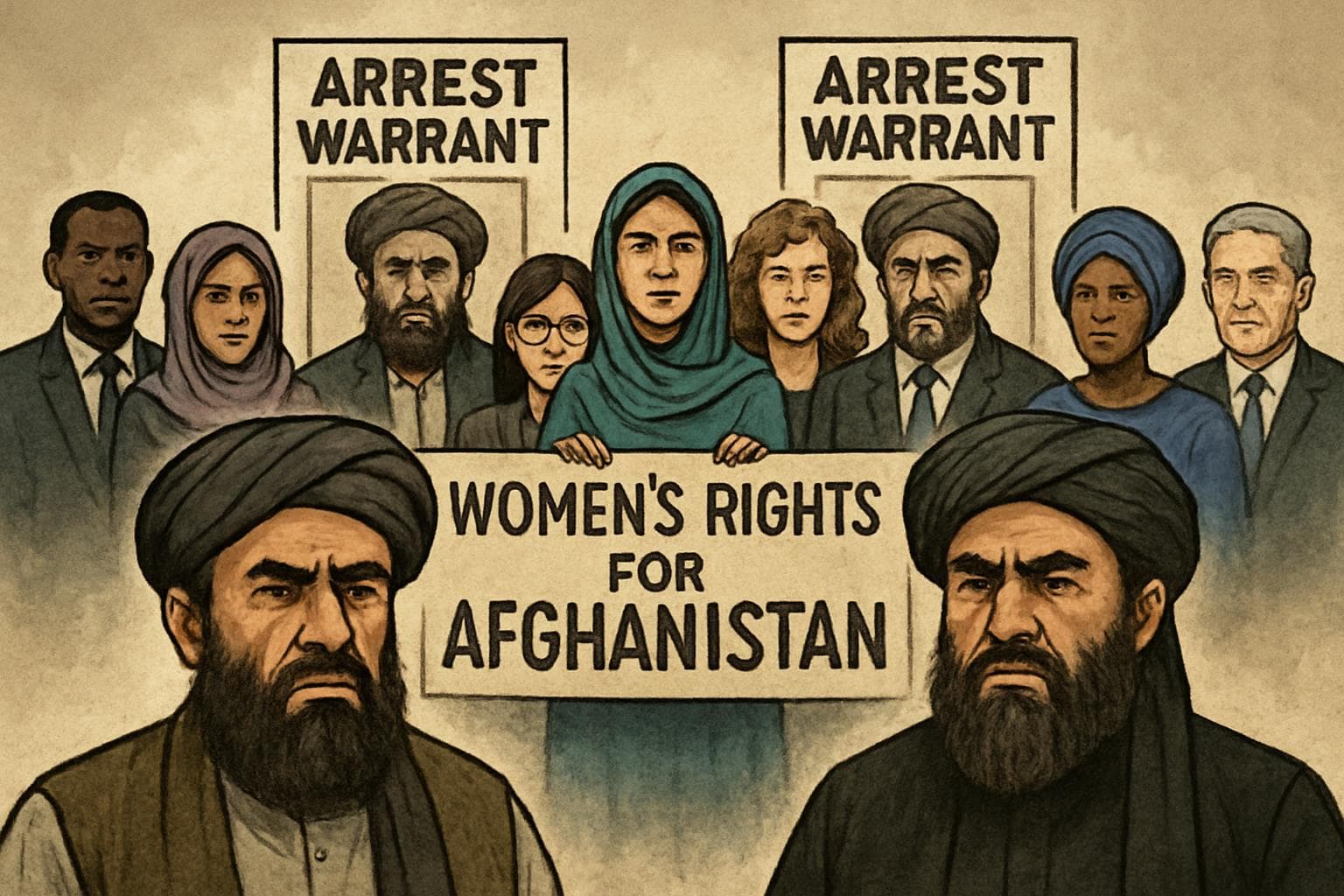
- The International Criminal Court (ICC) has issued arrest warrants for Taliban leaders Haibatullah Akhundzada and Abdul Hakim Haqqani, accusing them of crimes against humanity for persecuting women and girls.
- The charges include depriving women of education, privacy, and freedoms of movement, expression, and religion since the Taliban's return to power in 2021.
- The Taliban dismissed the ICC's actions, claiming they do not recognize the court and labeling the warrants as hostile acts against Islamic beliefs.
- Human rights organizations have welcomed the warrants, urging the international community to support the ICC in enforcing them.
- The UN and other groups have described the Taliban's policies as "gender apartheid," calling for global recognition of such acts as crimes under international law.
The International Criminal Court (ICC) has taken a significant step in the fight for women's rights in Afghanistan by issuing arrest warrants for two senior Taliban leaders. Haibatullah Akhundzada, the Taliban's supreme leader, and Abdul Hakim Haqqani, the chief justice, are accused of crimes against humanity for their roles in the systemic persecution of women and girls since the Taliban's resurgence in 2021.
Allegations of Gender-Based Crimes
The ICC's charges against Akhundzada and Haqqani include the deprivation of fundamental rights such as education, privacy, and freedoms of movement, expression, and religion. These actions have been described by the United Nations as tantamount to "gender apartheid," a term used to highlight the severity of the Taliban's gender-based oppression. Afghan women have faced severe restrictions, including bans on secondary education and employment, as well as limitations on their presence in public spaces.
Taliban's Response and International Reactions
In response to the ICC's announcement, the Taliban dismissed the court's authority, labeling the warrants as "hostile acts" against Islamic beliefs. Despite this, human rights organizations have praised the ICC's move. Liz Evenson, Human Rights Watch’s international justice director, emphasized the importance of holding senior Taliban leaders accountable for their alleged persecution of women and girls.
Broader Implications and Calls for Action
The ICC's actions have sparked calls from human rights groups for the international community to support the enforcement of these warrants. Amnesty International and other organizations are advocating for the recognition of gender apartheid as a crime under international law. Tahera Nasiri, an Afghan women's rights activist, expressed hope that the warrants would bring global attention to the plight of Afghan women, stating, "They are no longer just leaders of Afghanistan, they are wanted men."
WHAT THIS MIGHT MEAN
The issuance of arrest warrants by the ICC marks a pivotal moment in the international community's stance against gender-based persecution in Afghanistan. However, the practical enforcement of these warrants remains uncertain, given the Taliban's non-recognition of the ICC and the lack of an international police force to execute arrests. The situation could lead to increased diplomatic pressure on countries engaging with the Taliban to reconsider their positions.
If the international community rallies behind the ICC's efforts, it could pave the way for broader recognition of gender apartheid as a crime under international law, setting a precedent for future cases. However, the challenge remains in balancing diplomatic relations with the need for accountability and justice for Afghan women and girls.
Related Articles

Pakistan's Airstrikes on Afghanistan Escalate Cross-Border Tensions
Israel's New West Bank Measures Spark Global Outcry

Palestinian-American Teen Killed by Israeli Settlers in West Bank Sparks Calls for Accountability
US-Iran Tensions Escalate Amid Military Buildup and Diplomatic Deadlock
UN Report: Sudan's El Fasher Siege Shows Genocide Hallmarks

Trump's Board of Peace Pledges $7 Billion for Gaza Amidst International Skepticism
ICC Issues Arrest Warrants for Taliban Leaders Over Gender-Based Persecution
In This Article
 James Okoro| Published
 HIGHLIGHTS
- The International Criminal Court (ICC) has issued arrest warrants for Taliban leaders Haibatullah Akhundzada and Abdul Hakim Haqqani, accusing them of crimes against humanity for persecuting women and girls.
- The charges include depriving women of education, privacy, and freedoms of movement, expression, and religion since the Taliban's return to power in 2021.
- The Taliban dismissed the ICC's actions, claiming they do not recognize the court and labeling the warrants as hostile acts against Islamic beliefs.
- Human rights organizations have welcomed the warrants, urging the international community to support the ICC in enforcing them.
- The UN and other groups have described the Taliban's policies as "gender apartheid," calling for global recognition of such acts as crimes under international law.
The International Criminal Court (ICC) has taken a significant step in the fight for women's rights in Afghanistan by issuing arrest warrants for two senior Taliban leaders. Haibatullah Akhundzada, the Taliban's supreme leader, and Abdul Hakim Haqqani, the chief justice, are accused of crimes against humanity for their roles in the systemic persecution of women and girls since the Taliban's resurgence in 2021.
Allegations of Gender-Based Crimes
The ICC's charges against Akhundzada and Haqqani include the deprivation of fundamental rights such as education, privacy, and freedoms of movement, expression, and religion. These actions have been described by the United Nations as tantamount to "gender apartheid," a term used to highlight the severity of the Taliban's gender-based oppression. Afghan women have faced severe restrictions, including bans on secondary education and employment, as well as limitations on their presence in public spaces.
Taliban's Response and International Reactions
In response to the ICC's announcement, the Taliban dismissed the court's authority, labeling the warrants as "hostile acts" against Islamic beliefs. Despite this, human rights organizations have praised the ICC's move. Liz Evenson, Human Rights Watch’s international justice director, emphasized the importance of holding senior Taliban leaders accountable for their alleged persecution of women and girls.
Broader Implications and Calls for Action
The ICC's actions have sparked calls from human rights groups for the international community to support the enforcement of these warrants. Amnesty International and other organizations are advocating for the recognition of gender apartheid as a crime under international law. Tahera Nasiri, an Afghan women's rights activist, expressed hope that the warrants would bring global attention to the plight of Afghan women, stating, "They are no longer just leaders of Afghanistan, they are wanted men."
WHAT THIS MIGHT MEAN
The issuance of arrest warrants by the ICC marks a pivotal moment in the international community's stance against gender-based persecution in Afghanistan. However, the practical enforcement of these warrants remains uncertain, given the Taliban's non-recognition of the ICC and the lack of an international police force to execute arrests. The situation could lead to increased diplomatic pressure on countries engaging with the Taliban to reconsider their positions.
If the international community rallies behind the ICC's efforts, it could pave the way for broader recognition of gender apartheid as a crime under international law, setting a precedent for future cases. However, the challenge remains in balancing diplomatic relations with the need for accountability and justice for Afghan women and girls.
Related Articles
Pakistan's Airstrikes on Afghanistan Escalate Cross-Border Tensions
Israel's New West Bank Measures Spark Global Outcry
Palestinian-American Teen Killed by Israeli Settlers in West Bank Sparks Calls for Accountability
US-Iran Tensions Escalate Amid Military Buildup and Diplomatic Deadlock
UN Report: Sudan's El Fasher Siege Shows Genocide Hallmarks
Trump's Board of Peace Pledges $7 Billion for Gaza Amidst International Skepticism