
India's Historic Return to Space: Axiom Mission 4 Launches with International Crew

In This Article
HIGHLIGHTS
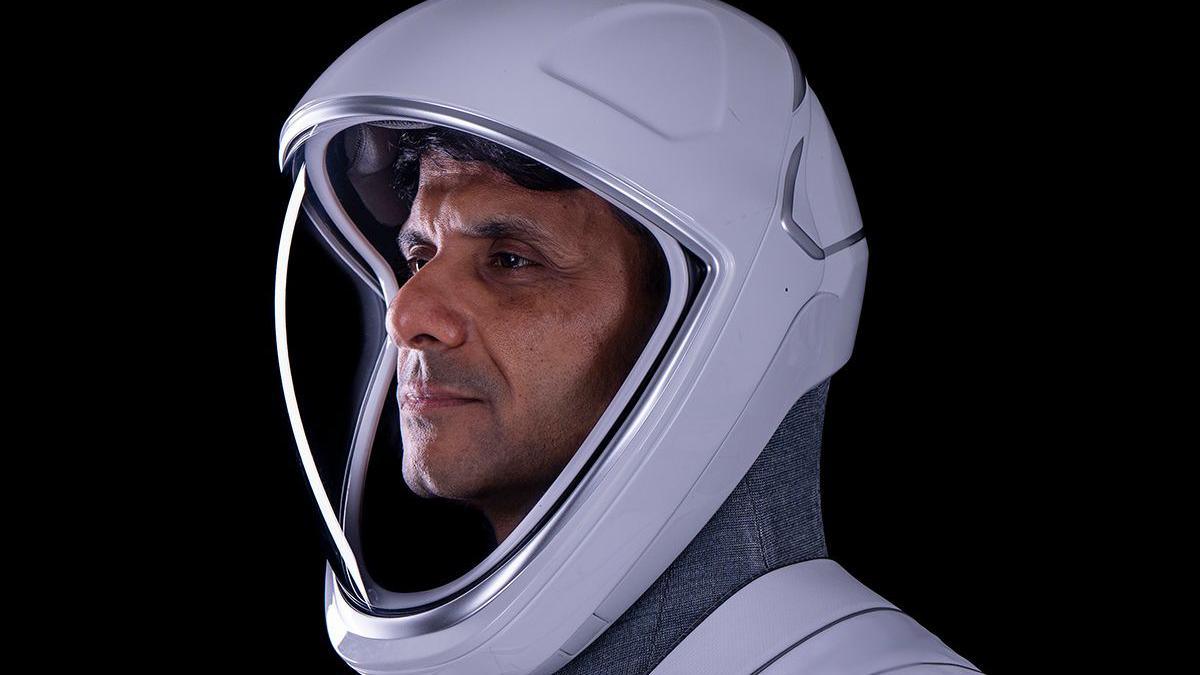
- Group Captain Shubhanshu Shukla becomes the first Indian to visit the International Space Station (ISS) in 41 years, following Rakesh Sharma's 1984 mission.
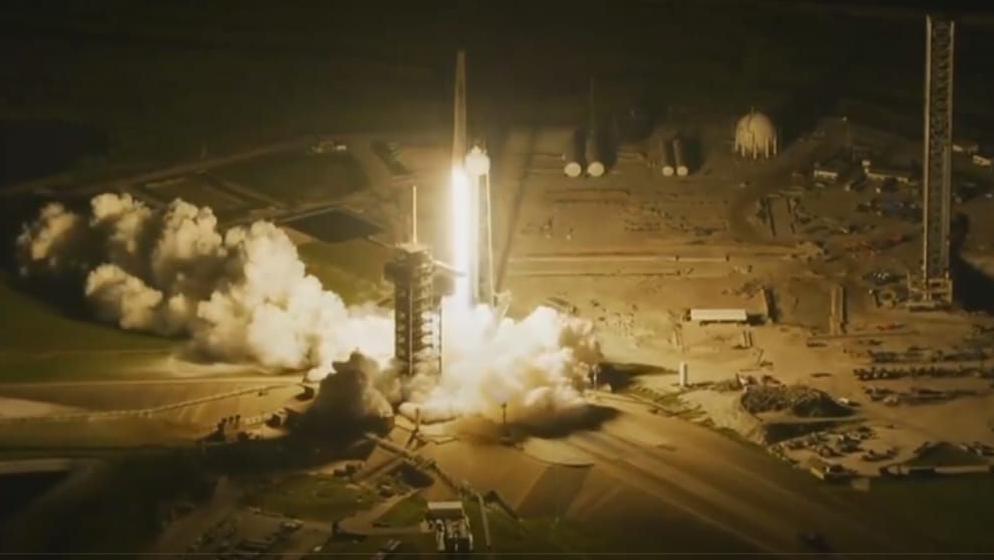
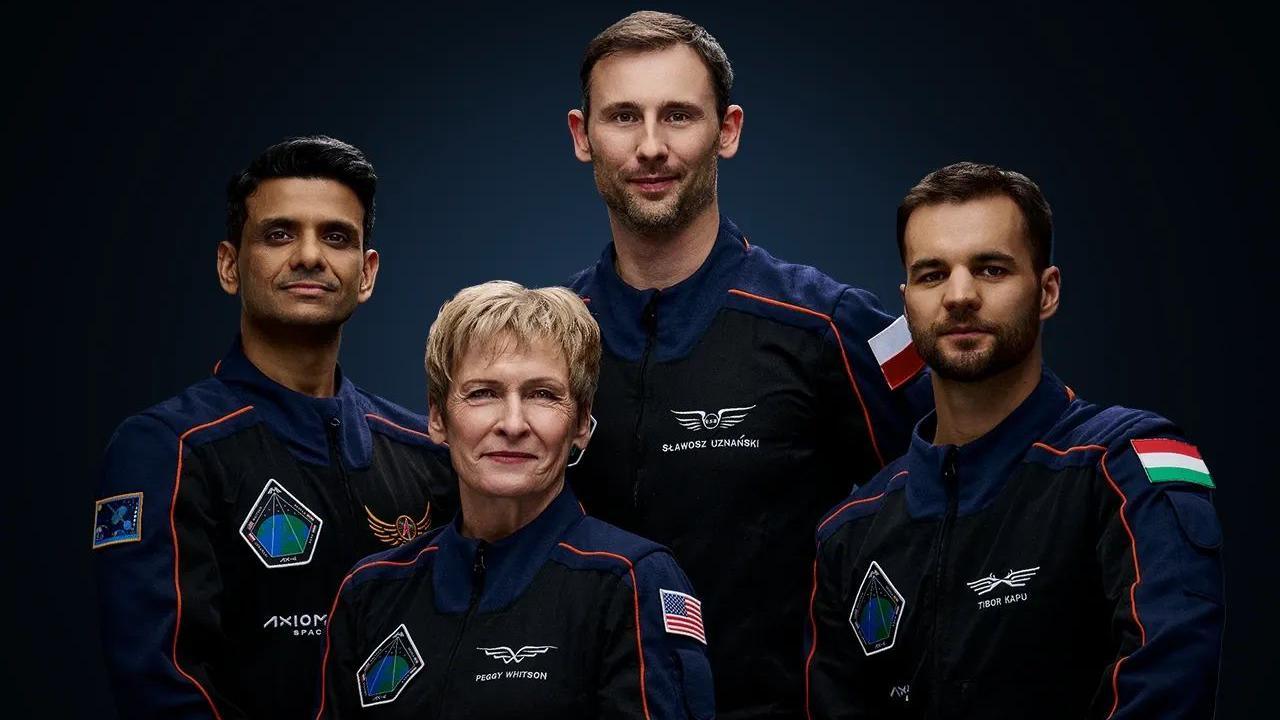
- The Axiom Mission 4 (Ax-4) launched from NASA's Kennedy Space Center, featuring astronauts from India, Poland, and Hungary.
- The mission, a collaboration between NASA, ISRO, ESA, and SpaceX, aims to conduct 60 scientific experiments during its two-week stay at the ISS.
- Indian Prime Minister Narendra Modi praised the mission, highlighting its significance for India's future space endeavors, including the Gaganyaan programme.
- The mission's launch was delayed due to various issues, including a public dispute between Elon Musk and former US President Donald Trump.
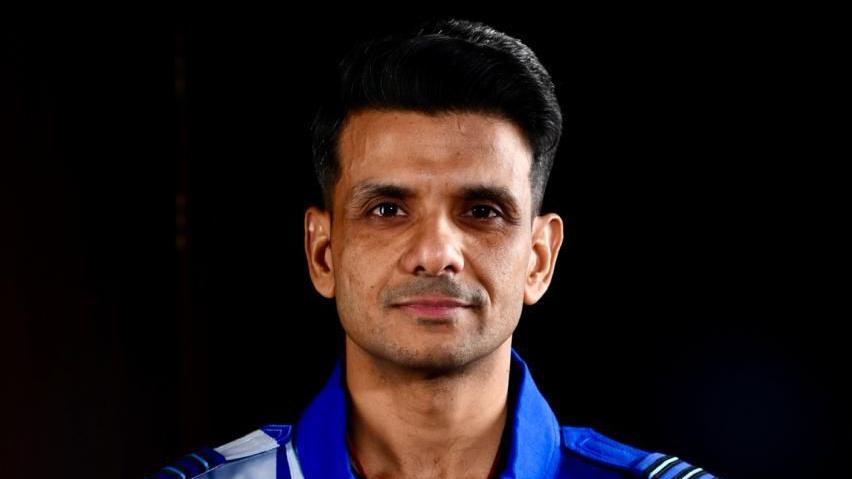
In a landmark event for India's space exploration efforts, Group Captain Shubhanshu Shukla has become the first Indian astronaut in 41 years to journey into space, as part of the Axiom Mission 4 (Ax-4). The mission, which launched from NASA's Kennedy Space Center in Florida, also includes astronauts from Poland and Hungary, marking a significant return to space for these nations after decades.
A Collaborative Space Endeavor
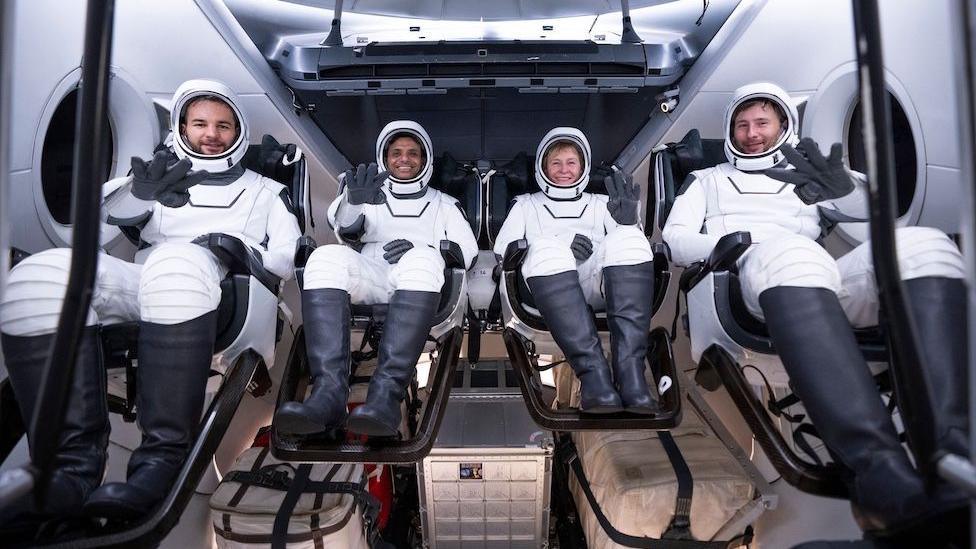
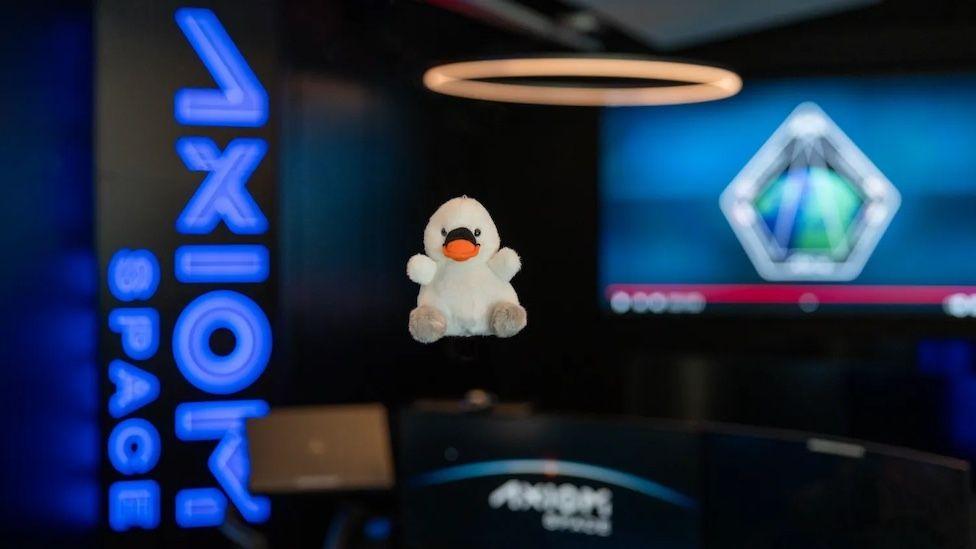
The Ax-4 mission, a commercial spaceflight operated by Axiom Space, is a collaborative effort involving NASA, the Indian Space Research Organisation (ISRO), the European Space Agency (ESA), and SpaceX. The mission is led by Peggy Whitson, a former NASA astronaut with extensive space experience, having spent over 675 days in space and commanded the ISS twice. The crew, traveling aboard a SpaceX Crew Dragon capsule on a Falcon 9 rocket, is set to dock at the ISS for a two-week mission.
A Milestone for India
Group Captain Shukla's participation in the mission has generated significant excitement in India. His journey comes as a precursor to India's ambitious plans to establish a space station by 2035 and send an astronaut to the Moon by 2040. ISRO has invested 5 billion rupees ($59 million) to secure Shukla's seat on the mission, which is seen as a crucial step towards India's own crewed spaceflight under the Gaganyaan programme, scheduled for 2027.
Personal Touches and National Pride
In addition to scientific instruments, Shukla carries personal items, including traditional Indian sweets, to share with his fellow astronauts. The mission has been celebrated across India, with Prime Minister Narendra Modi emphasizing its importance for the nation's space aspirations. "Shukla carries with him the wishes, hopes, and aspirations of 1.4 billion Indians," Modi stated, underscoring the mission's symbolic value.
Overcoming Challenges
The Ax-4 mission faced multiple delays, initially scheduled for early June. The launch was further complicated by a public disagreement between SpaceX CEO Elon Musk and former US President Donald Trump, which threatened SpaceX's federal contracts. Despite these challenges, the mission successfully launched, marking a new chapter in international space collaboration.
WHAT THIS MIGHT MEAN
The successful launch of Axiom Mission 4 could pave the way for increased international cooperation in space exploration, with India, Poland, and Hungary re-establishing their presence in space. For India, this mission serves as a critical stepping stone towards its Gaganyaan programme, potentially enhancing its capabilities in human spaceflight. As the mission progresses, the scientific experiments conducted aboard the ISS could yield valuable insights, furthering the participating countries' space research and technological advancements.
Images from the Web
Related Articles
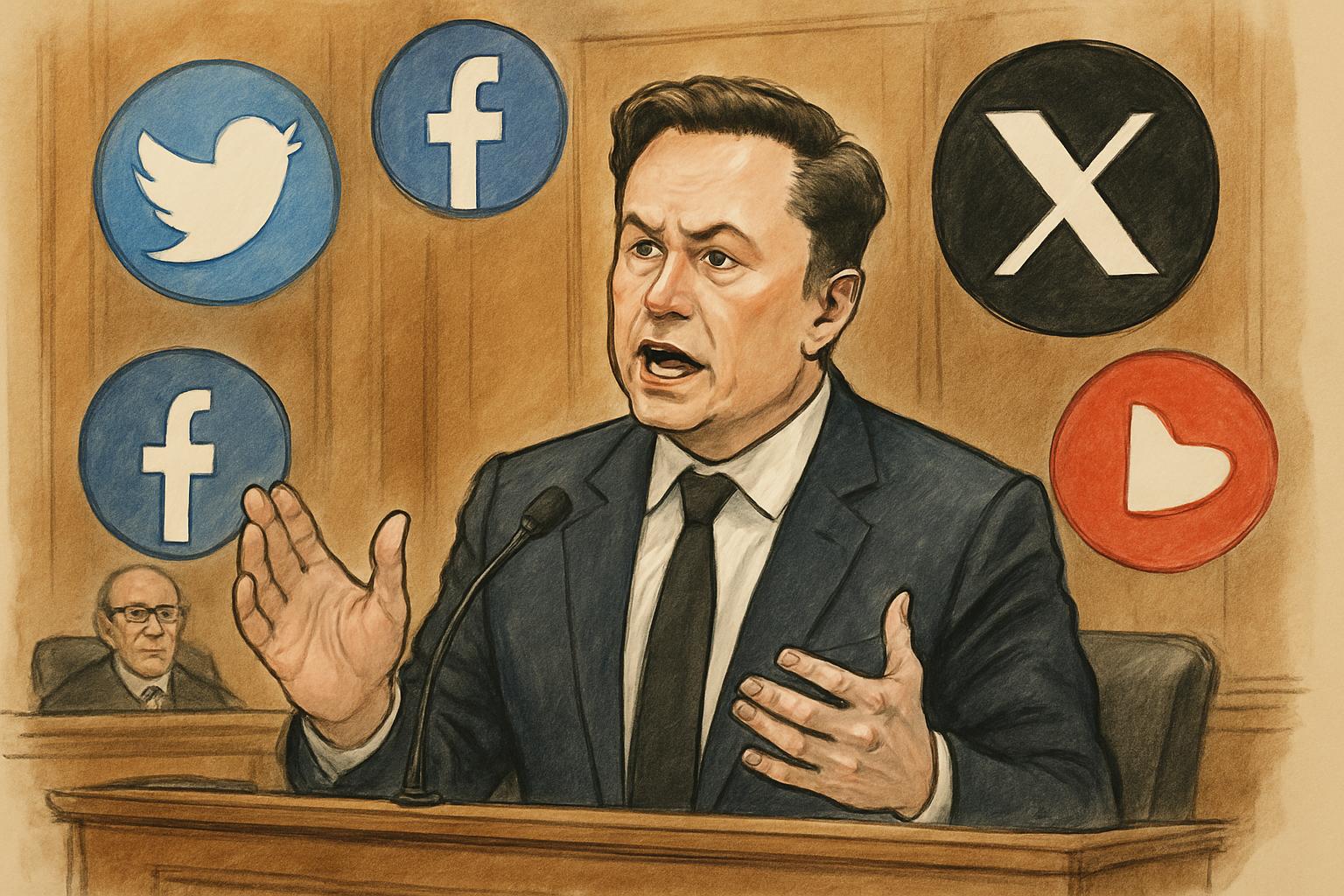
Elon Musk Defends Tweets in Twitter Takeover Trial

US Supreme Court Ruling Sparks Trade Uncertainty in Asia and Beyond
Trump's New Tariff Strategy Sparks Global Trade Uncertainty

Tech Giants Pledge to Cover AI Data Center Energy Costs Amid Rising Electricity Concerns

Congress Subpoenas Attorney General Bondi in Epstein Investigation
Cuba Faces Widespread Blackout Amid Deepening Fuel Crisis
India's Historic Return to Space: Axiom Mission 4 Launches with International Crew
In This Article
 Leila Hassan| Published
 HIGHLIGHTS
- Group Captain Shubhanshu Shukla becomes the first Indian to visit the International Space Station (ISS) in 41 years, following Rakesh Sharma's 1984 mission.
- The Axiom Mission 4 (Ax-4) launched from NASA's Kennedy Space Center, featuring astronauts from India, Poland, and Hungary.
- The mission, a collaboration between NASA, ISRO, ESA, and SpaceX, aims to conduct 60 scientific experiments during its two-week stay at the ISS.
- Indian Prime Minister Narendra Modi praised the mission, highlighting its significance for India's future space endeavors, including the Gaganyaan programme.
- The mission's launch was delayed due to various issues, including a public dispute between Elon Musk and former US President Donald Trump.
In a landmark event for India's space exploration efforts, Group Captain Shubhanshu Shukla has become the first Indian astronaut in 41 years to journey into space, as part of the Axiom Mission 4 (Ax-4). The mission, which launched from NASA's Kennedy Space Center in Florida, also includes astronauts from Poland and Hungary, marking a significant return to space for these nations after decades.
A Collaborative Space Endeavor
The Ax-4 mission, a commercial spaceflight operated by Axiom Space, is a collaborative effort involving NASA, the Indian Space Research Organisation (ISRO), the European Space Agency (ESA), and SpaceX. The mission is led by Peggy Whitson, a former NASA astronaut with extensive space experience, having spent over 675 days in space and commanded the ISS twice. The crew, traveling aboard a SpaceX Crew Dragon capsule on a Falcon 9 rocket, is set to dock at the ISS for a two-week mission.
A Milestone for India
Group Captain Shukla's participation in the mission has generated significant excitement in India. His journey comes as a precursor to India's ambitious plans to establish a space station by 2035 and send an astronaut to the Moon by 2040. ISRO has invested 5 billion rupees ($59 million) to secure Shukla's seat on the mission, which is seen as a crucial step towards India's own crewed spaceflight under the Gaganyaan programme, scheduled for 2027.
Personal Touches and National Pride
In addition to scientific instruments, Shukla carries personal items, including traditional Indian sweets, to share with his fellow astronauts. The mission has been celebrated across India, with Prime Minister Narendra Modi emphasizing its importance for the nation's space aspirations. "Shukla carries with him the wishes, hopes, and aspirations of 1.4 billion Indians," Modi stated, underscoring the mission's symbolic value.
Overcoming Challenges
The Ax-4 mission faced multiple delays, initially scheduled for early June. The launch was further complicated by a public disagreement between SpaceX CEO Elon Musk and former US President Donald Trump, which threatened SpaceX's federal contracts. Despite these challenges, the mission successfully launched, marking a new chapter in international space collaboration.
WHAT THIS MIGHT MEAN
The successful launch of Axiom Mission 4 could pave the way for increased international cooperation in space exploration, with India, Poland, and Hungary re-establishing their presence in space. For India, this mission serves as a critical stepping stone towards its Gaganyaan programme, potentially enhancing its capabilities in human spaceflight. As the mission progresses, the scientific experiments conducted aboard the ISS could yield valuable insights, furthering the participating countries' space research and technological advancements.
Images from the Web
Related Articles
Elon Musk Defends Tweets in Twitter Takeover Trial
US Supreme Court Ruling Sparks Trade Uncertainty in Asia and Beyond
Trump's New Tariff Strategy Sparks Global Trade Uncertainty
Tech Giants Pledge to Cover AI Data Center Energy Costs Amid Rising Electricity Concerns
Congress Subpoenas Attorney General Bondi in Epstein Investigation
Cuba Faces Widespread Blackout Amid Deepening Fuel Crisis