
Indonesia's Unrest: Protests, Tragedy, and Calls for Reform
In This Article
HIGHLIGHTS
- Protests erupted across Indonesia on August 25, sparked by public outrage over lawmakers' housing allowances and economic inequality.
- The death of 21-year-old delivery driver Affan Kurniawan, killed by police, intensified the protests, leading to widespread unrest.
- At least seven people have died, and 20 remain missing, with hundreds injured and significant property damage reported.
- President Prabowo Subianto has promised reforms, including reducing lawmakers' perks, but critics demand deeper systemic changes.
- The United Nations has called for an investigation into alleged police brutality, as the government faces pressure to address public grievances.
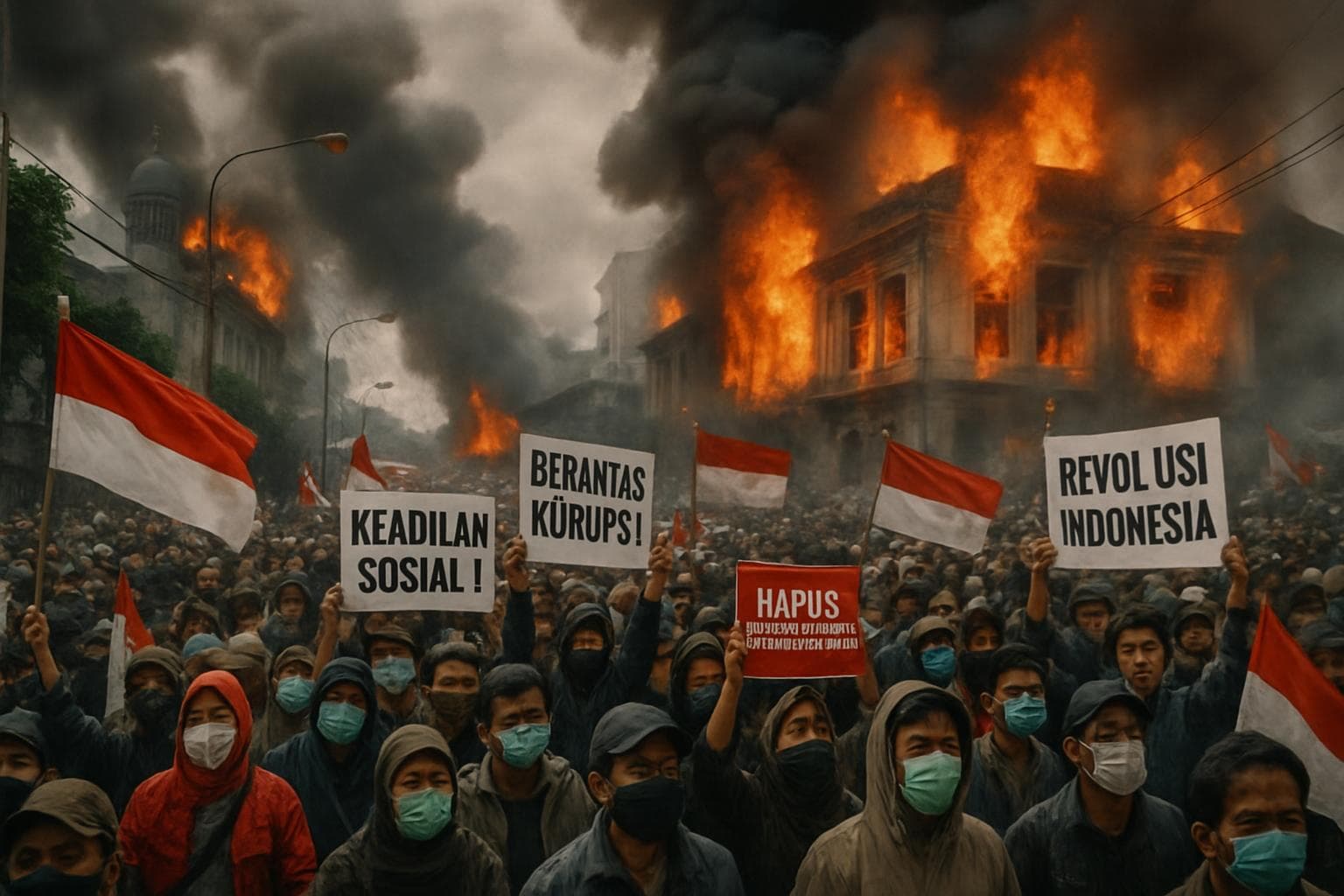
Indonesia is witnessing a wave of anti-government protests that have engulfed the nation since August 25, driven by public anger over economic disparities and political corruption. The unrest, which began in Jakarta, has spread to various regions, resulting in at least seven deaths, hundreds of injuries, and significant property damage.
Origins of the Protests
The protests were initially sparked by public outrage over the Indonesian government's decision to increase housing allowances for parliamentarians. Reports revealed that these allowances were nearly 10 times the minimum wage in Jakarta, exacerbating frustrations amid a cost-of-living crisis. The situation escalated when Affan Kurniawan, a 21-year-old motorcycle delivery driver, was killed by police during a demonstration, further fueling public discontent.
Escalation and Government Response
The protests quickly spread beyond Jakarta, with violent clashes reported in cities such as Bandung, Palembang, and Makassar. Demonstrators have targeted government buildings, setting them ablaze, while looting and vandalism have been widespread. President Prabowo Subianto, facing his first major test since taking office, has promised reforms, including reducing lawmakers' perks. However, critics argue that these measures are insufficient to address the root causes of public anger.
Human Rights Concerns
The protests have drawn international attention, with the United Nations calling for an investigation into alleged police brutality. The Commission for the Disappeared and Victims of Violence (KontraS) reported that 20 people remain missing, raising concerns about the government's handling of the situation. President Prabowo has pledged to investigate Kurniawan's death and hold accountable those responsible.
WHAT THIS MIGHT MEAN
The ongoing protests in Indonesia highlight deep-seated issues of economic inequality and political corruption that the government must address to restore public trust. While President Prabowo's concessions may offer temporary relief, the demand for systemic reforms remains strong. The government's response to the UN's call for an investigation into police actions will be crucial in shaping international perceptions and domestic stability.
As the situation unfolds, the potential for further unrest looms, particularly if public grievances are not adequately addressed. The involvement of the military in civilian matters under Prabowo's administration could further complicate efforts to resolve the crisis peacefully. The coming weeks will be critical in determining whether Indonesia can navigate these challenges and move towards a more equitable and transparent governance model.
Related Articles
Intensified US-Israel Strikes on Iran Spark Global Outcry
Canada Calls for De-escalation Amid US-Israel Strikes on Iran
US Supreme Court Ruling Sparks Trade Uncertainty in Asia and Beyond

Palestinian-American Teen Killed by Israeli Settlers in West Bank Sparks Calls for Accountability

US-Iran Tensions Escalate Amid Military Buildup and Diplomatic Deadlock
UN Report: Sudan's El Fasher Siege Shows Genocide Hallmarks
Indonesia's Unrest: Protests, Tragedy, and Calls for Reform
In This Article
 Sofia Romano| Published
 HIGHLIGHTS
- Protests erupted across Indonesia on August 25, sparked by public outrage over lawmakers' housing allowances and economic inequality.
- The death of 21-year-old delivery driver Affan Kurniawan, killed by police, intensified the protests, leading to widespread unrest.
- At least seven people have died, and 20 remain missing, with hundreds injured and significant property damage reported.
- President Prabowo Subianto has promised reforms, including reducing lawmakers' perks, but critics demand deeper systemic changes.
- The United Nations has called for an investigation into alleged police brutality, as the government faces pressure to address public grievances.
Indonesia is witnessing a wave of anti-government protests that have engulfed the nation since August 25, driven by public anger over economic disparities and political corruption. The unrest, which began in Jakarta, has spread to various regions, resulting in at least seven deaths, hundreds of injuries, and significant property damage.
Origins of the Protests
The protests were initially sparked by public outrage over the Indonesian government's decision to increase housing allowances for parliamentarians. Reports revealed that these allowances were nearly 10 times the minimum wage in Jakarta, exacerbating frustrations amid a cost-of-living crisis. The situation escalated when Affan Kurniawan, a 21-year-old motorcycle delivery driver, was killed by police during a demonstration, further fueling public discontent.
Escalation and Government Response
The protests quickly spread beyond Jakarta, with violent clashes reported in cities such as Bandung, Palembang, and Makassar. Demonstrators have targeted government buildings, setting them ablaze, while looting and vandalism have been widespread. President Prabowo Subianto, facing his first major test since taking office, has promised reforms, including reducing lawmakers' perks. However, critics argue that these measures are insufficient to address the root causes of public anger.
Human Rights Concerns
The protests have drawn international attention, with the United Nations calling for an investigation into alleged police brutality. The Commission for the Disappeared and Victims of Violence (KontraS) reported that 20 people remain missing, raising concerns about the government's handling of the situation. President Prabowo has pledged to investigate Kurniawan's death and hold accountable those responsible.
WHAT THIS MIGHT MEAN
The ongoing protests in Indonesia highlight deep-seated issues of economic inequality and political corruption that the government must address to restore public trust. While President Prabowo's concessions may offer temporary relief, the demand for systemic reforms remains strong. The government's response to the UN's call for an investigation into police actions will be crucial in shaping international perceptions and domestic stability.
As the situation unfolds, the potential for further unrest looms, particularly if public grievances are not adequately addressed. The involvement of the military in civilian matters under Prabowo's administration could further complicate efforts to resolve the crisis peacefully. The coming weeks will be critical in determining whether Indonesia can navigate these challenges and move towards a more equitable and transparent governance model.
Related Articles
Intensified US-Israel Strikes on Iran Spark Global Outcry
Canada Calls for De-escalation Amid US-Israel Strikes on Iran
US Supreme Court Ruling Sparks Trade Uncertainty in Asia and Beyond
Palestinian-American Teen Killed by Israeli Settlers in West Bank Sparks Calls for Accountability
US-Iran Tensions Escalate Amid Military Buildup and Diplomatic Deadlock
UN Report: Sudan's El Fasher Siege Shows Genocide Hallmarks